cornea and the lens because these structures do not have direct blood vessels and any disruption in the production or outflow of aqueous humor can increase intraocular pressure. and finally the occurrence of glaucoma (glaucoma), for this reason it is very important to know its function to prevent vision damage.
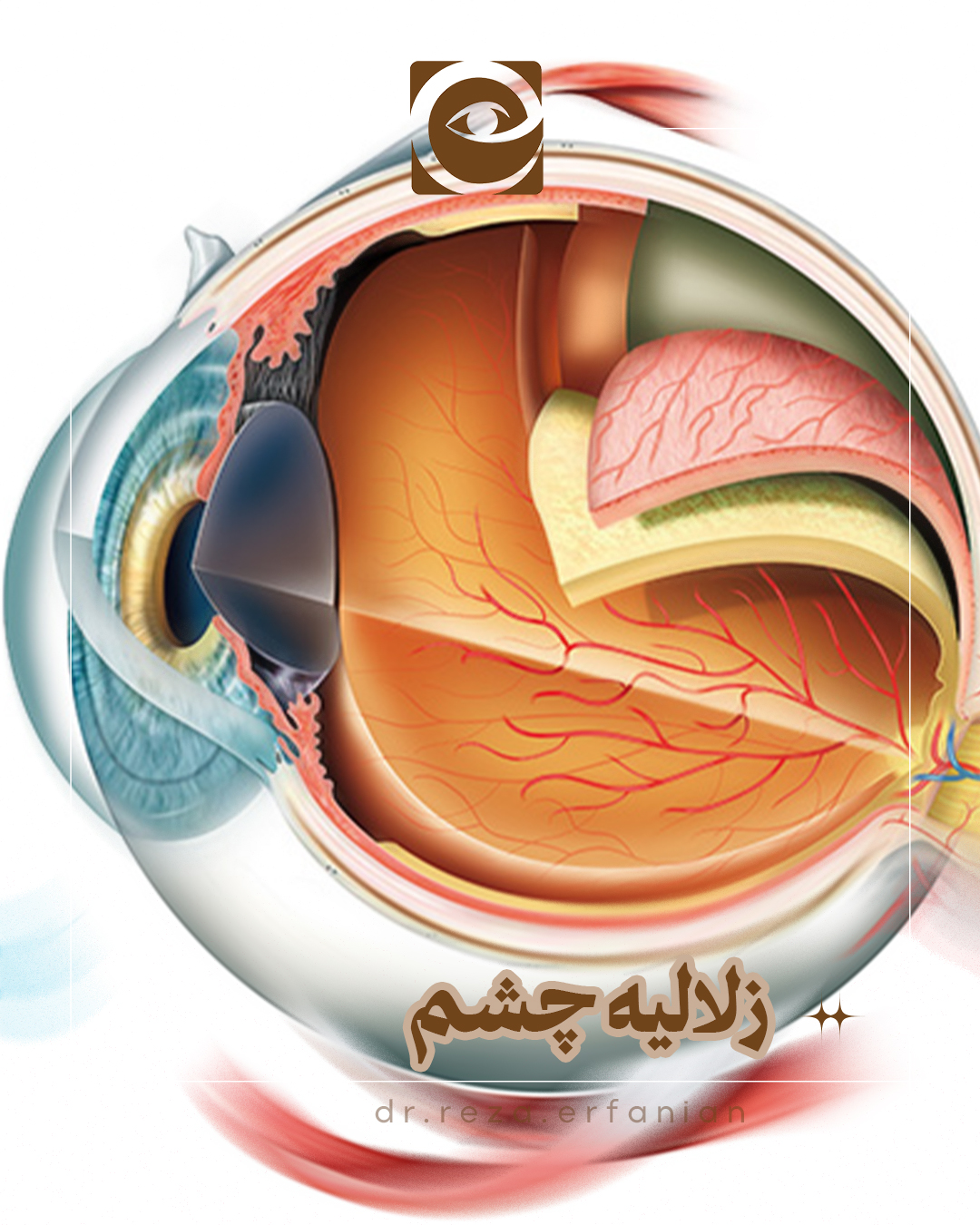
 Anatomy and movement path of aqueous humor
Aqueous movement is a regular and vital cycle that helps regulate intraocular pressure and includes these steps:
- Production in ciliary body
- Transition from the pupil to the anterior chamber
- Evacuation through trabeculae network
- The final exit from the Eschlam canal into the bloodstream
This physiological process must establish a precise balance between production and drainage, and any disturbance in this cycle can increase internal pressure and other parts of the body. href="https://drerfanian.com/%d8%a7%d8%ac%d8%b2%d8%a7-%d9%88-%d8%a2%d9%86%d8%a7%d Anatomy eye which is the basis of black water.
The role of the ciliary body in the production of aqueous humor
Ciliary Body or Ciliary body, a circular structure behind It is the iris that is responsible for the continuous production of aqueous humor. This structure, with the controlled secretion of liquid, keeps the eye pressure within the normal range and provides the necessary nutrients for the cornea and lens.
trabecular meshwork and Eschlam's canal; Eye drainage
After passing through the anterior chamber, the aqueous humor drains through the Trabecular Meshwork and then enters Schlemm's Canal.
This drainage system plays a key role in regulating intraocular pressure, and its dysfunction is considered the most important factor in increasing pressure and the occurrence of glaucoma.
Aqueous plays a vital role in maintaining the health and normal function of the eye, because structures such as the cornea and lens do not have blood vessels and depend on this liquid to receive oxygen and nutrients. By regulating and maintaining the intraocular pressure (IOP), this liquid prevents the deformation of the eyeball and damage to the optic nerve. At the same time, while maintaining its transparency, it plays a role in the process of light refraction and accurate image transmission to the retina, and any turbidity or disturbance in the balance of aqueous humor production and discharge can reduce the quality of vision. data and cause diseases such as black water.
Disorder in the aqueduct; From increased pressure to glaucoma
When the drainage of the aqueous humor is disturbed from its natural path, the intraocular pressure rises and this increase in eye pressure gradually damages the optic nerve, which in open-angle glaucoma gradually decreases the drainage from the trabecular meshwork, and the patient may not notice the problem until the advanced stages.
Continuation of this process can cause gradual destruction of the optic nerve and irreversible reduction of the field of vision, which is why control of intraocular pressure is vitally important.
What are the symptoms of high water pressure?
Increased intraocular pressure is asymptomatic in many cases, but in some patients it can be accompanied by blurred vision, a feeling of heaviness in the eyes, mild pain or seeing halos around the lights, and in severe cases, severe headache and a sudden decrease in vision may also occur, which requires an immediate visit to an ophthalmologist.
Difference between vitreous humor and vitreous humor
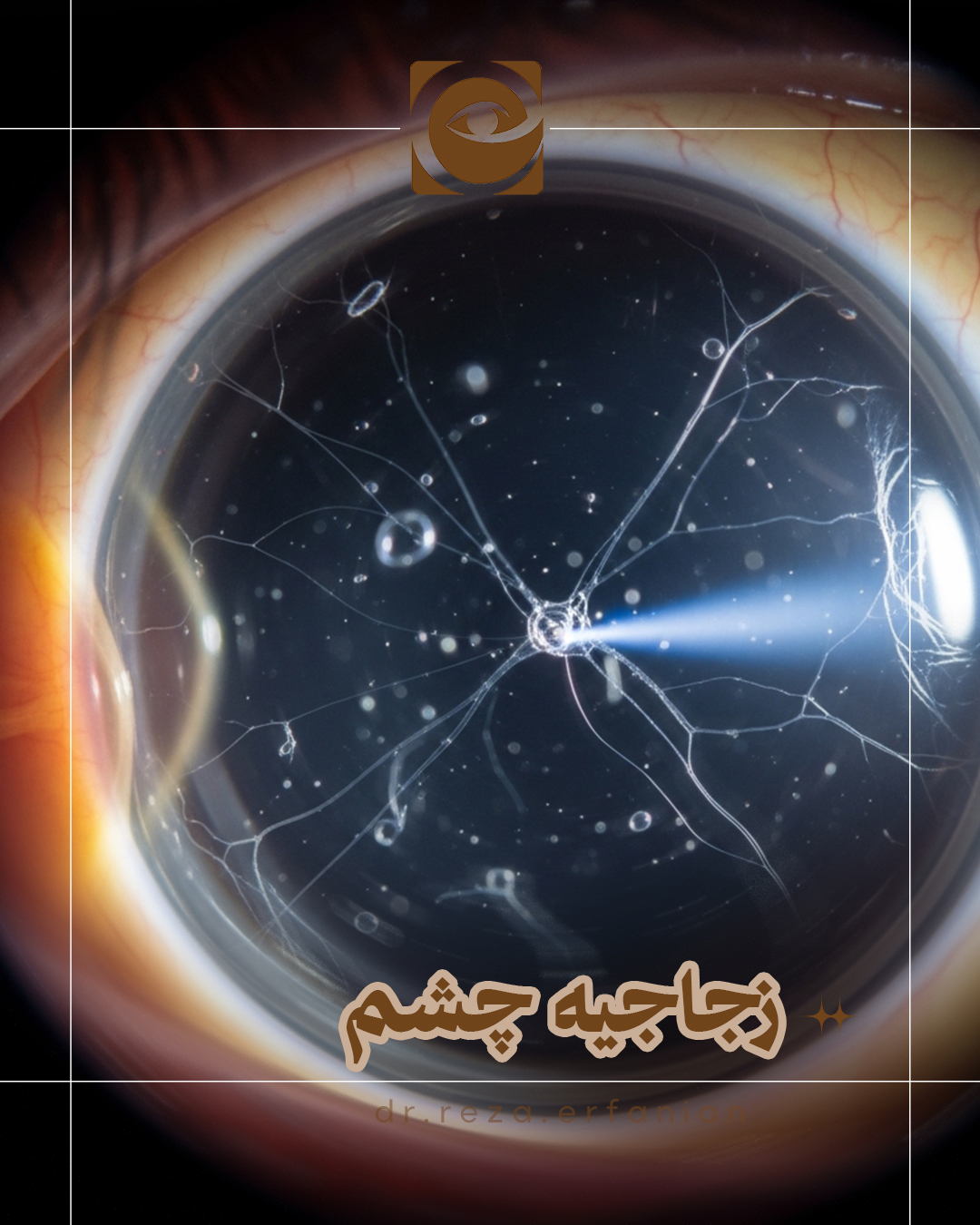
Aqueous humor is a clear liquid that flows in the front part of the eye and between the cornea and the lens and is continuously produced and discharged, while Vitreous Humor or vitreous humor is a jelly substance in the back part of the eye that fills the main volume of the eyeball and unlike aqueous humor, the vitreous does not flow continuously and its role is more in maintaining the shape of the eye and passing light to the retina.
Methods Diagnosis and treatment of aqueous humor disorders
Diagnosis and treatment methods of aqueous humor disorders
Diagnosis of aqueous humor disorders and increased intraocular pressure is usually done with tonometry (eye pressure measurement) and, if needed, optic nerve and visual field examination is also complementary to the assessment. Depending on the severity of the disease, treatment includes regular use of eye drops that reduce eye pressure, laser therapy, and in advanced cases, surgery such as trabeculectomy surgery to improve aqueous humor drainage. The choice of treatment method must be done under the supervision of an ophthalmologist, because accurate adjustment of intraocular pressure for Preventing permanent damage to the optic nerve is vitally important.
In the following, we will examine the frequently asked questions of your dear ones that are raised in the office of Dr. Reza Erfanian Salim:
Is aqueous humor the same as tears?
No, aqueous humor is the liquid inside the eye and is different from tears that moisten the surface of the eye.
What should we eat to strengthen the aqueous humor?
Consumption of foods rich in antioxidants such as vitamin C, vitamin E and omega 3 helps the health of eye fluids.