
Table of Contents
- What factor is liquefaction time in sperm testing?
- Interpretation of liquefaction time in testing Sperm
- The cause of prolonged liquefaction time in the sperm test
- Treatments and precautions after the interpretation of liquefaction time in the sperm test
- Does disorder in liquefaction time cause infertility Is it possible?
- Conclusion
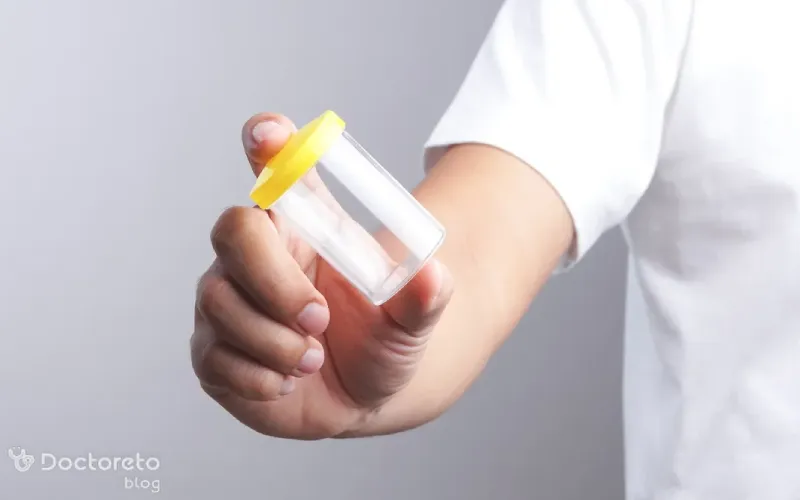
Seminal liquefaction is one of the important factors in sperm testing and refers to the ability of semen to turn from thick to liquid. This process is necessary for sperms to move freely and reach the egg. For this reason, examining the time of liquefaction can provide important information about the function of the glands that produce semen. Any disturbance in the liquefaction process affects sperm quality and fertility. Sometimes, increasing the viscosity or prolonging the liquefaction time reduces sperm movement and makes fertilization difficult. For this reason, this index, along with other sperm test factors, plays an important role in evaluating male infertility. In the rest of this article, we will talk about liquefaction time in sperm test from your doctor.

What factor is liquefaction time in sperm testing?
Sperm liquefaction time or Liquefaction Time shows how long it takes for semen to change from a jelly state to a liquid state. This usually takes between 15-30 minutes. This index helps the doctor to check the normality of semen consistency.
If the sperm analysis shows that the liquefaction time is more than 30 minutes or the viscosity is higher than normal, there is a possibility of malfunctioning of the sperm producing glands. This situation can reduce sperm motility and thus reduce the possibility of fertility.
Interpretation of liquefaction time in sperm test
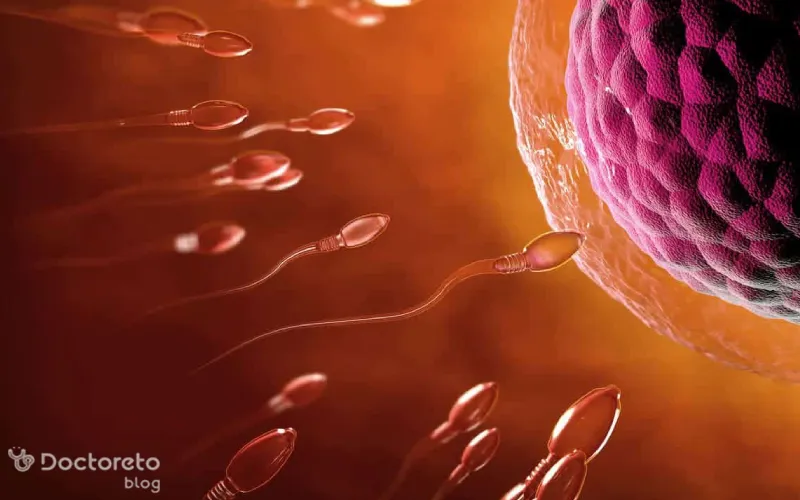
Semen should be completely liquid within 20 to 30 minutes after ejaculation. This process allows the sperm to move freely and make their way to the egg. Any delay in this time can be a sign of abnormal changes in the composition of the semen.
Long ejaculatory time is usually related to problems with the prostate or seminal vesicles; Because these structures are responsible for the secretion of enzymes that dilute the semen. Dysfunction of these glands causes high viscosity, reduced sperm motility and difficulty in fertility.
| Topic | Summary |
|---|---|
| Definition Liquefaction Time | Sperm liquefaction refers to how long it takes for semen to change from a jelly-like state to a liquid state. |
| Typical liquefaction time | is usually between It takes 15-30 minutes. |
| Normal reported time | Semen should be completely liquefied within 20-30 minutes after ejaculation. |
| Overall normal standard | Normal liquefaction time is less than 60 minutes. |
| Purpose of measurement | Helps the doctor determine whether the consistency is normal. Check the semen. |
| Abnormal increase in time | Being more than 30 minutes can be a sign of dysfunction of the sperm producing glands. |
| Correlation with viscosity | Increased sperm liquefaction is usually associated with high viscosity of semen. |
| Effect on motility Sperm | Delay in liquefaction reduces sperm motility. |
| Effect on fertility | Decreased sperm motility ultimately reduces the chance of fertility. |
| Common causes | Prostate problems, seminal vesicles |
| Fluid result Failure to | Liquefaction time or prolonged delay is a sign of a medically treatable problem. |
1. Normal liquefaction time in sperm test
Semen is naturally thick and sticky at first and then becomes liquid in about 20 minutes. This natural process is necessary for better sperm movement and is part of the standard sperm test evaluation. Based on image of normal sperm test result, the doctor checks the health of the seminal glands.
If the sperm clotting time is too long or does not occur at all, it is probably a sign of a problem with the prostate or seminal vesicles. This condition limits sperm movement and reduces fertility. Sometimes, some simple treatments or additional tests will identify the problem.
English text:
Quoted from webmd
Normal semen comes out thick during ejaculation. Liquefaction time measures how long it takes before it becomes liquid. It should take about 20 minutes. If it takes longer to liquefy or doesn't become liquid at all, it could mean there's a problem. Farsi translation: Normal semen thickens during ejaculation. The liquefaction time measures how long it takes to liquefy. It should take about 20 minutes. If ejaculation takes longer or does not ejaculate at all, there is a problem that needs to be investigated.
2. What is the effect of unnatural liquefaction time on fertility?
Abnormal sperm coagulation time indicates a decrease in sperm movement; Because sperm cannot swim easily in thick or sticky liquid. This situation causes the sperm to reach the cervix and egg later or with lower quality. As a result, the chance of fertility decreases. Many studies show that an increase in viscosity or a delay in liquefaction is associated with a decrease in sperm motility and overall quality.
In some cases, complete liquefaction will indicate underlying diseases. Infections such as prostatitis or inflammation of the seminal vesicles are one of the most common causes of this. By changing the biochemical environment of the semen, these disorders reduce the enzymes necessary for liquefaction and cause the semen to remain concentrated for a longer time. Such conditions, if not treated, will significantly affect fertility.
The cause of prolonged liquefaction time in sperm test
Prolonged liquefaction time is usually related to dysfunction of reproductive sub glands. Glands such as the prostate, seminal vesicles, and bulbourethral glands in the male reproductive system secrete enzymes that turn semen from a gel-like state into a liquid. If there is infection, inflammation, or blockage in these glands, such as prostatitis, enzyme secretion is reduced and liquefaction is delayed. This problem is often associated with symptoms such as pelvic pain, a decrease in semen volume, or a change in its smell and appearance.
The high viscosity of semen is another important cause. When semen is too thick, it does not liquefy completely even with time. This condition indicates inflammation or imbalance in the chemical composition of semen. Factors such as infection, insufficient fluid intake, placing the sample at an inappropriate temperature or incorrect collection also disrupt this process. Even not observing the proper distance between ejaculation and performing the test affects the final result.
Treatments and precautions after interpretation of liquefaction time in sperm test
Treatment of liquefaction time disorder depends on the underlying cause and sperm test interpretation. If there is an infection or inflammation, the doctor usually prescribes antibiotics, anti-inflammatories or auxiliary drugs to improve the function of the prostate or seminal vesicles. In some cases, lifestyle changes such as increasing water consumption, reducing smoking, improving nutrition and increasing physical activity can improve the composition of semen and reduce the time of liquefaction.
In situations where the cause is a decrease in the activity of proteolytic enzymes, the doctor recommends supplements or treatments to increase the breakdown of the primary sperm clot. In the laboratory, sperm washing methods or assisted reproductive techniques (ART) such as IUI and IVF are also sometimes used to reduce the effect of high viscosity. Correct compliance with the conditions of sample collection and quick delivery to the laboratory are also necessary measures to prevent errors in diagnosis.
Does disruption in Liquefaction Time cause infertility?
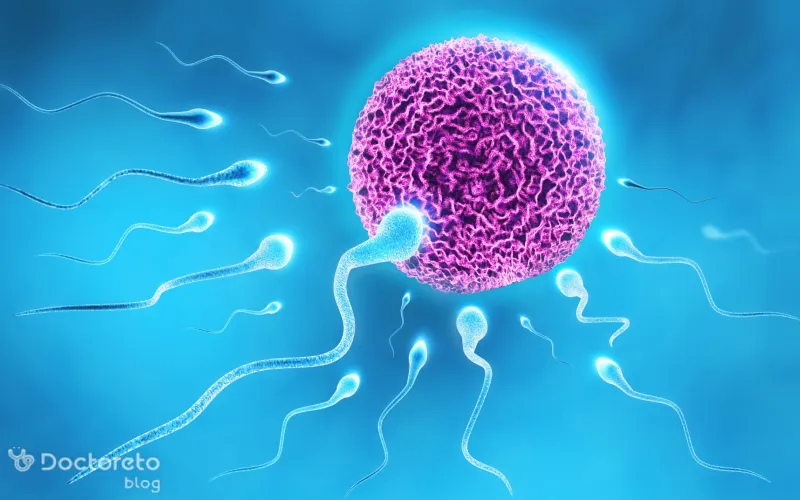
Research shows that delayed liquefaction is associated with decreased forward motility, decreased normal sperm morphology, and decreased sperm concentration. This means that thicker semen restricts the movement of sperm and makes it less likely for them to reach the egg. Such problems alone do not lead to infertility but together with other sperm disorders, they will increase the risk of infertility.
Since erectile dysfunction is a symptom of inflammation of the prostate or seminal vesicles, treating the underlying cause often helps improve ejaculation quality and increase sperm motility. If the problem remains, the use of assisted reproductive methods increases the chance of pregnancy. Therefore, timely diagnosis and appropriate treatment play an important role in preventing fertility problems.
Conclusion
Finally, the liquefaction time in the sperm test is one of the key parameters in the sperm analysis test, which indicates the normal function of peripheral glands such as the prostate. The first key point is the role of this process in releasing sperms and improving their motility for natural fertility. Second, delayed liquefaction is often associated with infections (such as prostatitis) or glandular disorders and can reduce sperm motility. Third, this parameter alone is not diagnostic, but it is important together with other findings. For the next step, if you notice a delay, consult a urologist or infertility specialist for a more detailed evaluation and possible treatment (such as checking for infection). This approach helps to maintain reproductive health.
Your doctor takes care of your health!