
مقدمه
لکوپلاکیا یکی از ضایعات نسبتاً شایع در دهان است که ممکن است باعث نگرانی بیماران شود. در این مقاله به طور کامل بررسی میکنیم که لکوپلاکیا چیست، چه علائمی دارد، چگونه تشخیص داده میشود و چه روشهایی برای درمان آن وجود دارد. آگاهی از این ضایعه میتواند به تشخیص زودهنگام و پیشگیری از مشکلات جدیتر مانند سرطان دهان کمک کند.
لکوپلاکیا چیست؟
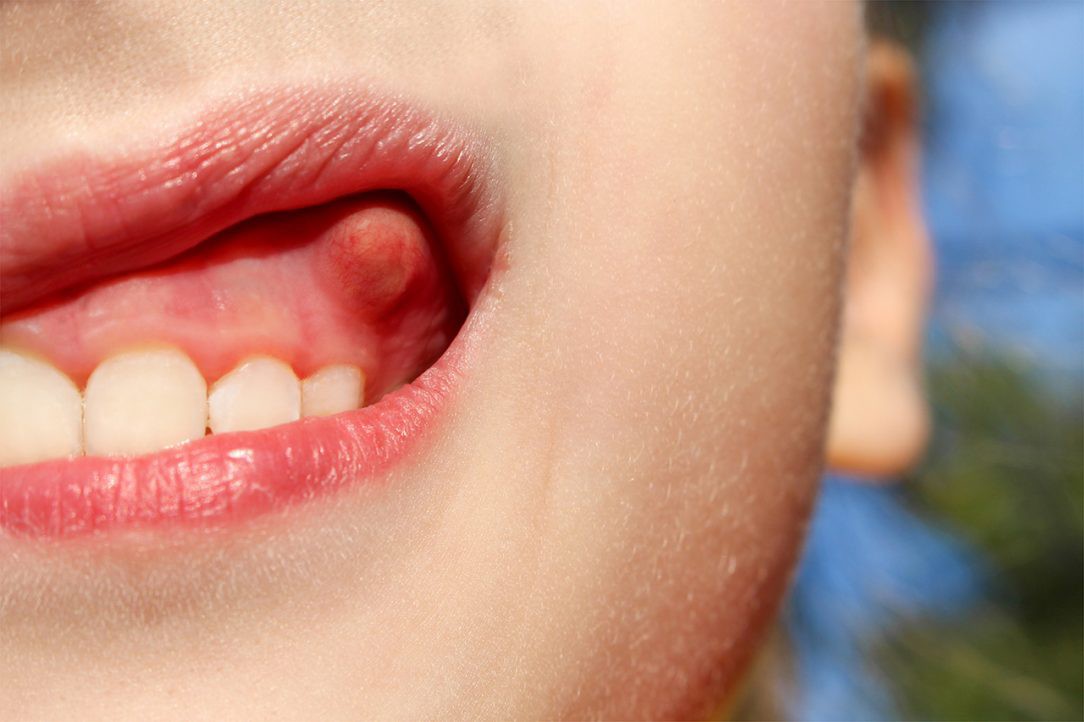
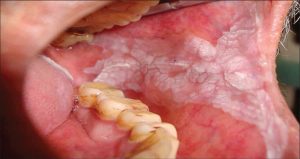
لکوپلاکیا (Leukoplakia) یک ضایعه سفید یا خاکستریرنگ است که معمولاً در سطح زبان، داخل گونهها یا لثهها ظاهر میشود. این ضایعات غیرقابل کنده شدن هستند و نمیتوان آنها را با مسواک زدن یا پاک کردن معمولی از بین برد. Leukoplakia is usually painless and may be ignored by a person in the early stages.
This complication can be benign, but in some cases it may be considered precancerous (precancerous) and needs investigation and treatment.

Types of leukoplakia
1. Normal leukoplakia (smooth)
This type appears as a white lesion, smooth and without ridges, and is often benign.
2. Macular leukoplakia (hairy or hairy)
It is observed in patients with weak immune system (such as people with HIV/AIDS). This type usually appears on the side of the tongue.
3. High-risk leukoplakia (dysplastic)
In some cases, leukoplakia may contain abnormal cells that increase the risk of developing into oral cancer. Accurate diagnosis is only possible through sampling (biopsy).
Leukoplakia symptoms
The symptoms of leukoplakia can be very slight, but the most common ones are:
-
The presence of white, gray or thick spots on the tongue, gums or inside the cheeks
-
Damage that cannot be erased or separated
-
In some cases, burning or discomfort when eating hot or spicy foods
-
creating a wound or crack at the site of the injury
-
A change in the texture of the mouth or the appearance of the tongue
What is the cause of leukoplakia?
Various factors contribute to the development of leukoplakia. The most important of them are:
1. Smoking
Smoking or chewing tobacco is one of the main risk factors for developing leukoplakia. The chemicals in tobacco cause chronic irritation of the oral mucosa.
2. Alcohol consumption
Alcohol is another factor that stimulates the oral mucosa, especially if it is combined with smoking.
3. Mechanical stimulation
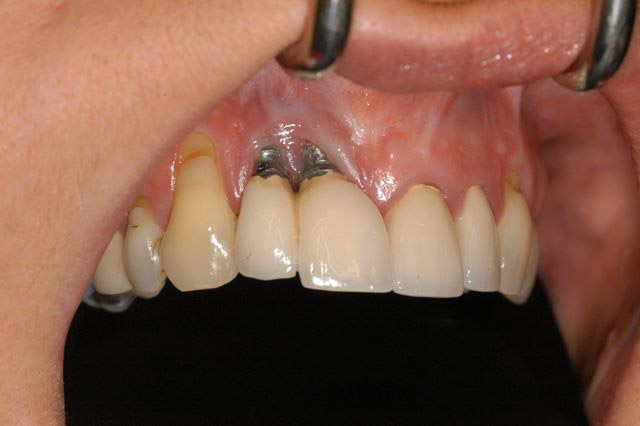
Using improper dentures, broken teeth, or uneven fillings can eventually irritate the oral tissue and cause leukoplakia.
4. Viral diseases
In the hairy type of leukoplakia, Epstein-Barr virus (EBV) is the main cause, especially in people with weakened immune systems.
How is leukoplakia diagnosed?
The accurate diagnosis of leukoplakia is made by a dentist or an oral and maxillofacial specialist. The diagnosis steps include the following:
1. Clinical examination
Direct observation of the lesion in the mouth is performed by the doctor. The doctor checks whether the lesion can be removed or not.
2. Sampling (biopsy)
If the doctor suspects dangerous cellular changes, he will send a small sample of the lesion for histological examination.
3. Viral tests
In suspected cases of hairy leukoplakia, EBV virus detection tests may be performed.

Is leukoplakia dangerous?
In most cases, leukoplakia is benign and resolves by removing the irritants. But about 5 to 17 percent of cases may turn into oral cancer. For this reason, regular medical examination and follow-up is very important.
treatment of leukoplakia
1. Removal of the irritating factor
The first step in the treatment of leukoplakia is to identify and remove the causative agent. These measures can include quitting smoking, correcting damaged teeth, or changing artificial teeth.
2. Drug therapy
In some cases, antiviral drugs are prescribed to treat hairy leukoplakia.
3. Surgery or laser
If the lesion is suspicious or resistant, it may be necessary to remove the lesion with surgery, cryotherapy (freezing) or laser.
4. Regular follow-up
After treatment, you should be examined regularly so that necessary measures can be taken in case of recurrence of the lesion or new changes.

Ways to prevent leukoplakia
Prevention of this lesion is possible simply by observing health tips and changing lifestyle:
-
Quit smoking and alcohol
-
observe oral and dental hygiene
-
Performing regular dental examinations
-
Correcting and replacing damaged or disproportionate teeth
-
Healthy nutrition and strengthening the immune system
The difference between leukoplakia and oral thrush
Although both lesions are white, they have important differences:
| property | Leukoplakia | oral thrush (candidiasis) |
|---|---|---|
| cause | chronic stimulation, smoking, virus | Candida mushroom |
| appearance | thick, fixed, unerasable waste | Soft, erasable plaques |
| Dard | usually painless | might be painful |
| treatment | Remove cause, surgery | Antifungal drugs |
At what age is leukoplakia more common?
This lesion is mostly seen in people over 40 years old, but it can also be seen in young people who smoke or smoke hookah.
Conclusion
Now that you know what is leukoplakia, you will realize that although this lesion is mostly benign, it can be a sign of a more serious problem such as oral cancer. For this reason, it is necessary to see a dentist or oral specialist immediately if you see any white lesions or abnormal changes in the oral tissue.
Dr. Farbad Seifi and Dr. Farzaneh Dashkhaneh Dental Center in Maragheh is one of the most equipped specialized centers for consultation and treatment of gum and dental diseases. You can call 04137223003 for more detailed information and reservation. You can also find other ways to contact us on the Contact Us page. To see the trainings and routines of the office, you can also Dr. Farbod Seifi's Instagram page and Follow the page of Dr. Farzaneh Dashkhane on Instagram.