The need to prevent the formation of blood clots after surgery
Blood clotting after surgery, also known as blood coagulation, is considered a natural reaction of the body to certain conditions. For example, if you cut your hand or finger, a blood clot forms in the cut area to stop bleeding and help repair the cut area. These types of blood clots are not only useful, but also prevent excessive bleeding during severe injuries..
Major surgeries lead to to a person's vulnerability to the formation of clots The blood becomes dangerous.. these clots appear in areas such as the lungs or the brain.
What is a blood clot?
Platelets, which are a type of blood cell, plus plasma, which is the fluid in the blood, work together to stop the bleeding, so a blood clot forms in the injured area.
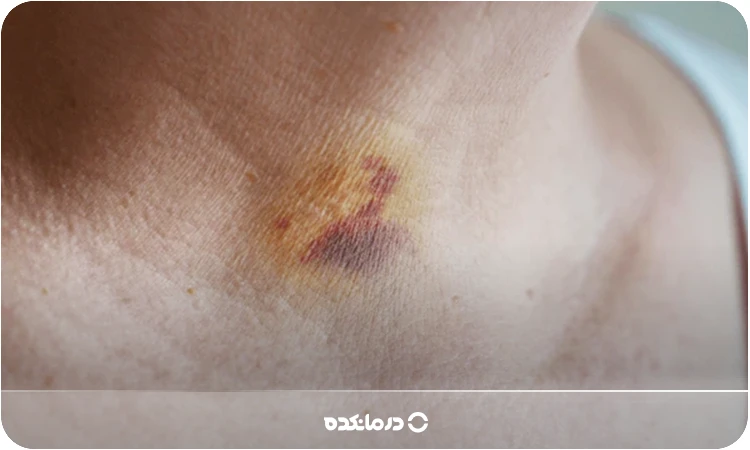
You are probably familiar enough with blood clots that form on the surface of the skin....they are usually called superficial scratches....usually as the injured area heals, the body naturally breaks down the blood clot.
But there are other conditions during which blood clots are formed inside the veins of the body... Of course, the person may not be harmed.... These clots do not break down naturally and are considered a dangerous complication.
Clots inside the veins prevent blood from returning to the heart... Therefore, the accumulation of blood behind the blood clot leads to pain and inflammation.
Learn more: What is body sculpting?... Application, side effects and post-operative care
Prevention of blood clot formation after surgery
There are several steps you can take to prevent blood clots after surgery. The most important thing you can do is to discuss your medical history with your doctor. Studies show that taking aspirin can help reduce the formation of blood clots.
On the other hand, the doctor may prescribe warfarin (Coumadin) and heparin... these drugs are among the most common blood thinners.... Thinners or anticoagulants are used to treat severe blood clots.. Taller than the body after surgery.... This approach helps with better blood circulation.
If you have a high risk of blood clots, your doctor may check your condition with a duplex ultrasound scan. Anticoagulants, known as thrombolytics, are prescribed if the risk of pulmonary embolism (PE) or deep vein thrombosis (DVT) is high. These drugs are injected directly into the bloodstream.>
Changing the lifestyle before the surgery is also useful... Quitting smoking or changing the exercise program are among these measures.
After the surgery and when the doctor has given the necessary permission, try to increase your physical mobility as much as possible.... Mobility and physical activity reduce the possibility of blood clot formation.... Also, the doctor prescribes the use of compression clothes.... These devices prevent leg swelling.
Symptoms of blood clot formation after surgery
Each surgery has its own risks... Pulmonary embolism and deep vein thrombosis are among the most common complications that you should pay attention to.
Many people do not understand the symptoms and risk factors associated with blood clots.
The most common symptoms of blood clots are:
If you think you have a blood clot, contact your doctor immediately.... This way, the treatment process will be on the agenda as soon as possible.... If you are about to have surgery, your doctor will check all the risk factors and give you the best preparation methods.
Also read this article: What are the symptoms of blood clots in the body?
Risk factors due to surgery
The risk of blood clots increases after surgery. One type of clot that is at high risk is deep vein thrombosis (DVT). DVT refers to the formation of blood clots in the deep veins of the body, including veins in the legs, arms, or pelvis.
There is a possibility that blood clots can break off from DVT and travel to other parts of the body, including the heart, lungs, brain... Therefore, sufficient blood supply to these organs is prevented.
The main reason for the increased risk of DVT after surgery is that during and after surgery, you go through a period of rest and immobility. Muscle movement is essential for continuous pumping of blood to the heart.
This lack of movement leads to blood pooling in the lower part of the body, especially in the leg and thigh area... These conditions increase the possibility of blood clots... If the blood does not flow freely in the body, and is not combined with anticoagulants, the risk of blood clots increases.
In addition to immobility, surgery in turn increases the chance of blood clots. The reason is that surgery results in the introduction of foreign substances into the bloodstream. Destroyed tissues, collagen and fat are the most common particles that enter the bloodstream after surgery.
When the blood comes into contact with foreign particles, it reacts to them by thickening (increasing the resistance layer). This condition leads to the formation of blood clots.. In addition, in response to the displacement or separation of soft tissues during surgery, the body secretes a series of natural compounds that help blood clot.
Summary of discussion
Blood clot formation after surgery is an important and serious risk. The doctor has the duty to check the risk factors before the surgery. He offers advice to prevent DVT or PE... Even after accessing these advice, it's important to know the common symptoms of blood clots.
In case of any problems with the formation of blood clots after surgery, be sure to contact a hematologist and oncologist.
[sibwp_form id=5]
Was this article helpful to you?
![Which fruit increases blood pressure [high and low]? 18 effective fruits](/storage/posts/covers/2026_01_08/ef00bb701cbb99e90a24ba8d73265ba4c08936335e859a33b69553f5c5e737a2.webp)
![For whom is rhinoplasty dangerous? [10 groups+cause+solution]](/storage/posts/covers/2026_01_06/3e06a993c87e243daaf67dc69ac3e484d377b2708c93656820e0084ea4f080d6.webp)
![What fruits have vitamin B12? [13 fruits + consumption tips]](/storage/posts/covers/2026_01_06/dfaeceb7cb9a203805aeba8715bf7cdea6f5cb2b5b9314e1898807545e874bb1.webp)
![Is nasal massage necessary after surgery? [Training + 5 effective benefits]](/storage/posts/covers/2026_01_06/1f2686c8d522130d256828a51d7d46594dbde31ec2253325e6a8a38f04094789.webp)
![The best drops to reduce eye pressure [14 powerful drugs + method of administration]](/storage/posts/covers/2026_01_06/0177c50098eb80d878d1c883d09ae31ad2f489b17e1288f52018e3f8ef213e5f.webp)
![What is hair filler? [9 benefits, how to inject + durability of hair filler]](/storage/posts/covers/2026_01_06/c21c5e1ff48e9af8214111dfe0b867586f298e3d74a95fadda02b0b04df12598.webp)
![The strongest antibiotic for tonsil infection [7 drugs + method of administration]](/storage/posts/covers/2026_01_06/7b5adf6bb8cf556824d96570b6adba58f824b3a7f248993cfaafb73c0b5b8610.webp)
![Garlic pills for weight loss [4 effective benefits and side effects + how to use]](/storage/posts/covers/2026_01_06/c49f08b482d5860218c8635e48194a50f2ed48b51ef15925aa2d73d8393ff3ab.webp)
![What foods increase eye pressure? [8 harmful foods and drinks]](/storage/posts/covers/2026_01_06/52929c4d1b9ed7916d3fc5a8e45060479fb186f332dd217e68905f71f89a33f0.webp)
![What foods lower eye pressure? [18 useful foods]](/storage/posts/covers/2026_01_06/f180eb15f8e64fc9b386f9d5dc7936a5e416af36032be3bdcdf9054925a21d43.webp)
![itchy scalp; 18 causes [medical treatment + 11 home remedies]](/storage/posts/covers/2026_01_06/a1e116ec1c6243fd5c4e6fb951da5cb33bbd92a09c44e29b845852a86f550681.webp)
![What is intestinal colitis and what are its symptoms? [3 causes + definitive treatment]](/storage/posts/covers/2026_01_06/d3384e9221c036ff3eb447c69ffabb109dd6c0c35f5e5f0af775c4545cfd7ea5.webp)
![The best pills for irritable bowel syndrome [10 powerful drugs]](/storage/posts/covers/2026_01_06/70f02d6808fab88d67b0c6734a623e5e71982d323dbd2fb8158c29669849b813.webp)