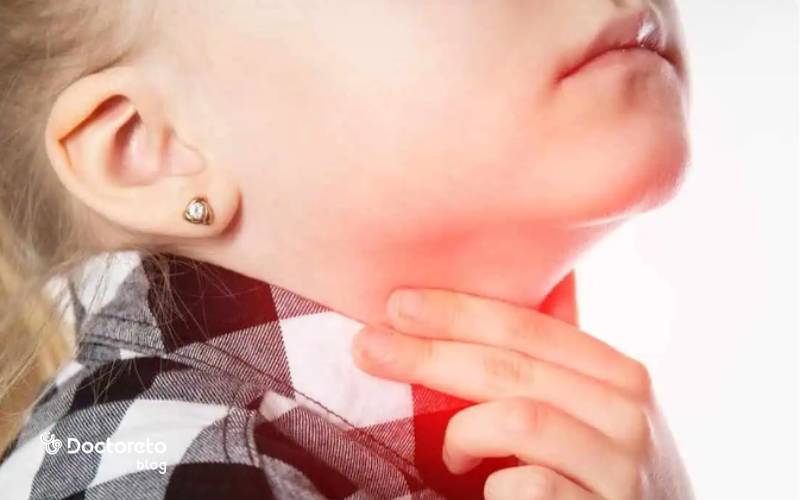
Tonsillitis is one of the most common throat problems that causes inflammation and enlargement of the tonsils. This disease is usually caused by viruses such as the common cold or certain bacteria and is accompanied by symptoms such as severe sore throat, difficulty in swallowing food, fever and white spots on the tonsils. If this situation is not taken seriously, it can cause bigger problems. In this article, we have examined all the causes, dangerous symptoms, and home and medical treatment methods so that you can recover very quickly and without complications with timely diagnosis.
What is tonsillitis?
Infection is the cause of inflammation or swelling of the tonsils on the sides of the throat and at the end of the pharynx. Tonsils are two layers of oval tissue at the back of the throat. They are actually part of the body's immune system and help trap pathogenic microbes. If the tonsils are infected, they become swollen and painful, to the extent that they may make it painful to swallow or drink. This condition is called tonsillitis.
The medical term for tonsillitis is tonsillopharyngitis, but most people call it a sore throat. Sometimes, however, tonsils can become enlarged and not infected. However, most of the time there is an infection that has caused them to be larger than usual.
Tonsillitis is more common in children and teenagers, but it can affect people of any age. Most people suffer from tonsillitis at least once in their lifetime.
English text: Tonsillitis occurs when your tonsils become infected. Tonsils are the two small lumps of soft tissue — one on either side — at the back of your throat. Farsi translation: Tonsillitis occurs when the tonsils become infected. Tonsils are two small lumps of soft tissue located at the back of the throat on either side.
Types of tonsillitis
Tonsillitis can be classified based on the cause and most importantly the duration of the disease. These swellings can be short-term and transient or long and chronic and affect daily life. Knowing the types of tonsillitis helps to make a correct diagnosis and choose the right treatment. In general, the three main types of tonsillitis include the following:
Type of tonsillitis
Short description
Acute tonsillitis
These symptoms usually last a few days to about a week.
Recurrent tonsillitis
In this type of person, tonsillitis occurs several times a year.
Chronic tonsillitis
Chronic tonsillitis refers to long-term inflammation or repeated infections of the tonsils that cause persistent symptoms.
This table shows the types of tonsillitis.
symptoms of tonsillitis
Tonsillitis usually presents with a sudden sore throat, difficulty in swallowing, and swelling of the lymph nodes on both sides of the neck. On physical examination, the tonsils are red and swollen, and sometimes white or yellow purulent spots (plaques) are formed on them. Other side effects such as fever, chills, headache, earache and bad breath are also common. It is very important to accurately distinguish between viral and bacterial agents at this stage, because the type of treatment and the severity of symptoms will be different in each. Other symptoms of tonsillitis include:
Sore or sensitive throat
Fever
Red tonsils
White or yellow coating or spots on the tonsils
painful blisters or sores in the throat
Headache
Anorexia
Ear pain
Uncomfortable or painful swallowing
Swollen glands in the neck or jaw
Fever and chills
Bad breath
Muffled or muffled voice
Neck stiffness
Feeling of general malaise
Feeling sick or vomiting
Abdominal pain
symptoms of tonsillitis in children
In children, especially minors who cannot describe their pain, symptoms may include loss of appetite, restlessness, and involuntary drooling. Mouth breathing, snoring while sleeping and sounding like a child has something in their mouth (hot potato sound) are common signs of swollen tonsils. Also, the child may be impatient due to earache or heartache (caused by the swelling of the abdominal lymph nodes at the same time as the tonsils), which requires careful examination by a pediatrician.
The most common symptoms of tonsillitis in children include the following:
stomach discomfort
vomiting
stomach pain
mouth watering
Reluctance to eat or swallow
Breathing through the mouth instead of the nose most of the time
Noisy breathing during the day
Snoring at night
cause of tonsillitis
Tonsillitis is usually caused by a viral or bacterial tonsil infection that stimulates the immune system and causes the tonsils to swell. In most cases, the cause of tonsillitis is a viral infection. The most common viruses that can cause inflammation and enlargement of the tonsils include the following viruses:
Adenoviruses
Influenza virus
Epstein-Barr virus
Parainfluenza viruses
Enteroviruses
Herpes simplex virus
HIV
The cause of infection and swelling of the tonsils is not always viral. Bacterial infection can also cause swelling of the tonsils. One of the most common bacterial infections that cause tonsillitis is streptococcus bacteria, which can cause purulent strep throat. In general, viral tonsillitis is less severe and more common than bacterial tonsillitis. This type of disease should not be treated with antibiotics.
English text: Both bacterial and viral infections cause tonsillitis. If you have tonsillitis, it's important for your doctor to determine the correct cause in order to find the right treatment. Farsi translation: Both bacterial and viral infections cause tonsillitis. If you have tonsillitis, it is important for your doctor to determine the correct cause in order to find the right treatment.
allergy and tonsillitis
Swollen and inflamed tonsils are not always infectious. Allergy or allergy is another factor that can cause tonsillitis. In addition to viruses and bacteria, tonsils are also a defense barrier against allergens and dust particles. As a result, environmental stimuli such as dust, allergens and pollution can also cause throat irritation and inflammation.
When your immune system comes into contact with an allergen such as pollen, pet dander, etc., it sees it as a threat and releases antibodies to fight it. The way your body reacts to the allergen can cause inflammation of the tonsils.
Allergies can cause tonsil irritation with symptoms such as sore throat and congestion.
diagnosis of tonsillitis
To diagnose left tonsillitis, the doctor first performs a physical examination. The doctor should check the patient's throat for redness and swelling. He then asks the patient about other symptoms, including fever, cough, runny nose, or skin rash. Answering these questions will help the doctor rule out other possibilities and diseases. Next, the doctor will check the ears and nose for signs of infection.
If tonsillitis is confirmed in the initial stage, they may take a sample from the patient's throat to see if the cause of tonsillitis is bacterial or not. As mentioned, in severe cases, it is necessary to determine whether the cause of the infection is viral or bacterial, for proper treatment of the disease.
In most people, tonsillitis resolves after a few days with home care. But sometimes the symptoms last longer than usual or they may cause complications that require medical and pharmaceutical treatment. In viral cases, supportive treatment is sufficient; But in case of proof of streptococcal infection, antibiotics are necessary as prescribed by the doctor.
However, for Treatment of Tonsillitis the cause should be considered, because the cause has a great influence on the selected treatment method of the disease. Also, age, risk factors and other underlying diseases should also be considered in choosing the treatment method.
1. Tonsillitis home care
Home caregivers play an important role in relieving pain and speeding up recovery; Gargling warm salt water several times a day helps reduce swelling and disinfect the throat environment. Consuming plenty of fluids, warm drinks such as tea and honey, or consuming cool foods such as ice cream can temporarily calm inflammation.
In most patients, the swelling of the tonsils is resolved only by resting and home care after a few days. To treat tonsillitis at home as quickly as possible, you can do the following:
Get enough rest.
Consume cool drinks that soothe the throat.
Acetaminophen and ibuprofen are effective for pain relief and fever control.
Adults can gargle warm salt water.
Drink more fluids.
Consumption of tonic and liquid foods such as soup can help the healing and treatment process.
2. Drug treatment of tonsillitis
When the cause of tonsillitis is a viral infection, you usually do not need to take medicine. Of course, with the help of a pharmacist, you can use lozenges containing local anesthetic, disinfectant or anti-inflammatory medicine to relieve symptoms. But if the test results show that the cause of inflammation and swelling of the tonsils is a bacterial infection, the doctor may prescribe a short course of oral antibiotics.
In patients whose infection does not resolve with oral antibiotics, intravenous antibiotics are needed. If the reason for swollen tonsils is allergies and seasonal sensitivities, the symptoms can be relieved by taking antihistamines and anti-allergic drugs.
Prevention of tonsillitis includes strengthening the immune system, washing hands regularly and seeing a doctor in time if symptoms appear.
prevention of tonsillitis
Most cases of tonsillitis are caused by viral or bacterial infections, which are contagious, and as a result, this disease can be transmitted from one person to another. As a result, the best way to prevent inflammation and swelling of the tonsils is to observe personal hygiene, including the following:
Continuous washing of hands, especially before eating
Separation of food, glasses, containers or water bottles from a person who is sick
Keeping distance from people who have symptoms of the disease
Using a mask in public environments where the possibility of disease transmission is high
complications of tonsillitis
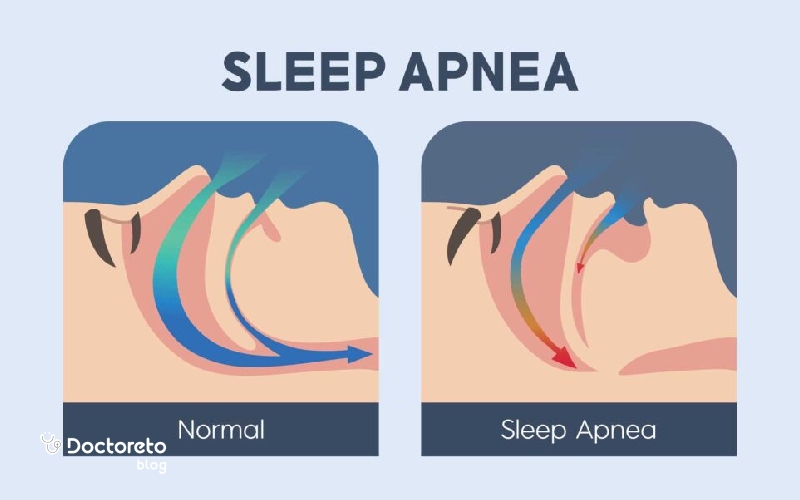
If tonsillitis, especially the bacterial type, is not treated, the infection can spread to nearby tissues and cause an abscess (collection of pus) behind the tonsil, making it difficult to open the mouth. One of the more serious complications of tonsillitis is rheumatic fever, which damages joints and heart valves. Also, chronic swelling of the tonsils leads to obstructive sleep apnea in the long term, which severely affects the quality of sleep and concentration of a person by temporarily stopping breathing.
In most cases, tonsillitis does not cause serious complications. But in some people, especially those with immune system defects, swelling and inflammation of the tonsils can sometimes lead to complications such as the following:
Chronic enlarged tonsils can cause airway obstruction and obstructive sleep apnea
Pertonsillar abscess
Tonsil stone
cellulitis of the tonsils
In people with untreated bacterial tonsillitis, there is a higher risk of developing:
Reactive arthritis after streptococcal infection (joint pain and swelling that occurs within 10 days after streptococcal infection).
Rheumatic fever
Scarlet fever
Kidney inflammation
Conclusion
Tonsillitis is a common complication, especially in children and teenagers. Swelling of the tonsils is the result of a viral or bacterial infection of the tonsils and is usually associated with problems such as fever, sore throat and swallowing problems. In most cases, this swelling resolves after a short period and only with home care. But when the cause is a bacterial infection, drug treatment with oral or injectable antibiotics may be needed.
Your doctor takes care of your health!
Frequently Asked Questions
Sometimes infection or inflammation affects only one of the tonsils and causes swelling of one of them. will be Viral or bacterial infection is the cause of unilateral tonsillitis.
No, left and right tonsillitis are not different and can only be closed Depending on the severity of inflammation and swelling in the tonsils, the amount of pain and swelling of the tonsils may be different.
Children have a weaker immune system and are more exposed to viruses and bacteria. have For this reason, they are more prone to tonsillitis.
No, a cold does not always cause tonsillitis. The severity and type of cold virus is different; Therefore, it does not always lead to tonsillitis.
In most cases, the cause of tonsillitis after oral sex is infections caused by It is sexually transmitted diseases. In some rare cases, sexually transmitted infections such as gonorrhea or chlamydia can involve the pharynx and require medical evaluation.
I am Farzaneh, 30 years old and I love the world of SEO and content writing, and I am curious to learn new things. Regardless of any contract, law and special style. The virtual world and the Internet have provided me with an opportunity to be with the best teams, where I can feel the feeling of getting better and improving my job with all my heart every day without any worries. I am proud to achieve this pure feeling with your good team.