How is the physiotherapy of Charcot-Marie-Tooth disease? Radin Physiotherapy Clinic

Radin Physiotherapy Center
تهرانMohammad Dehghani - Physiotherapist
How is the physiotherapy of Charcot-Marie-Tooth disease?
- Category: Physiotherapy services, articles
- Publication date: June 14, 2024
- Duration of study: 8 minutes

 Study time: 8 minutes
How is the physiotherapy of Charcot-Marie-Tooth disease?
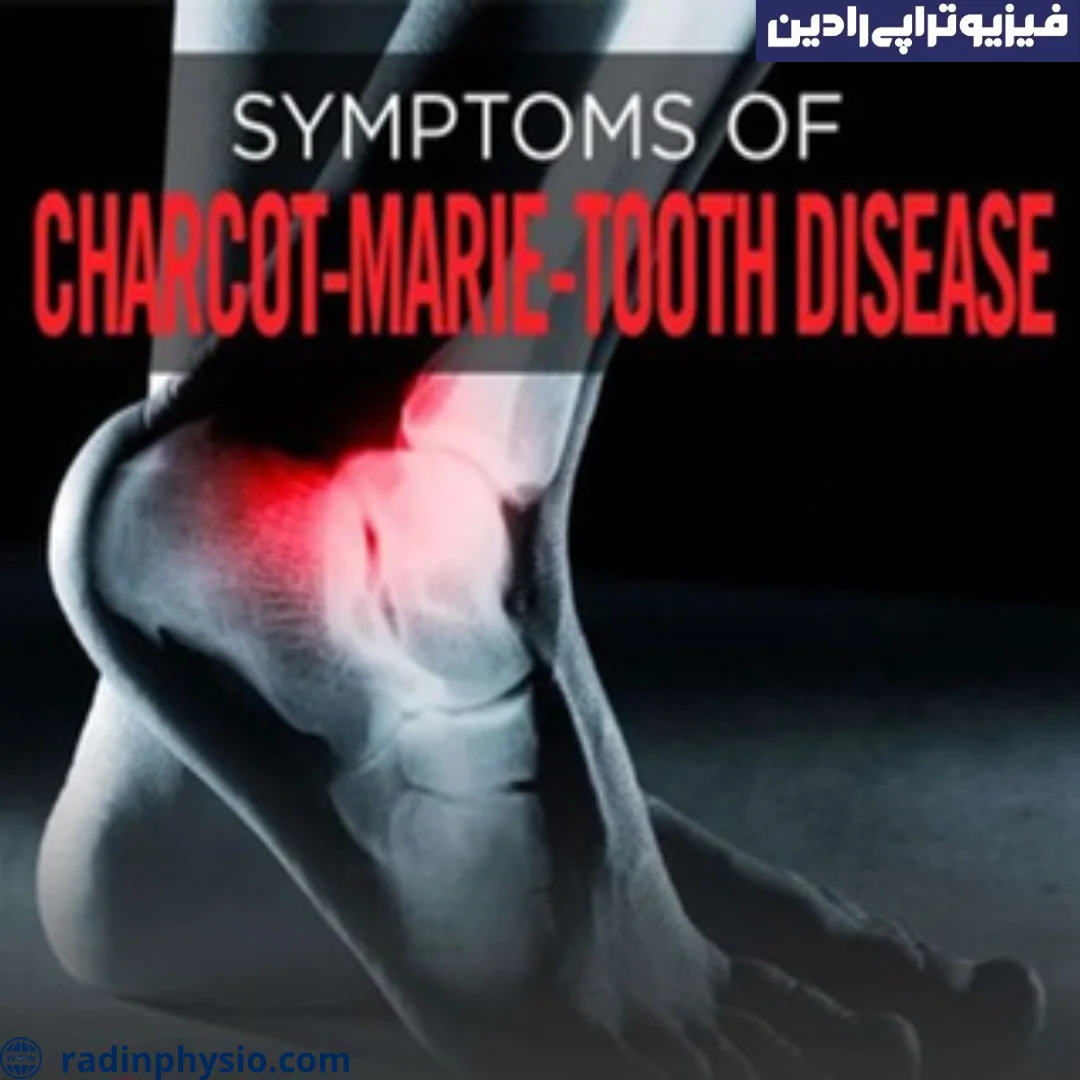
How effective is Charcot-Marie-Tooth physiotherapy in treating this disease? Charcot-Marie-Tooth disease (Chamat) is a rare and hereditary disease that affects the nervous system. This disease is named after two German-born authors, Hans-Heinrich Charcot and Marie-Toth. Charcot-Marie-Toth disease is a progressive neurological disorder that gradually reduces the function of the central nervous system. This disease is inherited and usually begins in childhood or adolescence.
Charcot-Marie-Tooth disease symptoms and signs may include movement disorders such as tremors, inability to walk, imbalance, and decreased neurological function, including memory problems, concentration, speech disorders, and personality changes. Also, some patients may have vision, hearing, and cardiovascular problems.
Unfortunately, Charcot-Marie-Tooth disease does not currently have a complete cure, and it gradually worsens over time. However, treatments such as physical therapy, rehabilitation, counseling and symptom management can help reduce the effects of the disease and improve the quality of life of patients.
The life expectancy of patients with Charcot-Marie-Tooth disease is different and strongly depends on the severity of the symptoms and the progress of the disease. In some cases, patients can lead relatively independent lives into adulthood, while in other cases, the disease may lead to serious limitations and disabilities. The treatment team of a neurologist and other relevant professionals can determine the appropriate plans to manage and support the patient.

 Consultation and appointment booking
Call 26247611
Consultation and appointment booking
Call 26247611
How many types of Charcot-Marie-Tooth disease are there?
Charcot-Marie-Tooth (Chamat) disease actually has several different types. These types are divided based on hereditary factors and various genetic changes that exist in patients. Below are some common types of Charcot-Marie-Tooth disease:- Type 1 (SMN1-related SMA): This type is the most common and most frequent type of Charcot-Marie-Tooth disease. In this type, changes in the SMN1 gene cause a decrease or insufficient amount of motor neuron protein (SMN) in nerve cells. Type 2 (SMN2-related SMA): In this type, the ratio of SMN2 to SMN1 is higher, but there is still a lack of SMN protein. This type is usually associated with childhood onset and can vary in severity.
- Type 3 (Kugelberg-Welander disease): This type is rarer and is also known as Charcot-Marie-Toth type 3 disease. The onset of symptoms in this type usually occurs at an older age (after the age of two) and the symptoms progress gradually.
- Type 4 (adult-onset SMA): This type is less common and its symptoms appear in adulthood. In general, symptoms in this type progress at a lower rate than in other types.
Consultation and appointment booking Call 26247611
What are the symptoms of Charcot Marie Tooth?
Charcot-Marie-Tooth (Chamat) disease may be associated with various signs and symptoms. These signs and symptoms may vary in intensity and form in different people. Below are some of the common symptoms of Charcot-Marie-Tooth disease:Muscle weakness
Muscle weakness is one of the main symptoms of Shammat disease. This weakness may begin in childhood and gradually worsen over time. People may have problems with movement, walking, holding objects and balance.
Shake
Muscle tremors may occur in patients with shamat, especially in the hands and feet. This tremor is usually seen in childhood.
Imbalance and reduced movement ability
Patients with Shammat disease may have imbalance and have problems with movement and motor control. These problems can reduce the ability to walk and perform daily activities.
Respiratory problems
Some patients with Charcot-Marie-Tooth may have breathing problems. These problems can be caused by weakness of respiratory muscles and cause breath sounds, respiratory weakness and other problems in breathing.
Digestive problems
Some patients may have digestive problems such as muscle weakness in the digestive tract. These problems can lead to stomach problems, blood sugar, and changes in diet.
Neurological problems
Some patients may have neurological problems such as reduced memory, concentration and learning ability, speech disorders and personality changes.


What is the cause of Charcot-Marie-Tooth?
Charcot-Marie-Tooth (Chamet) disease occurs due to genetic inheritance and changes in the SMN1 (Survival Motor Neuron 1) gene. The SMN1 gene is responsible for the production of motor neuron protein (SMN), which plays an important role in the function of nerve and muscle cells. Generally, Shammat disease occurs due to having two insufficient or defective copies of the SMN1 gene in patients. This deficiency can be due to the deletion or change in the SMN1 gene. There is another version of the SMN gene called SMN2, but due to the difference in its structure, a smaller amount of SMN protein is produced.
Decreasing the amount of SMN protein in nerve and muscle cells causes muscle weakness in patients with Schmet. The exact cause of the decrease in the amount of SMN protein in patients with Shammat is still not fully known, but this decrease is related to the incorrect function of the SMN1 gene and the diverse effect it has on the production of the SMN protein.
It is important to know that Shammat's disease is inherited to the next generation and is usually transmitted in an autosomal recessive manner, which means that in order to develop Shammat's disease, the patient must receive two insufficient copies of the SMN1 gene, one copy of each Parent.
If you or someone in your family has or is suspected of having Schmet disease, genetic counseling and tests with a genetics specialist can help you better understand the hereditary roots of the disease and the risk of passing it on to the next generation.
Charcot Marie Tooth treatment methods
Currently, there are treatments for Charcot-Marie-Tooth (Chamat) disease that can improve symptoms and slow disease progression. Below, we mention some treatment methods that are currently used:Muscular support and regeneration treatment
This type of treatment includes physical therapy, rehabilitation exercises, massage, and other techniques that help strengthen muscles and improve movement and muscle control. These treatments can improve muscle weakness and its effects on daily movement and function.

Pharmaceutical treatment
There are currently two FDA-approved medications available to treat sciatica. The drug Nusinersen (brand name Spinraza) is used as an injectable drug that helps produce the SMN protein. The drug Risdiplam (brand name Evrysdi) is also used as an oral drug that also affects the production of the SMN protein. These drugs can improve symptoms and stop or reduce the progression of the disease.
Targeted gene therapy
There are treatments being developed that directly affect the SMN gene. These methods include genetic therapies such as gene therapy and genetic editing (such as CRISPR-Cas9). These methods aim to increase the amount of SMN protein in the patient's cells.
It is important to know that each treatment may be different based on the severity of the disease and the individual characteristics of each patient. Consultation with a specialist doctor and treatment team can help you determine the right treatment plan for you or the affected person.
Physiotherapy treatment of Charcot-Marie-Tooth disease
Charcot-Marie-Tooth (Chamat) treatment with occupational therapy and physiotherapy can improve disease symptoms, strengthen muscles, improve movement and muscle control, and improve patients' quality of life. Below, we mention methods of occupational therapy and physiotherapy that may be used in the treatment of shamat:
- Physiotherapy and rehabilitation exercises: Rehabilitation exercises and physiotherapy are performed with the aim of strengthening weak muscles and improving movement and muscle control. These exercises can include range of motion exercises, muscle strength exercises, balance and muscle control exercises, and movement coordination exercises. Physiotherapy is performed regularly and continuously to be more effective. Massage and related techniques: Massage and techniques such as water massage, manual massage, muscle stretching, and breathing techniques can help improve muscle flexibility, reduce muscle tension, and increase ease of movement. Providing assistive devices: Using assistive devices such as scooters, wheelchairs, and other assistive devices can Help patients with sciatica to move and participate in daily activities.
- Counseling and education: Counseling and teaching the patient and his family about methods of managing symptoms of the disease, care techniques and home exercises can help improve daily functioning and quality of life.
Note that every sciatica patient needs a personalized treatment plan. The specialized treatment team will determine the appropriate treatment plan by examining your condition and your specific needs. By consulting and collaborating with a doctor and a specialist treatment team, you can identify the best treatment methods for you. Charcot-Marie-Tooth (Chamat) syndrome with occupational therapy and physiotherapy can improve the symptoms of the disease, strengthen muscles, improve movement and muscle control, and improve the quality of life of patients.
Compression therapy is a treatment method that is used in some cases for Charcot-Marie-Toth patients. In shamat, muscles become weak and may cause problems in the functioning of the nervous and muscular system. By using alternating pressure and limiting muscle movement, compression therapy can help strengthen muscles and improve motor function. The benefits of compression therapy in Charcot-Marie-Tooth disease include the following: Read about compression therapy. Physiotherapy plays a very important role in the recovery and treatment of Charcot-Marie-Tooth (Chamat) disease. Physiotherapy includes strengthening and flexibility exercises and techniques that accelerate recovery and help reduce symptoms and pain. Usually, the physiotherapist will prescribe specific exercises for you to do on a regular basis. You can contact the specialist Radin clinic to speed up your recovery with the best techniques and equipment by booking an appointment with the cooperation of the experienced staff. You can also use the services of contact the clinic get an appointment Instagram 
Compression therapy of Charcot-Marie-Tooth disease


Concluding remarks
Physiotherapy with insurance Supplemental
Physiotherapy with Asia Insurance Physiotherapy with social security insurance Physiotherapy with armed forces insurance Physiotherapy with Kausar Insurance Physiotherapy with teacher insurance Physiotherapy with entrepreneur insurance Physiotherapy with Sepeh Bank Insurance Physiotherapy with cooperative insurance Physiotherapy with Mellat Insurance Physiotherapy with Refah Bank Insurance Physiotherapy with SOS insurance Physiotherapy with Sarmad insurance Physiotherapy with Saman Insurance Physiotherapy with new business insurance Physiotherapy with Razi Insurance Physiotherapy with Salem city insurance Physiotherapy with Arman Insurance Physiotherapy with Bank Melli Insurance Physiotherapy with modern insurance Physiotherapy with Dana Insurance Physiotherapy with Parsian Insurance Physiotherapy with Sina Insurance Physiotherapy with Alborz Insurance
- Tags: water Treatment of Charcot-Marie-Tooth disease, types Charcot-Marie-Tooth disease, Therapy for Charcot-Marie-Tooth disease
You can contact Radin Physiotherapy Clinic for more information and to get an appointment
5 4 votes The score of this article 0 comments The most votes Newest Oldest Feedback (Feedback) View all commentsTable of contents


href="https://radinphysio.com/%d9%81%db%8c%d8%b2%db%8c%d9%88%d8%aa%d8%b1%d8%a7%d9%be%db%8c-%d8%b4%da%a9%d8%b3%d8%aa %da%af%db%8c-%da%a9%d9%81-%d9%be%d8%a7-%d8%b4%da%a9%d8%b3%d8%aa%da%af%db%8c-%d8%a7%d8%b3%d8%aa%d8%ae%d9%88%d8%a7/> What is a foot fracture (metatarsal bone fracture)? Physiotherapy of foot fracture (metatarsal bone fracture)


What is a leg fracture? Physiotherapy of leg fracture
Read more

Physiotherapy in patella dislocation
Read more

How is wrist and radial nerve physiotherapy?
Read more
What is osteonecrosis of the knee or avascular necrosis of the knee? How is the physiotherapy of knee osteonecrosis?
Read more

What is spinal stenosis? Physiotherapy for spinal stenosis
Read more

What is swelling behind the elbow or olecranon bursitis?
Read moreOther educational articles
How is the treatment of tennis elbow through physiotherapy?
Study time: 10 minutes Treating tennis elbow or tennis elbow using physical therapy is an effective way to help you reduce pain, improve your performance, and return to your daily activities. This treatment includes strengthening and stretching exercises, corrective techniques, and physical therapy performed by an experienced and expert physiotherapist (Radin Physiotherapy).
What is takar therapy? The best Tekar therapy center in Tehran
Study time: 4 minutes, one of the types of treatments used in medical and physiotherapy centers is takar therapy. This method affects a wide range of physical conditions that affect the spine, muscles, joints, bones and other areas, and with this therapeutic approach, the injuries of these areas are treated.
What is a rotator cuff tear in the shoulder? How is physiotherapy done for a rotator cuff tear?Study time: 7 minutes What is a rotator cuff tear in the shoulder and how is physiotherapy done for a rotator cuff tear in the shoulder? A rotator cuff tear is a common shoulder injury that is generally described as an injury to the muscles and ligaments that make up the rotator cuff. The rotator cuff is a set of four muscles that start from the top and back of the shoulder and are located as a muscle barrier in the upper part of the shoulder. These muscles include supraspinatus, infraspinatus, teres minor, and subscapularis.
How is varicose vein physiotherapy done?
Study time: 3 minutes. Some of the body's problems are caused by vascular problems that cause many discomforts and diseases in different parts of the body. Varicose veins are one of these problems that can be caused by environmental, genetic or lifestyle factors and cause discomfort, pain and deformity of the body. In the following, we will discuss more about varicose veins physiotherapy...