2. Avoiding strong movements of the jaw
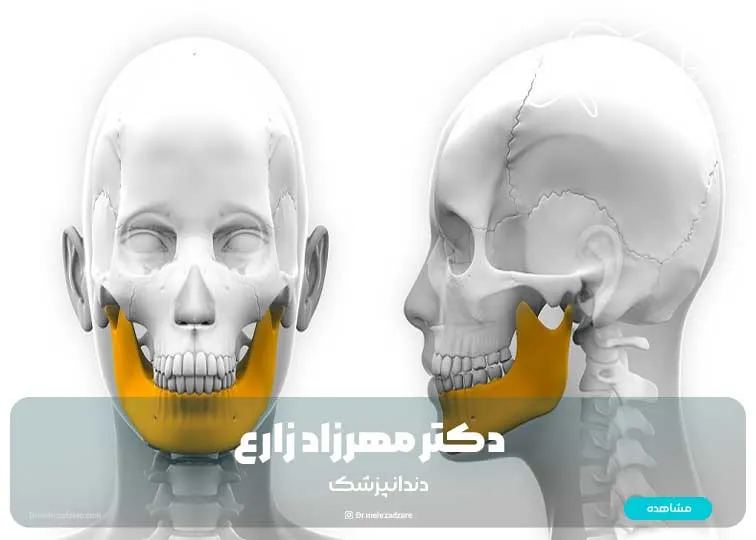
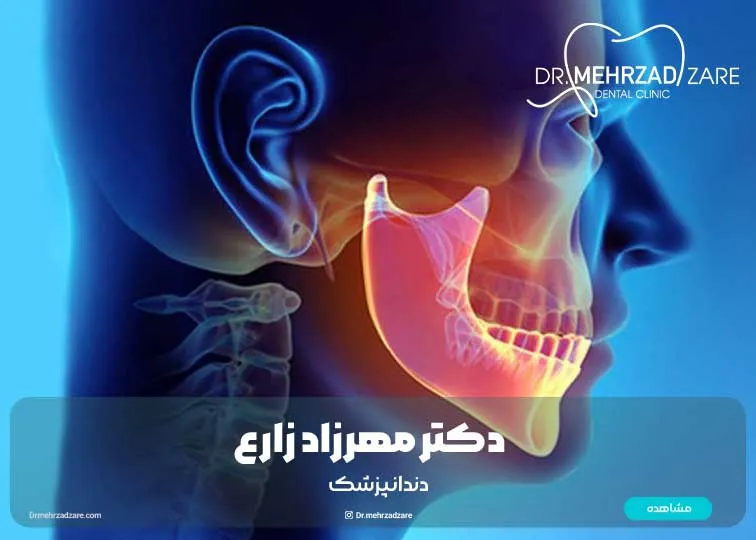
Opening the mouth too much or chewing hard foods puts a lot of pressure on the jaw joint. Choosing softer foods and chewing slowly helps joint health.
3. Maintaining correct posture
When a person moves his head forward while working with a mobile phone or laptop, a lot of pressure is created on the jaw joint. Maintaining the alignment of the head and neck prevents this pressure.
4. Use of dental protection
Night dental guard prevents wear of teeth and excessive pressure on the joint. The dentist can make a special protector for each person.
Treatments for locked jaw Done

1. Non-surgical treatments
A. Physiotherapy
Physiotherapist restores normal jaw movement with stretching exercises and manual techniques. By massaging the chewing muscles and controlling movements, he removes the jaw from the locked position. Exercises such as slowly opening the mouth and moving the jaw to the sides increase joint flexibility.
b. Drug therapy
The doctor prescribes anti-inflammatory drugs or muscle relaxants to reduce pain and inflammation. Taking medicine helps the patient to perform physical therapy exercises more easily.
C. Heat and cold therapy
Using a warm compress relaxes muscles and increases blood circulation. Cold compress reduces inflammation and swelling. The combination of these two methods has good results in many patients.
D. Home exercises
The patient can perform a few simple movements daily; For example, open the mouth slowly, put the tongue on the roof of the mouth and move the jaw left and right. These exercises keep the muscles strong and the joint soft.
2. Alternative therapies
A. Massage therapy
Gentle massage of jaw, cheek and neck muscles improves blood flow. A person can massage these areas with circular movements for a few minutes a day.
b. Acupuncture
Acupuncture by stimulating specific points of the body increases the release of endorphins and reduces pain. Many patients feel better after a few sessions.
C. Lifestyle modification
Sufficient sleep, avoiding nail biting and reducing caffeine consumption have a positive effect on the health of the jaw joint. When the body is in a relaxed state, the jaw muscles work more easily.
3. Surgical treatments
If non-surgical methods do not work, the doctor uses methods such as joint lavage (arthrocentesis), arthroscopy or open surgery. In these methods, the surgeon corrects the position of the disc with precise tools and removes the inflammation. These methods are performed only when simpler treatments are not effective.
Conclusion
A locked jaw is an annoying problem, but one can treat it with awareness and timely action. A quick visit to a doctor or physiotherapist, performing appropriate exercises and controlling stress will restore the function of the jaw joint. Every person can prevent the return of this complication by following preventive recommendations. Taking care of the jaw joint means maintaining the ability to speak, smile and eat normally.
Ten frequently asked questions about locked jaw
-
Why does my jaw suddenly lock?
Because the disc or jaw muscles are getting cramped.
-
Can physical therapy open the jaw?
Yes, a physical therapist can do this with exercise and massage.
-
Does stress really cause this condition?
Yes, stress makes the jaw muscles contract.
-
What exercises are useful for improvement?
Slow opening of the mouth and soft lateral movements of the jaw.
-
Does this condition go away by itself?
Sometimes yes, but most of the time it needs treatment.
-
Is teeth grinding the cause of this problem?
Yes, the resulting pressure irritates the joint.
-
Can the problem be prevented from returning?
Yes, by reducing stress and using a dental guard.
-