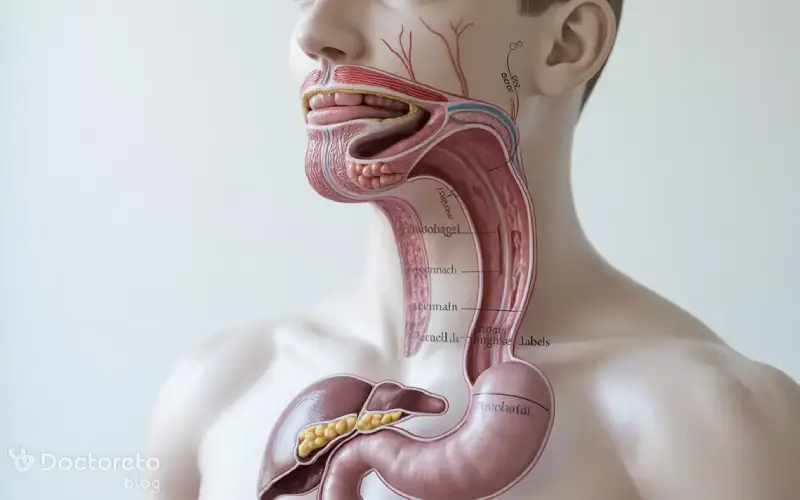
The digestive system plays a key role in digesting food, absorbing nutrients and maintaining the general health of the body. Dysfunction of this system leads to symptoms such as indigestion, bloating, reflux, constipation or diarrhea, each of which has significant effects on daily life. The use of medicine to strengthen the digestive system becomes necessary here. Gastrointestinal drugs have different mechanisms depending on the type of problem; Some reduce the secretion of stomach acid, some regulate bowel movement, and another group helps improve digestive function by replacing enzymes or beneficial bacteria. Choosing the right drug should be done based on the underlying cause of the disease and after the doctor's evaluation. In this article, it will be fully reviewed by your doctor.
The best drugs to strengthen digestion by problem
Drugs that strengthen the digestive system are selected based on the symptoms of the disease and the diagnosis of a specialist doctor. For example, in people with high stomach acid, peptic ulcers, or chronic reflux, proton pump inhibitors (PPIs) create a more favorable environment for gastrointestinal mucosal repair by reducing gastric acid secretion.
These drugs are considered one of the most effective options in the treatment of acid-dependent gastrointestinal diseases. On the other hand, in functional problems such as bloating, indigestion or intestinal motility disorder, drugs such as prokinetics, antiflatulents or enzyme supplements are more useful.
دارو برای سوء هاضمه و سنگینی معده
دارو برای رفلاکس و سوزش معده
دارو برای نفخ و گاز روده
medicine for constipation
medicine for diarrhea
Choosing the drug to strengthen the digestive system should be done according to the cause of digestive problems.
1. دارو برای سوء هاضمه و سنگینی معده
Functional dyspepsia is usually accompanied by a feeling of fullness, heaviness, epigastric pain or nausea. Prokinetic drugs such as metoclopramide or domperidone reduce symptoms by increasing gastric emptying and improving upper gastrointestinal motility. In addition, acid-reducing drugs such as H2 blockers or low-dose PPIs are helpful in some patients.
Studies have shown that combining drug therapy with lifestyle modifications, such as reducing large meals, increases the effectiveness of indigestion treatment.
2. دارو برای رفلاکس و سوزش معده
Gastroesophageal reflux disease (GERD) occurs when stomach acid backs up into the esophagus, causing irritation and inflammation. Proton pump inhibitors such as omeprazole, esomeprazole and pantoprazole are the first line of treatment and medication for gastroesophageal reflux and by strongly inhibiting acid secretion, they restore Esophageal mucosa helps.
In milder cases or occasional symptoms, antacids and blockers such as famotidine are effective. Clinical evidence shows that long-term use of PPIs should be done only under the supervision of a doctor, because it may be associated with an increased risk of gastrointestinal infections or deficiency of certain micronutrients.
English text: Proton pump inhibitors are the most effective medicines for treating GERD. Persian translation: Proton pump inhibitors are the most effective medicines for treating gastroesophageal reflux.
Intestinal bloating and gas accumulation are often caused by fermentation of carbohydrates, food intolerance or intestinal functional disorders. By reducing the surface tension of gas bubbles, Simticone facilitates the elimination of gas and reduces the feeling of bloating and is highly safe. In addition, probiotics reduce bloating in some people by regulating the intestinal microbial flora. Some probiotic strains are effective in reducing gas and abdominal discomfort, especially in irritable bowel syndrome.
4. Medicine for constipation
Chronic constipation can be the result of reduced bowel movements, insufficient fiber intake, or neuromuscular disorders of the bowel. Bulk laxatives such as psyllium are considered the first treatment choice by increasing the volume of stool and stimulating bowel movements. In more resistant cases, osmotic laxatives such as lactulose or polyethylene glycol facilitate elimination by increasing water in the colon. Long-term use of constipation drugs and stimulant laxatives should be limited to avoid bowel dependence.
5. Medicine for diarrhea
Diarrhea is often the result of infection, inflammation, or malabsorption. Loperamide drug is used in non-infectious diarrheas by reducing intestinal movements and increasing the transit time of the contents and reduces the frequency of defecation. Along with treatment, fluid and electrolyte compensation also plays an important role. Scientific sources emphasize that in infectious diarrheas or with fever and blood in the stool, the use of anti-motility drugs should be done with caution and under the supervision of a doctor.
Type of drug
Type of effect on the digestive system
Proton pump inhibitors (PPI)
Strongly reducing gastric acid secretion and helping to repair the mucosa of the stomach and esophagus
Receptor blockers H2
Moderate reduction of gastric acid secretion
Antacids
Rapid neutralization of gastric acid and short-term symptom relief
Prokinetic drugs
Increasing gastric and intestinal movements and accelerating gastric emptying
Volume laxatives
Increasing stool volume and Stimulation of natural bowel movements
Osmotic laxatives
Increasing water in the large intestine and softening stool
Stimulating laxatives
Direct stimulation of the intestinal wall to increase excretion
Antidiarrheal drugs
Decreasing bowel movements and increasing absorption time Liquids
Probiotics
Regulate intestinal microbial flora and improve intestinal barrier function
Prebiotics
Nutrition beneficial intestinal bacteria and improve microbial balance
Digestive enzymes
Help digest food in deficiencies Enzyme
Antispasmodic drugs
Reducing painful intestinal contractions and relieving abdominal pain
In this table, the types of drugs used for the digestive system are examined.
Common supplements to strengthen the digestive system
Digestive supplements such as probiotics, prebiotics and digestive enzymes are taken to improve gut health. Probiotics improve intestinal barrier function and local immune response by modulating gut microbiome. Digestive enzymes also play an important role in people who have enzyme deficiency (such as lactose intolerance or pancreatic insufficiency) as a medicine to strengthen the digestive system.
Drug to strengthen digestive system for children
In children, digestive problems are often functional in nature, and drug selection should be done more carefully. Medicines such as probiotics have been investigated in the treatment of infantile colic, infectious diarrhea and some functional intestinal disorders in children and have shown relatively positive results. The dose of medicine and the duration of use should be adjusted according to the age and weight of the child in order to avoid possible side effects.
Medication to strengthen the digestive system for the elderly
In the elderly, physiological changes, simultaneous use of several drugs and chronic diseases affect the function of the digestive system. Constipation, reflux and indigestion are more common in this age group and often require drug treatment. The choice of digestive medicine in the elderly should be done considering drug interactions and side effects. Studies have shown that long-term use of proton pump inhibitors in the elderly increases the risk of bone fractures or vitamin B12 deficiency.
English text: Gastrointestinal stimulants are drugs that increase motility of the gastrointestinal smooth muscle, without acting as a purgative. These drugs have different mechanisms of action but they all work to move the contents of the gastrointestinal tract faster. Persian translation: Gastrointestinal stimulants are drugs that increase the motility of the smooth muscles of the gastrointestinal tract, without acting as laxatives. Although these drugs have different mechanisms of action, they all work to make the digestive tract move faster.
Arbitrarily taking medicine to strengthen the digestive system does not have a good result.
conclusion
Strengthening the digestive system with appropriate drugs and supplements can help improve digestion, reduce symptoms such as bloating, constipation or indigestion, but the choice depends on the underlying cause. Probiotics (such as Lactobacillus and Bifidobacterium strains) and digestive enzymes (such as amylase, lipase and protease) are among the most effective options as gastrointestinal tonics to support intestinal flora and better digestion. Probiotics restore the balance of beneficial bacteria and reduce the symptoms of digestive disorders. For the next step, be sure to consult with a gastroenterologist or internist to prescribe the appropriate supplement or medication (such as reputable probiotics or digestive enzymes) based on symptoms and tests. This safe approach prevents complications and ensures long-term digestive health.
Your doctor takes care of your health!
Frequently Asked Questions
Long-term use of some digestive drugs, especially proton pump inhibitors, with side effects such as substance deficiency Minerals are associated with an increased risk of gastrointestinal infections and a change in the gut microbiome. Therefore, daily consumption should be done only with the doctor's prescription.
Yes, digestive enzymes help with bloating and indigestion. They help break down food more effectively, digest food, and reduce gas. Digestive enzyme supplements seem to improve a variety of abdominal symptoms, including bloating, gas, and irregular bowel movements, as well as overall gut health.
Antacids are useful for quick and short-term relief of mild reflux symptoms. In chronic or severe cases, acid-reducing treatments such as PPIs are more effective and should be used under medical supervision.