Colorectal cancer screening - Dr. Karamati, colorectal surgery specialist

Dr. Mohammadreza Karamati
تهرانColorectal surgery fellowship
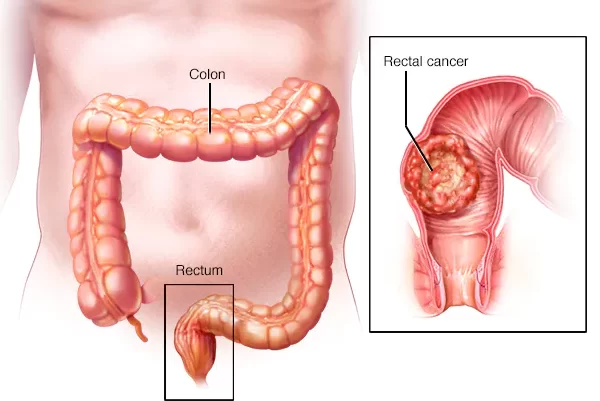
Screening for colorectal cancers (colon and rectum)
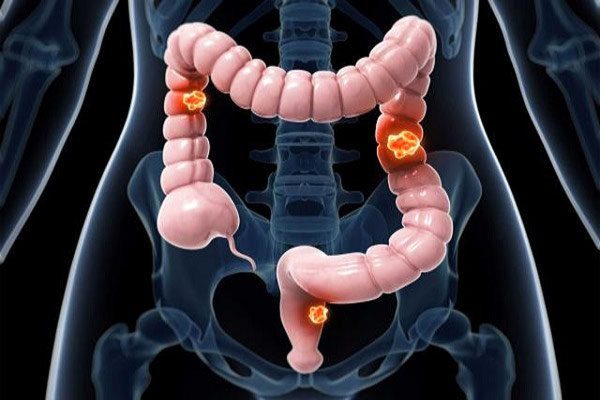
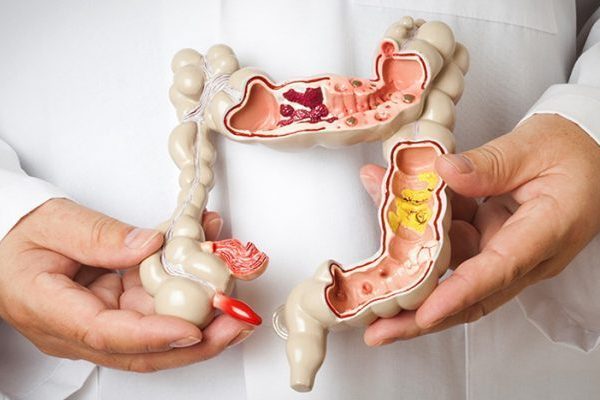
Cancers of the large intestine (colon) and rectum (rectum) first appear as very small lesions or even as small and non-cancerous (benign) polyps in the large intestine. Over time and if not diagnosed or followed up in the early stages, these lesions and polyps gradually grow and can turn into cancer.
These early polyps and lesions may be asymptomatic. For this reason, regular screenings are recommended for all individuals to prevent colon cancer by identifying and removing these polyps before they become cancerous. Screening has been shown to reduce the risk of death from bowel cancer.
Screening start time
Be sure to consult your doctor or surgeon about the time to start colon cancer screening.
Guidelines generally recommend that colon cancer screening begin at age 45. But people who are at higher risk should start screening earlier and do this screening with less intervals.
People who need to be screened earlier than usual for colon and rectal cancer:
- Family history of colon or rectal cancer
- Prior history of colon or rectal cancer in the patient himself
- History of genetic diseases related to colon or rectal cancer in oneself or the patient's relatives
- Inflammatory bowel diseases (ulcerative colitis or Crohn's disease)
- Patients with intestinal polyposis (multiple colon and rectal polyps)
- Patients with certain types of intestinal polyps
Colorectal cancer screening methods
There are different methods for colon cancer screening. These methods include examination of occult blood in stool, rectosigmoidoscopy and colonoscopy. If there is occult blood in the stool test, it will be necessary to perform a colonoscopy.
In general, the best and most accurate screening method is colonoscopy in people Without family or personal history and without risk factors, it is recommended every 10 years and for people with family history every 5 years. Of course, in certain diseases such as intestinal polyposis and inflammatory bowel diseases, according to the doctor's diagnosis, you may even be recommended to be screened with a colonoscopy annually.
The feature of colonoscopy is that in addition to the accurate diagnosis of polyps and small mucosal lesions in the early stages, those lesions can be completely removed during colonoscopy and the risk of these lesions becoming cancer in the future can be reduced or even completely eliminated.
Related words: