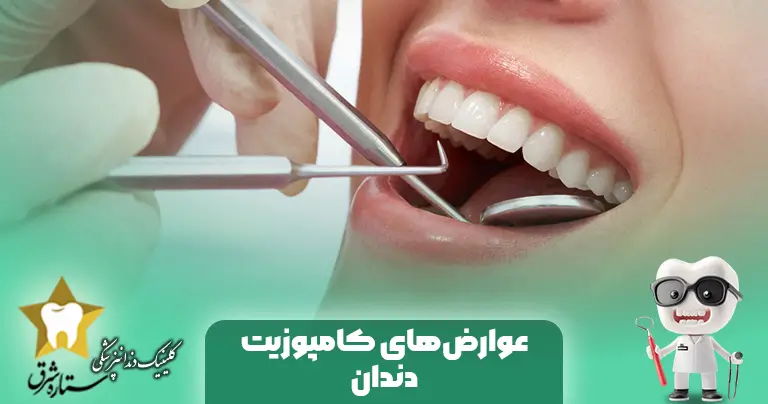
عوارض کامپوزیت دندان از موضوعات مهمی است که همواره ذهن افرادی که قصد زیباسازی لبخند خود را دارند، به خود مشغول میکند. Dental composite has been widely accepted as one of the most popular methods for smile correction, especially in the front teeth. This method has found a special place in cosmetic dentistry due to the speed of implementation, lower cost compared to other treatments and impressive results.
But the common question is, "Does dental composite have complications?" The answer to this question requires a detailed examination of the condition of the teeth, the dentist's skill and post-treatment care. In the following, we will introduce the dental composite, examine possible complications, conditions in which a person should not do composite, and tips to prevent problems.
What is dental composite?
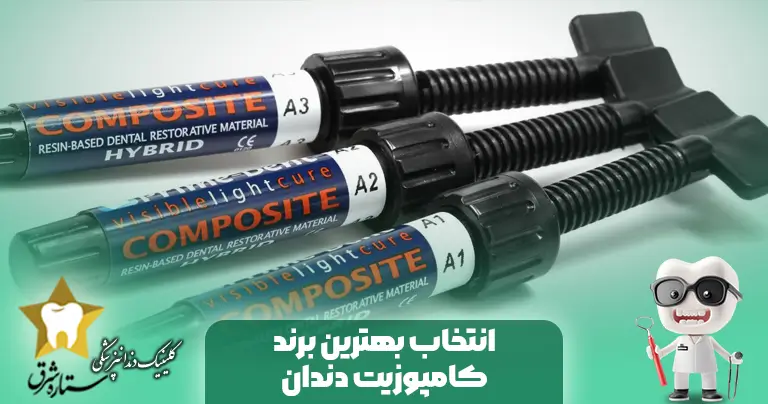
Dental composite is a paste-like material with a resin base, which is used to restore, reconstruct and beautify teeth. After this material is placed on the tooth, it hardens using a special light and gives a completely natural appearance to the tooth. Composite is widely used, especially in the front teeth; Because it helps to correct the color, shape, size and even close the distance between the teeth. One of the main advantages of this method is the less need to shave the teeth compared to ceramic treatments, although the skill of the dentist and the selection of the right people for this treatment play a decisive role in the success of the treatment.
composite teeth class="ez-toc-section-end">
Dental composite, along with all the benefits it brings for the beauty of the smile, may also have complications. Knowing the complications of dental composites will help you make a more informed decision and, if needed, receive more detailed advice from a dental specialist.
One of the complications of dental composite is sensitivity of teeth to heat or cold. In some cases, after placing the composite material on the tooth, the tooth enamel may become irritated and more sensitive to temperature changes. This sensitivity is usually temporary, but if it continues, it needs to be examined by a specialist. class="ez-toc-section-end">
Composites that are improperly shaped or have rough edges can cause gum inflammation and irritation. Swelling, redness or bleeding when brushing are symptoms of this problem. Observing oral and dental hygiene and modifying the composite form can help reduce this inflammation.
yeah The formation of the tooth under the composite
If the tooth composite is not attached properly to the tooth surface or small seams are created, the tooth underneath may change color or turn black due to the penetration of saliva, food particles and bacteria. This event not only affects the appearance of the tooth; It may also be a sign of hidden decay.
Change Discoloration and staining of composite for front teeth
Dental composite, especially in front teeth that are more visible, may change color or become stained due to excessive consumption of tea, coffee, colored foods or tobacco. Unlike natural teeth, composites do not have natural regeneration and restoration properties, and in case of discoloration, they must be polished or even replaced.
Fracture or chipping in the front teeth
Fracture or chipping of the front teeth are other complications of dental composite. Composite teeth are more sensitive to sudden pressure or impact, especially in the front. Biting hard materials or accidental damage can cause chipping or fracture of the composite. In these cases, there is usually a need to restore or rebuild the composite.
Tooth grinding in composite
Although in many cases, dental composite is done with minimal grinding; But in some situations, it is necessary to shave a larger amount of tooth enamel. This can cause permanent sensitivity, increase the risk of decay or decrease the strength of the tooth. For this reason, choosing a skilled dentist is very important.
rot Teeth due to lack of hygiene
If oral hygiene is not followed properly after the dental composite, the seams between the composite and the original tooth become a suitable place for the accumulation of plaque and bacteria. This condition can lead to the decay of the teeth below and even around the composite. Using the right toothbrush, dental floss and visiting the dentist regularly is one of the ways to prevent this complication. class="gform_heading">
Who should not do dental composite?
Dental composite is a great way to beautify the smile But it is not suitable for everyone. In some situations, doing dental composite can not have the desired result or even damage the health of the teeth. In this section, we examine who should not do composites.
With tooth decay or weak teeth
People with active tooth decay or very weak tooth structure are not good candidates for composites. Covering cavities with composites only hides the problems and leads to further tooth decay over time. Caries treatment or tooth strengthening should be done before the composite. They grind or put too much pressure on their teeth, they are not good candidates for dental composite. Continuous pressure can cause chipping, fracture, or even chipping of the composite. In this situation, using a night guard and treating jaw problems before composite is very important.
Uncontrolled or severe systemic diseases
People with uncontrolled diabetes or severe systemic diseases should be very cautious in choosing dental cosmetic procedures. Chronic diseases can disrupt the healing process of gums and teeth and increase the risk of inflammation or infection after composite treatment. Therefore, it is necessary to consult a dentist and doctor before making a decision.
Gum diseases, which are known as periodontal diseases, are one of the main obstacles for doing dental composite. Inflammation, infection or gingivitis causes the gum tissue to not support the teeth properly. In such a situation, there is no base needed to maintain the composite, and there is a possibility of the tooth composite breaking.
With poor oral hygiene
Dental composites require careful hygiene care. People who fail to observe oral and dental hygiene are at a high risk for tooth decay under the composite, gingivitis and discoloration of the composite.
People with very messy or crowded teeth are not suitable for composite. Composite on these teeth requires a lot of grinding, which increases the risk of damage to tooth enamel, decay and gum problems. In these cases, orthodontic treatment should be performed before the composite to obtain a beautiful and lasting result.
Dental composite removal can be associated with several complications that become more severe if careless. Among these complications, the following can be mentioned:
High sensitivity of teeth to heat and cold due to damage to tooth enamel
Thinning of the protective layer of the tooth
Creating an uneven surface on the tooth (which increases the risk of plaque accumulation and decay)
Breaking or cracking of the natural tooth structure
For this reason, the removal of the composite must be done with great care and by a dentist should be done by an expert to minimize the possibility of these injuries.
In order to have a successful dental composite experience and avoid problems such as sensitivity, fracture, or discoloration, it is necessary to observe a few points. In the first step, it is very important to choose an experienced dentist. Experienced specialists minimize the possibility of dental composite complications by choosing the best materials and correct techniques.
The second step is careful care after treatment; It means maintaining oral hygiene, using proper dental floss and toothbrush, and regular dental examinations. Also, avoiding bad habits such as chewing hard objects or drinking too much colored drinks can increase the durability of the composite and reduce the complications of dental composite.
After performing dental composite, it is very important to follow some behavioral points. Some wrong habits can shorten the lifespan of the composite or cause serious damage to its appearance and performance. In the following, we mention these habits:
Nails, or hard objects
Chewing on nails, pencils, pens, or other hard objects puts unnatural pressure on the surface of the composite. This habit causes the composite to crack, chip or break, especially in the front teeth.
A lot of colored foods
Drinks and foods such as coffee, strong tea, colored drinks and thick sauces can change the color and stain the dental composite over time. Frequent use of these materials increases the need for polishing or even replacement of the composite. class="ez-toc-section-end">
Using cigarettes or hookah changes the color of the composite, increases gum inflammation, and accelerates complications. Nicotine and chemicals in tobacco have a direct relationship with reducing the durability and beauty of composite.
For people who cannot use dental composite due to certain conditions, there are other treatment methods that can ensure the beauty of the smile and the health of the teeth.
Ceramic laminate: Ceramic laminates are more resistant than composite and offer a more natural appearance. Of course, their price is higher; But they offer longer life and less discoloration. People who are looking for a more permanent solution can consider this method.
Orthodontics:Orthodontics treatments can provide order and arrangement of teeth without the need for cosmetic covers. In cases where the irregularity is severe, it is better to use orthodontics before any cosmetic procedure.
Bleaching: Teeth bleaching or specialized whitening is also an excellent method for people who are only looking to brighten the color of their teeth. teeth bleaching does not require tooth sharpening and is considered a good choice to maintain the natural structure of the teeth. This method is performed at a lower cost than dental composite.
Consultation Composite in Setara Shargh Dentistry
If you are planning to have a dental composite and you are worried about the complications or suitability of this method for the conditions of your teeth, the best way is expert consultation before making a decision. In the best dental clinic in the East, all consultation and initial visit procedures are performed by a cosmetic dentist so that the condition of your teeth is carefully examined and the best treatment option is suggested. href="https://setareshargh.com/installment-dentistry/" target="_blank" rel="noopener">Installment Dentistry is intended to pay for treatment costs so that you can experience a beautiful and secure smile safely and without financial pressure. To get a dental composite consultation appointment with Setera Shargh, take action today.
Summary
Getting to know the complications of dental composite will help you make a smarter decision for the health and beauty of your smile. Tooth sensitivity, gingivitis, discoloration, and pale lips are among the problems that may arise if the wrong choice or insufficient care. Also, not all people are suitable candidates for this treatment; If you have gum disease, caries or jaw problems, it is very important to consult a specialist.
If you are thinking of doing dental composite and have questions about the price of composite or dental cost, you can call our clinic or fill out the consultation form so that our experts will contact you as soon as possible. We will accompany you in choosing the best beauty method. class="ez-toc-section-end">
Does gum disease prevent composite? Yes, gum disease (such as inflammation or gingivitis) can prevent the success of dental composite. Unhealthy gums cannot support teeth and composite materials properly and increase the risk of treatment failure and subsequent complications.
No, if the teeth are decayed, the decay must be treated first. Putting composites on decayed teeth, in addition to reducing the lifespan of the composite, can cause further decay and damage to the tooth structure.
Dental composite is recommended for children and teenagers in certain circumstances and only after the complete growth of the teeth and jaw bone. Usually, this treatment can be done after adolescence and with the approval of a dentist. Otherwise, the jaw changes may damage the composite.
This article has been reviewed by a specialist doctor and the scientific accuracy of its information has been confirmed. You can use this content with confidence.