

چاقی صرفا مسئلهای ظاهری نیست؛ سلامت قلب را به خطر میاندازد، خواب را زایل میکند، به مفاصل آسیب میزند و آرامآرام روحیه فرد را به هم میریزد. اگر بارها رژیم و ورزش را امتحان کردهاید و نتیجه نگرفتهاید، عمل اسلیو معده یک جراحی مؤثر، کمتهاجمی و کمخطر برای رهایی از چربی اضافه است. این جراحی بخش قابلاعتنایی از معده را برمیدارد تا زودتر سیر شوید و کمتر غذا بخورید. مهمتر از آن، کنترل دیابت نوع ۲، فشار خون و آپنه خواب را آسانتر میکند. In this guide, read about gastric sleeve surgery, the advantages and complications of this operation.
Read more: Introduction to types of weight loss surgery
Gastric sleeve operation What is it?
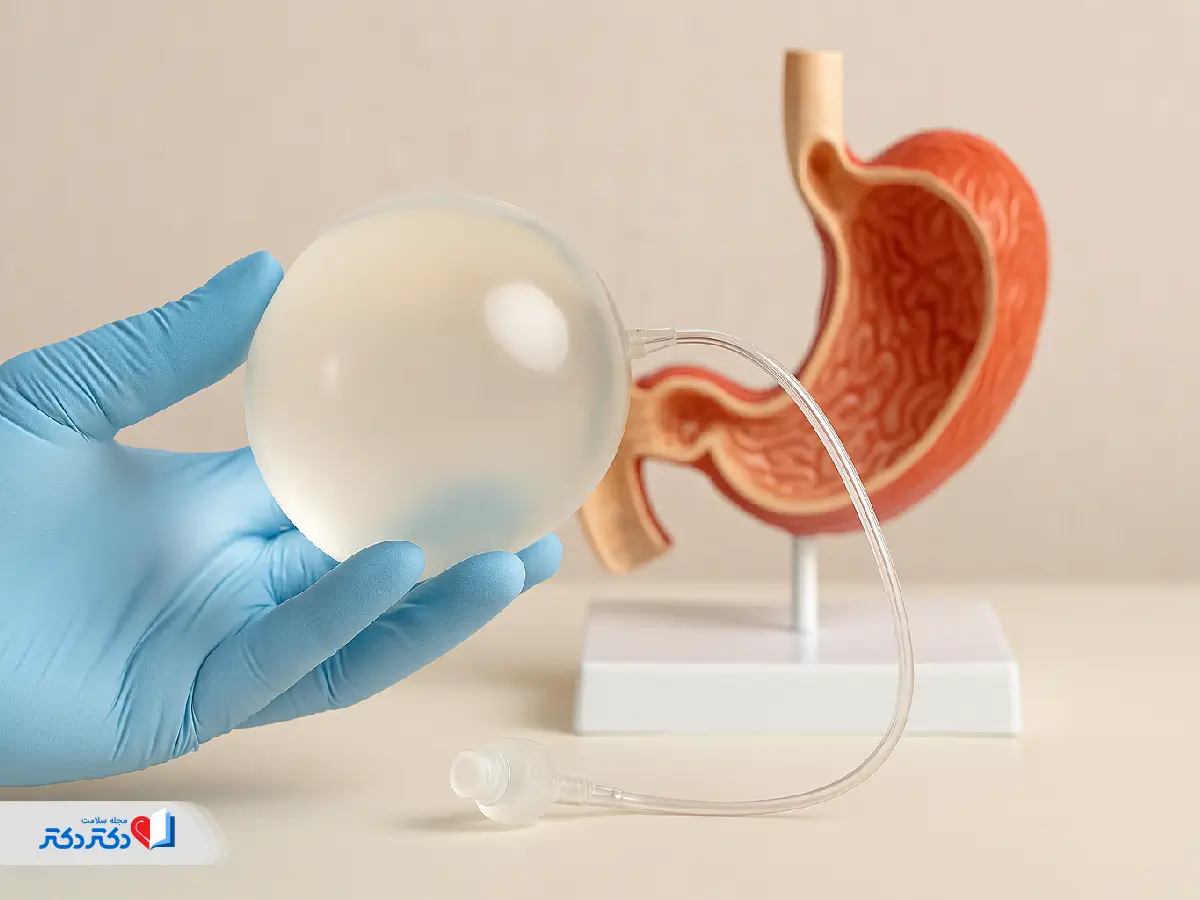
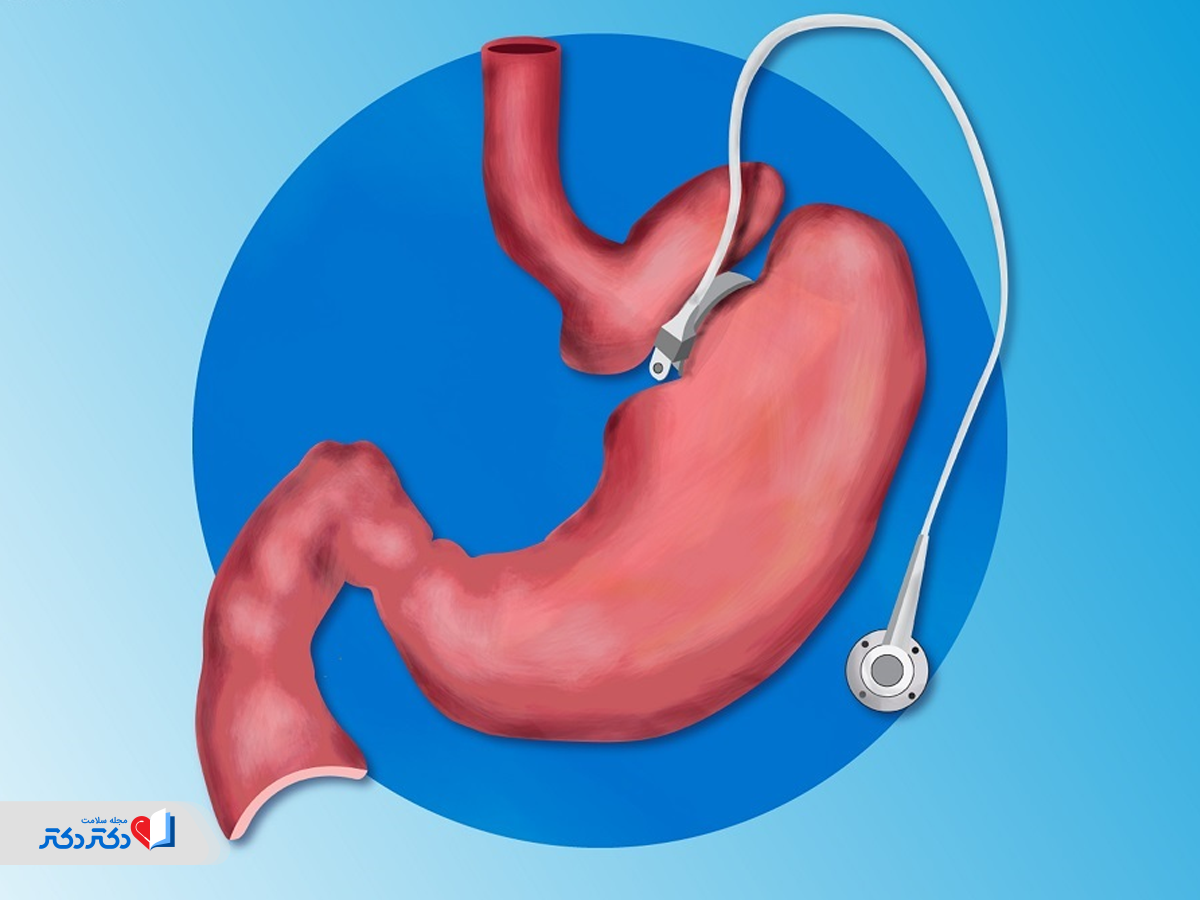
Stomach sleeve surgery with the scientific name "Sleeve Gastrectomy" is a slimming surgery. This procedure removes a significant part of the stomach and leaves a "sleeve" (in English, meaning sleeve). The purpose of this surgery is to limit calorie intake and reduce the hunger signal, and it is known as the best choice for removing severe excess weight associated with overeating.
In the gastric sleeve operation, in addition to the stomach shrinking and being satisfied with a smaller volume of food, hormonal changes also help to reduce weight. Diseases related to overweight such as
How to perform gastric sleeve surgery
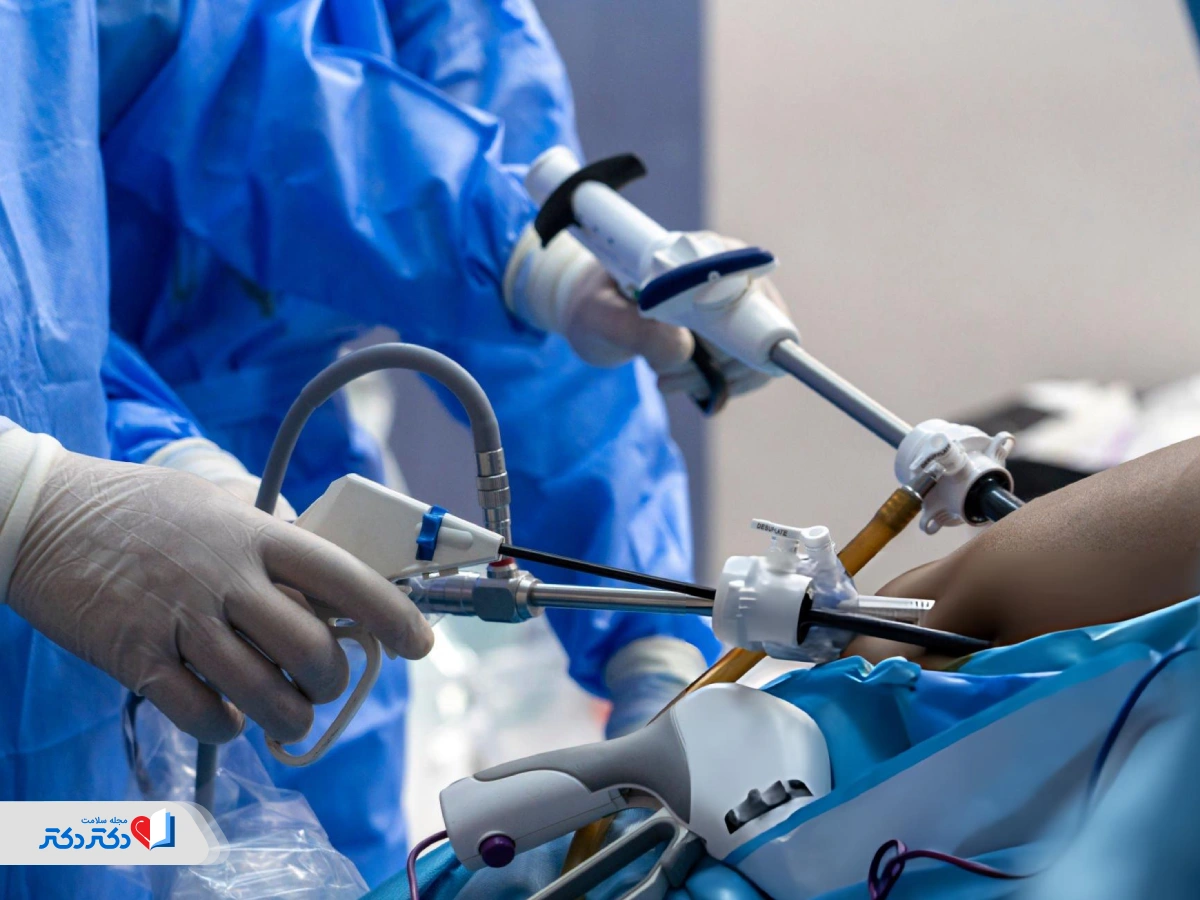
Gastrectomy is usually performed laparoscopically. This means that instead of making a large incision and accessing the abdominal cavity, the doctor makes several small incisions in the upper part of the abdomen to insert narrow surgical instruments through these incisions. The steps of the gastric sleeve operation are as follows:
- After general anesthesia, the surgeon makes a small incision on the abdomen and inserts a port into the incision. To expand the abdomen, carbon dioxide gas is pumped in through this port.
- A small video camera (laparoscope) enters the abdomen through the port so that the doctor can see the abdominal cavity on the screen.
- 1 to 3 more incisions are made on the abdomen and the ports are inserted to begin the surgery.
- The doctor measures the stomach; Then, using a surgical stapler, a significant part of the stomach is divided and separated. The remnants of the stomach are removed and the incisions are sutured.
How much of the stomach is removed in this operation?
In the sleeve gastrectomy operation, about 80% of the stomach is removed, and only a narrow tube like a banana remains. This tube is almost the size of a real banana.
Gastric sleeve surgery is suitable for who?
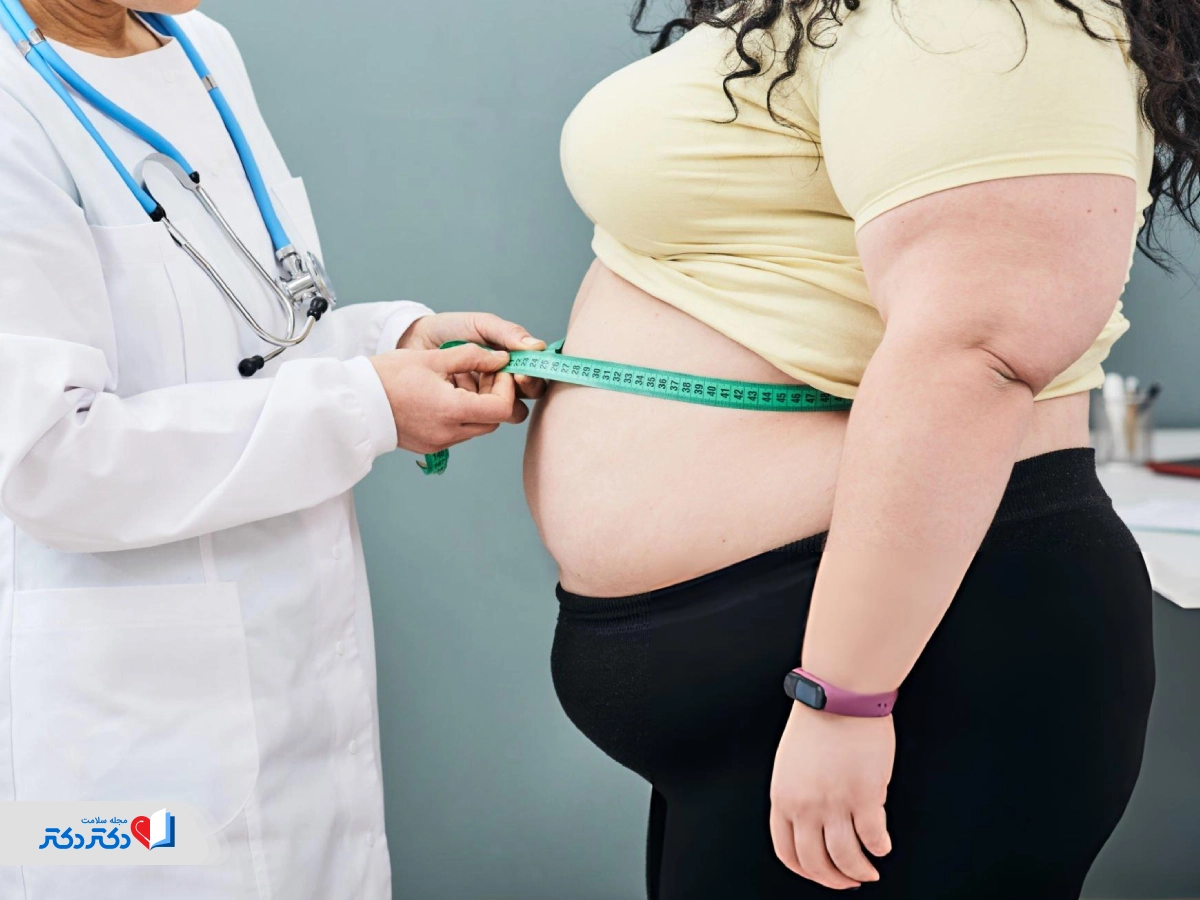
Gastric sleeve surgery is primarily recommended for people with serious obesity-related diseases or people at risk. Also, those who have not been successful despite repeated efforts to lose weight with diet and exercise, and who have sufficient mental and physical health for the operation, are suitable candidates. href="https://drdr.ir/mag/%DA%86%D8%A7%D9%82%DB%8C-%DA%86%DB%8C%D8%B3%D8%AA/"> severe obesity class III and body mass index is 40 or higher. This surgery is also performed for people with BMI above 35 and at least one related disease.
Age restrictions and Health
From the point of view of doctors, the appropriate age for this operation is between 18 and 65 years old. Adolescents under the age of 18 are allowed to undergo this procedure only in case of severe obesity and serious complications, and with the approval of a psychiatrist, nutritionist and surgeon. Due to the risk of surgery and anesthesia, people over 65 are eligible only in special circumstances and after careful examination of the general condition of the body.
If the following conditions apply to you, you are not a suitable candidate for this minimally invasive surgery:
- Severe heart disease or advanced heart and lung failure;
- Coagulative disorders or a history of stroke. recent;
- severe liver or kidney diseases;
- uncontrolled mental disorders (severe depression, active bulimia nervosa, addiction);
- pregnancy or planning to become pregnant within the next 12 to 18 months.
Advantages of gastric sleeve surgery
Among the types of surgery Slimming, gastric sleeve operation is simpler, faster and safer. Most applicants, even those who suffer from a specific disease and cannot tolerate long procedures, go through sleeve gastrectomy successfully.
Effect on weight loss and appetite control
The average weight loss with gastric sleeve is slightly less than complex and invasive surgeries, however weight loss It is desirable. This surgery shrinks the stomach so that the person eats less and gets full sooner. Also, by reducing the hunger hormones produced by the stomach, the brain will send less hunger signals. By controlling appetite and food cravings, weight loss will be stable after gastric sleeve operation.
Improving obesity-related diseases
Gastric sleeve surgery obesity-related complications such as insulin resistance and type 2 diabetes, high blood pressure and pressure-related diseases, lipidemia (high cholesterol) and arterial problems, fatty liver disease Non-alcoholic, improves and gradually eliminates obstructive sleep apnea, joint pain and arthritis.

Side effects of sleeve surgery Stomach
surgery always has undeniable side effects and sleeve gastrectomy is no exception. However, the short-term and long-term complications of this surgery are much less than continuing to live with obesity and the risk of related diseases. Also, the severity of side effects of gastric sleeve operation is much lower than other invasive operations.
We suggest that you talk to your doctor about its side effects before you make a serious decision for this slimming operation. Specialist doctors and surgeons in the Doctor Doctor health system provide you with important and valuable information during online or face-to-face visits.
Short-term side effects of gastric sleeve surgery
The probability of these short-term side effects is less than 1%:
- Bleeding excessive;
- infection;
- adverse reactions to anesthesia;
- blood clots;
- lung or breathing problems;
- leakage from the edge of the stomach incision.
Some experience these temporary changes 3 to 6 months after surgery because of the body's response to rapid weight loss:
- Body aches;
- Feeling tired, like the flu;
- Feeling cold;
- Dry skin;
- Hair loss and baldness;
- Mood changes.

Long-term complications and prevention methods
Long-term risks and complications of sleeve gastrectomy surgery include:
- Gastrointestinal obstruction. Sometimes the scar tissue narrows the stomach so much after the operation that the movement of food is extremely slow or even blocked.
- Gastroesophageal reflux. Sometimes people with reflux get worse after surgery. Those who were not affected will also be affected. This complication is often treatable.
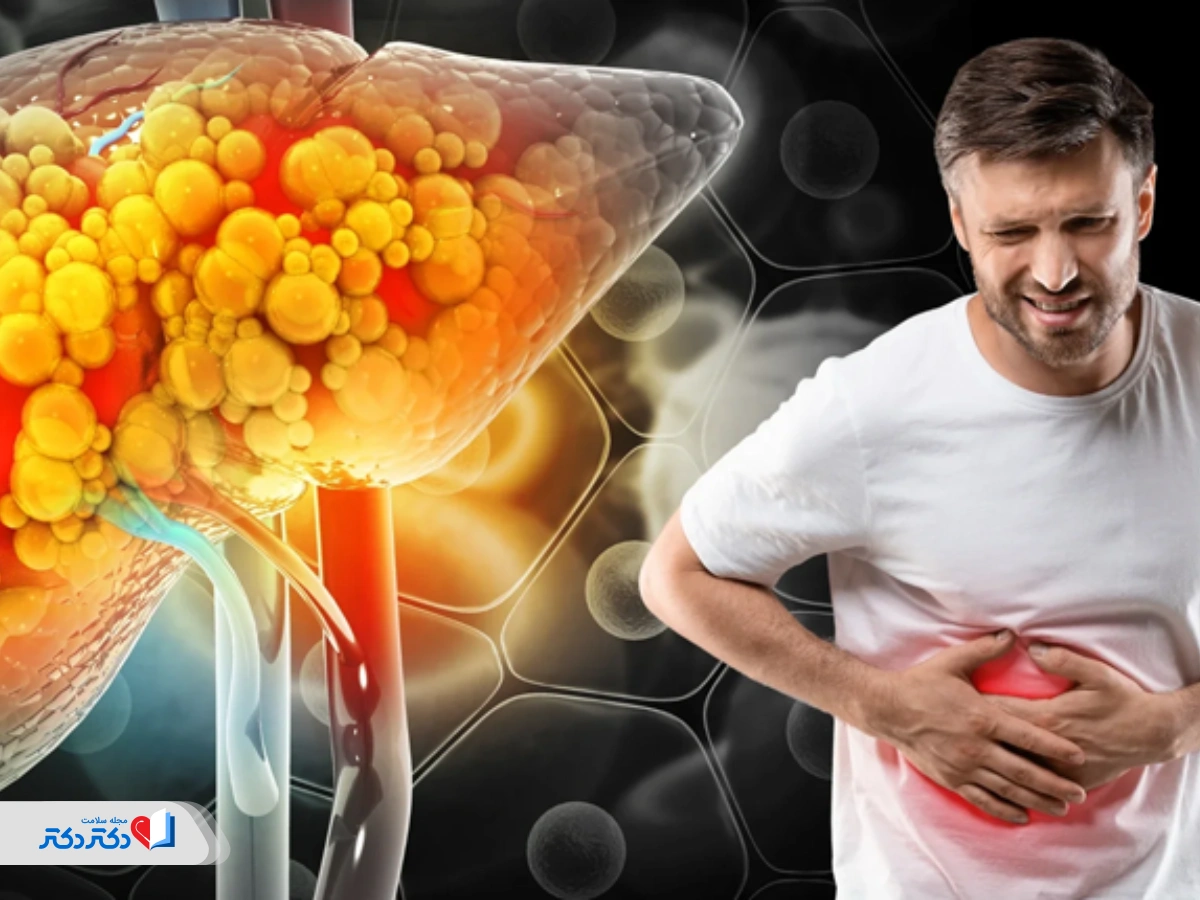
- Gallbladder stones. Rapid weight loss increases the processing of fat in the liver and this increases the risk of gallstone formation.
- Nutritional deficiency. When you eat less food, it is difficult to get enough nutrients and the risk of malnutrition becomes stronger.
Diet after gastric sleeve operation
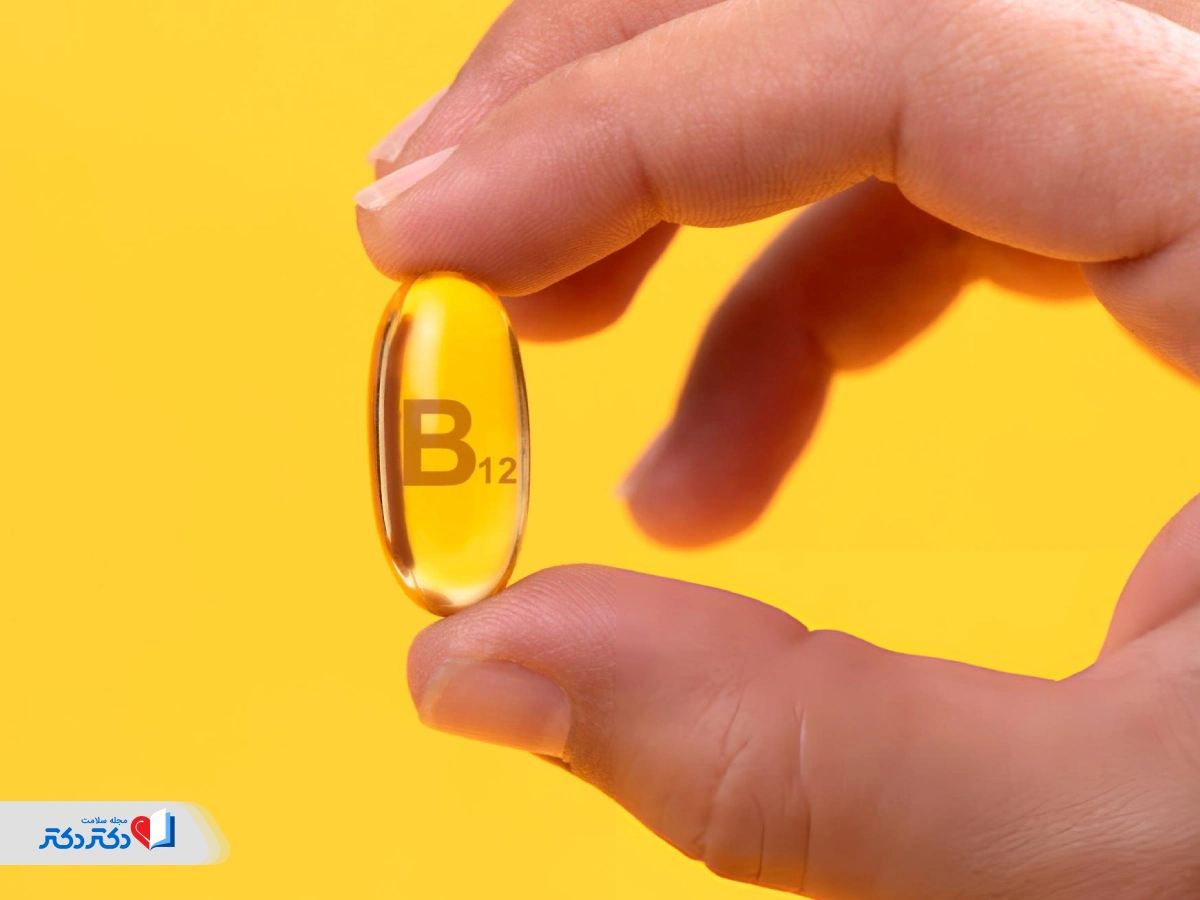
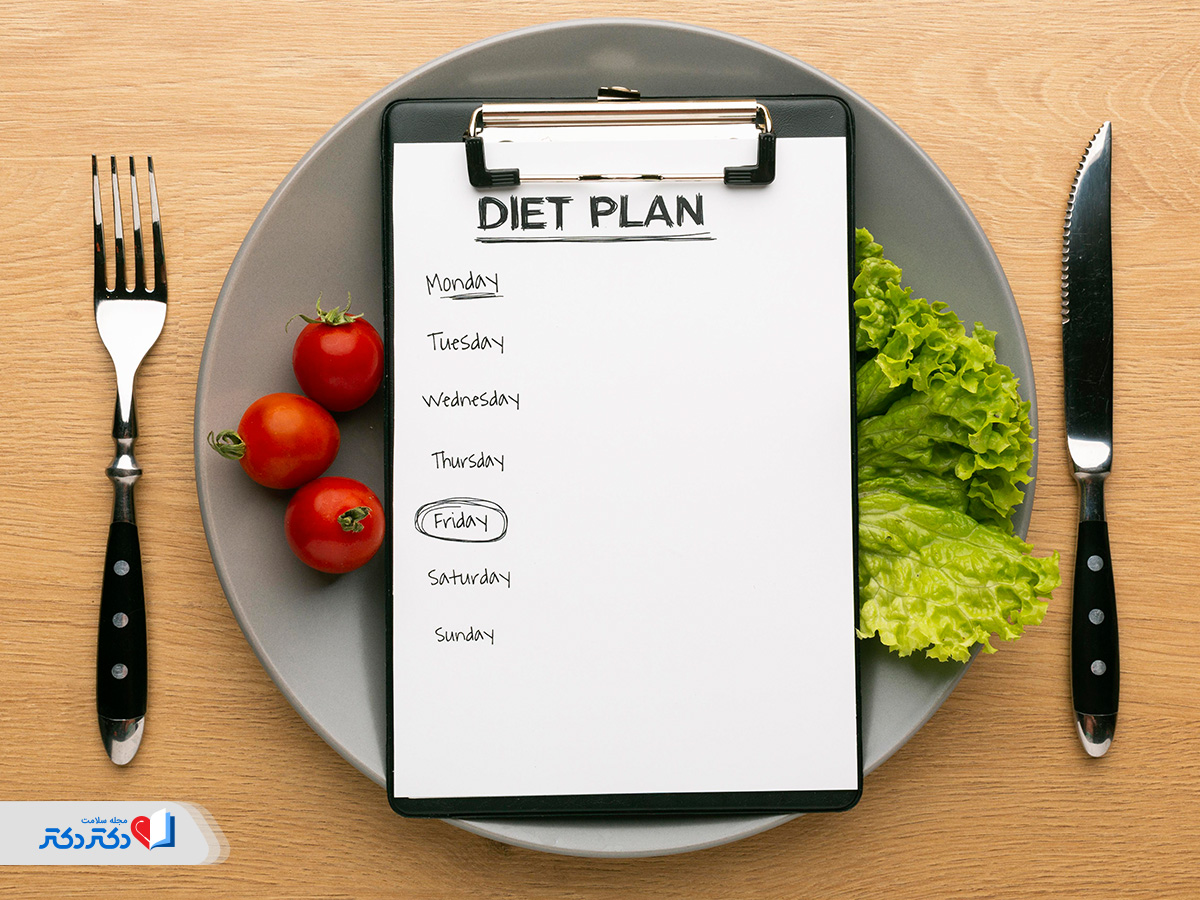
The diet after gastric sleeve operation starts with liquids without sugar and without gas in the first 7 days. You will eat pureed and soft foods for 3 weeks and after about 4 weeks you will return to regular food. The doctor recommends you to take 2 units of multivitamin and 1 unit of calcium daily for the rest of your life. You should also inject one unit of vitamin B12 per month.
week-by-week regimen after surgery
- 3rd to 4th week: Purees and soft foods such as mashed potatoes, mashed chicken or steamed fish, condensed yogurt, soft-boiled eggs. The goal is to get the stomach used to more food. 2 to 3 tablespoons per meal is enough.
- 5th to 6th week: Soft and semi-solid foods such as soft rice, lean minced meat, cooked vegetables, thick soup. The goal is a gradual transition to normal food.
- From the seventh week onwards: Normal healthy food and the gradual start of solid food in small amounts with an emphasis on protein (chicken, fish, eggs, soft beans), cooked vegetables and soft fruits. The goal is to stabilize the diet and maintain weight. Avoiding carbonated drinks, sweets, fast food and alcohol is still necessary.
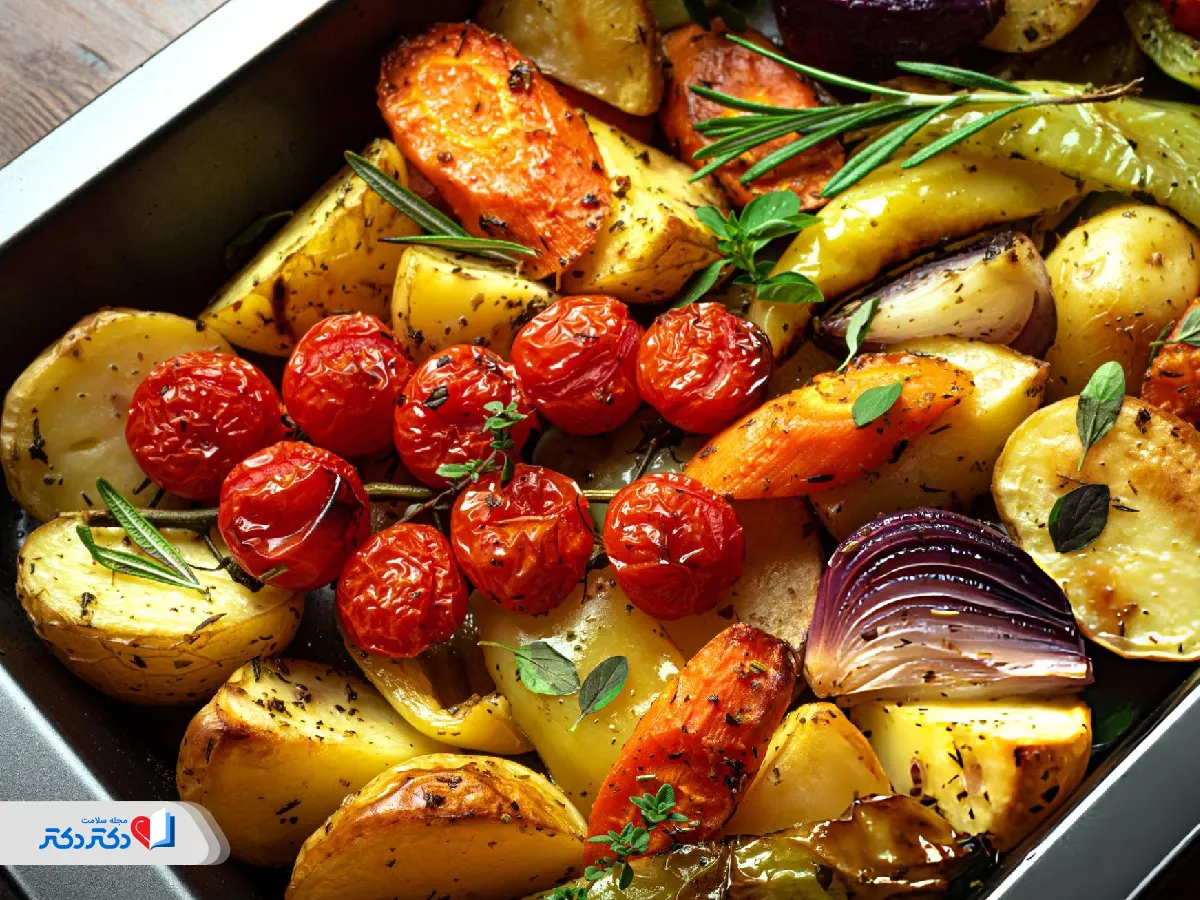
Allowed and prohibited foods after the sleeve
After the gastric sleeve procedure, feel free to consume these foods:
- Low-fat protein sources such as cooked or steamed chicken or turkey, fish Soft and boneless (cooked salmon or tuna), soft-boiled or half-boiled eggs, condensed yogurt and low-fat milk, sugar-free protein powder or shake;
- light and digestible carbohydrates such as soft rice, oatmeal, boiled potatoes, toast or soft whole grain bread (at the end of the diet), porridge, barley soup, cooked vegetables soft;
- soft vegetables and fruits such as carrots, pumpkin, cooked spinach, baked potatoes, cooked apples or ripe bananas (in small amounts);
- drinks such as plain water, mineral water, light tea, non-carbonated buttermilk and natural fruit juice without sugar. Do:
- Heavy and slow-digesting foods such as fatty red meat, steak and tripe, fried foods and fast food;
- Beverages and bloaters such as soft drinks, sodas, beer, alcohol, strong tea, coffee and high-caffeine drinks;
- Sugar and sweets such as chocolate, ice cream, jam and sugary drinks;
- stimulating and acidic foods such as raw garlic and onions, pickles, vinegar, pepper and spicy spices and sour citrus fruits;
- hard and dry foods such as nuts, seeds, dry bread, chips and puffs.
Care after gastric sleeve surgery
To control weight, start light physical activity from the first weeks and to follow up on nutritional status, take regular visits to the doctor seriously.
Hospitalization and recovery time
In 7 to 10 days after the operation, people will be able to resume light daily activities. It is better to start normal activities and gentle exercise 3 to 4 weeks later and return to work at least 1 month later. During this period, it is completely normal to feel tired and lethargic, as the body tries to adapt to the significant reduction in calorie intake. Continuous medical examinations and laboratory tests will continue for several months.
Medical recommendations to prevent weight regain
In order to prevent weight regain after gastric sleeve surgery, it is vital to follow medical recommendations and a healthy lifestyle. Keep these short and practical tips in your ears:
- Adequate fluid intake: The body needs at least 1.5 to 2 liters of water per day after gastric sleeve surgery. Drink this amount of water in sips and separate from meals.
- Regular physical activity: To maintain muscle fitness and body metabolism, walk for at least 30 minutes at the beginning of the day, and from the fourth to sixth weeks, add aerobic and light strength training.
- Regular medical follow-up: Meeting with a surgeon and nutritionist every 3 to 6 months and taking blood tests to check vitamin and mineral deficiencies.
- Lifestyle modification: To control calories, getting enough sleep, managing stress, avoiding overeating or overeating, and keeping a diary of food and activities are mandatory.
- Use of supplements and medications: Take seriously the doctor's prescription to take multivitamins, vitamin B12 and, if necessary, medication to control appetite or stomach reflux.

The cost of gastric sleeve operation in Iran
In Iran, the cost of gastric sleeve operation depends on a set of important and influential factors such as the type of hospital, surgeon, equipment used, geographical area and insurance coverage. Add to it the cost of medicines and pre- and post-tests. Even factors such as the patient's body mass index (BMI) and the need for simultaneous surgery (hernia or gall bladder) and the choice of anesthesia also affect the final price.
Health is important and this operation is a serious investment to improve health, the extra cost you pay to an experienced surgeon in a reputable center is totally worth it.
Cost difference in public and private hospitals
In 1404, the general figure announced for this operation is about 120 to 190 million tomans in private hospitals and about 10 to 40 million tomans in public centers. Not to mention, these figures are approximate and your final spending will be different depending on the factors we mentioned in the previous section.
The difference between gastric sleeve operation and gastric bypass
Gastric bypass surgery is similar to the sleeve operation and is a slimming surgery that turns the upper part of the stomach into a small bag and connects it to the middle part of the small intestine. As a result, the volume of the stomach and the amount of absorption of substances are reduced at the same time. The gastric sleeve only removes about 80% of the stomach and does not change the path of the intestine.
- In terms of weight loss mechanism: The sleeve reduces the volume of the stomach so that you get full sooner and consume fewer calories; Bypass has a double effect and in addition to reducing the volume of the stomach, it also reduces the absorption of calories and nutrients. Bypass is more aggressive than the sleeve.
- In terms of speed and amount of weight loss: The weight loss procedure of the sleeve is faster and during the first 12 to 18 months, you lose about 60 to 70% of weight; In bypass, this period takes a little longer and you lose up to 80% of your weight.
- In terms of possible complications: Complications of gastric sleeve operation include reflux (souring), leakage from the suture site, mild vitamin deficiency; Bypass is also associated with a more severe lack of vitamins and minerals, the possibility of dumping syndrome and the risk of intestinal obstruction or ulceration at the junction.
- In terms of care and follow-up: Lifelong care and need for vitamins and regular blood tests are more serious in bypass surgery.
Which method is better for me? Is it?
To choose between gastric sleeve and bypass surgery, one should evaluate the physical condition, medical history and weight loss goal. If you are only struggling with severe obesity and do not have underlying diseases, gastric sleeve is a simpler and less invasive choice for you. But if, in addition to obesity, you suffer from type 2 diabetes or gastric reflux, or if you have a BMI above 45, bypass surgery will be more useful for you. The final decision must be made with a complete evaluation by the surgeon and nutritionist.
Doctor's final word
Gastric sleeve surgery, if performed with sufficient preparation and by an experienced surgeon, and Zebajo follows all pre- and post-operation care, is a turning point in the path of weight loss and return to health. This technique reduces the volume of the stomach with the least amount of risk and leads to control of appetite, improvement of metabolism and management of diabetes and blood pressure. The lasting effect of this surgery requires adherence to a healthy lifestyle and regular medical follow-up.
Before making the final decision, consult with a surgeon and nutritionist to make sure that this operation is compatible with your physical and mental conditions. Dr. Doctor's specialist doctors provide you with this valuable information in online or face-to-face sessions. fi-accordion-icon-right"> For whom is gastric sleeve operation suitable?