مقاله تخصصی
Open brain operation
3 months ago
145 بازدید

Dr. Mahmoud Yazdan Panahi
TehranNeurosurgeon and spine and disc surgeon
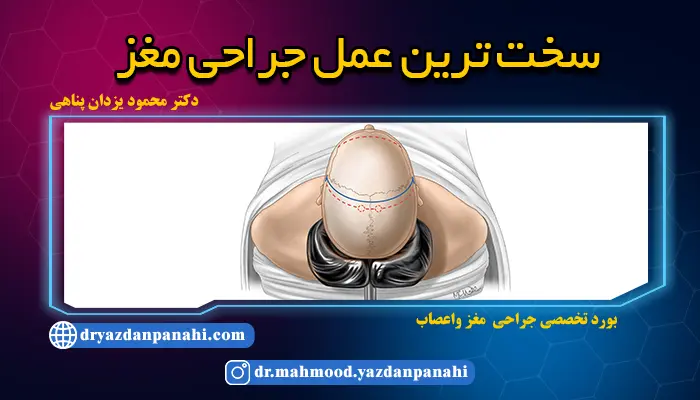
What is open brain operation (craniotomy)? In a craniotomy, the surgeon first makes an incision in the scalp and then temporarily removes a piece of skull bone to gain access to the brain. Considered treatment measures such as brain tumor surgery, bleeding control, vascular repair or reduction of cerebral pressure are performed. At the end of the surgery, the removed piece of bone is put back in place with screws or plates. This method allows a direct view of the damaged area and allows the surgeon to more accurately preserve the healthy brain tissue. Craniotomy is especially useful in complex and sensitive brain surgeries. ### The difference between craniotomy and craniectomy
Craniotomy and craniectomy are two related surgical procedures that look similar, but the main difference is how the skull bone is restored. In the following, you can see the comparison of these two methods:
### The role of this surgery in the treatment of brain diseases
A craniotomy allows direct access to the brain, and the surgeon can effectively treat intracerebral lesions, hemorrhages, and pressures. This practice is especially important in situations where quick and accurate intervention is necessary. Below is a list of the main applications of open brain surgery:
- Brain tumors
- Brain aneurysms
- Vascular malformations (AVM)
- Intracranial hematoma
- Subdural or epidural bleeding
- Infections inside the brain (brain abscess)
- Intractable epilepsy
- Release pressure in acute cerebral edema
When is craniotomy recommended? A craniotomy is recommended when direct access to the brain is needed to treat a disease or injury. This operation is usually performed in situations where non-surgical methods are unable to control the problem or serious risks threaten the patient's life. Common cases include brain tumors, intracerebral hemorrhage or clots, aneurysms and vascular malformations, traumatic brain injuries, and drug-resistant epilepsy. The purpose of craniotomy is to reduce intracranial pressure, remove the lesion, repair brain structures and brain aneurysm surgery, and it is often performed with high precision and using advanced neurosurgery techniques. Craniotomy operation is recommended in situations where there is a need for direct access to the brain to treat lesions or serious diseases. One of the most important cases of its use is **brain aneurysm operation**. In this case, by opening a part of the skull, the surgeon accesses the swollen vessel and prevents rupture and bleeding by methods such as placing a metal clip on the aneurysm. Therefore, craniotomy is not only used for brain tumors and hemorrhages, but it is also considered a vital procedure in brain aneurysm surgery. ### Brain tumors
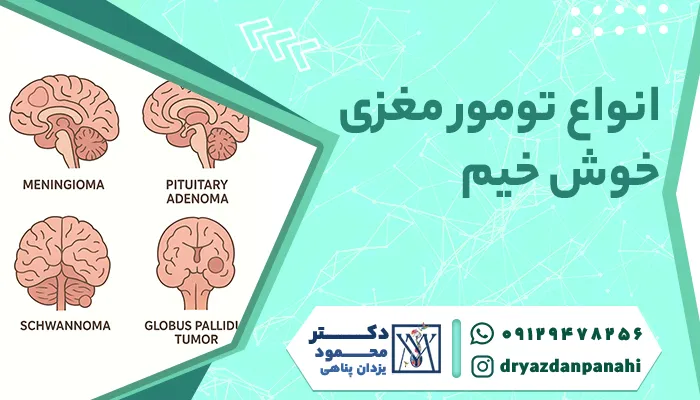
Craniotomy is one of the main methods for removing brain tumors. This method provides direct access and precise control over the brain tissue and allows the surgeon to remove the lesion with minimal damage to the healthy tissue. The size, location and type of tumor play a decisive role in the decision to perform craniotomy. In cases where the tumor has caused pressure on the vital structures of the brain, surgery can significantly reduce the patient's symptoms and improve his quality of life. ### Bleeding or brain clot (hematoma)
A hematoma inside the brain or around it can cause severe pressure on the brain tissue and threaten the patient's life. Open brain surgery is performed in such cases to remove the blood clot and reduce intracranial pressure. This surgery helps to reduce permanent damage to the brain and prevent neurological disabilities. The speed of the operation is very important in these conditions and the surgeon must carefully drain the clot in order to maintain brain function and reduce long-term complications. ### Epilepsy resistant to drug treatment
In patients whose epilepsy is not controlled by antiepileptic drugs, craniotomy can be an effective treatment option. By identifying and removing or isolating the parts of the brain that cause seizures, the surgeon helps reduce the number and severity of seizures. In patients with severe and debilitating epilepsy, this method provides the ability to improve the quality of life, reduce the risk of damage caused by seizures, and reduce the use of anti-epileptic drugs. ### Aneurysm and vascular abnormalities
Craniotomy is used in the treatment of aneurysms and other vascular malformations of the brain. Through direct access to the cerebral vessels, the surgeon closes the aneurysm or repairs the abnormal vessel structure. This operation reduces the risk of cerebral hemorrhage and strokes caused by rupture of blood vessels. The decision to perform surgery is made based on the size, location, and shape of the aneurysm, and the operation schedule is usually determined after detailed imaging studies. ### Traumatic brain injuries
In severe brain injuries caused by an accident or trauma, sometimes the pressure inside the skull reaches such a level that the brain suffers permanent damage. Craniotomy is performed in these conditions to reduce pressure, remove damaged tissue, or drain brain hemorrhages. This surgery helps to maintain nerve function, prevent cerebral edema and improve the patient's recovery process. The decision to perform an open brain operation is made according to the severity of the injury, the location of the injury and the general condition of the patient. Types of craniotomy and different surgical methods
There are different types of craniotomies depending on the purpose of the surgery and where the brain is accessed. Each method has its own technique and the surgeon chooses the most appropriate method according to the type of lesion, location and condition of the patient. Open brain action steps
Craniotomy or open brain surgery is a multi-step process that is performed with high precision and compliance with safety principles. The purpose of these procedures is to provide safe access to the brain, perform the required treatment and restore the skull structure to a normal state. These steps include patient preparation, cranial access, therapeutic intervention, and cranial reconstruction. Each stage is performed with precise surgical techniques and advanced equipment to minimize the risk of complications. ### Preparation and anesthesia of the patient
At first, the patient is put under general anesthesia and his vital condition is carefully monitored. The scalp is cleaned with antiseptic solutions and the incision site is marked. Surgical and neurosurgery equipment is prepared so that the surgeon can operate with maximum precision. Creating access to the brain (cutting the skin and removing the bone)
The surgeon first makes an incision in the scalp and then by removing a piece of the skull bone, provides direct access to the brain. This piece of bone is carefully removed to be returned to its place after the surgery. ### Performing therapeutic intervention
In this stage, the main surgical procedures such as tumor removal, hematoma evacuation, vascular repair or cerebral pressure reduction are performed. With direct vision and the use of surgical microscopes and precision instruments, the surgeon treats the damaged tissue and preserves the function of the brain. ### Restoring the bone and closing the surgical site
After the intervention is completed, the piece of skull bone is returned to its place with a screw or plate and the scalp is carefully sutured. This step preserves the natural shape of the head and protects the brain. Postoperative care and careful monitoring of the patient ensure the long-term success of the surgery and improve the patient's quality of life. Care after open brain surgery
After craniotomy, postoperative care is critical and includes pain control, neurologic monitoring, and management of swelling and infection. The patient is usually monitored in the intensive care unit to monitor intracranial pressure and brain function. Painkillers, anti-inflammatories and antibiotics are prescribed precisely. Movement and nutrition of the patient are started gradually, and physical care and rehabilitation are very important to return the normal function of the brain and reduce long-term complications. Strict adherence to these points plays a key role in rapid recovery and reducing the risk of further complications. **Summary**
In general, open brain surgery is considered a vital tool in the treatment of brain diseases and injuries and has the ability to restore nerve function, reduce intracranial pressure, and improve patients' quality of life. The success of this surgery depends on the precision of the surgeon, advanced equipment and post-operative care. Dr. Yazdan Panahi, as a prominent neurosurgery specialist, with years of experience in complex brain surgeries, has been able to record very successful results in the treatment of brain tumors, hematomas, and vascular abnormalities. Choosing an experienced surgeon like Dr. Yazdan Panahi is a guarantee for safety, precision and obtaining the best treatment results.