به یاد فرزندان جاویدان این سرزمین

یادشان همواره در قلب این خاک زنده خواهد ماند

Causes of facial swelling after dental surgery: review and solutions
مقاله تخصصی

Causes of facial swelling after dental surgery: review and solutions

3 weeks ago
135 بازدید
Dr. Mohammad Hossein Tajik

Dr. Mohammad Hossein Tajik

تهران

dentist

Causes of facial swelling after dental surgery: review and solutions

facial swelling after dental surgery

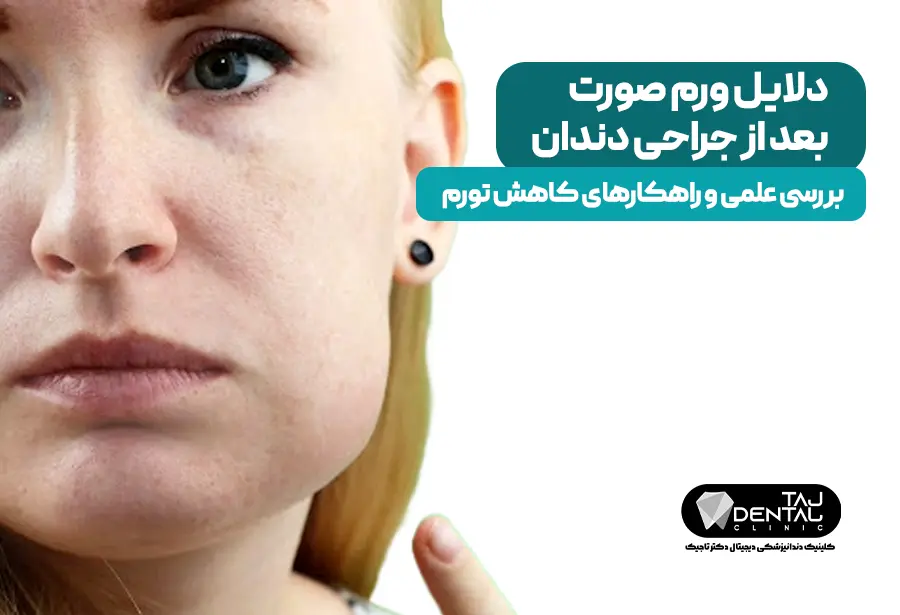
Dental surgery is one of the common treatment methods in dentistry, which aims to improve oral and dental health. However, like any other surgical operation, dental surgery may also be associated with complications, one of the most common of which is facial swelling. Swelling after dental surgery can be caused by various factors, and knowing these factors and their management methods can help patients recover faster and reduce discomfort. In this article, the scientific reasons for facial swelling after dental surgery and its prevention and reduction methods are discussed. --jtoc-has-numeration --jtoc-has-custom-styles --jtoc-is-unfolded">

Reasons of facial swelling after dental surgery

1. The body's natural response to surgery

Swelling is one of the body's natural responses to any type of surgery. The body tries to repair tissues by increasing blood flow to the damaged area. This inflammatory process is carried out in order to transport immune cells and nutrients to the surgical site, the results of which are swelling and inflammation.

2. Damage to soft and bone tissues

in many Dental surgeries, especially extraction wisdom teeth or implant, you need to cut and stimulate soft and bone tissues. More damage to these tissues can increase swelling and muscle spasm.

3. The amount and type of bleeding

Bleeding during and after surgery can lead to the accumulation of fluids in the areas around the surgery, which itself causes swelling. Uncontrolled or excessive bleeding can aggravate swelling.

4. Amount of time under anesthesia

Long time under local anesthesia can have an effect on the amount of swelling. Being chronically under anesthesia reduces the blood flow to the area, which leads to increased blood flow and swelling after the anesthesia ends.

5. Infection and immune reactions

Post-surgical infection can be one of the main causes of swelling. The entry of bacteria into the surgical site increases the body's immune reactions and swelling. Symptoms of infection include increased pain, fever, and wound discharge.

6. Individual patient factors

Individual factors such as age, gender, general health status, and genetics can be influential. For example, older people may experience more swelling due to reduced tissue flexibility and a weaker immune system.

7. The type of surgery and medical techniques

The use of minimally invasive and precise techniques in dental surgery can reduce the amount of tissue damage and thus swelling. More complex surgeries that require wider incisions are usually associated with more swelling.

8. Taking medications and supplements

Some medications, such as nonsteroidal anti-inflammatory drugs (NSAIDs), can reduce swelling. Also, taking food supplements such as vitamin C and zinc can help improve the healing process and reduce swelling.

Remedies for swelling

style="background-color: #f9f9f9;">

1. The body's natural reaction to surgery

- taking anti-inflammatory drugs such as ibuprofen
- using ice compresses in the first 24 hours after surgery

2. Damage to soft and bone tissues

- use of minimally invasive techniques in surgery
- use of food supplements such as vitamin C and zinc

3. The amount and type of bleeding

Duration of time under local anesthesia
– reducing the duration of use of local anesthesia
– monitoring proper blood flow after the end of anesthesia

5. Infection and body immune reactions

- Taking prescribed antibiotics
- Maintaining oral and dental hygiene
- Immediate consultation with a dentist in case of symptoms of infection

6. Individual factors of the patient (age, sex, health status)

- setting up a treatment plan tailored to the individual situation
- providing special recommendations for older patients

7. Type of surgery and medical techniques

Taking medications and supplements
– Taking medications prescribed by a dentist
– Avoiding over-the-counter medications that may increase swelling

More details:

  • Using anti-inflammatory medications Inflammatory: Medicines such as ibuprofen and naproxen can help reduce swelling and pain. They should always be used according to the dentist's instructions.
  • Ice and warm compresses: Using ice compresses in the early hours after surgery reduces swelling, and after 24 hours, warm compresses can be used to improve blood flow.
  • Maintaining oral hygiene: Gentle rinsing with warm salt water and using soft toothbrushes helps prevent infection and reduce swelling.
  • Proper nutrition: Consuming soft and cool foods such as yogurt, cool soups and purees helps reduce irritation of the surgical area and swelling.
  • Avoid smoking and alcohol: Smoking and alcohol can increase blood flow and slow down the healing process.

This table can be used as a quick reference for patients and dental students to understand the various causes of postoperative dental swelling and procedures. Understand their management well.

Facial swelling after dental surgery

prevention of facial swelling after dental surgery

1. Choosing a skilled and experienced surgeon

Choosing an experienced and expert dentist or oral surgeon can minimize the risks associated with surgery. Skilled surgeons use the correct techniques to reduce tissue damage, which in turn reduces swelling.

2. Adherence to preoperative instructions

Before surgery, the dentist may give instructions such as avoiding hard and hot foods, and taking prescribed medications. Strictly following these instructions can prevent excess swelling.

3. Use of preventive drugs

In some cases, the dentist may prescribe anti-inflammatory drugs or preventive antibiotics to be effective in reducing inflammation and preventing infections.

4. Using an ice compress

Using an ice compress in the first 24 hours after surgery can help reduce swelling. Ice should be used for 15 minutes every hour and its direct contact with the skin should be avoided to prevent damage to the skin.

5. Maintaining oral and dental hygiene

Maintaining postoperative oral hygiene prevents infection and swelling. Gently rinsing the mouth with warm salt water can be useful and help heal the wound.

Methods to reduce facial swelling after dental surgery

1. Taking anti-inflammatory medications

Medications such as ibuprofen and naproxen can help reduce swelling and pain. The use of these drugs should be done with the dentist's order to avoid side effects.

2. Using a warm compress after 24 hours

After the first 24 hours when using an ice compress is recommended, you can use a warm compress instead to improve blood flow and reduce swelling.

3. Proper dietary management

Consumption of soft, cool foods such as yogurt, cool soups, and purees can help reduce surgical site irritation and swelling. Also, it is recommended to avoid hard, sticky and hot foods.

4. Mouth gargle with warm salt water

Gently rinsing with warm salt water can help heal the surgical wound and reduce swelling. This work should be done after 60 minutes of surgery and gently.

5. Proper rest

Adequate post-surgery rest helps the body heal faster and reduce swelling. It is recommended to avoid heavy activities in the first days after surgery.

6. Avoiding smoking and alcohol

Smoking and alcohol consumption can increase blood flow and contribute to swelling. Also, these substances can slow down the healing process.

Facial swelling after dental surgery

Researches and scientific resources

post-surgical inflammatory reactions

Studies show that inflammatory reactions caused by dental surgery are dependent on the severity of the injury and the amount of tissue irritation. In addition, genetics play an important role in the degree of inflammatory reaction that some people are naturally more sensitive to.

The effect of anti-inflammatory drugs

Research has shown that anti-inflammatory drugs can significantly reduce the amount of swelling and postoperative pain. Ibuprofen is considered one of the most effective drugs to reduce swelling in this field.

The role of nutrition in healing

Studies show that proper nutrition with the consumption of nutrients such as protein, vitamin C and zinc can accelerate the healing process and reduce swelling.

Modern surgical techniques

Use of surgical techniques Minimally invasive and advanced can minimize the amount of tissue damage and result in less swelling. New technologies such as electronic surgery and nanotechnology in dentistry play an important role in reducing postoperative complications.

Conclusion

Facial swelling after dental surgery is one of the natural complications of this type of surgery, which can be caused by various factors. Knowing these factors and using scientific methods to prevent and reduce swelling can help patients recover faster. Following the dentist's instructions, using appropriate medications, and adopting post-surgical hygiene practices are the keys to managing facial swelling. In case of abnormal symptoms such as infection, it is recommended to consult a dentist immediately.

FAQ

1. What is the normal duration of postoperative swelling?

Usually, the swelling reaches its maximum in 24 to 48 hours after surgery and recovers within a week.

2. What are the signs of postoperative infection?

Swelling with increased pain, fever, and wound discharge can be a sign of infection and requires immediate visit to the dentist.

3. Can taking over-the-counter medications be effective in reducing swelling?

Yes, non-steroidal anti-inflammatory drugs such as ibuprofen can be helpful, but it is recommended that their use be done in consultation with a dentist.

4. How can swelling be prevented?

Following the dentist's orders, using ice compresses in the early hours, taking prescribed medications and maintaining oral hygiene are the most important ways to prevent swelling.

5. When should I see a dentist?

If the swelling is more than normal, accompanied by signs of infection such as fever and severe pain, or does not improve, you should see a dentist.

Dr. Tajik's Digital Dental Clinic

Dr. Tajik's dental clinic in the north of Tehran provides comprehensive high-quality dental services using modern equipment and an experienced team. Our goal is the satisfaction and oral health of our dear patients.
To receive expert advice and more information, contact us.

اشتراک‌گذاری:

مقالات مرتبط

مقالات دیگر از Dr. Mohammad Hossein Tajik
29 مقاله
Root canal treatment Comprehensive guide + signs, steps and cost
مطالعه بیشتر

Root canal treatment Comprehensive guide + signs, steps and cost

Tooth root treatment | Comprehensive guide + symptoms, steps and cost | Taj Dental Magazine, Treatment Articles 11/22/...

3 weeks ago بخوانید
Dental implant during pregnancy Risks, benefits and complete guide
مطالعه بیشتر

Dental implant during pregnancy Risks, benefits and complete guide

Dental implants during pregnancy | Risks, Benefits and Complete Guide Other dental articles, Taj Dental Magazine, Impla...
3 weeks ago بخوانید
Feno Smartbrush - a revolution in oral health care
مطالعه بیشتر

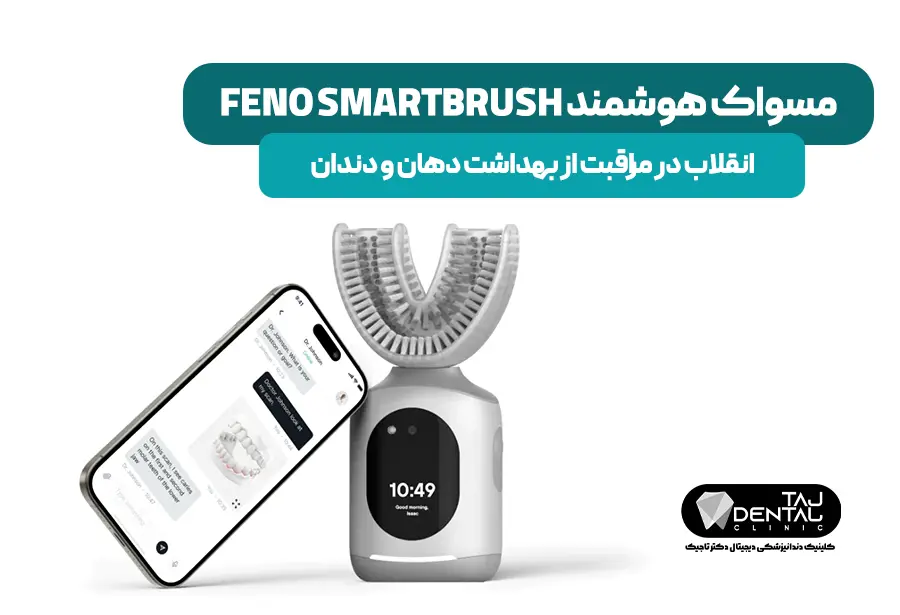
Feno Smartbrush - a revolution in oral health care

Feno Smartbrush - a revolution in oral health care Other dental articles, Treatment articles 11/08/1403 8 Bahman 1403...
3 weeks ago بخوانید
Gum curettage Complete guide + pros, cons and cost
مطالعه بیشتر

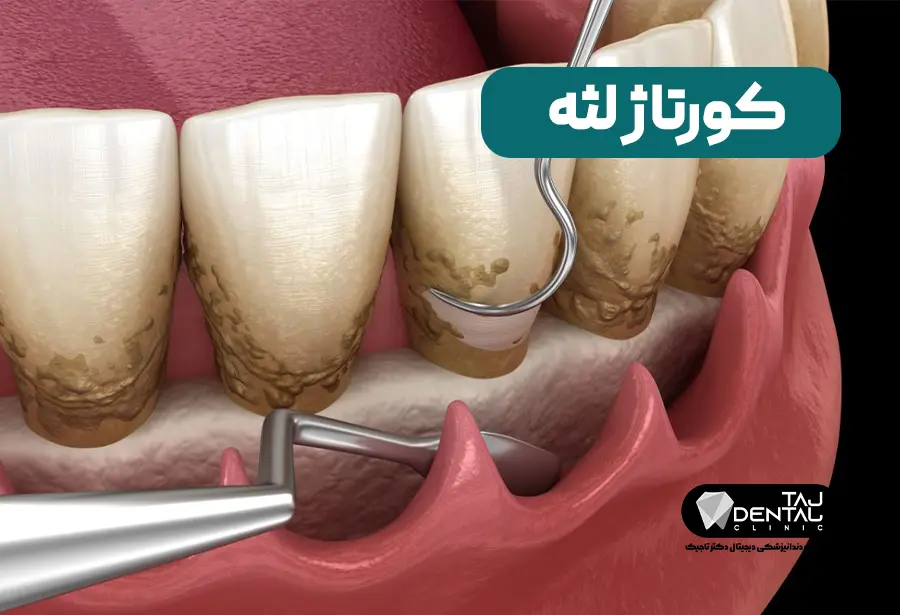
Gum curettage Complete guide + pros, cons and cost

Gingival curettage | Complete Guide + Pros, Cons & Cost Taj Dental Magazine, Treatment Articles 11/18/1403 18 Bahman...
3 weeks ago بخوانید
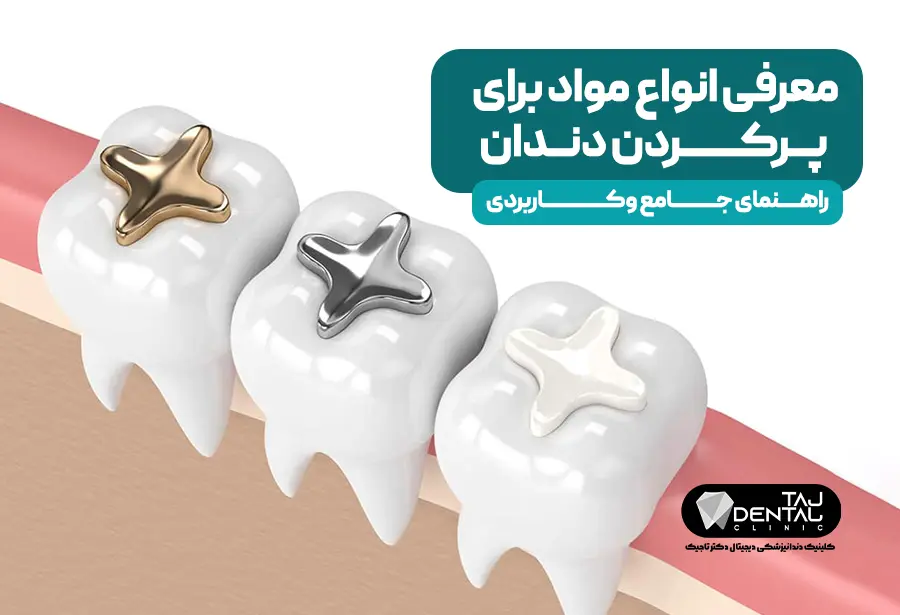
Introduction of various materials for tooth filling: a comprehensive and scientific guide
مطالعه بیشتر

Introduction of various materials for tooth filling: a comprehensive and scientific guide

Introduction to various materials for filling teeth: a comprehensive and scientific guide Taj Dental Magazine, Treatmen...

3 weeks ago بخوانید
How to reduce tooth sensitivity? A comprehensive and scientific guide
مطالعه بیشتر

How to reduce tooth sensitivity? A comprehensive and scientific guide

How to reduce tooth sensitivity? Comprehensive and scientific guide Other dental articles, Taj Dental Magazine, Treatme...
3 weeks ago بخوانید
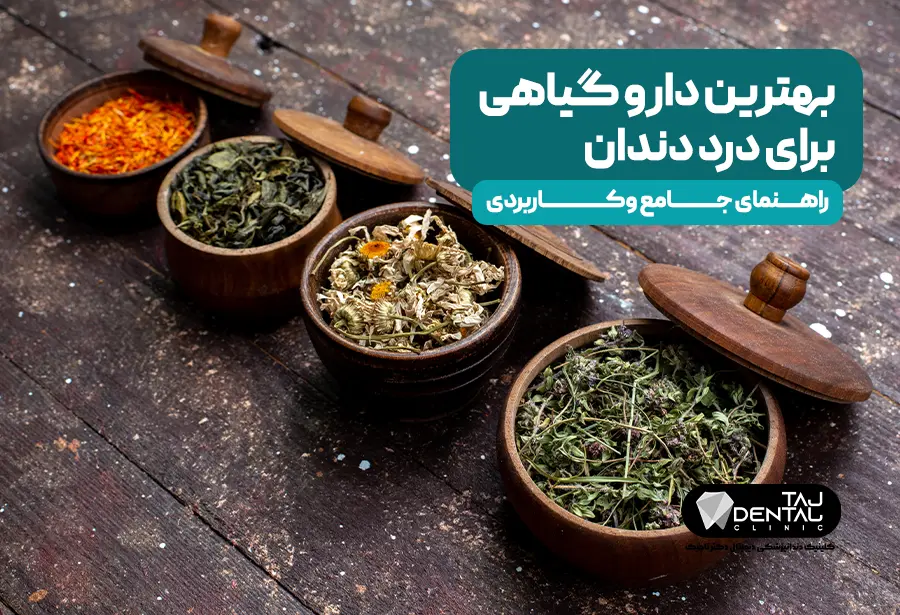
The Best Herbal Remedies for Toothache: A Comprehensive Guide
مطالعه بیشتر

The Best Herbal Remedies for Toothache: A Comprehensive Guide

The Best Herbal Remedies for Toothache: A Comprehensive Guide Other dental articles, Taj Dental Magazine 11/11/1403 1...
3 weeks ago بخوانید
What is dental composite restoration and how is it done?
مطالعه بیشتر

What is dental composite restoration and how is it done?

What is dental composite restoration and how is it done? Taj Dental Magazine, Cosmetic Dentistry Articles 11/02/1403...
3 weeks ago بخوانید
Teeth whitening with laser + price 2025
مطالعه بیشتر

Teeth whitening with laser + price 2025

Laser teeth whitening + price 2025 Taj Dental Magazine, Cosmetic Dentistry Articles 11/05/1403 5 Bahman 1403Beautiful...
3 weeks ago بخوانید
Gum lift with laser Modern and effective gum surgery for beauty and oral health
مطالعه بیشتر

Gum lift with laser Modern and effective gum surgery for beauty and oral health

Gum lift with laser | Modern and effective gum surgery for beauty and oral health Taj Dental Magazine, Treatment Articl...
3 weeks ago بخوانید
How long does a dental implant last? Comprehensive and scientific review
مطالعه بیشتر

How long does a dental implant last? Comprehensive and scientific review

How long does a dental implant last? Comprehensive and scientific review Taj Dental Magazine, Implant Articles, Treatme...
3 weeks ago بخوانید
Essential clinic equipment for digital dental lamination
مطالعه بیشتر

Essential clinic equipment for digital dental lamination

Essential clinic equipment for digital dental lamination Taj Dental Magazine, Cosmetic Dentistry Articles, Dental Lamin...
3 weeks ago بخوانید
Essential clinic equipment for digital dental implants
مطالعه بیشتر

Essential clinic equipment for digital dental implants

Essential clinic equipment for digital dental implants Other dental articles, Taj Dental Magazine, Implant articles, Ar...
3 weeks ago بخوانید
What are the symptoms of implant rejection and failure?
مطالعه بیشتر

What are the symptoms of implant rejection and failure?

What are the symptoms of implant rejection and failure? Taj Dental Magazine, Implant Articles, Treatment Articles 11/1...
3 weeks ago بخوانید
Bone resorption of the jaw and prevention of bone resorption: a comprehensive guide
مطالعه بیشتر

Bone resorption of the jaw and prevention of bone resorption: a comprehensive guide

Analyzing jawbones and preventing osteoporosis: a comprehensive guide Taj Dental Magazine, Treatment Articles 11/07/14...
3 weeks ago بخوانید
Dental implant price guide: differences and criteria for choosing the best option
مطالعه بیشتر

Dental implant price guide: differences and criteria for choosing the best option

Dental implant price guide: differences and criteria for choosing the best option Taj Dental Magazine, Implant Articles...
3 weeks ago بخوانید
Introducing Swiss Neodent Implant: the best choice for a healthy and beautiful smile
مطالعه بیشتر

Introducing Swiss Neodent Implant: the best choice for a healthy and beautiful smile

Swiss Neodent implant introduction: the best choice for a healthy and beautiful smile Taj Dental Magazine, Implant Arti...

3 weeks ago بخوانید
Pagedone
Resources
Products
©GCORP LLC 2026, All rights reserved.


