کمبود آهن در زنان یکی از شایعترین مشکلات تغذیهای در سراسر جهان است که میتواند تأثیر مستقیم بر انرژی، تمرکز، خلقوخو و سلامت عمومی بدن داشته باشد. Iron plays a vital role in the production of red blood cells and the transfer of oxygen to tissues, and its reduction causes fatigue, weakness, and reduced physical and mental performance. Women, especially during menstruation, pregnancy and breastfeeding, are more exposed to iron deficiency than other people. Knowing the symptoms, reasons and methods of preventing this problem can play an important role in maintaining women's health and quality of life. To check iron deficiency and get proper treatment, it is necessary to visit a specialist doctor. Dr. Mahshid Karimi gynecologist helps regulate iron levels and improve the body's energy by carefully evaluating and providing a basic treatment plan. If you suffer from constant fatigue, paleness or hair loss, it is better to visit Dr. Mahshid Karimi.
importance of iron in women
Iron is a vital nutrient that plays a key role in the functioning of the female body. This element helps produce red blood cells and transports oxygen to tissues and organs. Iron deficiency can lead to decreased energy, chronic fatigue, muscle weakness, and decreased concentration. Women need more iron due to their menstrual cycle, pregnancy and breastfeeding. During pregnancy, iron is vital for fetal development and prevention of maternal anemia. Also, iron helps strengthen the immune system, maintain healthy skin and hair, and improve mental performance. For this reason, providing the daily need for iron through a proper diet or supplements plays an important role in maintaining the general health and quality of life of women.
reasons of iron deficiency in women
Iron deficiency in women is a common problem that can have several reasons. Knowing these factors helps to prevent and effectively manage it.

- Menstruation and monthly bleeding: Women need more iron during menstruation due to blood loss. Severe or prolonged bleeding can cause a rapid decrease in the body's iron reserves.
- Pregnancy and breastfeeding: During pregnancy, the body needs more iron to supply blood and oxygen to the fetus. Breastfeeding can also reduce the mother's iron reserves.
- Inadequate diet: Low consumption of iron-rich foods such as red meat, liver, chicken, fish, legumes and green leafy vegetables can lead to iron deficiency. Restricted or vegetarian diets without proper planning also increase the risk of deficiency.
- Iron absorption problems: Diseases such as celiac disease, intestinal inflammation, gastrointestinal surgeries and stomach disorders can reduce iron absorption from food and cause deficiency.
- Extreme physical activity: Female athletes or those who have heavy physical activities may be exposed to deficiency due to the increased need for iron and sweating.
- Chronic diseases and conditions: Chronic diseases such as kidney disorders, long-term infections or chronic inflammations can reduce the body's iron reserves.
- Use of certain medications: Certain medications, such as anti-inflammatory medications or medications that reduce iron absorption, can lead to iron deficiency.
Knowing these reasons and managing them through proper nutrition, taking iron supplements and regular medical follow-up can help prevent anemia and iron deficiency complications. In this way, Dr. Mahshid Karimi will be with you by providing specialized solutions and a suitable treatment plan.
symptoms of iron deficiency in women
Iron deficiency is one of the most common nutritional problems in women and can have a wide impact on their physical and mental health. Knowing the early symptoms of iron deficiency in women is very important, because early diagnosis can prevent serious complications such as severe anemia.
constant fatigue and weakness
Decreasing the level of hemoglobin causes insufficient oxygen to reach the tissues and organs. This condition reduces the body's energy and makes it difficult to perform daily activities. Women with iron deficiency often feel chronic fatigue and reduced physical strength.

Skin and mucous pale
One of the clearest signs of iron deficiency is pale skin, lips, gums, and areas under the eyelids. This color change is caused by the decrease in hemoglobin and oxygen-rich blood flow in the body.
shortness of breath and irregular heartbeat
Decreased oxygen delivery to tissues can cause shortness of breath even with light activity, a fast or irregular heartbeat, and palpitations. In severe cases, iron deficiency can put extra pressure on the heart.
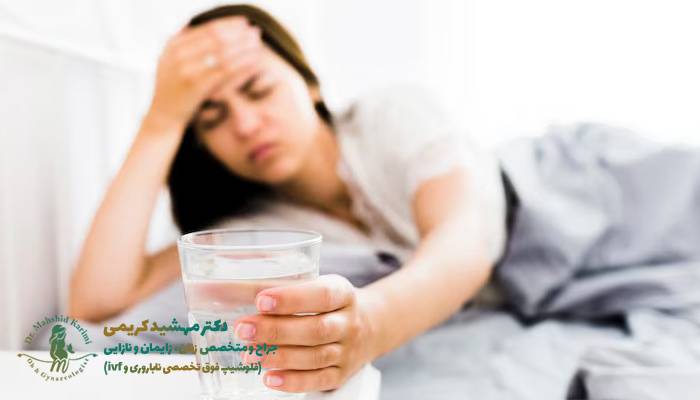
dizziness, headache and concentration weakness
Iron deficiency reduces blood flow and oxygen supply to the brain. This condition can cause dizziness, headache, poor concentration, reduced ability to learn and memory problems.Hair loss and hair brittleness
Hair follicles need oxygen for healthy growth. Iron deficiency in women reduces the supply of oxygen to the follicles and can lead to thinness, brittleness and hair loss.
changes of nails
Brittle, thin, spoon-shaped nails or with small depressions are other signs of iron deficiency. These changes are usually observed in the advanced stages of iron deficiency.Unusual appetite (pica)
Some women with iron deficiency develop a tendency to eat non-food items such as ice, dirt or starch. This condition, which is called "pica", is one of the signs of severe iron deficiency.
sensitivity to infections and reduction of body resistance
Iron plays an important role in the functioning of the immune system. Its deficiency can weaken the immune system and increase the possibility of frequent infections.
Sleep disorders and chronic fatigue
Iron deficiency in women can reduce the quality of sleep and cause insomnia or chronic fatigue even after adequate sleep.
Digestive symptoms and muscle pain
In some women, iron deficiency can cause inflammation of the tongue, muscle pain, and a general feeling of lethargy.
Paying attention to these symptoms and performing related tests such as measuring hemoglobin and blood ferritin can help in timely diagnosis and effective treatment of iron deficiency. Prevention and management of this problem through a proper diet, taking iron supplements if needed and regular follow-up of women's health play an important role in maintaining energy, improving mental and physical performance, and improving the quality of life.prevention and management of iron deficiency in women
Prevention and management of iron deficiency in women plays an important role in maintaining physical and mental health and improving quality of life. Adhering to a proper diet, modifying lifestyle and using iron supplements if needed can prevent anemia and reduce the symptoms caused by iron deficiency.
1. Diet rich in iron
Consumption of red meat, liver, chicken and fish, which are rich sources of heme iron and are easier to absorb in the body. Include legumes, lentils, chickpeas, beans, and green leafy vegetables to provide non-heme iron. Using nuts and seeds such as pumpkin seeds, sunflower seeds and almonds, which are rich in other nutrients in addition to iron.
2. Increased absorption of iron
Consumption of vitamin C with iron-containing foods, such as oranges, kiwi, bell peppers and tomatoes, increases the absorption of non-heme iron. Avoid tea, coffee, and tannin-containing beverages with iron-rich meals, as they can reduce iron absorption.
3. Use of iron supplements
In cases of severe iron deficiency in women or high-risk groups, iron supplements under the supervision of a doctor can improve the body's reserves more quickly. It is very important to follow the instructions and the recommended dosage to avoid digestive complications.
4. Regular health monitoring
Performing periodic blood hemoglobin and ferritin tests helps in early detection of iron deficiency. Regular follow-up is especially important in pregnant women, lactating women and those who have heavy bleeding.
5. lifestyle modification
Stress management and adequate sleep help maintain general health and better body performance. Regular exercise with appropriate intensity can improve blood flow and nutrient absorption, but athletes should pay more attention to the body's need for iron.
final speech
Iron deficiency in women is one of the common issues in women that can affect their energy, concentration, physical and mental health. Identifying the symptoms, knowing the reasons and following prevention and management strategies play an important role in maintaining health and quality of life. Proper nutrition, increased absorption of iron, use of supplements when needed and regular medical follow-up are among the effective solutions to deal with iron deficiency. Paying attention to these points helps women to maintain their energy and physical and mental ability by reducing the risk of anemia and lead a healthier life.