مقاله تخصصی
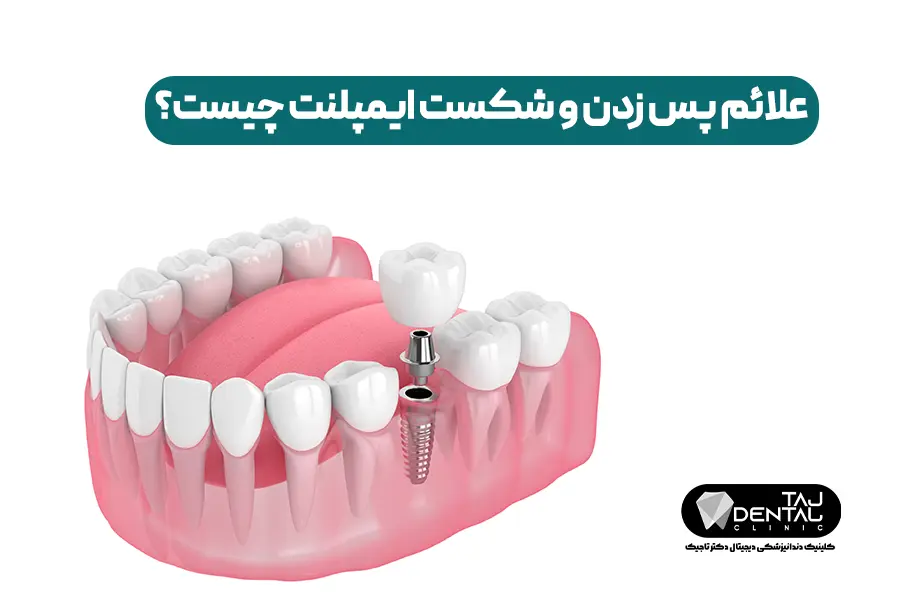
What are the symptoms of implant rejection and failure?
3 weeks ago
344 بازدید

Dr. Mohammad Hossein Tajik
تهرانdentist
What are the symptoms of implant rejection and failure?
Dental implants are known as one of the most advanced and effective methods for replacing missing teeth. This method not only helps to restore the function of the teeth, but also increases the beauty and self-confidence of the person. However, like any other medical procedure, implants may come with challenges and problems. In this article, we will examine the symptoms of dental implant rejection and failure, and we will provide important tips for people who are planning to get implants. --jtoc-toggle-1 --jtoc-has-numeration --jtoc-has-custom-styles --jtoc-is-unfolded">
What is a dental implant?
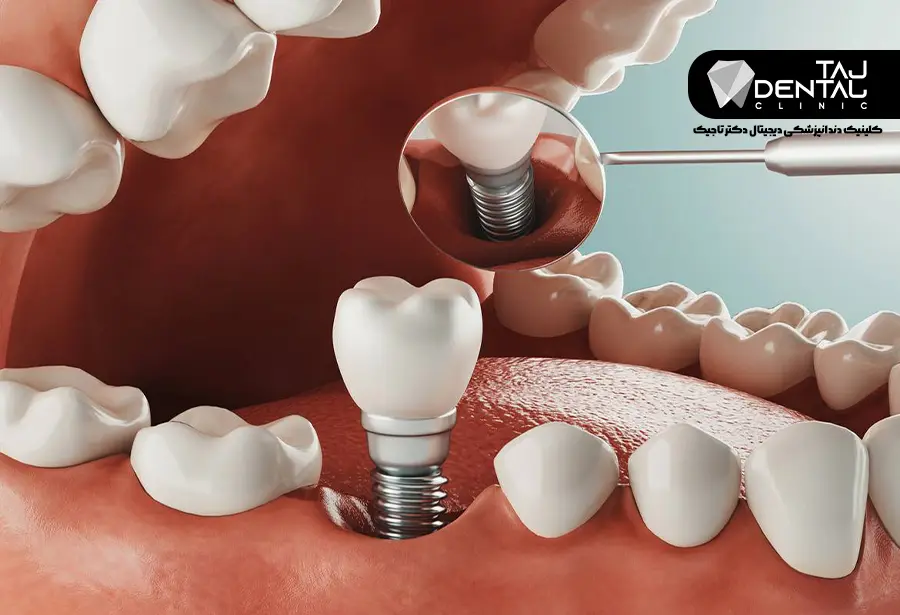
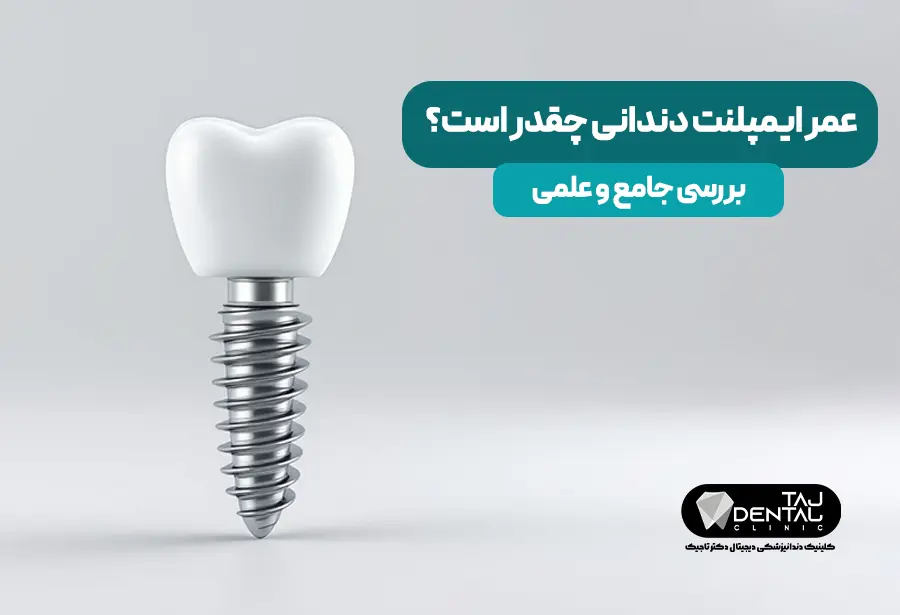
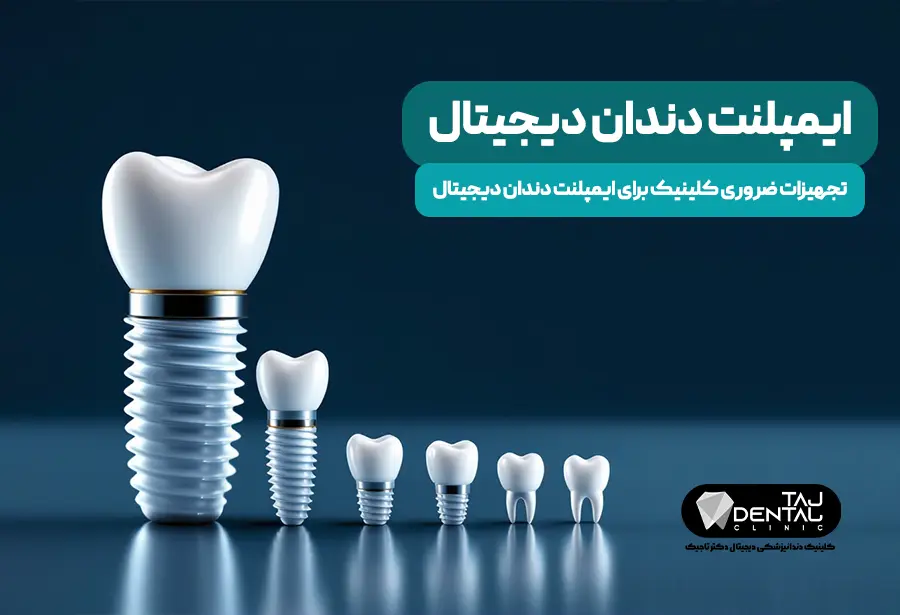
Dental implant is an artificial root that is placed in the jawbone and acts as a base for artificial teeth. This method has become extremely popular due to its high capabilities in restoring the function and beauty of teeth. Implants are usually made of titanium, which is compatible with the human body due to its biological properties.
Types of implants
Implants are divided into two main categories:
Endosteal implants: These types of implants are placed inside the jawbone and are usually made of titanium. These implants are known as the most common type of implants and are suitable for most patients.
Subperiosteal implants: These types of implants are placed on the jawbone and are suitable for people who do not have enough jawbone. These implants are usually used in people who cannot tolerate endosteal implants.
Symptoms of implant rejection
Implant rejection means that the body does not accept the implant. This situation can occur for various reasons, including infection, implant mismatch with the jaw bone, or other health problems. Here are some symptoms of implant rejection:
1. Pain and discomfort
One of the first symptoms of implant rejection is persistent pain and discomfort in the implant area. This pain may occur suddenly and severely and may not be reduced by taking painkillers. In some cases, this pain may spread to other areas of the face or neck.
2. Swelling and inflammation
Swelling and inflammation in the implant area can be a sign of infection. If these symptoms persist for a long time, you should see a doctor. Inflammation may also appear as redness and heat in the implant area.
3. Bleeding
Persistent bleeding from the implant area can be a sign of serious problems. This situation needs immediate investigation and may be due to infection or damage to the tissues around the implant.
4. Implant movement
If your dental implant moves or feels unstable, this could be a sign of implant failure. This situation usually occurs due to the lack of proper integration of the implant with the jawbone.
5. Infection
Infection in the implant area can spread quickly and cause damage to the jawbone. Symptoms of infection include fever, pain, and bad breath. If you see these symptoms, it is necessary to see a dentist.
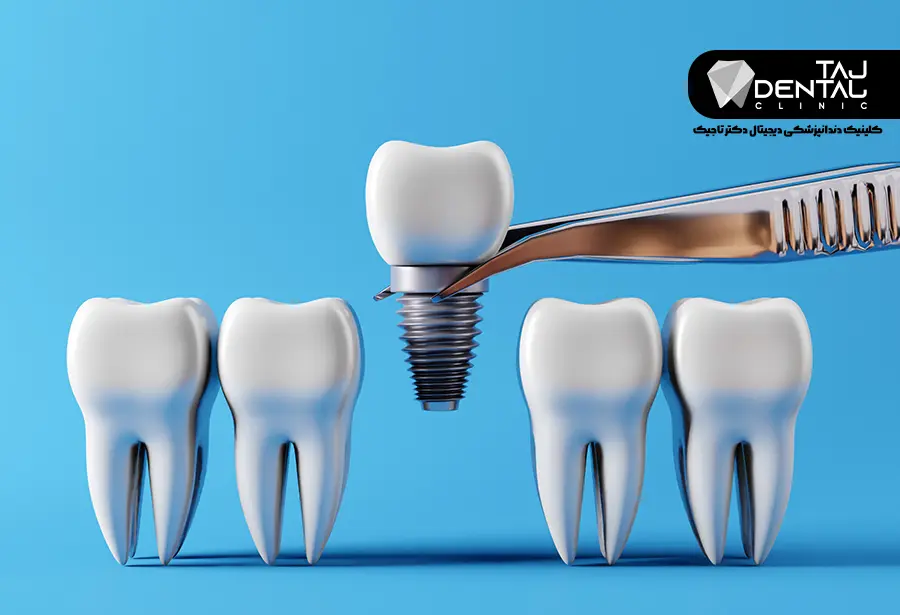
Implant failure
Symptoms of implant failure
Implant failure means failure to integrate the implant with the jawbone. This situation can occur for various reasons, including lack of oral and dental hygiene, infection, or excessive pressure on the implant. Here are some signs of implant failure:
1. Failure to fuse the implant
If the implant does not fuse properly with the jawbone, it may move easily and eventually fail. This condition usually occurs in the first few months after surgery.
2. Severe pain
Severe and continuous pain in the implant area can be a sign of its failure. This pain usually increases with daily activities and may occur suddenly.
3. Change in position of adjacent teeth
If adjacent teeth move towards the implant or change position, this can be a sign of implant failure. This situation usually occurs due to excessive pressure on the implant.
4. Frequent infection
Frequent infections in the implant area can lead to its failure. These infections are usually associated with pain and swelling and may damage the tissues around the implant.
5. Bone loss
Bone loss in the implant area can be a sign of its failure. This condition can usually be detected by photographing the teeth and may occur due to the failure of the implant to integrate properly with the jawbone.
Effective factors in implant rejection and failure
1. Oral and dental hygiene
Failure to observe oral and dental hygiene can lead to infection and eventually rejection Implant. Regular brushing and flossing are very important. Also, it is necessary to visit the dentist regularly to check the condition of the implant and oral hygiene.
2. Medical conditions
Some medical conditions such as diabetes and heart disease can affect the success of the implant. It is necessary to consult a doctor before doing the implant. In some cases, medical conditions may need to be controlled before surgery.
3. Smoking
Smoking can reduce the blood flow in the jaw area and thus lead to the failure of the implant to integrate. People who smoke should think about quitting this habit before getting implants.
4. Excessive pressure
Excessive pressure on the implant can lead to its failure. This pressure may be caused by bad habits such as teeth grinding. In these cases, consulting a dentist to control this habit can be useful.
Table: Comparison of signs of rejection and implant failure
| symbol | Implant rejection | implant failure | yes | Yes | Inflammation | No | bleeding | implant movement | yes | yes | no padding | Yes | Change in the position of adjacent teeth | Yes |
|---|---|---|---|---|
| bone analysis | yes |