
A little stress is necessary to raise the level of energy and attention; But stress is an uninvited guest that if it stays in our body's house for too long, it can steal our energy and focus. For this reason, many people are looking for quick ways to get rid of daily stress. Fortunately, there are several solutions for immediate treatment of stress and anxiety. This article is going to explain each of these methods to you.
Quick way to relieve stress in the moment
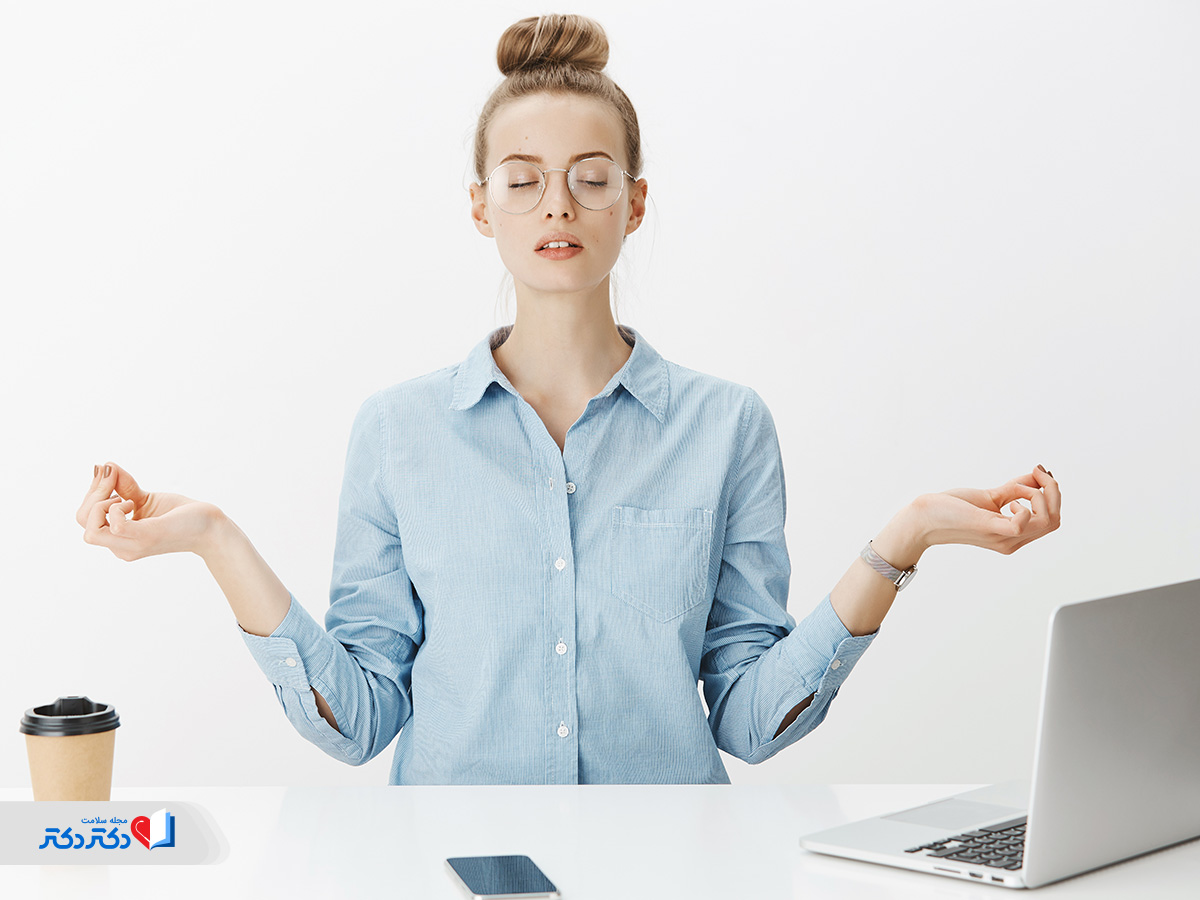
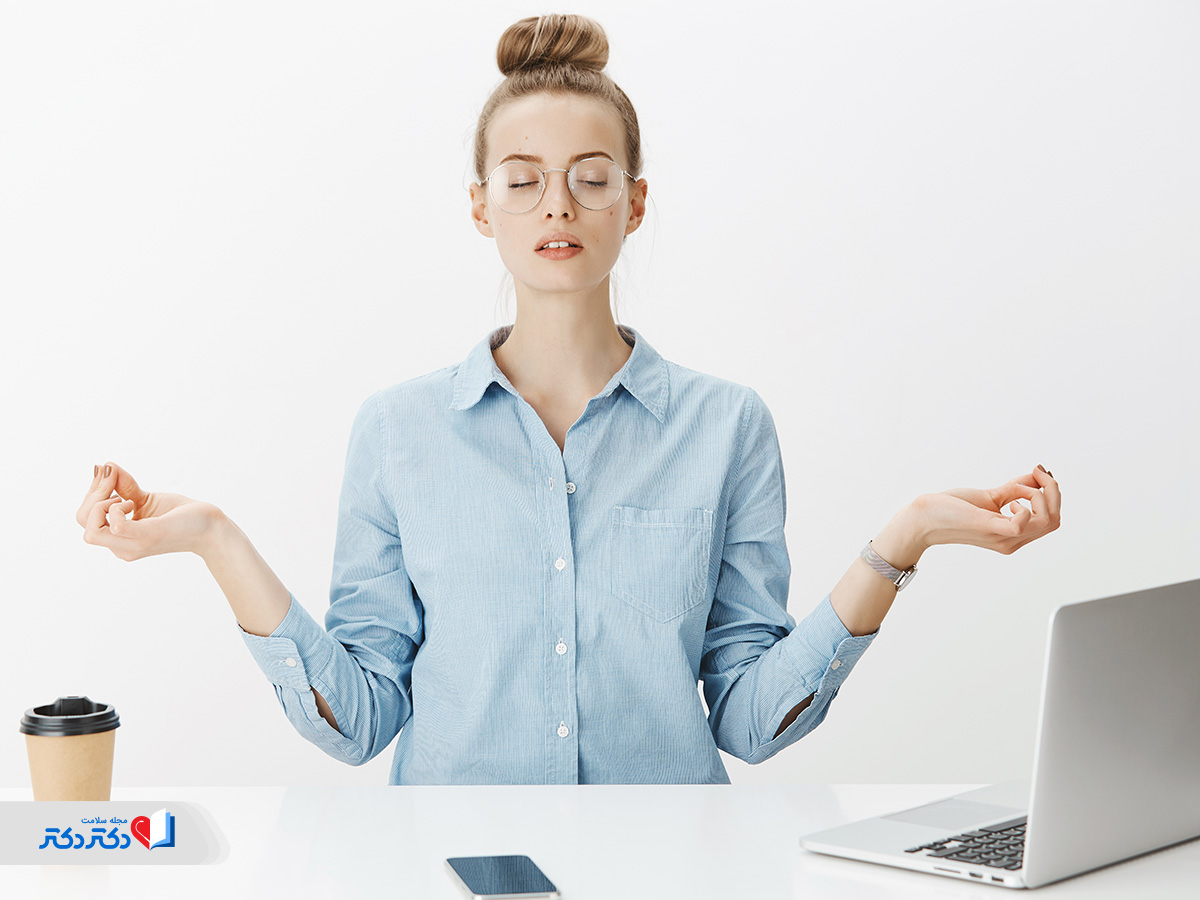
When your stress suddenly becomes intense, a few simple and immediate actions can calm your nervous system. Deep and slow breathing is one of the fastest methods. Doing a few simple stretching movements, changing your body position, consciously focusing on the present moment, listening to soft music, drinking a glass of warm drink like tea or washing your face with cool water can also help you to momentarily reduce stress and restore peace. It is for calming the nervous system because you can do it anytime and anywhere. To start, it is enough to focus your attention completely on your breath and put aside other thoughts to understand the sensation of inhaling and exhaling well. One of the effective methods in this field is "square breathing"; In this way, you inhale for four counts, hold the breath for four counts, finally exhale for four counts and pause again for four counts. Repeating this cycle for a few minutes helps the body relax, especially in stressful situations. Even in stressful situations, paying attention to your breath can prevent the physical symptoms of stress from aggravating.
Practicing deep breathing regularly throughout the day, such as when you're sitting in your doctor's waiting room or waiting on public transportation to get to your destination, can go a long way toward keeping you calm.
Relieve stress fast with relaxation Muscles
When the body is physiologically relaxed, the mind cannot remain in a state of extreme stress at the same time. Therefore, the process of de-stressing the body and removing the accumulated physical pressure also helps the process of freeing a person from mental pressure and stress. For this, it is enough to pay attention to your body for a few minutes and step by step, first contract and then release each muscle group.
You can start from the leg muscles and gradually move towards the legs, thighs, stomach, shoulders, hands and finally the face. Hold each contraction for about 5 to 7 seconds and then relax the muscle completely with a slow exhalation. This conscious release reduces muscle tension, relaxes the nervous system and gradually returns mental focus, and even in a short period of time it can greatly reduce stress.
How to control stress and anxiety in a few minutes?
Using the five senses is one of the effective ways to stay in the present moment and reduce stress quickly. In the well-known "5-4-3-2-1" method, a person pays attention to 5 things they see, 4 sounds they hear, 3 things they touch, 2 things they smell, and 1 taste they taste. This shift of focus from the source of stress to the surrounding environment can quickly reduce the level of adrenaline and bring the body back to a state of balance.
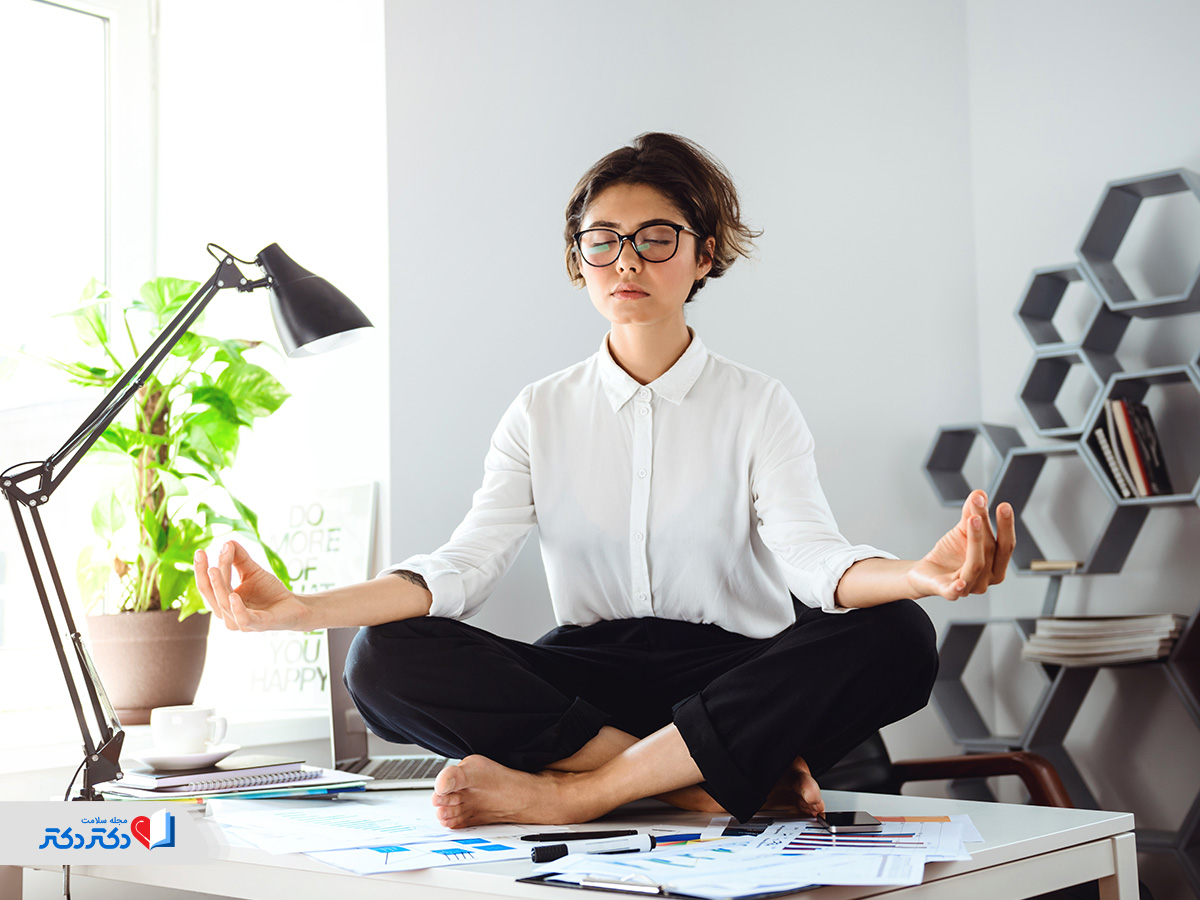
Other quick solutions include producing the sound of "mmmmm" which, by vibrating the lips, helps to calm the nervous system and reduce stress hormones such as cortisol and adrenaline. Also, simple physical solutions such as pressing a stress ball, chewing mint gum or inhaling energizing scents such as peppermint are effective in stressful situations. Even a short minute of meditation by closing the eyes and focusing on breathing can have a significant effect on a person's mental peace.
Why is it important to quickly control stress?
When we are under stress, the brain releases adrenaline to prepare the body for the "fight or flight" situation. This immediate release causes physiological changes; Blood pressure increases, heart rate increases, and body muscles contract. If this condition is not dealt with quickly, the immune system is weakened and the person may experience confusion, lack of concentration, and reduced productivity.
Sometimes extreme stress can cause a state of locking or "freezing", so that the person feels completely stuck and unable to do anything. This state known as panic attack It happens, it often occurs when the nervous system is under severe pressure or experience of past traumas. Learning techniques based on senses and movement can help reactivate the nervous system and return to balance.
Effects of stress and nervous pressure on the brain and nervous system
Stress and nervous pressure have immediate and long-term effects on the brain and nervous system. When a person is exposed to severe stress, the brain releases hormones such as adrenaline and cortisol, which increase heart rate, blood pressure, and muscle contractions to prepare the body for "fight or flight" mode. If this situation is prolonged, the structure and function of the brain will be affected, short-term memory will decrease, the ability to concentrate will decrease, and the parts related to decision-making and emotion regulation will be disturbed.
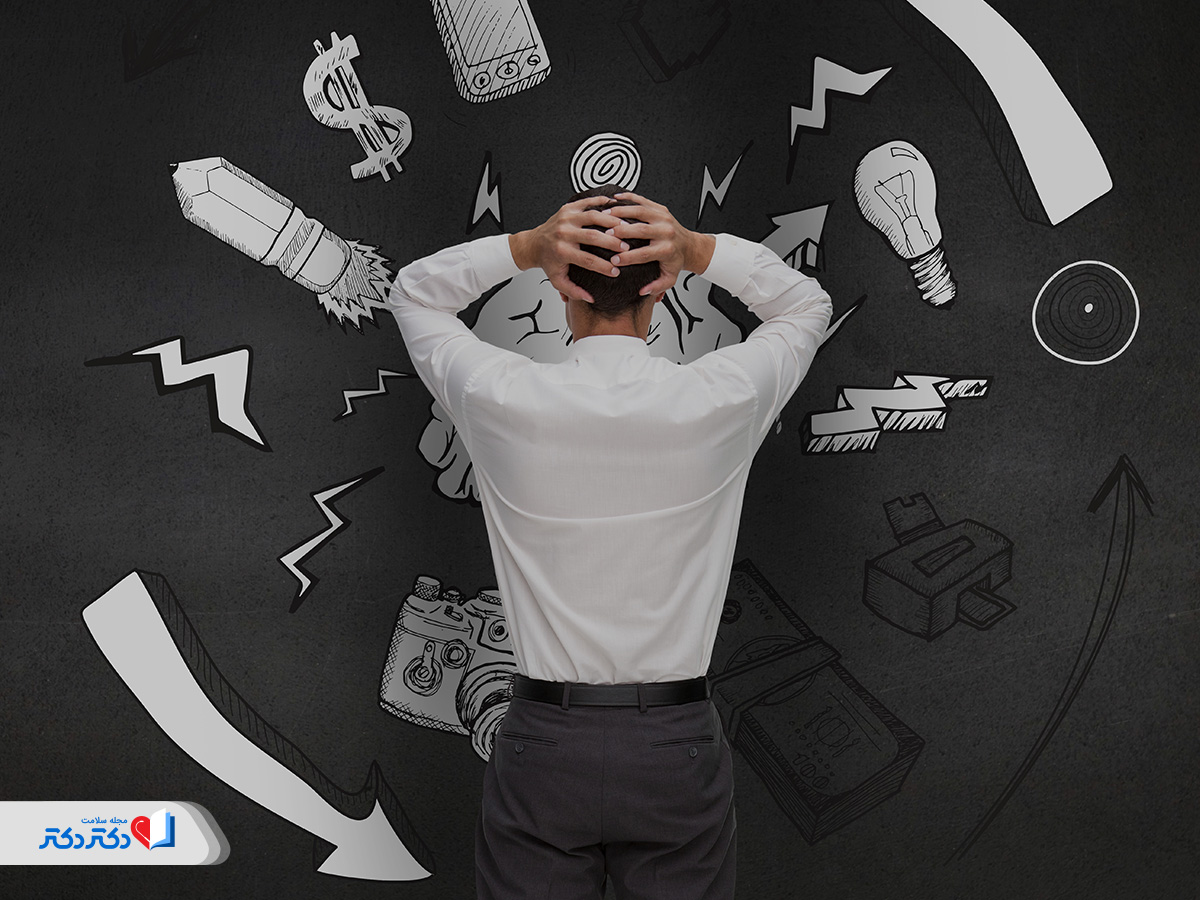
In addition, chronic stress can overactivate the autonomic nervous system, causing fatigue, anxiety, and weakness in response to future stressors. For this reason, learning stress management techniques and relaxation exercises can help restore the balance of the nervous system and reduce the negative effects on the brain.
The relationship between chronic stress and anxiety and physical diseases
If stress is not managed, it can have serious and long-term effects on the body. Chronic high blood pressure, which is one of the symptoms of persistent stress, increases the risk of heart attack and stroke. Also, frequent or intense experience of negative emotions can affect the health of the heart and lead to chronic heart problems.
In addition, stress causes the formation of unhealthy habits to cope with the pressure, such as smoking, excessive alcohol consumption or overeating, all of which weaken the body's health and intensify stress, predisposing a person to more chronic types of mental disorders.
How to know the roots of stress?
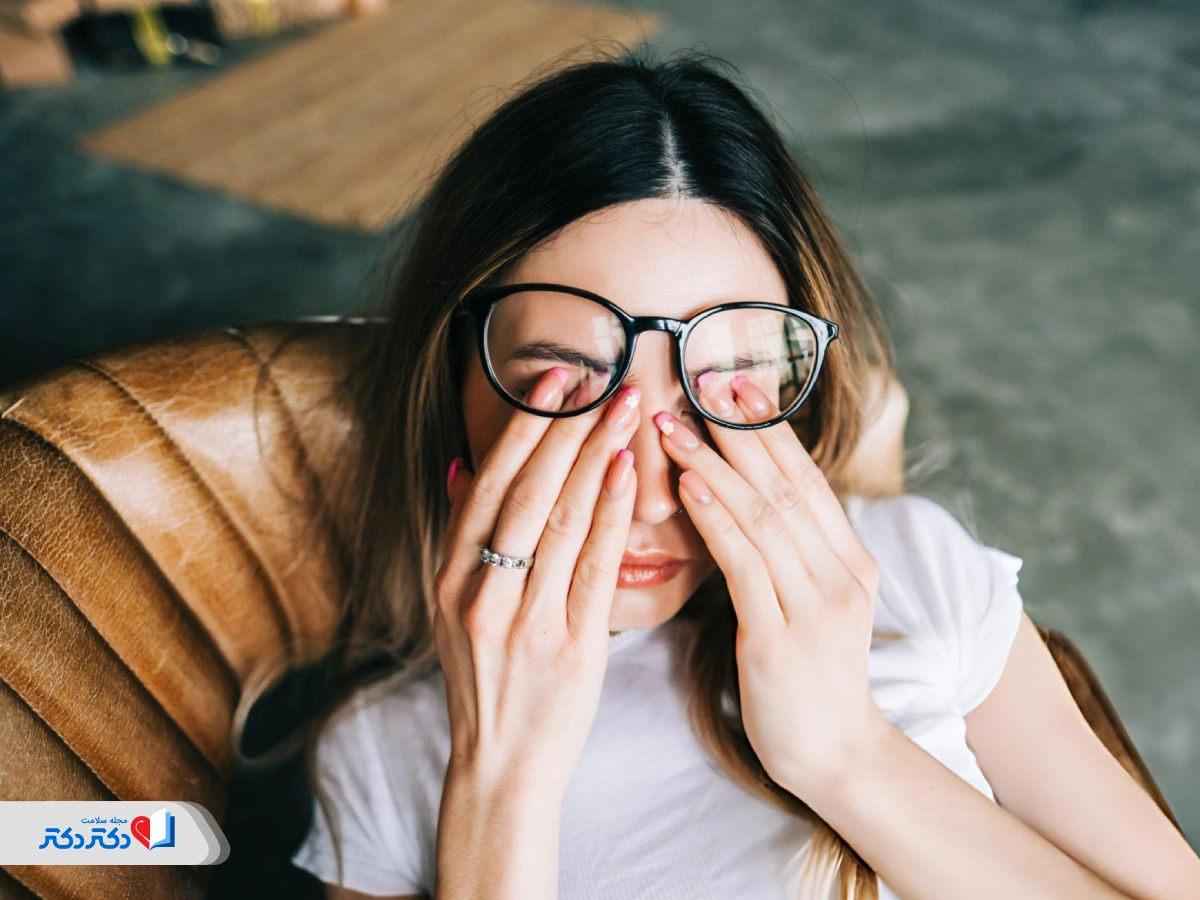
To reduce stress, the first step is to know its sources. Stress can be caused by work pressures, personal relationships or environmental factors such as traffic. Paying attention to the physical signs of the body, such as heavy eyes, knotted stomach or clenched fists, can help us understand that our stress level is increasing. By recognizing these signs, steps can be taken to manage stress before it reaches uncontrollable levels.
Next, seeking help from a professional can be very effective. Psychotherapists and clinical counselors are able to find the deeper roots of anxiety and provide appropriate coping tools for each individual. Also, it is important to know the type of response to stress; Whether our reaction is overly excited or overly passive, such as intense anger versus withdrawal and isolation. This knowledge helps to choose effective treatment methods that suit the individual's conditions and paves the way to control stress.
By carefully paying attention to the physical and psychological symptoms of your body, such as muscle cramps, heart palpitations, boredom, or a feeling of confusion, you can realize that stress is increasing and know the roots and the quick way to eliminate stress before it gets out of control. Accurate knowledge of these roots allows you to find appropriate and targeted solutions to reduce anxiety and restore mental peace.
Why is relief from stress temporary without knowing the cause?
Clinging to "quick fixes" such as alcohol or smoking is only temporary relief for your stress and does not solve the underlying problem. These methods may make you feel better for a moment, but often they only create new health problems and the real stress remains the same. Unless you take control of the situation and take action to fundamentally change the problem, stress is likely to become more intense over time.
True control for you means managing the things you can change and accepting what is out of your control. For example, if the work environment is causing stress, focusing on practical actions such as finding a new job is more effective than simply reacting to the stress. When you identify the root cause of stress, you can move beyond temporary solutions and build emotional strength and a more resilient lifestyle.
Ways to Reduce Stress in Everyday Life
Managing stress for you often starts with changing your inner story. Tools such as mindfulness and meditation play a key role; Mindfulness helps you examine your thoughts and feelings without judgment, and meditation allows you to observe your thoughts without judgment. Doing these exercises even for a minute can calm your busy mind and restore your mental balance.
Another effective mental tool is practicing gratitude. By writing down three things you are grateful for every day, your brain is trained to focus more on the positive and less on stress. In addition, writing down positive feelings or experiences is a way to release accumulated emotions and increase positive thinking over time.
Avoid stress by managing negative thoughts
Managing negative thoughts is very important to reduce persistent stress. When the mind repeatedly focuses on unpleasant scenarios or possible worries, the body enters a cycle of stress and its negative effects affect physical and mental health. By identifying negative thoughts and rationalizing them and asking, "Is this thought really true?" or "Is this anxiety manageable?" You can moderate your emotional reaction and prevent an unnecessary increase in mental pressure. Simple methods such as recording negative thoughts and analyzing them, practicing replacing negative thoughts with positive or realistic views, and practicing mindfulness help a person to have more control over the response to stress by distancing themselves from the automatic reactions of the mind. With this, not only momentary stress is reduced, but also the ability to deal with future pressures is strengthened and a more resilient mental lifestyle is formed. Regular exercise is one of the best ways to lose weight because it releases "feel good" endorphins and refocuses the mind by creating rhythmic movements. Any activity, from walking and running to even sweeping, helps to release daily anger and discomfort and makes the mind calmer and ready to solve problems.
Sufficient sleep and social connections also play an important role in stress management. Most adults need 7-9 hours of sleep a night to fully recharge their brain and body. Lack of sleep can reduce mood, energy and concentration. In addition, having a network of supportive friends and family allows a person to talk about their problems and psychological pressure and find the emotional strength needed to face new challenges.

The solution to stress at work and at home
In the work environment, mental pressure can be managed by "working smart". In this way, tasks are prioritized and a person focuses on important tasks and leaves less important tasks for later. Also, during high-stress sessions, secret techniques such as focusing on breathing, massaging your fingertips, or shaking your feet can help keep you calm. Personalizing your workspace with memorabilia or photos also creates an opportunity to take a mental break from the pressure of work.
At home, creating a quiet space can include simple activities like spending ten minutes tidying things or using a white noise machine to improve sleep. Also, to avoid family arguments, touch-related distractions can be used, such as thumb and forefinger pressing or rubbing a little scented lotion on the hands. Doing creative work such as cooking, baking or gardening also provides an opportunity to escape from everyday stress for a short time.
What should we eat to reduce stress?
A healthy diet is considered the basis for self-care and strengthening emotional resistance.
Effective food items in treating stress and Anxiety
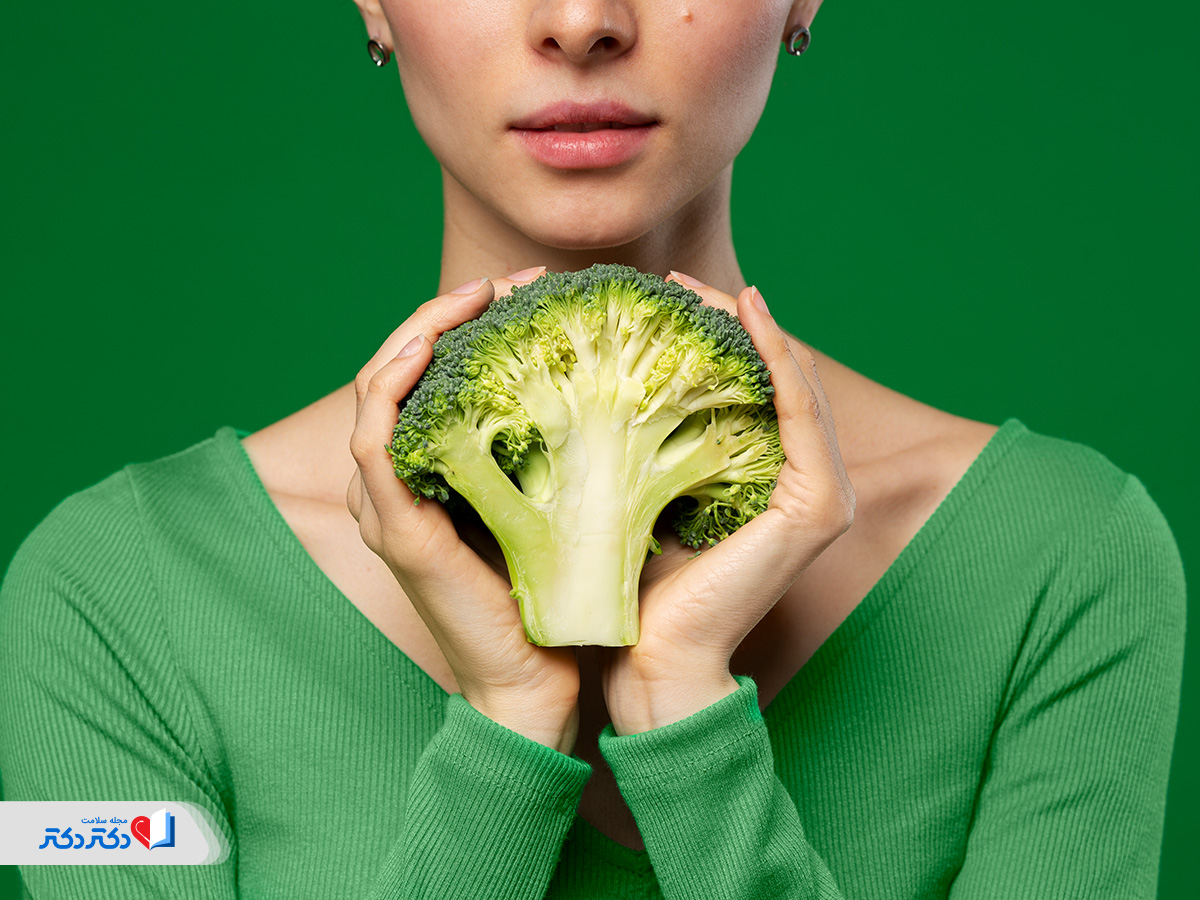
Food can play an important role in reducing stress and anxiety and strengthening mental health. Foods rich in omega-3 fatty acids, such as salmon, walnuts, and flaxseeds, can reduce brain inflammation and improve nerve function. Also, colorful fruits and vegetables such as berries, bell peppers, and broccoli can reduce the negative effects of stress due to their vitamins and antioxidants.
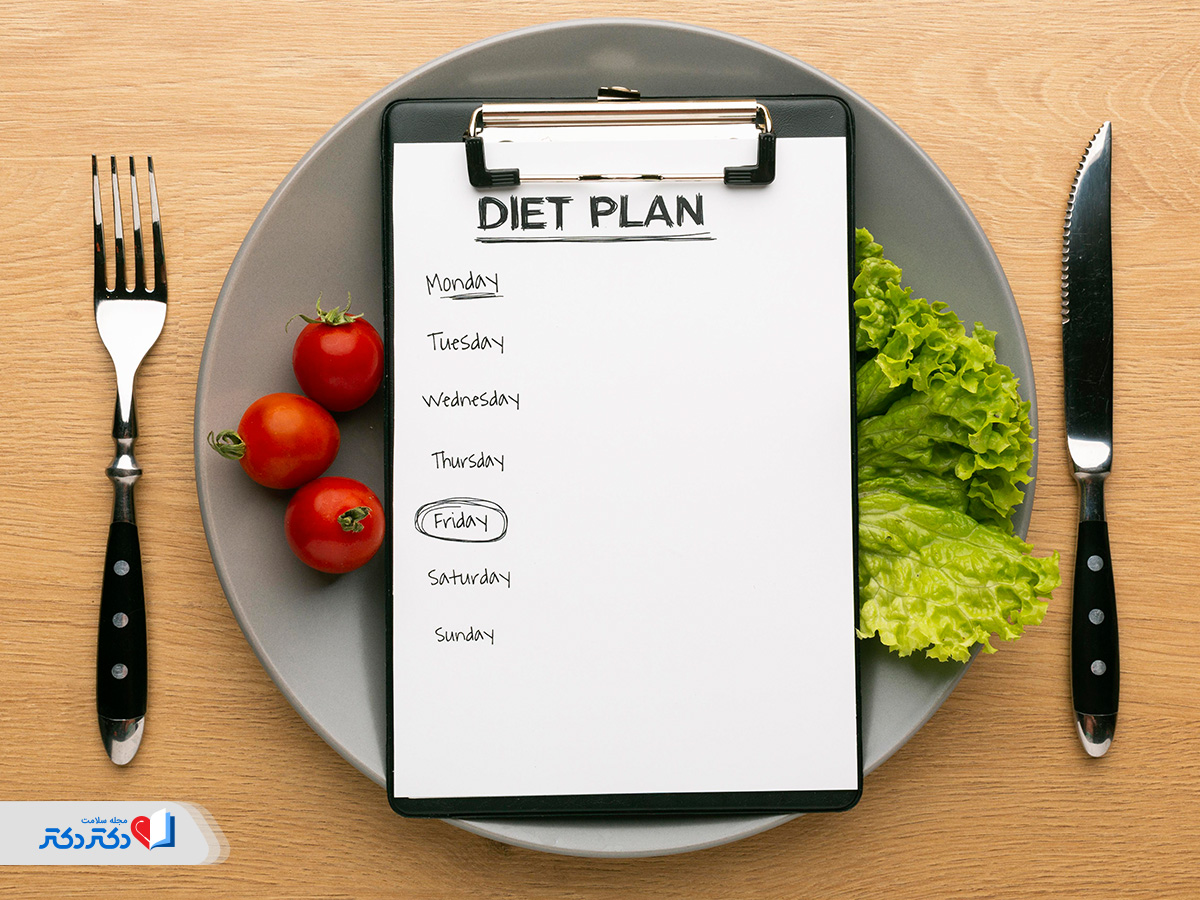
On the other hand, whole grains, legumes, and eggs help control mood swings and improve concentration by providing stable energy and essential nutrients. Even consuming small but nutritious foods, such as dark chocolate or mixed nuts, helps to increase the release of endorphins and reduce stress hormones, enhancing a person's sense of relaxation in the short term. It is better to include a lot of fruits, vegetables, and whole grains in the diet plan. Also, some foods such as walnuts, salmon, spinach, berries, and flax seeds contain substances needed by the brain for better performance and can be useful in dealing with the negative effects of stress and the aging process.
To reduce stress through food, the key is conscious and moderate consumption. A small amount of dark chocolate, a piece of ripe fruit or healthy and crunchy foods such as carrots, celery or a handful of nuts can eliminate the urge to overeat without causing negative effects. Chamomile and Borage tea have a calming effect and increase the quality of sleep. Green tea also contains antioxidants and the amino acid ltheanine, in addition to reducing anxiety, it increases mental concentration.
Other useful options include mint tea, hibiscus, and dried fruits such as peaches and barberries, which help the body to better manage nervous pressure and daily tensions by creating a feeling of warmth and relaxation. Regular consumption of these drinks can be part of the natural solutions to deal with stress.
If you don't have any of these drinks, just pour yourself a cup of hot tea or a glass of cool and fresh drink and get away from the hustle and bustle of daily work for a while.
What not to eat to reduce stress?
Some foods and drinks can aggravate stress and it is better to consume less during periods of mental pressure. Consuming too much caffeine, such as coffee or energy drinks, can increase heart rate and increase feelings of anxiety. Sugar and very sweet foods also cause blood sugar fluctuations; These conditions can destabilize mood and energy and increase the feeling of stress.
Also, fatty and processed foods or fast foods, by affecting the digestion and inflammation of the body, increase mental pressure. Being aware of these substances and replacing them with healthy options is one of the simple and effective ways to manage stress in everyday life.
Home treatment for stress and anxiety
To reduce stress and anxiety at home, you can use simple and effective methods that do not require drugs or special equipment. Deep breathing exercises, short meditation and mindfulness help to calm the mind and reduce the level of stress hormones. Light physical activity such as walking, simple stretches, or yoga has a strong calming effect by releasing endorphin hormones and reducing muscle tension. In addition, maintaining a healthy diet, drinking soothing herbal teas, getting enough sleep, and interacting positively with family and friends are considered strong bases for dealing with everyday mental pressures and can help maintain mental and physical balance. Also, studies show that interacting with pets such as dogs and cats lowers cortisol levels and gives a sense of relaxation.
Listening to soft music or nature sounds, writing down daily feelings and thoughts, or even painting and creative works can distract the mind from stress and create a sense of satisfaction.
The effect of aromatherapy and warm baths on reducing Stress
Aromatherapy is one of the effective sensory tools for home use. Lighting scented candles, using incense or essential oils such as lavender, peppermint, and lemon can help reduce stress quickly and create a relaxing experience.
In addition to smell, the feeling of warmth and comfort is also important. Wrapping yourself in soft blankets or wearing comfortable clothes promotes a sense of security and relaxation. The combination of these sensory stimuli provides a gentle environment that helps the nervous system regain its balance and calmness.
Reduce mental stress for restful sleep
There are some simple and effective strategies to reduce stress and anxiety before sleep, which can speed up the relaxation process and improve the body and mind's preparation for sleep. Practicing calm breathing exercises such as deep breathing or 4-7-8 helps calm the nervous system and can reduce stress before bed. Also, gradual muscle relaxation, such as contraction and expansion of body parts from head to toe, can release the body from tension and prepare it to enter the resting state.
To achieve relaxation before sleep, it is important to calm the mind and stop the flow of scattered and disturbing thoughts at night. Meditation is an effective tool in this regard, as it allows one to observe one's thoughts without judgment and become calmer. Even a minute of regular and uniform breathing practice can prepare the mind to rest.
Another method is to take notes, which allows the expression and discharge of accumulated emotions. Practicing gratitude is also very useful; Writing down three things that went well or that you are grateful for during the day helps the brain to focus more on positive experiences and avoid constantly reviewing daily stresses.
Night habits to relieve stress and anxiety
A relaxing nighttime routine is essential to send the body a recharge signal. This routine can include listening to soft music to reduce muscle tension and stress hormones or using moisturizing incense with light and relaxing scents.
Physical environment also plays an important role in reducing stress. Make sure your bedroom is cool, dark and quiet to experience quality sleep. Before going to sleep, stay away from technology devices and put away the phone and tablet. In addition, take ten minutes to declutter your bedroom to reduce your visual stress and relax.
Are drugs the solution to stress?
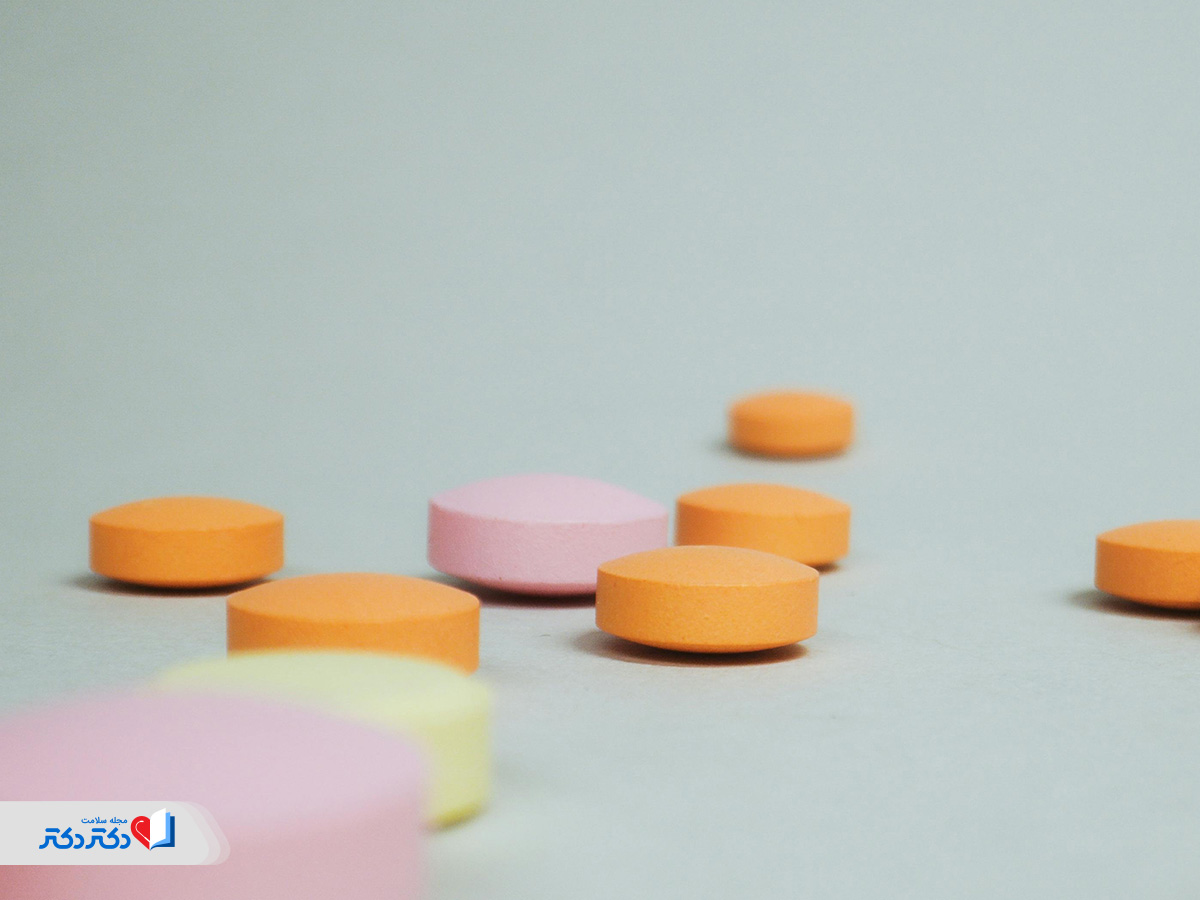
Drugs can help reduce the symptoms of stress and anxiety in certain short-term situations, but they do not solve the root of the problem alone. Medications often work by modulating hormones or neurotransmitters and may have an immediate effect, but long-term stress management requires combining medication with behavioral techniques, mindfulness, exercise, and lifestyle changes. Therefore, medication is a complementary tool, not a complete substitute for non-pharmacological methods of coping with stress.
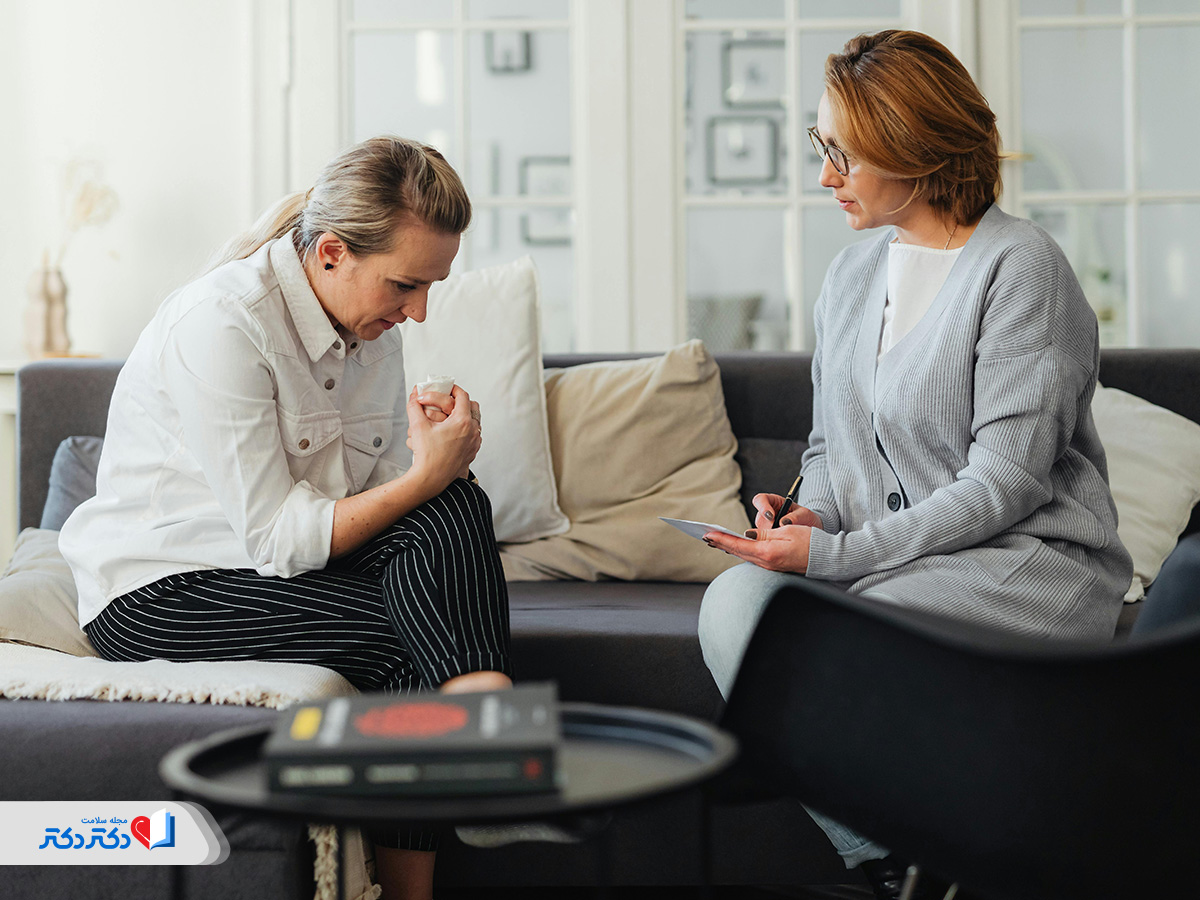
If for any reason you think that drug therapy can help you, first of all, be sure to use the help of a professional. We have provided you access to dozens of psychiatrist doctors online on the Dr.Doctor website so that you can contact and consult with our specialists safely from any geographical location. Also, in case you need medicine, DoctorDoctor Pharmacy has prepared the conditions for ordering and receiving medicine at your home.
Anti-anxiety drugs and their use
Medications are sometimes prescribed to treat underlying stress-related problems, but are often part of a broader clinical program. For example, in people who have severe hormonal changes, hormone replacement drugs or short-term anti-anxiety drugs are sometimes used so that the intensity of anxiety symptoms is reduced and the person can cope better with everyday situations. Also, anti-anxiety drugs such as benzodiazepines or some antidepressants with a sedative effect can help reduce anxiety attacks, severe tension and insomnia in the short term. However, experts often recommend that these drugs be used in conjunction with psychotherapy and lifestyle changes to create a long-term and lasting effect in controlling stress and anxiety.
Herbal Supplements and Remedies for Stress Treatment
Natural and herbal options are often considered as supplements or alternatives to traditional medications. According to research, essential oils used in aromatherapy, such as lavender and peppermint, are tools that can reduce stress in healthy adults. Drinking herbal teas or other warm drinks is also a simple way to create a sense of relaxation on busy days. Also, herbal supplements such as chamomile, hops and valerian are used to reduce tension and improve sleep quality. In general, the important thing is that herbal supplements are used along with healthy lifestyle habits such as regular exercise, balanced nutrition and mental relaxation techniques so that their effects are sustained.
Stress treatment without drugs; Fact or myth?
Medication-free stress treatment is realistic and effective for many people, because the quickest way to relieve momentary stress is often through sensory stimulation and physical activity, not medication. Techniques such as gradual muscle relaxation such as contracting and releasing muscle groups can bring the body into a state of physical relaxation and subsequently calm the mind.
For people who need more structured support, cognitive behavioral therapy (CBT) and other psychotherapies under the supervision of experts are also important non-pharmacological tools for identifying the roots of stress and learning new coping strategies.
Although medication may be helpful in some cases. Conditions may be necessary, but a combination of non-pharmacological methods such as sensory training, muscle relaxation, meditation and psychotherapy can significantly reduce stress and anxiety levels and allow a person to have more control over their mental and physical reactions. These approaches are not only useful for the immediate reduction of daily pressures, but also provide long-term coping skills and resistance to face future stress.
When should we see a doctor for stress?
If the usual self-care methods are not able to reduce stress or the new stress makes the person unable to continue his daily life, it is necessary to see a psychologist and psychiatrist. Warning signs include feeling overwhelmed or stuck, difficulty doing everyday tasks, and difficulty meeting work or family responsibilities. Also, if you are concerned or unable to enjoy recreational activities, consultation with a general practitioner or psychotherapist is recommended.
Also, medical intervention becomes necessary when stress begins to cause serious physical symptoms, such as chronic high blood pressure that increases the risk of heart attack or stroke. In case of sudden symptoms such as severe headache or extreme fatigue, you should see a doctor immediately, as these can be signs of serious problems caused by chronic stress. A doctor can develop a comprehensive plan or a ten-step checklist to fully manage your health.
Can stress be completely eliminated?
Stress is a natural physiological "fight or flight" response that helps the body manage immediate pressures; Therefore, it cannot be completely removed from life. The goal of stress management is not to completely eliminate stress, but to maintain balance. In fact, ideally, we should be able to stay alert, focused, and in control of the situation without feeling "drowsy" or overwhelmed.
An important part of stress management is learning to accept the things we cannot change. We may not be able to control difficult situations like sudden changes in work or personal life, but we can manage our reaction and focus on the actions we are capable of taking. With this approach, stress no longer becomes our enemy, but becomes a tool to increase alertness and perform better in the face of challenges.
The difference between stress control and its complete elimination
Stress control means learning ways to manage physical and mental reactions to pressures, without expecting stress to disappear completely. On the contrary, the complete elimination of stress is an unrealistic goal, because stress is a natural part of life and the body's response to environmental pressures.
Trying to eliminate it completely often increases anxiety and inability to face challenges. When our focus is on stress control, we can use stress as a stimulus to improve performance and make better decisions, not an obstacle to our daily life, while our physical and mental health is not compromised.
How to manage fear and stress sustainably?
Having a positive outlook and a regular routine of stress inhibitors such as physical activity helps to reduce anger and Daily tensions will decrease and the mind will calm down. Building a support network of friends, family, or colleagues is also important, as talking to a caring listener can provide fresh perspective and help you find new solutions.
Furthermore, practicing organization and prioritization skills, along with learning to set healthy boundaries, can help reduce ongoing stress. Avoiding unhealthy habits such as consuming too much caffeine or alcohol and paying attention to nutrition and adequate sleep helps to stabilize the balance of mind and body and enables sustainable management of stress and fear. The last words of the doctor. Methods such as deep breathing, muscle relaxation, mindfulness practice, and the use of the five senses can instantly reduce stress and restore peace. Also, a healthy lifestyle including adequate sleep, regular exercise, balanced nutrition and supportive relationships are the foundations of sustainable coping with stress. However, if none of these solutions work to reduce your stress, we suggest you seek help from a professional psychologist or psychiatrist. We at the experienced team of Dr. Doctor have provided you with access to dozens of mental health specialists so that you can access mental health professionals from anywhere in the world. Also, if you live in Iran, you can buy the medicines and supplements you need from DoctorDoctor Pharmacy to improve your quality of life. So, take action now to improve your mental and psychological conditions.