
راههای زود جوش خوردن ایمپلنت | افزایش سرعت ترمیم ایمپلنت دندان 🦷✨
دکتر محمدرضا چالاک – دندانپزشک زیبایی مشهد- جراح ایمپلنت دندان مشهد
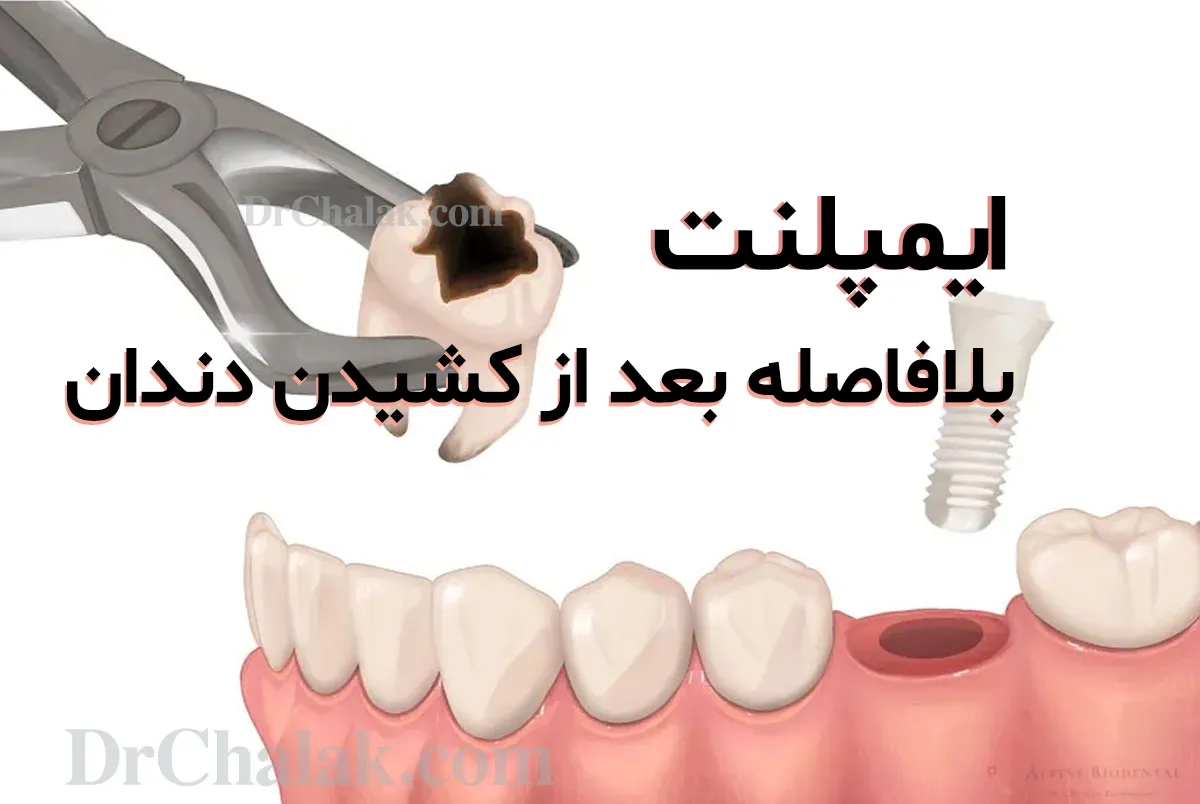
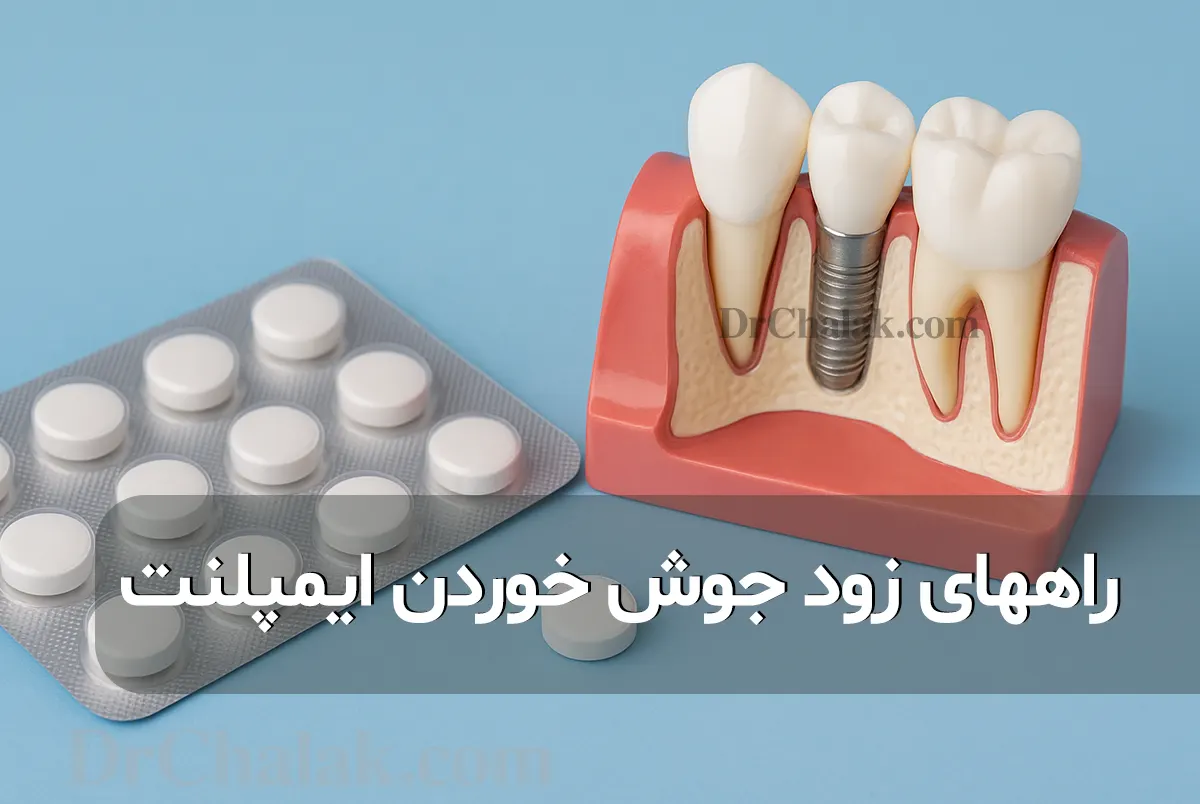
راههای زود جوش خوردن ایمپلنت؛ ایمپلنت دندان یکی از روشهای پیشرفته و مطمئن برای جایگزینی دندانهای از دست رفته است. این روش بهدلیل ظاهر طبیعی، دوام بالا و کارایی مشابه دندان واقعی محبوبیت زیادی پیدا کرده است. اما کلید اصلی موفقیت ایمپلنت در فرآیندی به نام اسئواینتگریشن (Osseointegration) نهفته است؛ یعنی همان جوش خوردن پایه تیتانیومی ایمپلنت با استخوان فک.
بیماران زیادی این سؤال را میپرسند: راههای زود جوش خوردن ایمپلنت چیست؟
پاسخ به این سؤال شامل مجموعهای از اقدامات تغذیهای، بهداشتی، سبک زندگی و پزشکی است که در ادامه بهطور کامل بررسی میکنیم.
چرا جوش خوردن ایمپلنت اهمیت دارد؟
وقتی پایه ایمپلنت در استخوان قرار میگیرد، بدن باید آن را بهعنوان بخشی از ساختار خود بپذیرد. This acceptance requires time, nutrients and favorable conditions.
If the fusion is successful:
The implant remains for years without problems.
The crown is placed on the implant firmly and beautifully.
The patient chews food and speaks more easily.
But if the fusion is incomplete, the possibility of loosening or Implant failure increases. Therefore, it is necessary for every patient to observe the ways of quick implant fusion.
Part I: nutrition and supplements for fast implant fusion
1. calcium; The main brick of bones 🥛
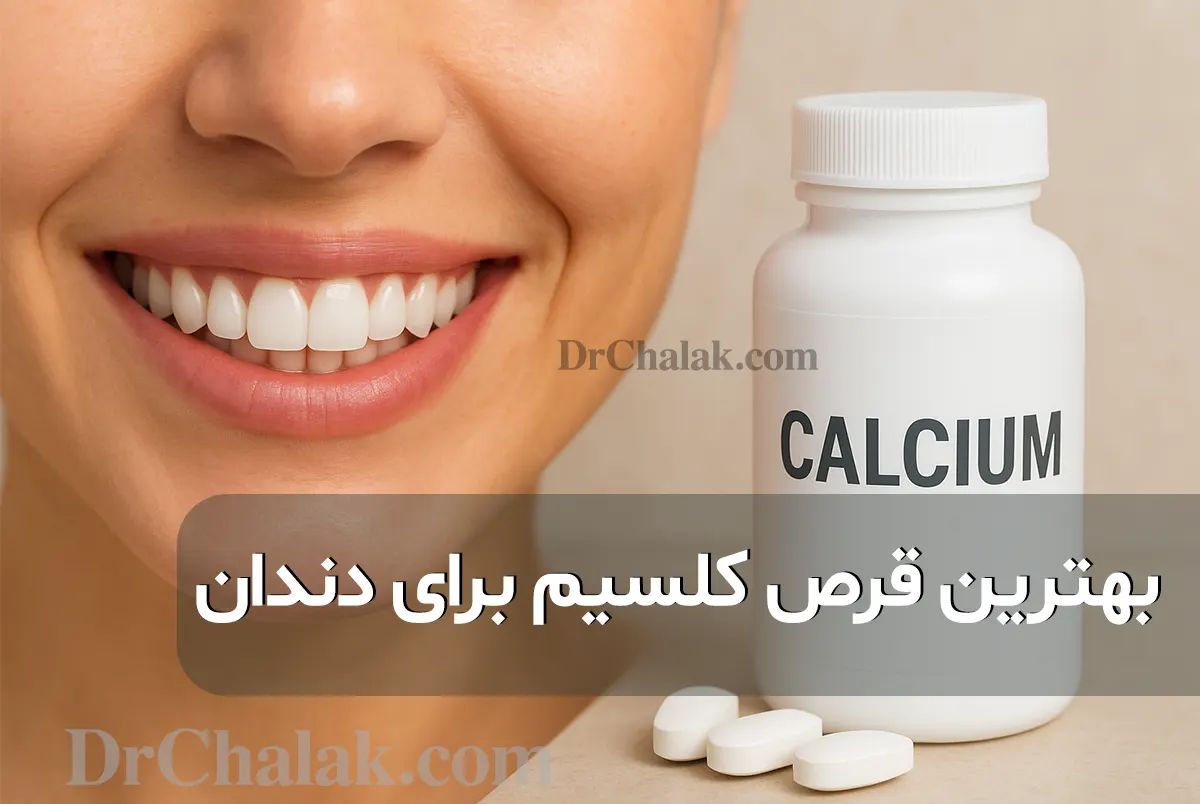
Calcium is the most important mineral for bone strength. Without it, the jawbone cannot hold the implant base properly.
Food sources of calcium:
Dairy products (milk, yogurt, cheese)
Green leafy vegetables such as spinach and broccoli
Seeds and nuts (almonds, sesame)
Fish such as Sardines and salmon
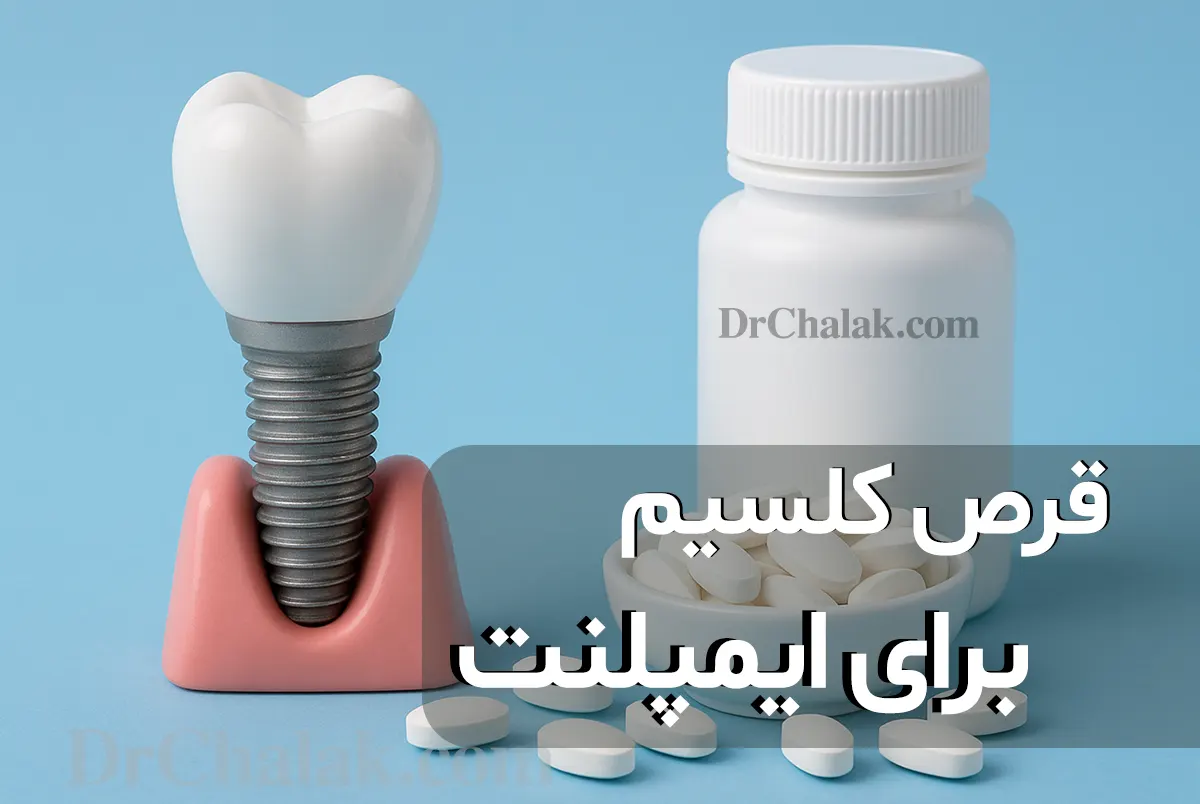
📌 In many patients, the dentist recommends taking calcium tablets to speed up the healing process.
2. vitamin D; The key to absorbing calcium ☀️
Without vitamin D, the body will not be able to absorb calcium.
The best natural source is sunlight.
In case of deficiency, vitamin D supplementation is recommended.
Foods such as eggs and fish also contain vitamin D.
3. protein; The raw material for tissue repair 🍗🥚
The body needs enough protein to regenerate bones and gums.
Protein sources: white meat, fish, eggs, legumes.
Protein helps produce new cells and heal wounds.
4. Vitamin C; Supporting the gums 🍊
Vitamin C is necessary for collagen production.
Collagen strengthens the gums and reduces inflammation.
Its deficiency leads to bleeding gums and slow healing process.
5. zinc and magnesium; Repair boosters
Zinc: Helps repair wounds. Sources: red meat, pumpkin seeds, brains.
Magnesium: plays a role in bone formation. Sources: green leafy vegetables, nuts, whole grains.
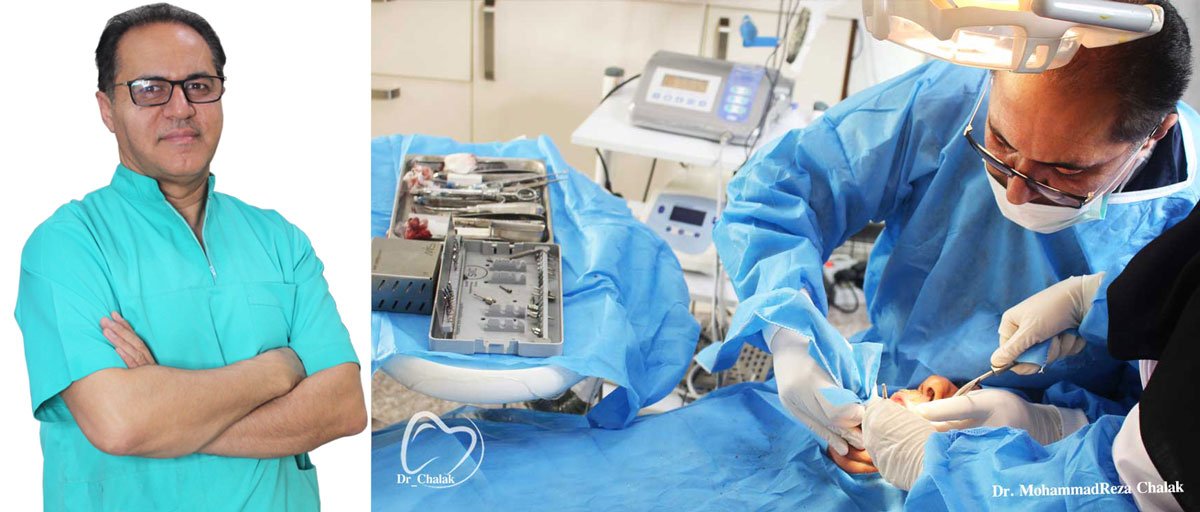
Dr. Mohammad Reza Chalak, Mashhad dentist (cosmetic and implant specialist)
To view Dr. Chalak's Instagram, click on the button below or search Dr_Chalak on Instagram.
Part II: Healthy lifestyle for fast implant fusion
6. Avoiding smoking and alcohol 🍷
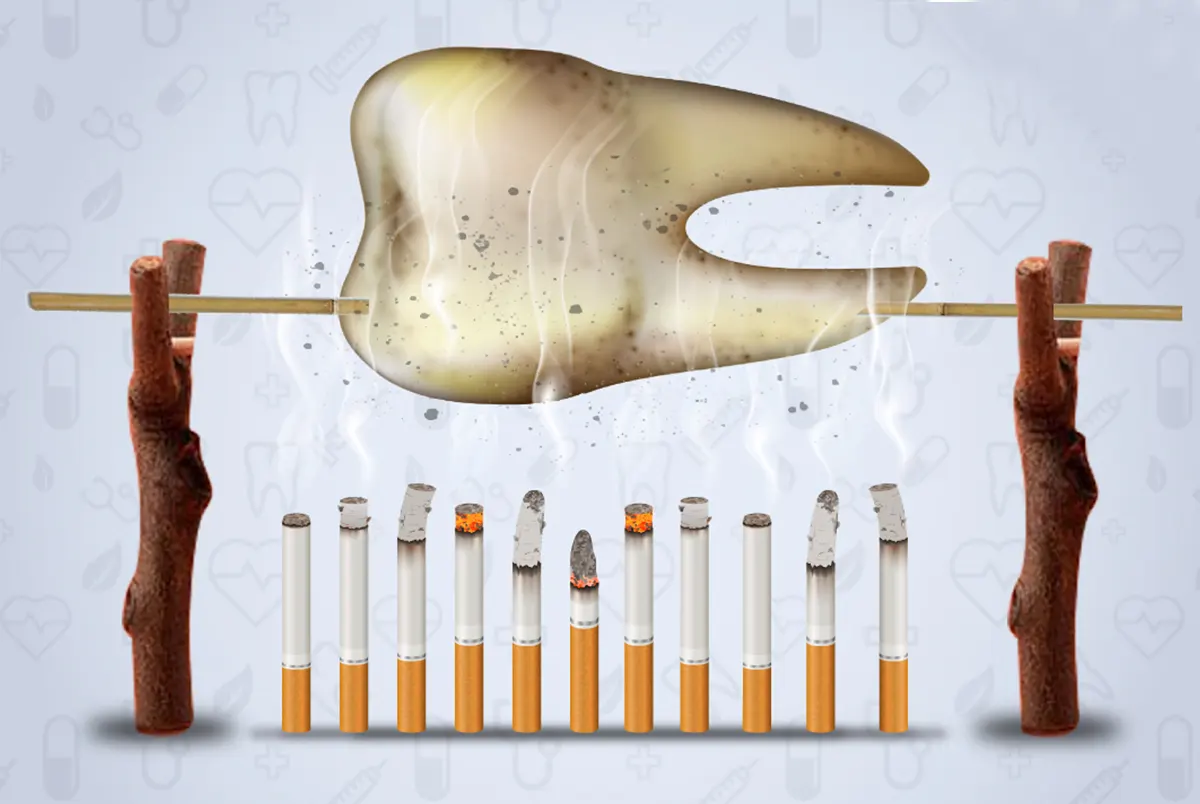
Cigarettes and alcohol are one of the biggest obstacles to implant fusion.
Nicotine in cigarettes narrows blood vessels and reduces blood supply to the jaw bone.
Alcohol disrupts the function of the immune system and slows down the cell regeneration process.
📌 Research has shown the rate of implant failure. In smokers, it is twice as much as in non-smokers. Therefore, one of the most important ways to heal the implant early is to quit smoking and avoid alcoholic drinks.
7. Oral hygiene 🪥
Newly placed implants are very sensitive to infection.
Use a soft toothbrush for implants.
Dental floss or interdental brushes are very effective for cleaning around the base of the implant.
Chlorhexidine mouthwashes can reduce harmful bacteria.
If oral hygiene is not observed, gum inflammation and infection will delay the healing process. 8. Nutrition after surgery
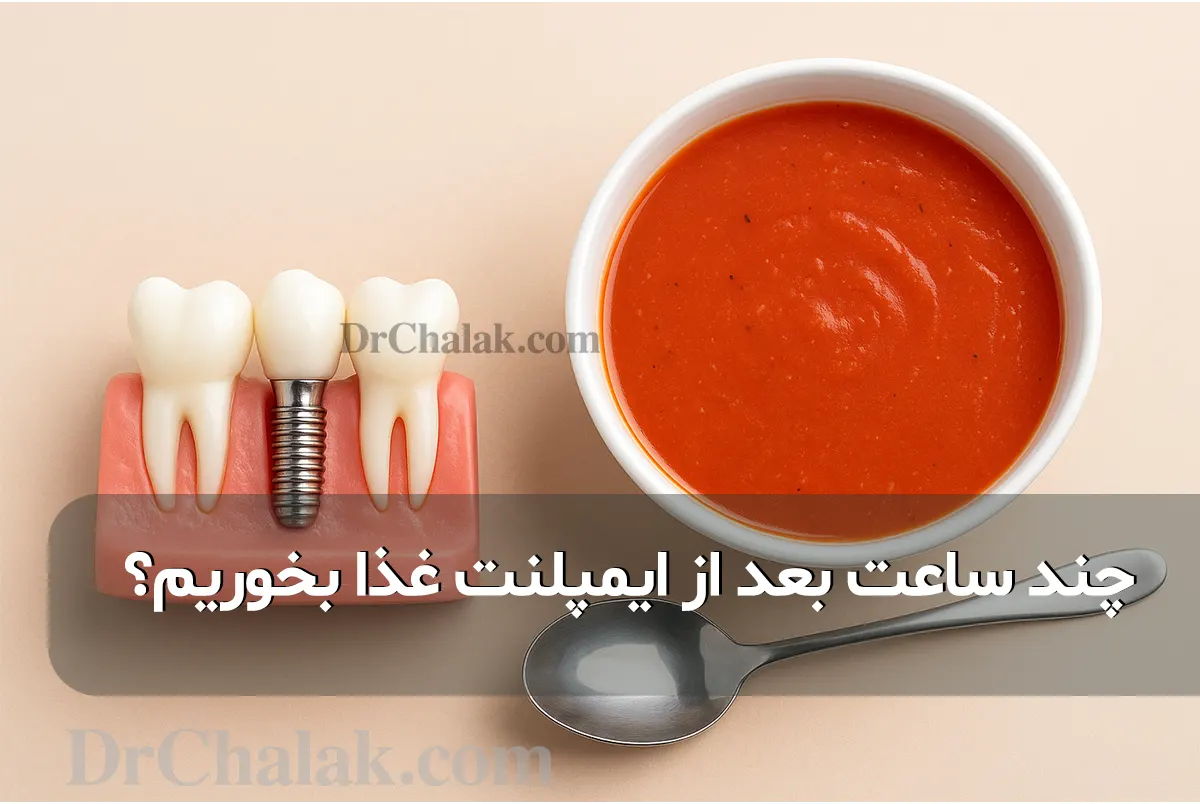
In the first weeks, you should have a soft and nutritious diet:
Vegetable soup
Mashed potatoes
Soft-boiled eggs
Yogurt and fruit smoothies
Avoid biting on hard foods such as apples and nuts to put direct pressure on the Don't insert the implant.
9. Adequate sleep and stress management 😴🧘
The body's immune system is more active during sleep and tissues are repaired.
Sleep 7 to 8 hours a night is recommended.
A lot of stress increases the hormone cortisol and slows down the repair process.
Meditation, yoga or even daily deep breathing can help reduce stress. slow.
10. Light and regular exercise 🚶♀️
Light exercise like walking helps in better blood circulation.
For the first two weeks, heavy sports should be avoided.
More intense activities can be started again after consulting the doctor.
11. Regular use of prescription drugs 💊
The doctor may prescribe antibiotics and pain relievers.
Complete use of drugs prevents infection.
Arbitrary discontinuation of drugs will cause inflammation or return of infection.
Part three: Diseases and conditions that slow down the process of implant fusion They do
Uncontrolled diabetes
Diabetes disrupts blood circulation and wound healing. Diabetic patients should control their blood sugar before implant surgery.
Osteoporosis
Weak bones have little ability to maintain the implant base. In this situation, calcium supplements and strengthening drugs are necessary.
Gum diseases
If there is periodontal disease (gum infection) before surgery, the probability of implant failure increases. Gum treatment should be done first.
Usage of special drugs
Cortone drugs
Bisphosphonate drugs for osteoporosis
These drugs have a negative effect on bone regeneration. The doctor should be aware of their use.
Part 4: Modern methods to accelerate implant fusion
Laser therapy
Some clinics use lasers to stimulate the growth of bone and gum tissue. This method reduces inflammation and accelerates recovery.
Platelet-rich plasma (PRP)
In this method, the patient's own blood is used to extract growth factors. This plasma is then placed in the surgical site to speed up the healing process.
Implant surface design
Today, many implants are produced with special coatings that increase bone adhesion to titanium. This new technology helps the fusion to be done faster and more completely.
Part 5: Daily habits that increase the speed of implant fusion
Sometimes small changes in lifestyle have a big impact on the treatment process. These habits are simple but have amazing results:
1. Drinking enough water 💧
Enough water is not only beneficial for the overall health of the body, but also helps to maintain oral moisture and prevent the accumulation of bacteria. Dehydration can slow down the healing process.
2. Chewing food with the other side of the mouth 🍲
In the first days and weeks, it is better to chew food more with the side that does not have the implant. This prevents unnecessary pressure from being applied to the base of the implant.
3. Using a cold compress in the first 48 hours ❄️
Cold compress on the cheek of the surgical area reduces inflammation and swelling and makes the healing process go better.
4. Avoiding touching the implant with tongue or finger 👅✋
Many patients unconsciously touch the implant site. This can damage the sutures or new tissue and slow down the healing process.
5. Observing the schedule of periodic visits 🩺
Regular visit to the dentist is necessary to check the condition of the implant. If a small problem is detected in the early stages, it can be easily fixed and treatment failure can be prevented.
Section 6: Final Summary
Dental implants are a long-term investment for the health and beauty of your smile. But the success of this treatment largely depends on your cooperation with the dentist.
In order for the implant to fuse faster and better, you should:
Use enough nutrients such as calcium, vitamin D, protein, vitamin C and zinc.
Give up smoking and alcohol.
Get enough sleep and manage stress.
Do light exercise and Avoid putting too much pressure on the implant.
Maintain good oral hygiene.
Go to the dentist regularly.
If you follow these principles, your implant will not only fuse faster, but will last for years without problems.
Section 7th: Frequently asked questions about the ways of early fusion of implants
1. How long does it take for the implant to fully fuse?
On average, it takes between 3 and 6 months. This time can be shorter or longer depending on the general health of the patient, bone density and compliance with care tips.
2. Do all patients need calcium supplements?
No. If the person's diet is rich in calcium and there is no specific deficiency, maybe there is no need for supplements. But many patients, especially people over 40 years old, benefit from calcium and vitamin D tablets.
3. Is chewing gum allowed after the implant?
No in the first weeks, because it creates pressure on the implant base. After the implant is fully welded, it can be consumed in a limited way.
4. Does the consumption of coffee and tea prevent implant welding?
Coffee and tea do not have a direct effect on welding, but their high consumption can cause teeth staining or gum irritation. It is better not to use it in the first days.
5. Does stress really slow down the healing process of implants?
Yes. Stress causes the release of the hormone cortisol, which weakens the immune system. Therefore, stress management is one of the ways to fuse the implant early.
6. Can I get an implant if I have diabetes?
Yes, but only if the diabetes is under control. Otherwise, the possibility of infection and failure of the implant is high.
7. What are the best foods for after implants?
Soft and hearty foods such as soup, yogurt, boiled eggs, cooked beans, steamed vegetables and soft fruits such as bananas.
8. Who are more prone to implant failure?
Smokers
Uncontrolled diabetic patients
Those with severe osteoporosis
People who do not observe oral hygiene
9. Can athletes exercise immediately after the implant?
Light exercise such as walking is allowed, but heavy exercise should be postponed for at least 2-4 weeks.
10. Is laser therapy or PRP really effective?
Yes. Research has shown that these methods can speed up the healing process of bone and soft tissue, especially in high-risk patients. 11. Are implants always successful?
The implant success rate is above 90-95%, but individual factors and post-surgical care can change this number.
12. How long can I eat solid foods after surgery?
Usually after a month, you can gradually introduce harder foods into the diet, but the exact time depends on the opinion of the dentist.
13. Can herbal medicines also help?
Some plants such as turmeric and aloe vera have anti-inflammatory properties. But their use should be done with the doctor's advice.
14. Does the age of the patient affect the speed of implant fusion?
Yes. Younger people usually recover faster because their body metabolism and bone regeneration are more active.
15. Is mouthwash necessary?
Yes, especially in the first few weeks. Antibacterial mouthwash prevents infection and speeds up the healing process.