

راهکارهای پیشگیری از پوسیدگی دندان
تعریف پوسیدگی دندان
پوسیدگی دندان (Caries / Tooth decay) فرایندی تدریجی است که در آن ساختار دندان — ابتدا مینای دندان و سپس عاج و در صورت پیشرفت، پالپ — تخریب میشود.
پوسیدگی زمانی رخ میدهد که باکتریهای دهان (مثل Streptococcus mutans و لاکتوباسیلها) قندها و کربوهیدراتهای قابل تخمیر را مصرف و اسید تولید میکنند. این اسید باعث «دمینرالیزاسیون» (از دست رفتن مواد معدنی) مینای دندان میشود. If left untreated, tooth enamel weakens, cavities form, dentin tissue is damaged, and ultimately pulp infection may occur.
As a result, the tooth becomes sensitive to temperature, pain occurs, white or brown spots may appear, and in more advanced stages, it may even lead to tooth loss.
Why prevention is important
Caries Tooth is one of the most common oral and dental diseases and can occur at any age.
If it is identified and controlled in the early stages, it can be prevented with simpler methods.
If care is not taken, it may be necessary to fill, nerve extraction or even tooth extraction, which has more costs, pain and consequences.
Because of this prevention, not only oral health
Preventing tooth decay at home
Regular and correct brushing: twice a day (eg morning and night), at least two minutes, with a suitable toothbrush and gentle circular movements and covering all surfaces of the teeth; Do not forget the internal surfaces and molars.
Dental floss: daily use of dental floss (or water jet) to clean the spaces between the teeth that the toothbrush cannot reach. This is very important to remove plaque and food particles.
Fluoride toothpaste: Using fluoride toothpaste helps strengthen the tooth enamel and its resistance to acid.
Drink enough water and stay hydrated: Water helps wash away food particles and produce more saliva — saliva plays an important role in neutralizing acids and protecting teeth.
Regular dental visits: Regular checkups can detect and treat early decay or hidden areas between teeth (not visible to the naked eye).
What to eat to prevent tooth decay
Nutrition plays an important role in the health of teeth. Some foods and micronutrients directly help strengthen tooth enamel and prevent decay.
Calcium and Phosphorus: These minerals are essential for the strength of tooth enamel and jaw bone structure. Good sources: dairy (milk, yogurt, cheese), fatty fish, green leafy vegetables, legumes, nuts.
Vitamin D: important for better absorption of calcium and phosphorus. Vitamin D deficiency can weaken tooth enamel and increase the risk of tooth decay. Vitamin C: Helps maintain gum health and prevent gum disease — healthy gums help protect teeth.
Foods that stimulate saliva: Fiber-rich fruits and vegetables such as carrots, celery, apples—produce more saliva. Saliva helps to naturally clean the mouth and neutralize the acid.
Avoid excessive consumption of sugar and sweets: Frequent consumption of sugar and starch feeds bacteria, produces acid and as a result decay.
Which vitamin deficiency causes tooth decay
One of the most important vitamins in this field is Vitamin D. The lack of vitamin D affects the absorption of calcium and phosphorus, and as a result, the tooth enamel becomes weak and the possibility of decay increases. Also, vitamin C is important for the health of the gums and the protection of the gums, and its deficiency may endanger the health of the gums and promote tooth decay.
Herbal medicine to prevent tooth decay / traditional medicine / "Salt water to prevent tooth decay"
Besides scientific and health methods, some people are looking for natural solutions or traditional medicine for dental health. Some sources recommend:
Oil of Oregano: Oregano is said to have antimicrobial properties, and using it (for example, as a mouthwash or adding it to homemade toothpaste) may reduce the growth of harmful bacteria.
Some herbs and spices — such as mint, basil, fennel seeds — are used in traditional medicine for oral health. They are recommended.
Regarding salt water, it cannot be said with certainty that salt water prevents decay. In modern dental articles and sources, more effective methods such as toothbrush + fluoride + floss are suggested.
⚠️ Although traditional medicine and home remedies may be supportive, “none” of these are substitutes for brushing, flossing, and regular dental checkups.
Reduce tooth decay / prevent further tooth decay
To reduce risk To prevent tooth decay and further damage, you must have a comprehensive approach:
Daily oral hygiene (brush + dental floss) and use fluoride toothpaste.
A balanced diet with necessary nutrients (calcium, phosphorus, vitamins) and avoiding excessive consumption of sugar and sweets.
Consumption of sufficient water and stimulation of saliva with fiber foods.
If necessary, fluoride treatment by a dentist (fluoride therapy), especially if you are prone to caries.
Regular dental examinations — early detection of caries and timely repairs.
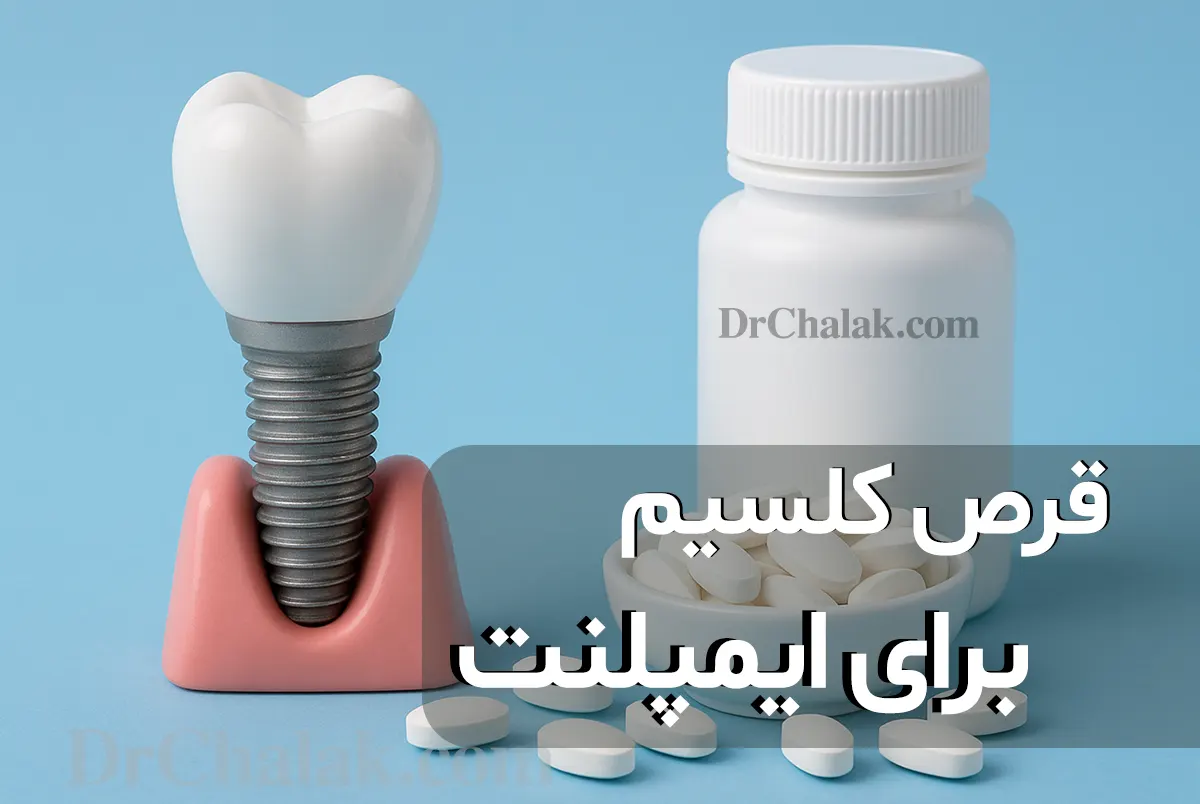
Is there a pill to prevent tooth decay? ("Pills to prevent tooth decay"
In cited dental sources: Fluoride is recommended in the form of toothpaste or mouthwash. Some sources also refer to "fluoride therapy" in the dental office. Related article:
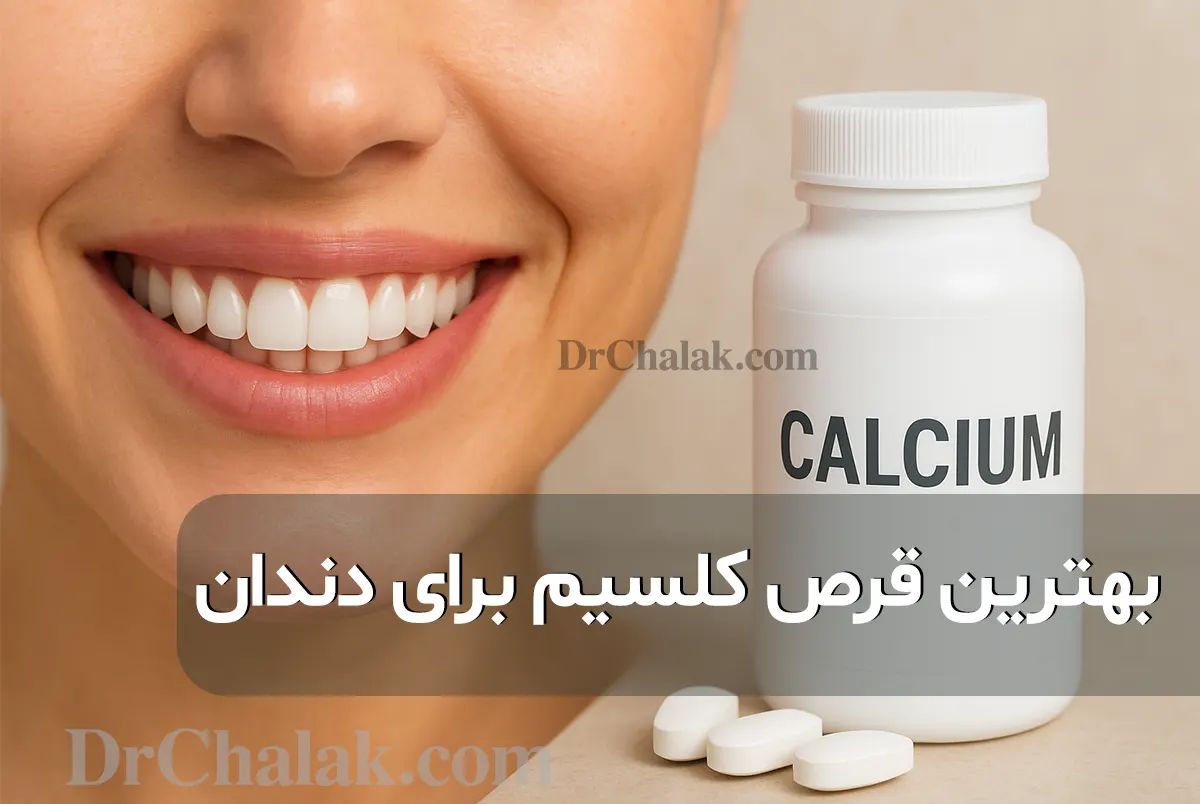
The best calcium tablets for teeth
Although there may be supplements or tablets containing fluoride in some countries, it is not recommended to use "tablets to prevent tooth decay" without medical supervision. Fluoride should be consumed in an appropriate amount according to age and oral health status.
How to prevent tooth decay from stomach acid
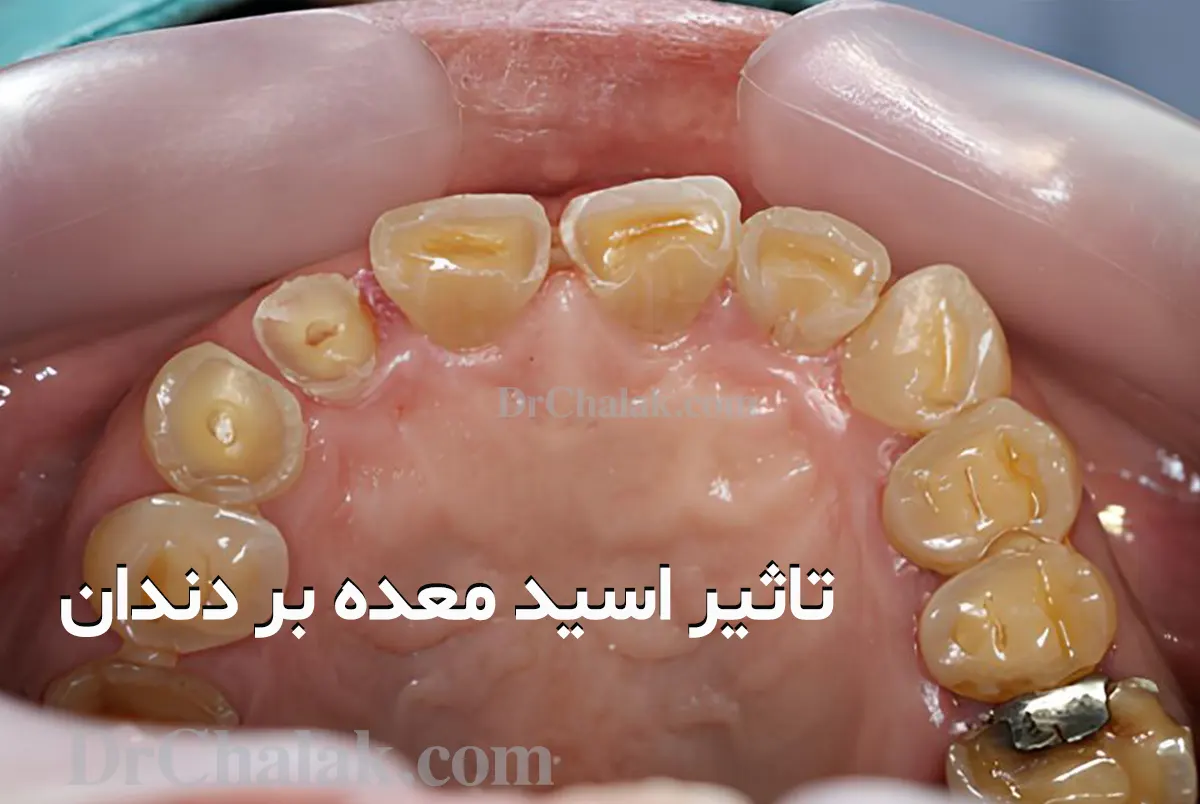
Another potential factor mentioned in some texts is stomach acid - especially in people who suffer from reflux or frequent vomiting. Stomach acid can erode tooth enamel and lead to decay.
If you have heartburn or reflux, it is important to consult your doctor/gastroenterologist and dentist.
After exposure to acid (e.g. vomiting), it is best to rinse the mouth quickly with water (not toothpaste) to neutralize the acid — but it is best to consult a dentist.
In people with gastric reflux (GERD):
Gastric acid has a pH of about 1 and tooth enamel, which has a normal pH of ~6.5, dissolves quickly. Teeth
Scientific recommendations:
✔ 30 minutes after vomiting or acid reflux, don't brush your teeth
because the amount of acid softens the tooth enamel and the toothbrush will scratch it.
✔ Rinse your mouth only with water or water + baking soda.
(just rinse – do not scrub)
✔ Eating acid neutralizing foods Such as:
Bananas
Baked potatoes
Dairy products
- Very little baking soda
✔ Consultation with a gastroenterologist
The latest views and scientific evidence (2024-2025) about tooth decay prevention
In recent years, several studies have been published. which not only confirm that classical methods of prevention - such as the use of fluoride - are effective, but also pay attention to the optimization of the prevention path and its personalization.
The importance of personal prevention and risk assessment
A newly published study in 2025 by the Norwegian Institute of Public Health (NIOM) shows that the best way to manage caries is "personalized prevention". That is, instead of everyone receiving a fixed recommendation, recommendations should be tailored based on lifestyle, diet, saliva production, caries history, and other individual factors.
For those at low risk, regular brushing with fluoride toothpaste and routine examinations are sufficient; But high-risk individuals may need more measures such as fluoride varnish, high-concentration fluoride gels, or dental sealants to protect tooth surfaces.
Emphasis on fluoride toothpaste and fluoride mouthwash
A systematic review published in 2024-2025 showed that toothpastes containing fluoride are one of the most effective ways to reduce the incidence of caries. Its regular use—especially with sufficient fluoride concentration and the correct brushing method—is effective in reducing the rate of tooth decay.
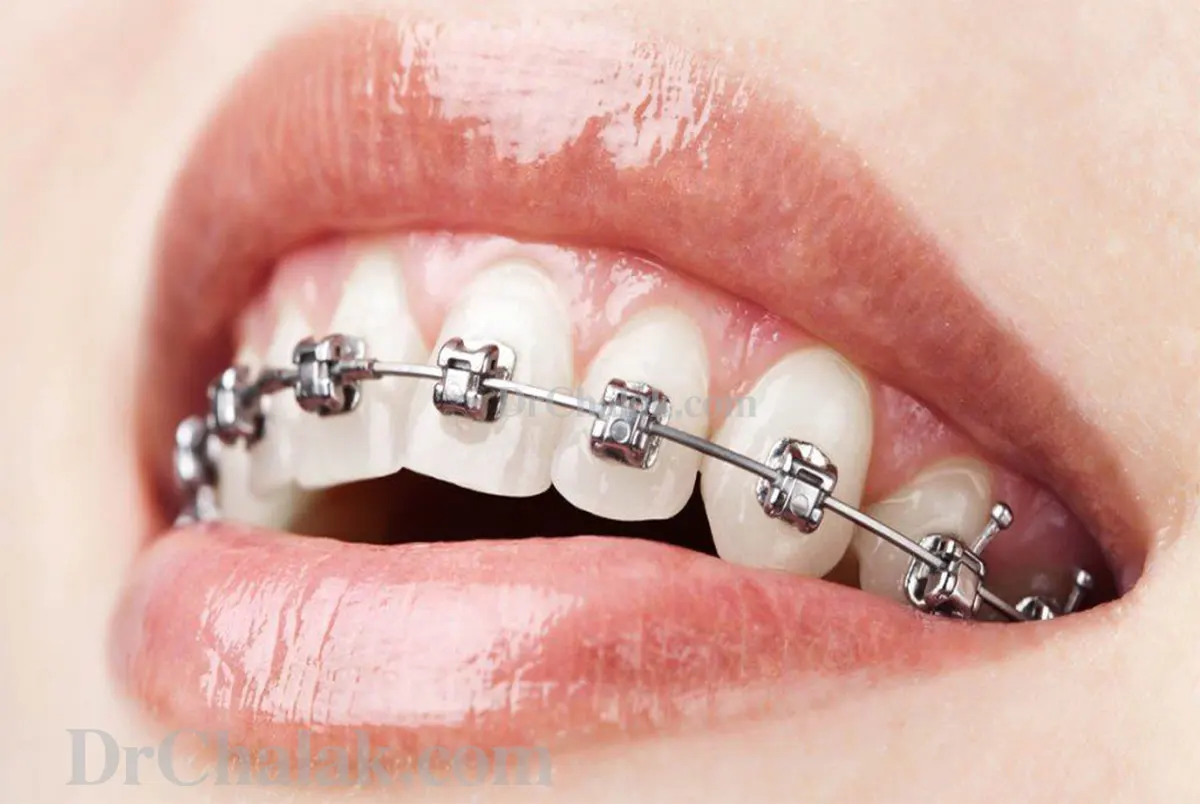
Also, a 2025 study on patients who have orthodontics (i.e. with a fixed device in the mouth) showed that using fluoride mouthrinse during treatment reduces early caries.
Diet, sugar and the role of nutrition
A new study (2024) in children and adolescents in Latin America and the Caribbean examined how consuming fluoride-containing substances (such as foods or water) helps reduce caries. The results emphasize the importance of combining fluoride with proper nutrition and reducing sugar consumption.
Also, a 2024 study found that changing eating style and reducing sugar intake (i.e. dietary control) is even more effective than brushing with fluoride alone, provided it is done correctly.
Supplements, Probiotics, and New Approaches
In recent articles, researchers have argued that adding probiotics (beneficial bacteria) or pre-/probiotics to an oral hygiene program, along with fluoride, may further help reduce caries.
In addition, in the toothpaste and mouthwash industries, new ingredients (such as calcium, phosphate, zinc, or anti-plaque compounds) They are being developed to strengthen and remineralize tooth enamel in addition to cleaning teeth.
Combining a scientific perspective with natural and home methods
Although traditional and home medicine methods are always controversial, combining them with scientific methods can be effective — provided they are done with caution and awareness.
Using enough water + proper hydration: Drinking enough water and stimulating saliva production helps remove food particles and acid, and saliva plays a vital role in acid neutralization.
Reduce sugar and acidic foods/beverages: Instead of sugary snacks and acidic drinks, eat fibrous fruits and vegetables that both stimulate saliva and leave less food particles on the teeth.
Use sugar-free gum after meals: This can increase saliva production and help clean the mouth.
However, it is necessary to note: treatment or prevention with medicinal plants or traditional medicine alone cannot replace proven scientific methods.
Conclusion from recent scientific evidence
According to new meta-analyses, the use of fluoride varnish and fluoride mouthwash has a significant and lasting effect in reducing caries.
Fluoride toothpaste is still the cornerstone of caries prevention; Combining it with a proper diet and daily care gives the best results.
A "personalized prevention" strategy — that is, tailored to individual needs and risk — is more effective than general, one-size-fits-all advice.
Supplements, probiotics and new ingredients in toothpaste or mouthwash may help in the future of prevention, but still need more evidence.
Daily nutritional plan to prevent tooth decay
Research recommendations in recent years show that diet, if followed even more carefully than brushing, can have a significant effect on reducing tooth decay. have decay Following is a recommended daily meal plan to reduce caries:
Good breakfast for teeth:
✔ Milk or yogurt rich in calcium
✔ Eggs (source of phosphorus - to help build strong enamel)
✔ Whole grain bread and grains
✔ A low acid fruit such as apple or pear
🚫 Avoid:
✖ Cake, sugary bread, jam, sweets, Sweet Nescafe first thing in the morning
because sugar activates bacteria immediately.
Suggested snack:
✔ Sugar-free gum with xylitol
✔ Almond or walnut
✔ Carrot or cucumber
Scientific reasons:
Xylitol prevents acid production by mouth bacteria.
Healthy fats Walnuts and almonds prevent gingivitis.
Fibrous vegetables stimulate saliva.
Suitable lunch:
✔ Brown rice or quinoa
✔ White meat, fish, or beans
✔ Vegetable salad with little lemon juice
🚫 Soft drinks, energy drinks, sugars Liquid
Reason:
Liquid sugar quickly penetrates into tooth tissue and acid is produced.
What should we eat to strengthen teeth?
According to new scientific data, the following compounds have the most effect:
1. Ingredients containing vitamin D
Salmon fish
Liver
Egg yolk
✔ Task: better absorption of calcium and phosphorus
2. Foods rich in phosphorus
lentils
peas
cheese and milk
✔ Task: restoration of tooth enamel minerals
3. Strong sources of vitamin C
Yellow and red bell pepper
Kiwi
Orange
✔ Task: improving gum tissue
Any receding of the gum causes the tooth root to become visible and decay increases.
A substance to prevent tooth decay — Remineralizers
According to new studies, the following materials are at the forefront of strengthening tooth enamel:
✨ Fluoride (the most proven substance)
✨ Calcium phosphate (CPP-ACP)
✨ Nano hydroxyapatite
Nano hydroxyapatite (Nano-HAp) has replaced modern fluoride in some countries in recent years because:
✔ with natural tooth enamel It is compatible
✔ Makes the tooth surface more transparent
✔ It is less dangerous for children
Now some European toothpastes use this ingredient.
Prevent further tooth decay
If decay has started, according to the new guidelines of the American Dental Association:
In the initial stages of decay
⬤ there is no need to shave the tooth
⬤ All you need is:
Fluoride gel or fluoride varnish
Less sugar consumption
Regeneration of minerals
Use of specialized toothpaste
This method is called Minimal Invasive Dentistry.
Why is this research important?
In the past, every white spot on the tooth was shaved off immediately
But now it is proven:
❗ The enamel of your body It is capable of repair
provided the correct conditions are met
This means:
being inexpensive
painless
no injection
no bleeding
Preventing tooth decay in children
Children under 6 years old are at the greatest risk of decay because:
❗ They do not have complete and strong saliva.
❗ They do not control their nutrition.
Golden recommendations:
✔ Brushing should be done by the parents, not the child.
✔ Use age-specific fluoride toothpaste.
✔ Snacks are the worst cause of caries. شیر ساده
🥜 مغزها
🍏 میوه کامل (نه آبمیوه)
داروی گیاهی برای جلوگیری از پوسیدگی دندان
رویکرد گیاهدرمانی مکمل است و جایگزین علمی نیست اما موارد گیاهی زیر بیشترین تأیید پژوهشی را دارند:
🌿 میخک (Clove Oil)
دارای eugenol → ضدعفونیکننده طبیعی
🌿 چای سبز
دارای کاتچینها → ضد میکروب
🌿 روغن نارگیل برای Oil Pulling
نتایج گزارششده:
کاهش پلاک
کاهش باکتریهای دهانی
بهبود بوی دهان
🌿 زردچوبه
اثر آنتیسپتیک و ضدالتهاب
✔ اثبات نشده که پوسیدگی را درمان میکند.
✔ اما میتواند عامل تکمیلی کاهش پلاک باشد.
قرص برای جلوگیری از پوسیدگی دندان (نینیسایت – سوال پرتکرار)
آنچه مردم زیاد سرچ میکنند:
آیا قرص ضد پوسیدگی وجود دارد؟
✔ پاسخ علمی:
به صورت مستقیم “قرص ضد پوسیدگی” وجود ندارد.
اما:
☑ مکمل ویتامین D
☑ مکمل Ca+Mg
☑ قرص زایلیتول
غیرمستقیم خطر پوسیدگی را کاهش میدهند.
💡 اما مصرف خودسرانه این قرصها
به خصوص در کودکان ممنوع است.
چون باعث اختلال معدنی شدن استخوان یا دندان میشود.
نتیجهگیری تخصصی مقاله
تحقیقات سالهای ۲۰۲۴ و ۲۰۲۵ نشان میدهد که:
⭐ پیشگیری شخصیسازی شده
⭐ رژیم غذایی دقیق
⭐ تقویت بزاق
⭐ فلوراید و نانو مواد معدنی
⭐ کنترل قند
⭐ معاینه منظم
بالاترین اثر را دارند.
❗ مهمترین خطاهای مردم که باعث پوسیدگی میشود:
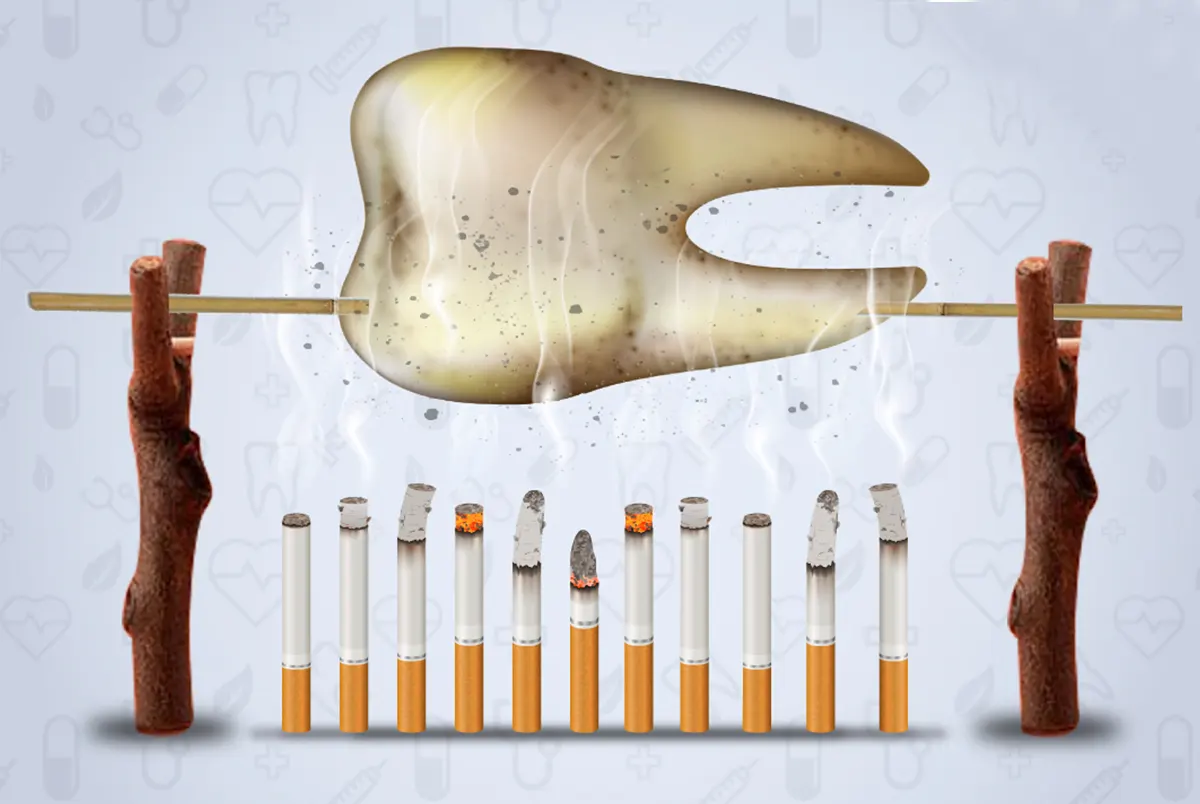
❌ مسواک پس از اسید معده
❌ مسواک سریع بعد از غذا
❌ خوردن شیرینی با فاصله کم
❌ نخوردن آب کافی
❌ تصور غلط درمان پوسیدگی با گیاه
و اکنون ثابت شده است:
🎯 پیشگیری درست = صفر درمان تهاجمی
دکتر محمدرضا چالاک – دندانپزشک زیبایی مشهد- جراح ایمپلنت دندان مشهد
دکتر محمدرضا چالاک، دندانپزشک مشهد (فلوشیپ زیبایی و ایمپلنت از امریکا)
برای مشاهده اینستاگرام دکتر چالاک بر روی دکمه زیر بزنید و یا Dr_Chalak را در اینستاگرام سرچ کنید.
خمیردندان و نقش آن در پیشگیری پوسیدگی
خمیردندانها نقش بسیار مهمی در حفظ سلامت دهان و دندان دارند. When chosen correctly and used well, they can make tooth enamel more resistant and reduce decay to a great extent. Day by day, scientific research emphasizes that toothpastes are not only cleaning tools, but also a means to strengthen and protect tooth enamel.
Why is toothpaste important?
Saliva and brushing + water alone are not enough for cleaning — food particles may remain in grooves and joints. Toothpaste with cleansing particles and germicidal and mineralizing active ingredients simultaneously cleans and protects.
Toothpastes with suitable active ingredients - such as fluoride - can make tooth enamel more resistant and slow down or reverse the process of "demineralization". Reducing the risk of cavity formation helps.
Types of toothpastes that are more effective
Next, I will introduce the types of toothpastes that are excellent in reducing caries based on scientific evidence:
Fluoride toothpaste
Fluoride is the strongest and oldest substance proven to strengthen It is tooth enamel.
Toothpaste containing fluoride causes calcium and phosphate to be absorbed on the surface of the tooth and tooth enamel becomes more resistant to acid (remineralization).
Recommended for children and adults, provided the concentration and frequency of use are appropriate.
Toothpaste with nano-minerals (such as nano hydroxyapatite)
Some modern toothpastes use compounds such as nano-hydroxyapatite (nano-hydroxyapatite) or calcium-phosphate instead of (or in addition to) fluoride.
These materials are compatible with natural tooth enamel and can help to "regenerate" tooth enamel.
For people who are sensitive to fluoride or They prefer to use a more natural substance, they are a good option.
Anti-plaque and antimicrobial toothpastes
Toothpastes that have antibacterial or anti-plaque ingredients (such as zinc, chlorhexidine, antibacterial plant extracts) can reduce the microbial load and slow down acid production.
These toothpastes are especially suitable for people with It is useful for sensitive gums, gingivitis, or those who develop a lot of plaque.
Toothpastes for children
Toothpastes with fluoride with appropriate concentration for the age of the child, milder and less burning taste;
In many cases, it is necessary for parents to monitor the use of children's toothpaste to prevent excessive fluoride ingestion.
"remineralizing + desensitizing" toothpastes
People who have weak enamel or tooth sensitivity (to cold/heat), it is better to use toothpastes that both mineralize and reduce sensitivity.
This type of toothpaste is for people who have professional dentistry. (Fluoride therapy, sealant) is useful.
Important points when choosing toothpaste
1. Contains fluoride — If your goal is to reduce cavities, be sure to choose fluoride-containing toothpaste.
2. Suitable for your age and conditions - For children, elderly, sensitive teeth, or people with different fluoride therapy, suitable toothpaste is needed.
3. Contains minerals or reminerals — If you have weak enamel or a history of caries, toothpastes containing nano-minerals or calcium/phosphate are useful. 4. It is anti-plaque or anti-bacterial - If you have a lot of plaque or sensitive gums, toothpaste with antibacterial compounds is more suitable.
5. Abrasivity is low — Toothpaste that is too abrasive can make the damaged enamel worse.
6. Taste and ease of use — If the toothpaste has a very strong taste or rough texture, regular use may become difficult.
Recommendation for optimal use of toothpaste
Brush at least twice a day (morning and night) — preferably 30-60 minutes after meals (not immediately)
Amount of toothpaste: for adults a pea-sized amount, less for children — no More
Brush for at least 2 minutes - use gentle strokes and cover all surfaces
After brushing, rinse mouth several times, but not so much that all the fluoride is washed away - let some fluoride stay on the teeth (about 30 minutes)
Floose or brush between teeth at least once a day - toothpaste only cleans the outer surfaces It does.
Why toothpaste alone is not enough — but necessary
Effective and good toothpaste goes a long way in preventing tooth decay, but it alone is not enough. Toothpaste should be next to:
proper diet
reduction in sugar consumption
adequate hydration (drinking water)
exams and professional dental care
In other words: toothpaste is the primary shield; But a complete shield requires a healthy lifestyle.
Final points
Preventing tooth decay is not only limited to brushing, but diet, lifestyle, drinking water, use of fluoride and regular checkups all play a role.
Although natural methods and traditional medicine may be complementary, the foundation for dental health is oral hygiene and proper nutrition.
If you feel that your tooth enamel is weak or you have a genetic background, consult a dentist; Fluoride therapy or professional preventive measures may be necessary.
"This article has been prepared by the content team of Dr. Chalak's dental clinic and has reviewed scientific sources and clinical experience and is not a substitute for an in-person examination."