
Table of Contents
- What is the operation of puffiness under the eyes?
- Types of methods of operation of puffiness under the eyes
- What is the operation of puffiness under the eyes?
- Benefits of cosmetic surgery of puffiness under the eyes
- Who can perform the operation of removing puffiness under the eyes?
- What are the complications of under-eye puff surgery?
- Preparation and care before under-eye puff surgery
- Care after under-eye fat removal operation
- Conclusion Giri
Listen to the summary of this article in this podcast:
With increasing age, we see changes in the structure and texture of the muscles that support the eyelid, which cause the skin around the eyelid to weaken and eventually droop. At this stage, facial fat is shifted and goes under the eyes. With the accumulation of water-like fluid under the eye, this part becomes swollen and so-called puffy. Puffiness under the eyes is a phenomenon that occurs for various reasons and has a significant effect on the freshness and attractiveness of the face. Undereye puffiness surgery is one of the most common types of eye surgery that is performed for the purpose of beauty and to solve the problem of puffiness under the eyes. In under eye puff surgery, the lower eyelid is lifted and excess tissue is removed from the under eye area. In this article, we are going to talk to your doctor about puffiness under the eyes, lower eyelid surgery, non-surgical alternative methods, costs and side effects of the lower eyelid surgery.
What is the effect of puffiness under the eyes?
Undereye puff surgery, known as lower eyelid blepharoplasty, is a type of undereye surgery that aims to remove fat under the eyes, correct excess skin, and make the lower eyelid area smoother. In this method, by making a fine cut in the right place, the surgeon removes the puffiness under the eyes or transfers the fats to give a more natural shape to the eyelid. The operation of removing puffiness under the eyes is usually done on an outpatient basis with local anesthesia or light anesthesia. In addition to improving the appearance, this surgery can also help to improve the function of the eyelid in some cases where severe puffiness has disturbed the field of vision. Choosing the right method depends on the severity of the swelling, the quality of the skin and the age of the patient.
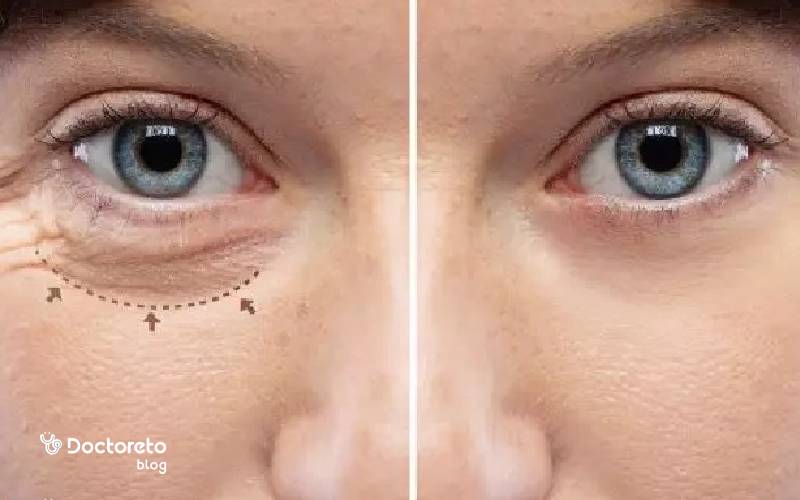
Under Eye Bags or Puffy Eyes, or eye swelling in English, appear as a result of fluid accumulation or loosened fat under the eyes. Since the skin under the eyes is thin and delicate, if the puffiness and drooping of the lower eyelid is not treated, it will have an unpleasant effect on the attractiveness and freshness of the face.
Is surgery the definitive treatment for puffiness under the eyes?
In most cases, eye puff surgery is considered an effective and permanent way to remove fat under the eyes, because excess fat is directly removed or modified. However, it should be noted that the natural aging process continues and slight changes may occur in the eyelid area in the following years. If the cause of puffiness under the eyes is genetic or caused by fat accumulation, the operation of fat under the eyes can have very satisfactory results. But in cases where puffiness is more due to allergies, underlying diseases or fluid retention, the underlying cause should be treated first and then a decision should be made about surgery.
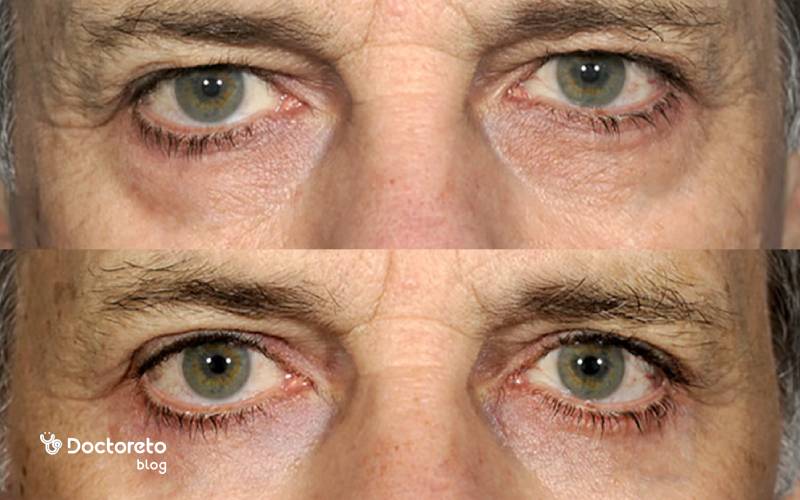
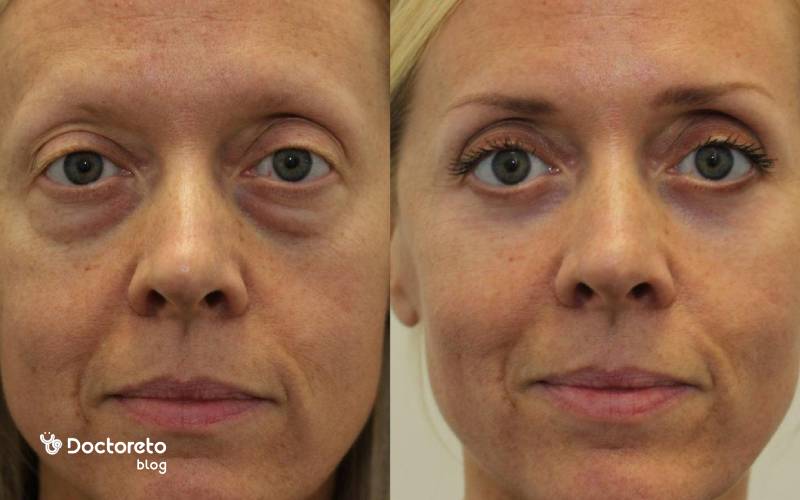
under-eye-puff operation photo
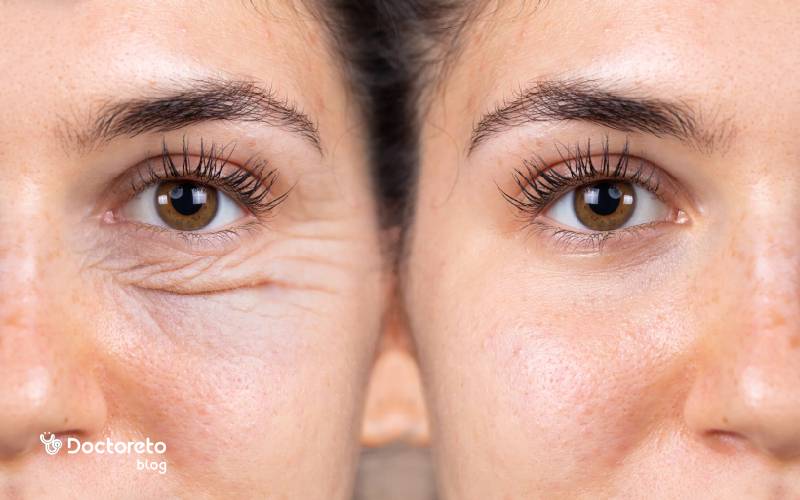
Viewing the photos before and after the operation of puff under the eyes can give you a more realistic view of the result of the surgery. These images usually show how the face looks fresher and younger by removing the puffiness and trimming the excess skin. Of course, the final result depends on the skill of the surgeon and the individual conditions of the patient. When reviewing the photos, you should pay attention to the naturalness of the result. The purpose of cosmetic surgery for puffiness under the eyes is to create a gentle and harmonious change with the other parts of the face, not an exaggerated change. Be sure to see the actual work samples of the doctor you are looking for in the consultation session.
Types of puffiness under the eyes
There are different methods for treating puffiness under the eyes, and choosing the best method depends on the severity of the problem, the age of the patient and his expectation of the result. Some procedures are more invasive and involve surgery under the eyes, while others are less invasive, such as lasers or fillers. In the following, we will learn about the most common methods of removing puffiness under the eyes so that you can better understand their difference and consult with your doctor about the most suitable option.

1. Removing puffiness under the eyes with laser
In the method of treating puffiness under the eyes with a laser, the laser is used to tighten the skin and reduce light fats. This method is more suitable for people who have mild puffiness and have not yet experienced severe skin sagging. Laser can stimulate collagen production and improve skin appearance. Under eye puff surgery with laser usually has a shorter recovery period than eye puff surgery, but it is not enough for severe puffs and significant accumulation of fat under the eyes. In these cases, under eye surgery will be a more effective and lasting option.
2. Treating puffiness under the eyes with filler
In some cases, puffiness under the eyes is more noticeable due to the dimple around it. In this situation, injecting eye filler can reduce the contrast between puffiness and depression by filling the hollow area and create a more uniform appearance. This method is not suitable for all people and requires careful evaluation. Filler is a temporary method and usually lasts between 6 and 18 months. If your goal is to correct puffiness caused by fat more permanently, removing puffiness under the eyes will be a more suitable option than injecting filler.
3. Blepharoplasty of puffiness under the eyes
Lower eyelid blepharoplasty is the most common surgery for puffy eyes. In this method, the surgeon removes the fat under the eyes and corrects the skin through an incision inside the eyelid or under the eyelash line. This technique allows the emptying of under-eye puffiness in a precise and controlled manner. Blepharoplasty can be performed alone or simultaneously with other facial cosmetic surgeries. The result of this type of operation under the eyes will be natural and long-lasting if the patient and skilled surgeon are selected correctly.
In terms of the mechanism, the eye puff operation is similar to the blepharoplasty operation, with the difference that it is performed on the lower eyelid. For this reason, it is also called lower eyelid surgery or lower eyelid blepharoplasty. For more detailed information about blepharoplasty cost in different cities, you can refer to the following pages:
- blepharoplasty cost in Tehran
- blepharoplasty cost in Shiraz
- blepharoplasty cost in Isfahan
- blepharoplasty cost in Mashhad
| Physical procedure under the eyes | Invasiveness | Permanence of the result | Suitable for | Main advantage | Limitation |
|---|---|---|---|---|---|
| Eye puffiness | High | Long-term (several years) | Moderate to severe puffiness | Direct removal of excess fat and permanent result | Need for recovery period and surgery |
| Laser | Low to moderate | Moderate | Light and loose puffiness Skin | Skin tightening without surgical incision | Not suitable for severe puffiness |
| Filler | Low | Temporary (6 to 18 months) | Dimple with mild puffiness | Quick improvement in appearance without surgery | Needs renewal periodic |
4. Skin eyelid surgery
In this method, a one to two millimeter incision is made under the eyelashes to remove excess fat tissue. This method is more suitable for the elderly or those who have problems with sagging skin and muscles that support the eyelid.
5. Surgery for puffiness under the eyes with conjunctival incision
This type of puffy under eye operation must be done by a surgeon who has enough information about the structure of the eye. In this method, the surgeon makes an incision through the conjunctiva inside the eyelid to remove excess fat. This type of under-eye puff surgery is more suitable for young people or people who do not have much excess skin on the lower eyelid. One of the advantages of this method is the absence of external incisions and the absence of surgical indications. In addition, the risk of damage to the network supporting the eye structure is very low, and the shape of the eye is better preserved.
How does puffiness under the eyes work?
The surgical procedure for puffiness under the eyes is very similar to blepharoplasty. In this procedure, the doctor cuts a part of the skin under the eye, removes the excess tissue, and removes the excess skin if needed. In the newer method, this incision is made inside the eye and in the conjunctiva, which causes fewer scars and complications. After the operation of fat under the eyes, the incision site is sutured and the patient will be discharged after a few hours. Strict adherence to the doctor's recommendations at this stage plays an important role in the final result.
On the day of the surgery, first the desired area is disinfected and anesthesia is performed. Then, by making a fine cut, the surgeon accesses the fat tissue and removes the fat under the eyes or moves it. If there is excess skin, the excess part is also removed to make the eyelid surface smoother. Lower eyelid blepharoplasty is performed on an outpatient basis and takes about three hours. Usually, for drooping of the lower eyelid, the incision is under the eyelash line or inside the lower eyelid, and for surgery, an incision is also made in the natural gap of the upper eyelid.
English text:
Depending on what's causing bags under the eyes, eyelid surgery (blepharoplasty) may be a treatment option. Your surgeon will tailor your blepharoplasty (BLEF-uh-roe-plas-tee) to your unique anatomy and needs, but in general the procedure involves removing excess fat through an incision in the natural crease of the upper eyelid or inside the lower lid. The surgeon will tailor blepharoplasty to your individual anatomy and needs, but generally the procedure involves removing excess fat by making an incision in the natural crease of the upper eyelid or on the inside of the lower eyelid. noopener">mayoclinic
Benefits of under-eye puffiness surgery
Beauty treatment of puffiness under the eyes is one of the most effective ways to eliminate puffiness and swelling caused by fat accumulation in this area. By removing or moving excess fat and sometimes tightening the skin, this surgery corrects the tired and aged appearance of the face and makes the person look younger and fresher. The benefits of this procedure include the following:
- reduction or complete removal of puffiness and swelling under the eyes
- Getting younger and fresher face
- Improving the symmetry and shape of the under eye area
- Increasing self-confidence
- Long-term durability of results
- Possibility of performing simultaneously with other facial beauty procedures
Who can perform the removal of puffiness under the eyes?
Surgery to remove puffiness under the eyes is suitable for people whose puffiness is caused by fat accumulation or loose skin and has not improved with home or non-surgical methods. The final selection of the suitable candidate is determined after the examination by the surgeon. Suitable people for this surgery usually have the following conditions:
- Permanent puffiness and fat bulge under the eyes
- falling or loosening of the lower eyelid skin
- Good general health and no uncontrolled disease
- Realistic expectations of the surgical result
- Non-smoking or the ability to stop smoking before the operation
- People whose tired or old look under their eyes is annoying
Who should not have under-eye surgery?
Despite the relative safety of this surgery, some people are not a suitable option for the operation or must first control their medical conditions. Careful review of medical records is essential before proceeding. People who are not usually suitable candidates include:
People with uncontrolled diseases such as advanced diabetes or high blood pressureThose with clotting disorders or bleeding problemsSufferers of severe dry eyes or some special eye diseases- People with unrealistic expectations of the result
Pregnant or lactating women- People with active infection in the eye area
What are the complications of surgery for puffiness under the eyes?
Lower eyelid surgery, like any other surgery, carries with it the risk of side effects such as infection, inflammation or sensitivity to the anesthetic. Of course, the experience and skill of the eye surgeon will have a direct relationship with the complications of surgery for puffiness under the eyes. Among the mild and transient side effects of the lower eyelid drooping operation, the following can be mentioned:
- Temporary blurred vision or diplopia
- Eyelid swelling
- Creation of small white pimples around the suture site
- not closing the eyelids completely within a few weeks after the operation
- Severe bleeding that usually happens rarely and causes loss of vision due to pressure on the optic nerve.
Underlying diseases such as hypothyroidism and hyperthyroidism, dry eyes, blood pressure, diabetes and heart diseases lead to the aggravation of the complications of under eye puff surgery. If the patient has a history of glaucoma or retinal tear, he will probably face more serious complications.
| What are the side effects of under eye puff surgery? | Benefits of lower eyelid blepharoplasty surgery |
|---|---|
| Temporary blurred vision or double vision | By increasing self-confidence Person |
| Swelling of the eyelid | The vision problems caused by drooping of the lower eyelid will return again. |
| Creation of small white pimples around the suture site | Makes the person's face look fresh even without makeup. |
| Not closing the eyelids completely in the distance A few weeks after the operation | Freshness and rejuvenation of the skin |
Preparation and care before surgery for puffiness under the eyes
Before performing the cosmetic surgery for puffiness under the eyes, the doctor will take a complete history and may request tests to check the general health status. It is very important to inform about the medications, underlying diseases and history of allergies. Before performing the operation, the surgeon prescribes instructions according to the patient's history and file to prepare for the operation. These measures and pre-operative care are:
- Perform the tests that are necessary for the operation of puffiness under the eyes.
- It is better for the patient to stop smoking within 6 weeks before the operation. Because smoking affects the healing process.
- It is better to stop taking herbal supplements, anti-inflammatory drugs and aspirin before the operation.
- Follow the proper diet as prescribed by the ophthalmologist.
- Plan to rest for a few days after the operation.
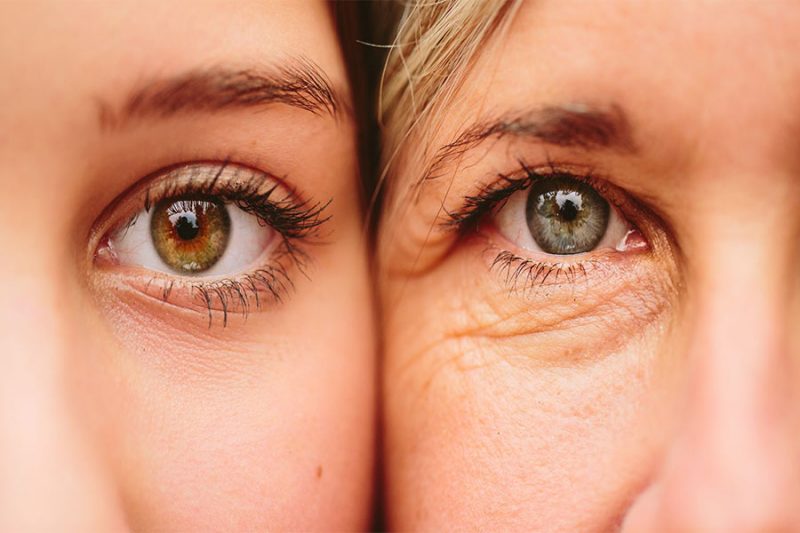
Depletion of fat under the eyes to remove Wrinkles around the eyes Eye help?
Care after the fat removal operation under the eyes
It is true that lower eyelid surgery is an outpatient procedure, but following some instructions and care after blepharoplasty surgery plays an important role in the faster recovery of the patient. Proper care after removing puffiness under the eyes has a direct impact on the speed of recovery and the quality of the result. In the initial days, there may be swelling and bruising, which is normal and gradually decreases.
Using cold compresses and taking prescribed medicines help to reduce these symptoms. It is also recommended to avoid heavy activities, prolonged bending and exposure to strong sun for a while. Observing these tips will make the result of removing puffiness under the eyes more favorable and lasting. The surgeon usually prescribes the following instructions:
- Using a cold compress to reduce bruising and swelling
- Maintaining the health and cleanliness of the eyes
- Keeping the head up while sleeping and resting
- Using eye drops to maintain moisture and keep the eyes wet
- Not using cosmetics as prescribed by the doctor
- Not watching TV
- Not using contact lenses for at least 72 hours after blepharoplasty operation
- Timely use of prescription drugs
- Not doing heavy work.
Get to know the best plastic surgeon at your doctor, consult them and, if necessary, make an appointment for an in-person visit.
How long does the recovery take after the under-eye puff surgery?
The recovery period after the operation of puffiness under the eyes is almost short and the patient will not have any special problems. Do not forget that it is normal to feel stiffness and stretching immediately after lower eyelid surgery. Painkillers are usually prescribed for 5 days after the operation. The feeling of dryness around and inside the eye will disappear about one to two weeks after the surgery. It takes almost two to three weeks for all bruises and swelling to disappear.
Usually, it is recommended not to use cosmetics for 10 days after the lower eyelid surgery. The best time to use contact lenses is about 3 weeks after the operation. One to two weeks of rest is enough and after that you can go back to your normal routine. Of course, the complete recovery of puffiness under the eyes requires several months.
No data found.Conclusion
Puff under the eyes is one of the problems that has a great effect on the beauty and fit of the face. This problem is caused by fluid accumulation or loosening of fat under the eyes. Various factors, including liver and kidney diseases and thyroid problems, cause puffiness under the eyes. Under eye puff surgery is one of the most effective methods to correct the tired and puffy appearance of the lower eyelid. If the puffiness under your eyes is permanent and cannot be resolved with non-surgical methods, a consultation with a specialist can help you choose the best method. Under eye surgery brings long-lasting and natural results if the patient is selected correctly and care is taken. Before making any decision, be sure to consult with an ophthalmologist or a plastic surgeon so that the most suitable method for removing puffiness is selected after carefully examining your conditions.
Your doctor takes care of your health!