
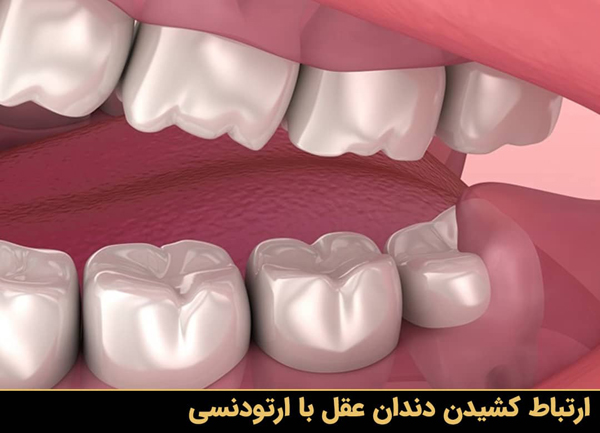
بحث دندان عقل و ارتودنسی همیشه یکی از چالش برانگیزترین موضوعات برای بیماران و حتی برخی دندان پزشکان عمومی بوده است. زمانی که فرد تصمیم به انجام ارتودنسی می گیرد، معمولاً پرسش های مهمی درباره وضعیت دندان های عقل او مطرح می شود. آیا دندان عقل نهفته می تواند باعث ازدحام دندان ها شود؟ آیا باید پیش از شروع ارتودنسی کشیده شود؟ آیا وجود آن روند درمان را مختل می کند؟
هرچند دندان عقل بخشی طبیعی از تکامل فکی انسان است، اما شرایط امروزی سبک زندگی و اندازه فک باعث شده است که رویش آن برای بسیاری از افراد با مشکلات همراه باشد. مسئله زمانی مهم تر می شود که بیمار در آستانه درمان ارتودنسی باشد. ارتودنسی نظم و هماهنگی دندان ها را بازمی گرداند، اما حضور دندان عقل می تواند در برخی شرایط این نظم را برهم بزند یا حتی مانعی برای حرکت صحیح دندان ها شود.
از سوی دیگر، همیشه کشیدن دندان عقل ضروری نیست و تصمیم نهایی باید بر اساس معاینه و تصویر دقیق توسط متخصص گرفته شود. در این مقاله تلاش شده است بررسی شود که نقش دندان عقل در نامرتبی دندان ها چیست، چگونه نیاز به جراحی آن پیش از ارتودنسی نامرئی یا مرئی تشخیص داده می شود.
نقش دندان عقل نهفته در نامرتبی دندان ها
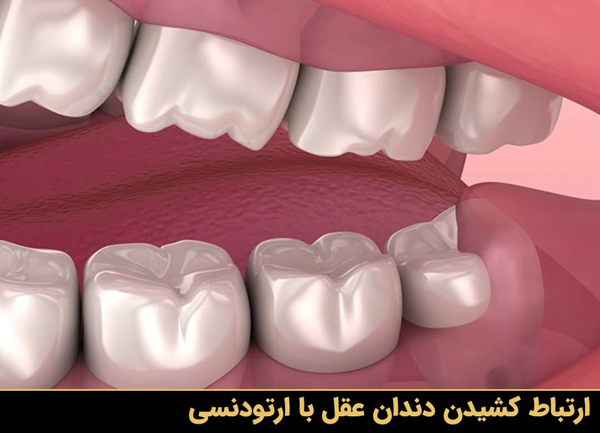
دندان عقل آخرین دندانی است که در فک رویش پیدا می کند و معمولاً در سنین جوانی بین ۱۷ تا ۲۵ سال ظاهر می شود. The problem is that the modern human jaw is not as big as it used to be, and this late tooth usually doesn't have enough room to grow. This lack of space causes the wisdom tooth to remain hidden or semi-hidden and puts pressure on the adjacent teeth during its growth.
Although these pressures are not always severe, they can cause the teeth to become misaligned or aggravate it in the long run. Many people believe that wisdom teeth push the front teeth forward and cause crowded and overlapping teeth. Studies have shown that this pressure is not always a direct cause of misalignment, but in people who have a crowding background or a small jaw, the wisdom tooth can play an aggravating role. Especially when the wisdom tooth is placed horizontally or at an angle, the pressure on the adjacent teeth increases and the possibility of teeth displacement increases. In orthodontics, the goal is to place all the teeth in a certain order in the jaw arch. If a wisdom tooth is pressing behind the arch, it may disrupt this order or slow the movement of the teeth during treatment.
Therefore, an orthodontist Usually, he examines the exact position of the wisdom tooth with a panoramic photo to see if this tooth is a threat to the order of the teeth and the treatment plan. The role of the wisdom tooth in the misalignment of the teeth is not certain and the same, but it is very important in many patients and should be checked carefully.
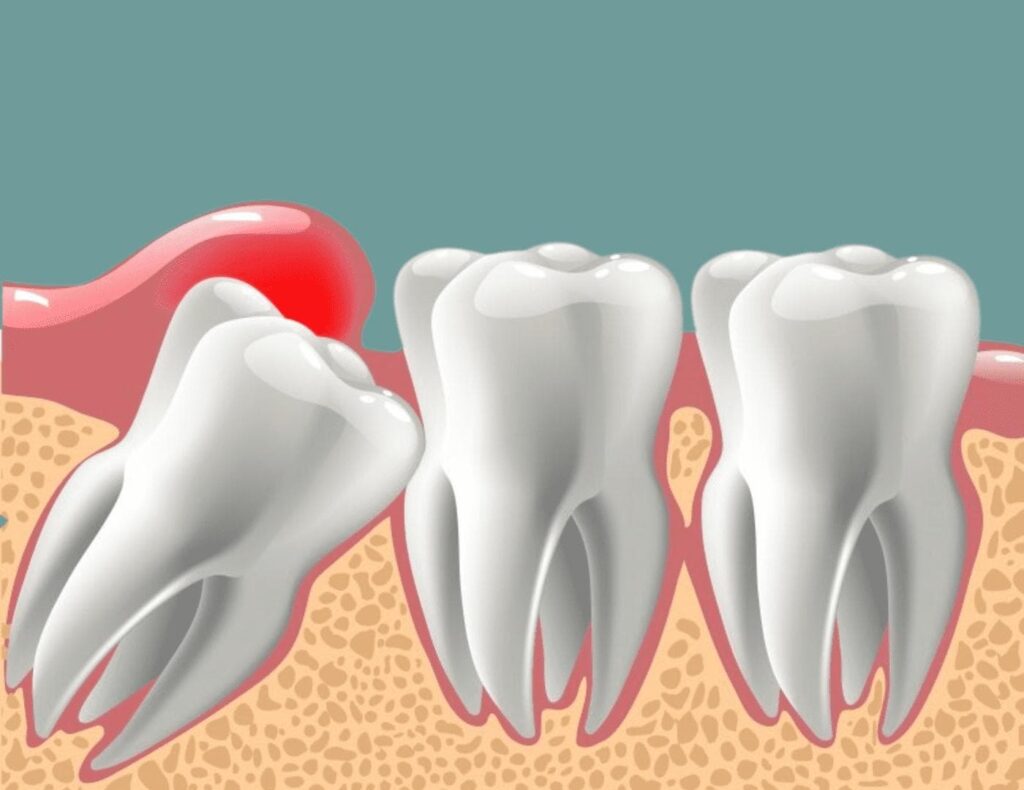
Table of the effect of wisdom tooth condition on teeth disorder
| Wisdom tooth condition | Possibility of causing pressure | Effect on teeth order |
| Full growth and Healthy | Low | No significant effect |
| Half embedded | Moderate | Possibility of inflammation and crowding of teeth |
| Led with a horizontal angle | High | Increased pressure and disorder of teeth |
| Deep embedded without space | too much | intensification of overcrowding and difficulty of orthodontic treatment |
Diagnosis of the need for wisdom tooth surgery before starting treatment
The decision to pull or surgery wisdom teeth must be made completely scientifically and based on radiological evidence and careful examination. The orthodontist uses a panoramic image, CBCT, or bitewing radiograph to evaluate wisdom teeth. These images show the position of the wisdom tooth, the angle of its growth, whether it puts pressure on the adjacent teeth, and at what stage its root is located.
If the wisdom tooth comes into contact with bone tissue or adjacent teeth during its growth, there is a definite possibility that it will be embedded, and it is usually recommended to remove it before starting orthodontics. Sometimes, wisdom teeth do not cause problems in appearance, but in the radiology images, it is clear that they do not have enough space to grow and sooner or later they will be hidden. In this situation, early extraction can prevent future problems.
In some cases, wisdom teeth are not the main cause of orthodontic problems and do not require surgery before treatment. For example, a vertical wisdom tooth without contact with an adjacent tooth, or a tooth whose root has not yet formed and there is sufficient space in the jaw, usually does not interfere with orthodontics.
Diagnosing the need for wisdom tooth surgery before orthodontics is a combination of several factors: radiological condition, amount of space in the jaw arch, type of orthodontic treatment plan, age of the patient and the possibility of inflammatory problems. With this set of information, the orthodontist will decide if extraction is necessary or if treatment can proceed in a controlled manner.
Orthodontics
If a wisdom tooth is embedded and not extracted during orthodontic treatment, it may cause various problems. The first danger is unwanted pressure on the adjacent teeth. These pressures slow down the orthodontic movement or cause displacement in the teeth. Sometimes, after finishing orthodontics with a retainer, the patient notices that some teeth have started to move again, and the cause is wisdom tooth activity.
The second risk is gingivitis in the semi-hidden wisdom tooth area. Brackets and wires make hygiene more difficult, and a semi-hidden wisdom tooth is a suitable environment for the accumulation of bacteria. This condition causes gingivitis, infection and severe pain. Sometimes this inflammation is so severe that it stops the orthodontic treatment process.
The third danger is the decay of the side tooth of the wisdom tooth. The impacted wisdom tooth usually puts pressure on the second molar and causes decay in the contact area between the two teeth. These caries are often diagnosed late and can severely damage the adjacent tooth.
Another risk is damage to the root of the adjacent tooth. If the wisdom tooth is angular, it may put pressure on the root of the second molar and cause its decay. Although this does not happen to all people, it is more likely in patients with a small jaw. Finally, if the wisdom tooth becomes infected or has severe pain during the orthodontic period, the patient is forced to stop the treatment or remove the orthodontic wires for emergency surgery. These stops increase the treatment time and affect the quality of the result.

The best time to extract wisdom teeth
The right time to extract wisdom teeth depends on various factors. Usually, the best time is between the ages of 17 and 22; That is, when the roots of the wisdom teeth are not yet complete and the jaw bone is more flexible. At this age, surgery is easier, less painful and less likely to cause complications. If the patient intends to undergo orthodontics, the orthodontist must determine whether the wisdom teeth should be extracted before treatment or if it can be postponed.
In some designs Treatment, extraction of wisdom teeth before orthodontics is necessary. Especially when the impacted wisdom tooth is angled or there are signs of pressure on the adjacent teeth. On the other hand, if the wisdom tooth is vertical and has enough space, the specialist may decide to pull it after the end of orthodontics.
Many patients are concerned about the timing of the surgery. If the patient is undergoing orthodontics, the right time is usually when the main movements of the teeth are done and the jaw is in a relatively more stable position. In some situations, the surgery can be performed before the brackets are installed to clear the mouth of any possible inflammation.
The best time to extract the wisdom teeth is always determined by examination and review of radiology photos. The orthodontist makes the final decision according to the treatment path, the type of brackets and the condition of the wisdom teeth. This accurate decision-making prevents future problems and makes the result of treatment more predictable.
Conclusion
Wisdom teeth and orthodontics have a direct but complex relationship, and the decision to pull it should be made based on a specialized and accurate evaluation. A hidden wisdom tooth can cause misalignment of teeth, gingivitis, decay of adjacent teeth and disruption of orthodontic movements. On the other hand, in many people, the wisdom tooth may remain without problems and there is no need to pull it.
The most important thing is that no one should make a decision based on guesswork or general recommendations. Radiological examination, careful examination and the opinion of an orthodontic specialist is the only way to correctly diagnose the need for wisdom tooth extraction.
Frequently Asked Questions
- Should wisdom teeth always be extracted before orthodontics?
no It is only necessary when the wisdom tooth is impacted, angled or has a risk of inflammation and pressure. The diagnosis is made only by radiological examination. - Does wisdom tooth cause misalignment of front teeth?
In some people, wisdom tooth pressure may cause increased crowding, but this is not the case for everyone. Crowding is usually multifactorial. - What should be done if a wisdom tooth hurts during orthodontics?
It should be investigated immediately, as it may be a source of inflammation and may require surgery. Sometimes it is necessary to remove the wires for a while to make the surgery easier.