

سندروم تونل تارسال مچ پا چیست؟
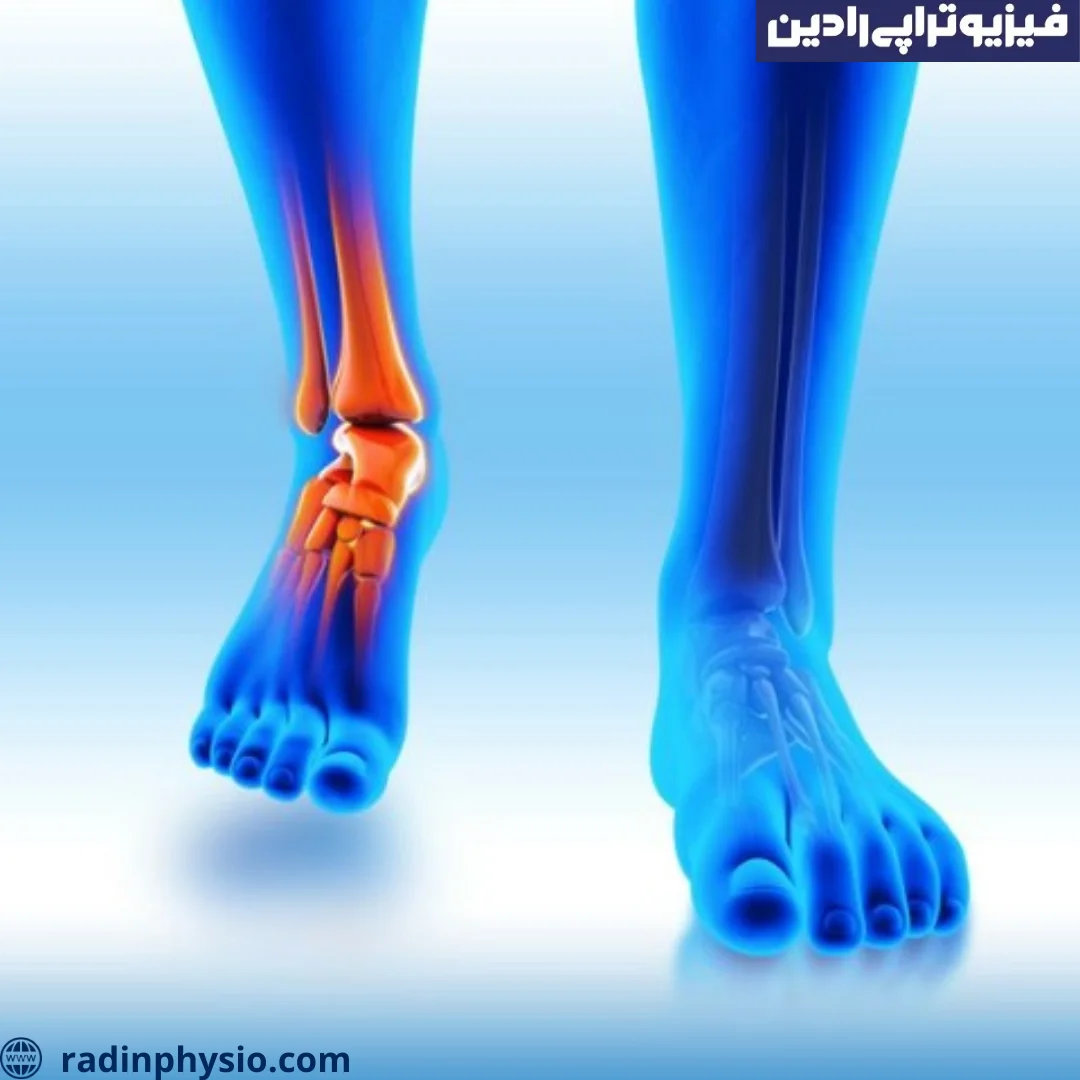
سندروم تونل تارسال مچ پا یک حالت پزشکی است که ناشی از فشار طولانی مدت بر روی عصب تونل تارسال در مچ پا است. این عصب به عنوان عصب تارسال شناخته میشود و از طریق تونل تارسال در مچ پا عبور میکند.
سندرم تونل تارسال مچ پا معمولاً به دلیل فشار طولانی مدت بر روی عصب تونل تارسال ایجاد میشود. This pressure can be caused by various factors such as sports that require a lot of use of the legs (such as running or walking for a long time), excessive use of the legs at work, muscle density, recovery after an injury or injury, inflammation or swelling in the ankle area, anatomical factors (such as the body's ability to withstand pressure) and diseases related to nerves and blood vessels.
Symptoms of ankle tarsal tunnel syndrome include pain, burning, swelling, itching in the ankle area. The leg is a feeling of weakness in the leg and a tingling sensation in the toes. If you experience any of these symptoms, it is recommended to see a neuromuscular specialist. Your doctor can make an accurate diagnosis for ankle tarsal tunnel syndrome by reviewing your symptoms, medical history, and performing diagnostic tests such as an electromyography (EMG) neurology test.
Treatment for ankle tarsal tunnel syndrome includes rest and reduced use of the legs, use of support bandages, physical therapy, nonsteroidal anti-inflammatory drugs (NSAIDs), steroid hormone injections, and in more severe cases, surgery may be necessary. Your treatment plan will be determined by your doctor depending on the severity of symptoms and factors.

The causes of ankle tarsal tunnel syndrome
Tarsal tunnel syndrome can occur due to several different factors. Some of the existing causes and factors that can cause this syndrome are:
Repeated and long-term pressure on the tarsal nerve
Frequent and excessive use of the feet, especially in sports such as running, long walks, or repetitive movements can increase the pressure on the tarsal tunnel nerve.
damage or injury
Anatomical factors
Some people may be naturally less able to withstand balanced pressure based on their body structure, which can increase the risk of developing tarsal tunnel syndrome.
Diseases and related conditions
Some diseases and conditions such as diabetes, thyroid disease, rheumatism, arthritis, obesity and pregnancy increase the risk of tarsal tunnel syndrome.
Employment Factors
Performing certain activities and professions that require frequent use of the feet and ankles, such as using foot power to push the pedals (such as riding a bicycle or driving a taxi), can lead to an increased risk of tarsal tunnel syndrome.
However, it should be noted that some cases of tarsal tunnel syndrome have no specific and unknown causes.
Symptoms of ankle tarsal tunnel syndrome
Symptoms of tarsal tunnel syndrome can include the following:
- Pain and discomfort: The most common symptom of tarsal tunnel syndrome in the ankle is pain and discomfort in the ankle area. This pain is usually felt in the inner and back part of the ankle and may start mildly and become more intense over time.
- Burning and swelling: Pressure and inflammation in the ankle area can lead to burning and swelling of that area. These symptoms may be localized and accompanied by warmth and redness of the skin.
- Tingling sensation: Some people with tarsal tunnel syndrome may have a tingling, crawling, or abnormal sensation in the ankle area (including the toes). The sensation is usually described as electric or tingling.
- Muscle weakness: Pressure and compression on the tarsal tunnel nerve can lead to weakness in the muscles of the foot and the bottom of the heel. This weakness may cause difficulty in movement, support and balance of the foot.
- Sensation disorders: Some people may find that the sense of contact, temperature and touch in the ankle area decreases or changes. This can lead to problems such as feeling itchy, detecting the slightest touch, or affecting the sense of different states of the earth.
If you experience any of these symptoms, it is recommended to see a doctor and get the proper diagnosis and treatment. Your doctor will make an accurate diagnosis of ankle tarsal tunnel syndrome by reviewing your symptoms, performing diagnostic tests, and reviewing your medical history.
how to diagnose tarsal tunnel syndrome
The diagnosis of tarsal tunnel syndrome is usually made by an orthopedic doctor or a hand and ankle surgeon. The methods used for detection are:
Illness history and checking symptoms
Your doctor will first collect your medical history and symptoms. He or she may ask questions about the type of pain, the location of the pain, the intensity of the pain, when and how the pain increases or decreases, and other symptoms you are experiencing.

Physical examination
Your doctor may examine the ankle for symptoms such as swelling, redness, warmth, and tender spots. He can also assess the strength and sensation of the leg muscles.
Neurological test
Some neurological tests can help diagnose tarsal tunnel syndrome. A test usually includes an electromyography (EMG) test, which measures the ability to measure the electrical activity of muscles as well as the speed of nerve signal transmission.
Image test
In some cases, the doctor may use imaging tests such as radiographs, endoscopy, ultrasound, magnetic resonance imaging (MRI), or computerized tomography (CT scan) to get a more detailed picture of the ankle area.
After diagnosing tarsal tunnel syndrome, the doctor may prescribe a treatment plan that may include daily changes, physical therapy, medications, or, in more severe cases, surgery. Diagnosis and treatment is the responsibility of your doctor, and depending on the severity and complications of the disease, different methods may be used.

Treatment methods for tarsal tunnel syndrome
Treatment of tarsal tunnel syndrome can be done non-surgically or surgically, and the choice of treatment method depends on the severity of the symptoms, the doctor's diagnosis and the patient's condition. Next, we describe the treatment methods for tarsal tunnel syndrome:
non-surgical
- Daily changes: This includes changing daily habits and activities that cause more stress and strain on the ankle. It is best to limit activities that put a lot of pressure on the ankle, such as constant use of high-heeled shoes or activities that require frequent bending of the ankle.
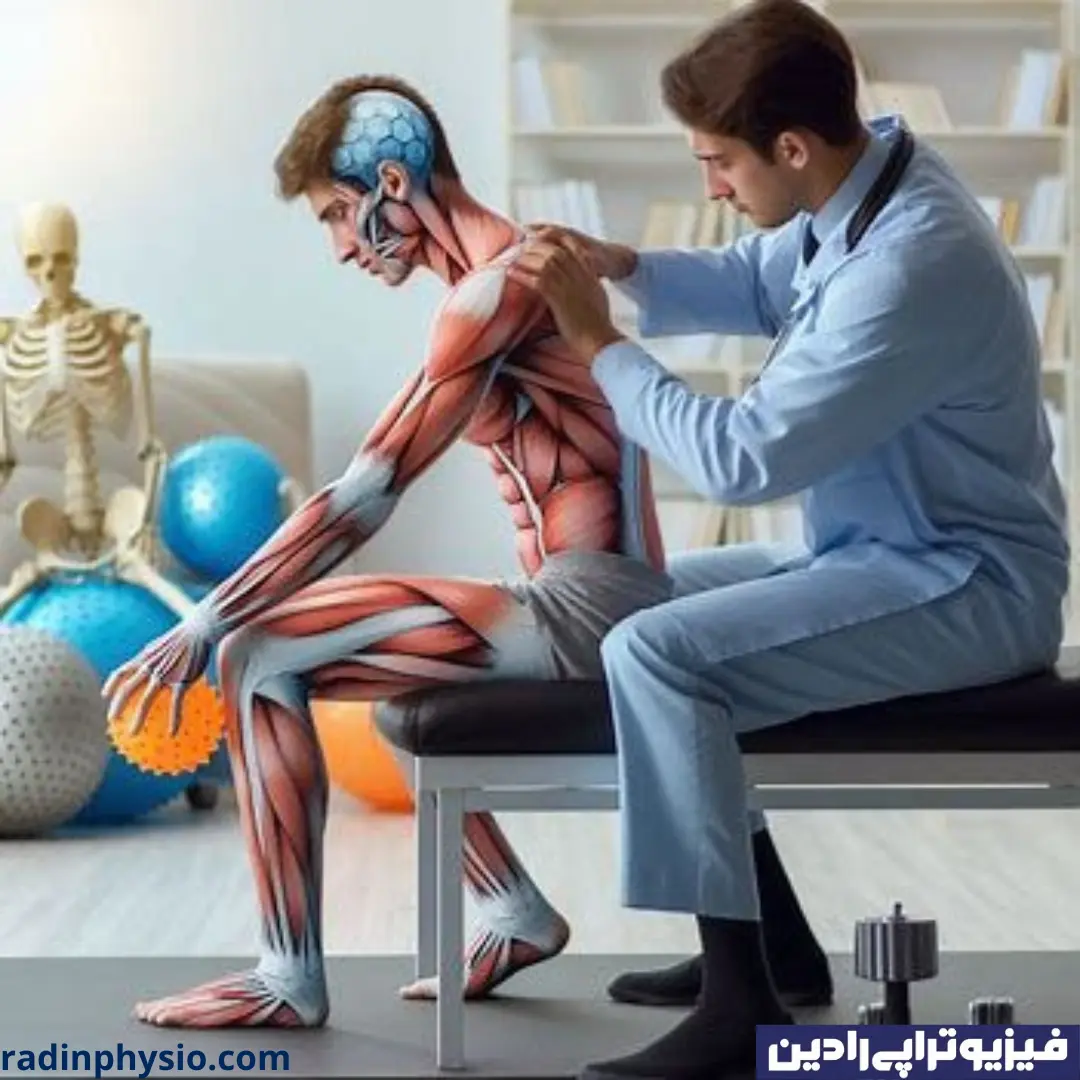
- Physiotherapy: Physical therapy exercises and techniques can help strengthen muscles, reduce inflammation, and improve nerve function. This includes stretching exercises, muscle strengthening, massage, using heat and cold sources, and hydrotherapy techniques.
- Medications: In some cases, your doctor may prescribe nonsteroidal anti-inflammatory drugs (NSAIDs) to reduce inflammation and pain. Other painkillers such as corticosteroids or anticonvulsants may also be used.
Surgery
- Tarsal tunnel surgery: In severe and progressive cases where improvement is not achieved by non-surgical methods, surgery is performed to relieve pressure on the nerve. In this method, the nerve is released from under the tunnel and more space is created in the ankle.
- Mandatory surgery: In some cases, if tarsal tunnel syndrome is caused by problems such as inflammation of the ankle joint or certain tumors, mandatory surgery is performed to remove the root cause.
Is ankle taping a treatment method for tarsal tunnel syndrome?
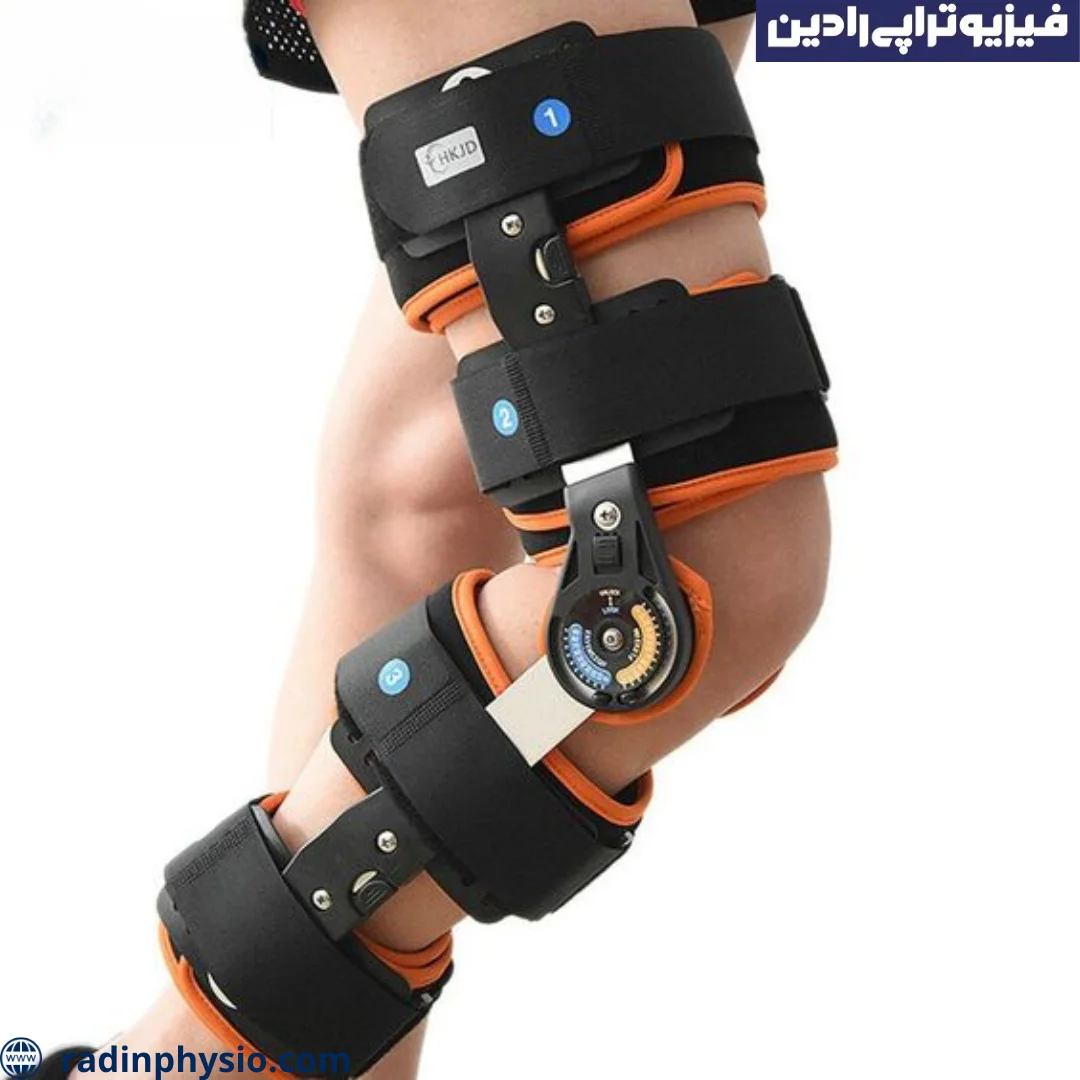
Using the ankle brace, the ankle is in a position to put less pressure on the tarsal tunnel nerve. This ketch is mainly used at night, because the most pressure and tension on the nerve is created during sleep and during the night. By using an ankle brace, the pressure on the nerve is reduced and symptoms such as pain and swelling may improve.
An ankle brace is usually custom made and can be worn overnight. Your doctor can determine the right kech for you according to the severity of your symptoms and your physical characteristics. Also, your doctor may prescribe that you wear the splint during the day in some cases, especially when you are doing certain activities that can put more pressure on the ankle.
It is important to talk to your doctor about the proper use of the ankle brace and follow his or her instructions.
Injection of anti-inflammatory drugs
Injection of anti-inflammatory drugs can be one of the treatment methods for tarsal tunnel syndrome. In this method, anti-inflammatory drugs such as corticosteroids are injected topically or intravenously into the affected area.
Injection of anti-inflammatory drugs can help reduce inflammation, relieve pain, and improve symptoms related to tarsal tunnel syndrome. This method is usually used in cases where the symptoms of tarsal tunnel syndrome are severe and do not respond to non-surgical methods.
Injection of anti-inflammatory drugs may be done by an orthopedic doctor or a rheumatologist. They may inject topical anti-inflammatory medications such as corticosteroids directly into the area of the tarsal tunnel stenosis. This method can improve symptoms in a shorter period of time than taking oral drugs.
It is important to inject anti-inflammatory drugs by a specialist doctor and follow his instructions and guidance. Also, if there are any unwanted symptoms or side effects after the drug injection, inform your doctor.
Shoe correction and orthopedic tools
- Correction Shoes: These shoes are designed to change the positioning of the foot and ankle. Their design is based on your needs and the recommendations of a specialist doctor. These shoes may include special supports, adequate space for the toes and soles, and other modifications to improve weight distribution and reduce pressure on the affected areas.
- Moisture-resistant and soft shoes: These types of shoes are usually designed to reduce pressure on the foot and ankle, and reduce friction with the skin and injuries. Additionally, they can be beneficial in terms of moisture absorption and perspiration prevention.
- Custom Orthopedic Shoes: These shoes are custom prescribed by an orthopedist or doctor. They are designed based on your needs and your specific medical conditions. They may include special corrective elements, joint support, foot-friendly closure systems, and other special features.
- Support devices such as braces and orthopedic shoes: These devices are usually designed to provide support and strength to the ankle and other parts of the foot. They can improve balance, reduce pressure on affected points, and reduce pain and swelling.
It is important to always consult with your doctor about using the right shoes and orthopedic tools. Based on your condition and specific needs, your doctor can guide you and recommend the right shoes or prescribe orthopedic devices. Finally, it is recommended to consult your doctor so that you can use the right shoes and orthopedic devices to relieve the symptoms of tarsal tunnel syndrome.
Treatment of tarsal tunnel syndrome through electrotherapy
Electrotherapy is one of the treatment methods for tarsal tunnel syndrome. In this method, electrodes and electric current are used to relieve pain, improve nerve function and reduce inflammation in the affected area. This method is based on the principles of physiotherapy and electrical physiotherapy. During electrotherapy sessions, electrodes are placed on the skin of the tarsal area. Electric current is applied directly to the nerves and tissues around the tarsal tunnel. This electric current can help relieve pain, improve nerve function and reduce inflammation.
Some electrotherapy techniques that may be used in the treatment of tarsal tunnel syndrome include:
nerve stimulation electrotherapy
In this method, electric current is applied locally on the affected nerve. The electrical signal can improve nerve function and reduce pain and swelling.
tissue electrotherapy
In this method, electric current is applied to the tissues around the tarsal, such as muscles, tendons and soft tissue. This method can help reduce pressure and tension in these areas and improve the symptoms of tarsal tunnel syndrome.
Anti-inflammatory electrotherapy

In this method, electric current is used to reduce inflammation and relieve pain in the tarsal area. This method may reduce swelling and improve tarsal tunnel syndrome symptoms.
It is important that electrotherapy is performed by a specialist physiotherapist or physical therapy doctor. They can determine the right type of electrotherapy and the right parameters for you. Also, inform your doctor if there are any unwanted symptoms or complications after electrotherapy sessions.
Treatment through ultrasound therapy
Ultrasound therapy is a treatment method that is also used for tarsal tunnel syndrome. In this method, high-frequency ultrasound waves are applied to improve the symptoms and causes associated with tarsal tunnel syndrome.
During ultrasound therapy sessions, an ultrasound device using a transducer is applied to the skin in the tarsal area. Ultrasound waves penetrate into deep tissues in this area and create many effects in the body. Some of the effects of ultrasound therapy include:
- Increasing blood flow: Ultrasound waves can facilitate the improvement of blood flow to the affected area, which can be beneficial as a result of reducing inflammation and trauma and improving nerve function.
- Reducing inflammation: Ultrasound therapy can help reduce inflammation in the tarsal area. This method can speed up the tissue healing process and reduce pain and swelling in this area.
- Tissue softening: Ultrasound waves can help soften tarsal tissues, such as muscles and tendons. This can improve the mobility and flexibility of the tarsal area.
- Pain Relief: Ultrasound therapy can be helpful in reducing the pain associated with tarsal tunnel syndrome. This method can help relieve pain and improve the quality of life.
The duration and number of ultrasound therapy sessions may vary depending on the severity and duration of your symptoms. Consult a physiotherapist or relevant specialist to determine the right treatment plan for you.
In any case, it is important that ultrasound therapy is performed by an experienced and committed specialist. They can determine the right type of waves, frequency and intensity for you and provide you with the right justifications for using this method.
You should note that you should inform your doctor if there are any unwanted symptoms or complications after the ultrasound therapy sessions. Also, it's a good idea to talk to your doctor about any things that need to be considered before undergoing this procedure, such as if you have a medical history or certain conditions.
Treatment through magnet therapy
Magnetic therapy is one of the treatment methods used in some cases for tarsal tunnel syndrome. In this method, magnetic fields are used to relieve pain, improve nerve function and reduce inflammation in the tarsal area.
During magnetotherapy sessions, strong magnetic devices are used. These devices generate strong magnetic fields that are applied to the tarsal area. Magnetic effects can improve tarsal tunnel syndrome symptoms. Some of the effects of magnetotherapy include:
- Pain relief: Magnetic fields can help relieve pain associated with tarsal tunnel syndrome. This method may help reduce pain and improve your quality of life.
- Improving nerve function: Magnetic therapy can help improve nerve function affected by tarsal tunnel syndrome. This method may improve nerve strength and sensitivity in the tarsal area.
- Reduce inflammation: Magnetic fields can help reduce inflammation in the tarsal area. This method can accelerate the tissue healing process and reduce pain and swelling in this area.
Like other treatment methods, magnetotherapy should be performed by an experienced and committed specialist. They can determine the right treatment plan for you and provide you with the correct justification for using this method.
The duration and number of magnetotherapy sessions may vary depending on the severity and duration of your symptoms. Also, let your doctor know if you have any unwanted symptoms or complications after magnetotherapy sessions.
Before doing magnetotherapy, it is best to consult with your doctor about any things that should be considered before doing this procedure, for example if you have a pacemaker or other special items that may be affected by magnetic fields.
Finally, to determine if magnetotherapy is suitable for Whether it is you or not, it is better to consult your doctor. They can make the right decision based on your situation and your specific needs and set up a treatment plan that is right for you.
Treatment through wave therapy
Wave therapy is a treatment method that uses different types of waves, such as sound waves or electromagnetic waves. This treatment method is used in some cases to improve pain, heal tissue, reduce inflammation and improve the function of the target organ.
In the field of wave therapy, there are various methods, including:
Shockwave Therapy
In this method, strong pressure waves are applied to the required area. These waves are able to help reduce pain, reduce inflammation and increase tissue healing process. This method is used to treat problems related to soft tissues such as tennis elbow, prionitis, and skin.
Ultrasound Therapy
Ultrasound waves are used to treat problems related to deep tissues. These waves can help reduce pain, increase blood flow, reduce inflammation and strengthen injured tissues. This method is used in the treatment of problems related to bones, joints and deep tissues such as adipose (fat cells).
Laser Therapy
In this method, amplified light energy is used. Lasers can help relieve pain, improve nerve function, reduce inflammation, and accelerate tissue healing. This method is used to treat problems related to deep and superficial tissues.
The duration and number of wave therapy sessions may vary depending on the type of problem and its severity. Also, these methods must be performed by a doctor or a relevant specialist and require correct diagnosis and appropriate treatment.
How does exercise therapy help to treat tarsal tunnel syndrome?
Exercise therapy can help improve carpal tunnel syndrome by making changes in the strength and flexibility of the muscles and tissues around the wrist. These types of exercises are usually performed under the supervision of a physiotherapist or exercise therapist and are adjusted regularly and according to the individual's condition.
Generally, exercise therapy for carpal tunnel syndrome can help in the following way:
- Muscle strengthening: Doing exercises that focus on wrist muscles and nerve sheaths can help strengthen and increase muscle strength. These exercises can include strengthening exercises with light weights, flexibility exercises and balance exercises.
- Reducing inflammation and swelling: Some exercise therapy exercises can help reduce inflammation and swelling of the wrist. These exercises usually include water therapy exercises and massage and stretching exercises.
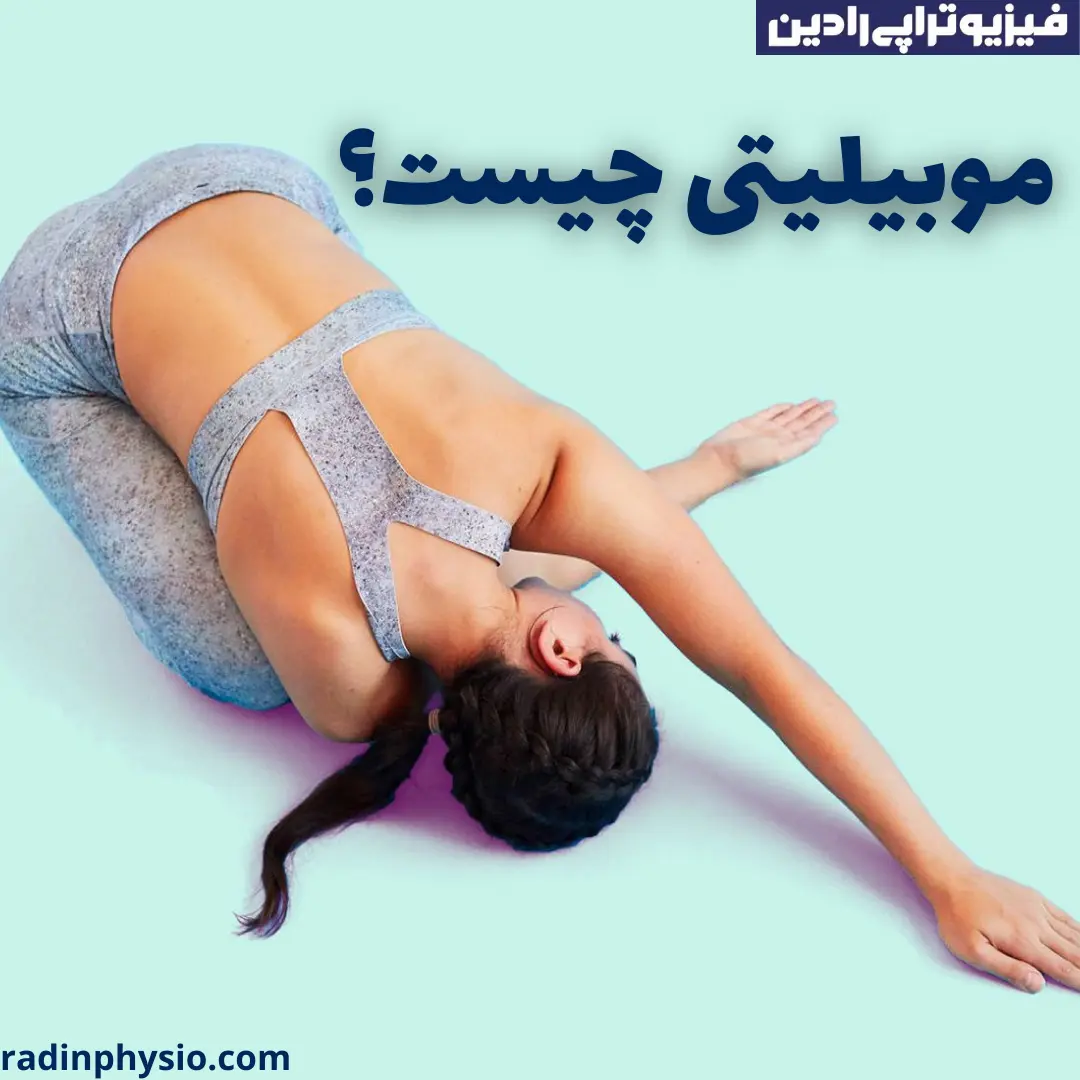
- Improving movement and flexibility: Some exercise therapy exercises can help improve wrist movement and flexibility. These exercises usually include flexibility exercises (such as wrist rotation) and balance exercises.
- Teaching correct techniques: Exercise therapy can help you learn correct and safe techniques for using your wrists during daily activities and sports. This includes following the correct rules for transporting objects, using tools and equipment, and performing proper movements in various sports.
It is important to consult with your doctor before starting any type of exercise therapy to determine the best program for your condition. Also, it is recommended to do the exercises under the supervision of a physiotherapist or sports therapist to avoid further risks and injuries.