Listen to the summary of this article in this podcast:
The surface vessels of the body are responsible for returning blood from the organs to the heart, but sometimes a change in their structure or function causes problems. One of these problems is spider varicose veins or spider veins, which are known for their web-like appearance on the skin. Although these small veins usually do not cause a life-threatening complication, they can cause cosmetic concerns and, in some cases, mild discomfort. Stay with us until the end of this article, as we discuss the causes of spider veins, symptoms and treatment options from your doctor in this article.
What is spider veins?
Varicose veins is actually the dilation or widening of superficial veins caused by dysfunction of venous valves and blood return. If the veins are prominent, swollen and painful, it is called varicose veins. But when the veins are seen only in the form of thin lines and look like spider webs under the skin, it is called spider veins.
Spider varicose veins or spider veins are superficial and thin veins that are seen in a web pattern. Varicose veins differ from normal veins in the expansion, twisting and failure of the valves; Varicose veins disrupt blood flow and can cause pain, heaviness and swelling, while spider veins are usually asymptomatic.
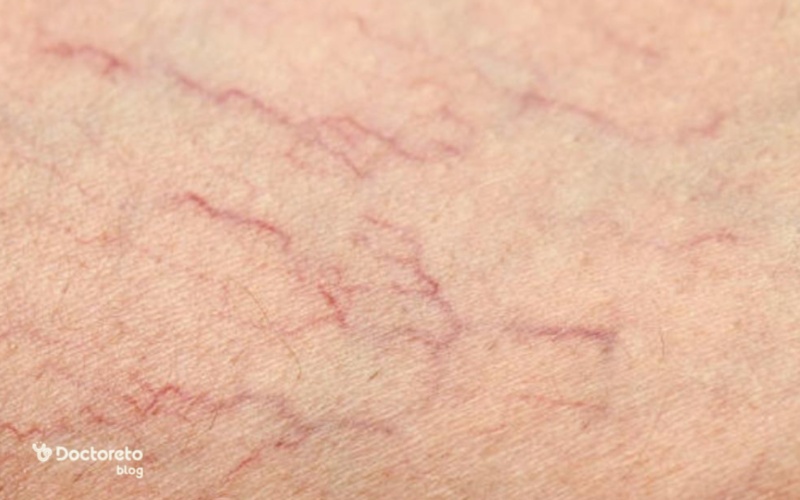
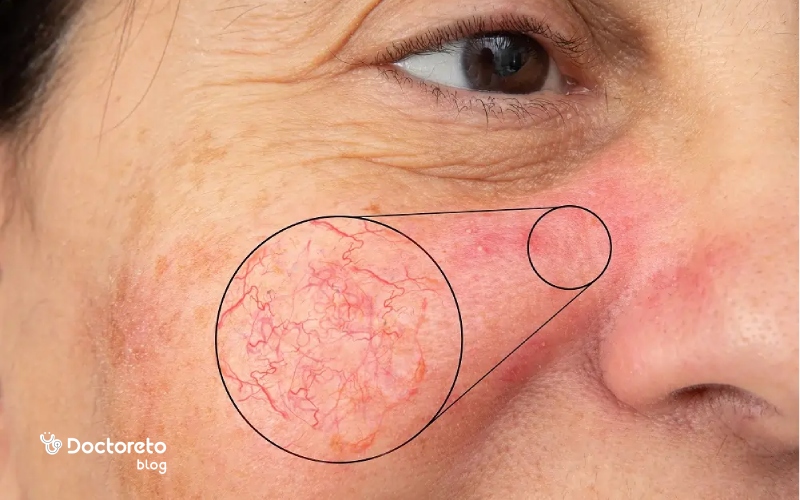
English text: These veins are very small pink or purple vessels that look like webs or strings just under the surface of the skin. href="https://healthcare.utah.edu/cosmetic/spider-veins" target="_blank" rel="noreferrer noopener">healthcare
What are the symptoms of spider veins?
Some people have no symptoms other than the spider web effect of varicose veins on their appearance (except dark purple or blue veins appearing on the surface of the skin), but others have reported leg pain, fatigue and heaviness. Usually facial varicose veins is also of this type. The common symptoms of spider veins are:
Thin red, blue or purple veins on the surface of the skin
Feeling of heaviness or fatigue in the legs
Slight burning or itching in the affected area
Sometimes pain or muscle cramps after standing for a long time
What is the cause of spider varicose veins?
Varicose veins mostly affect the leg veins. This is because standing and walking (especially for a long time such as climbing in athletes) increases the pressure in the veins of the lower body. As a result, for more blood supply, the blood cells accumulate in the veins and congestion occurs. In this situation, the possibility of spider varicose veins is more. Other things that play a role in its formation include:
Heredity and genetic background
hormonal changes (pregnancy, menopause, use of birth control pills)
Standing or sitting for long periods of time
Obesity and overweight
Increasing age and decreasing flexibility of blood vessels
Skin injuries or previous injuries
The table below shows a summary of the most important causes and methods of treating spider veins:
Main cause
Method of treatment
Inheritance and genetics
Prevention with exercise, compression stockings
Hormonal changes
Drug or hormonal treatment, Sclerotherapy
class="wp-element-caption">This table briefly shows the relationship between the causes and treatments of spider varicose veins.
Who are more susceptible to spider veins?
People who are prone to spider veins usually have a family history or a certain lifestyle. Women are more prone to this problem during pregnancy or menopause. Those whose work involves standing or sitting for long periods of time (such as teachers, nurses or office workers) are also at higher risk. People who are overweight and those who do little exercise are more prone to spider veins.
Anyone can suffer from mild to severe varicose veins. The following are factors that increase the risk of spider varicose veins:
Increasing age
Irregular hormonal changes
Pregnancy
Family history
Excess weight
Standing or sitting for a long time
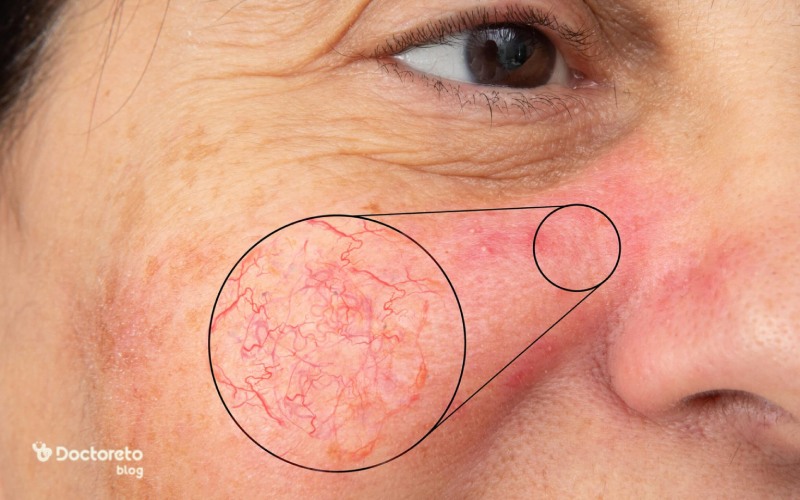
Spider varicose veins are a network of superficial and thin veins that are usually red or purple lines. It is seen on the skin.
What is the method of diagnosing spider varicose veins?
Spider varicose veins can be easily seen and recognized from the surface of the skin. By examining the areas where varicose veins are likely to develop, such as the thighs, the specialist will ask you about your symptoms and feelings of pain and discomfort. In some cases, he writes a test for more certainty:
Ultrasound: This test uses sound waves to create an image of the inside of the body to check the blood flow in the veins.
Venography: A venogram is a type of X-ray that is used with a special dye (called contrast) to create a color image of the veins. The most common use of this test is in heart diseases, and it is only used to diagnose spider varicose veins if the doctor or nurse doubts the possibility of a blood clot.
The best ways to treat spider veins
Spider veins usually do not cause serious problems, but they do not disappear by themselves. If left untreated, they will grow larger over time and become annoying. The good news is that there are effective and quick solutions to improve the appearance and reduce the symptoms, and with the right choice, treatment can be started in a short time.
Treatment options include sclerotherapy (intravenous injection of a special solution), skin laser therapy to close the veins, radiofrequency or intravenous laser therapy, compression stockings to reduce symptoms, and lifestyle changes such as weight loss and regular exercise. Many patients get the best results by combining these methods.
1. Varicose stockings for spider veins
Varicose veins stockings, also known as compression stockings, help increase blood flow and prevent swelling of veins in the leg by creating pressure in the leg. This treatment method is effective for varicose veins.
2. Ointment for spider veins
If you are experiencing pain or discomfort or want to reduce the symptoms of spider veins, you can use an over-the-counter herbal cream. Heparin ointment or cream containing vitamin K to strengthen blood vessels may be prescribed in consultation with a specialist doctor.
What causes spider veins? See the important points in this video.
3. Microsclerotherapy of body spider veins
Sclerotherapy or injection therapy is a non-surgical procedure using a small needle in which a special solution is injected into spider or varicose veins to make them disappear. This treatment takes 30 to 60 minutes at most.
Treatment of spider veins with laser (spider varicose laser)
Different types of lasers are used to treat spider veins, the most important of which are IPL and PDL. Treatment with laser and intense pulsed light is a non-invasive method without the use of chemicals.
Spider vein may cause mild pain and bruising.
5. Spider vein surgery
Surgery is rarely needed for spider veins and is more recommended for larger varicose veins. If the veins are severe and resistant to non-invasive treatments, the doctor may prescribe procedures such as phlebectomy (removal of the vein with small incisions) or endovascular surgery.
6. Home treatment of leg spider veins
Home treatment for spider veins focuses more on symptom management and prevention. Elevating your legs while resting, wearing compression socks, and doing simple stretches can help. Also, losing weight, eating a diet rich in fiber, and avoiding standing or sitting for long periods of time helps vascular health. These home measures are not a substitute for medical treatment, but they play an important role in reducing the progression of the disease and improving the appearance of the skin.
If spider veins are bothering your legs, you can take steps at home or at work to improve blood flow:
Have regular physical activity.
If you are overweight or obese, lose weight.
Do not sit or stand for a long time. Walk once every 30 minutes.
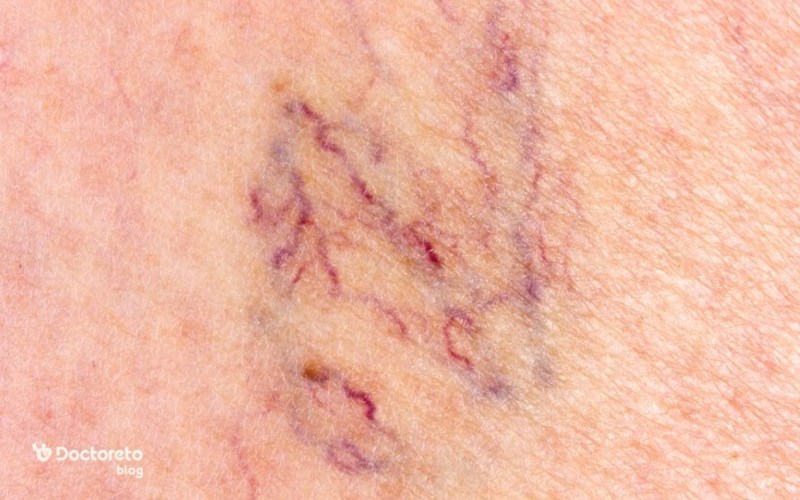
Spider Vein In this image, telangiectasia (dilated blood vessels) clearly shows a red and purple surface with a branching pattern. gives.
7. Treatment of spider veins in traditional medicine
Traditional medicine recommends the use of apple cider vinegar, herbal supplements such as garlic and turmeric, lavender, chestnut, grape vine and yarrow, which reduce pain and swelling and improve blood circulation.
8. Exercise for spider veins
Regular exercise helps improve blood flow and reduce pressure on the veins. Recommended activities for people with spider veins include:
Daily walk
Swimming or light cycling
stretching movements of the legs
Yoga to increase flexibility and reduce stress
Types of spider veins
Spider veins can appear as thin blue, red, or purple veins, and can be prominent or smooth, depending on their capillary or venous origin. They can develop anywhere on the body and at any age. Varicose veins can appear in different parts of the body:
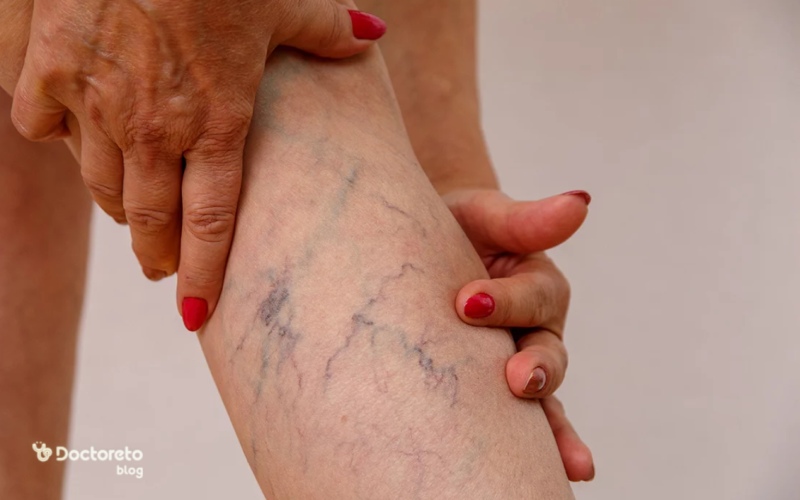
legs
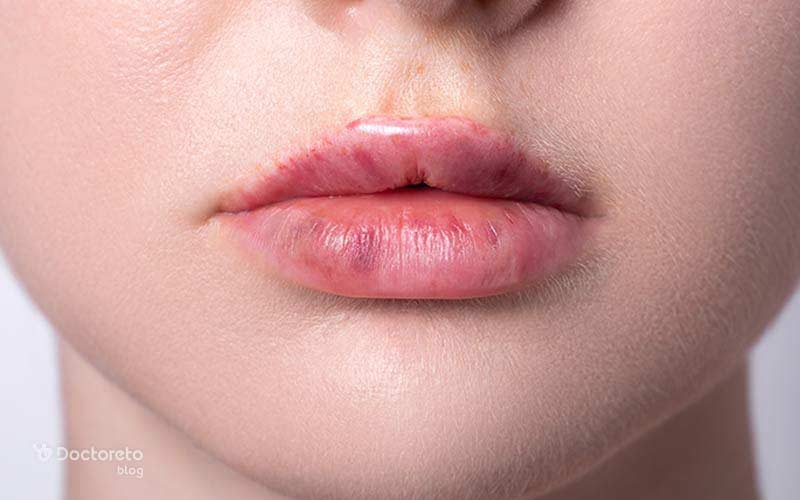
Face (cheeks and around the nose)
Hands
Behind the knee or thigh
What are the complications of spider veins?
Dangers of spider veins are usually milder than large varicose veins, but they can become annoying if they progress. This complication affects beauty more than serious health. Common side effects include:
Heaviness in the legs
Itching or burning in the place of the veins
Slight swelling of organs
Sometimes skin discoloration around the veins
The spider vein in this area has created a scattered network of wide, narrow and superficial capillary veins.
How to prevent the increase of spider veins?
You may not be able to prevent spider veins, especially if they run in your family or during pregnancy, but regular exercise, weight loss, and a healthy lifestyle can help your overall health. It also makes you feel better by relieving the pain and discomfort of varicose veins.
Conclusion
Spider varicose veins are a common and usually harmless problem. These veins are usually superficial and small, and genetic and hormonal factors play a major role in their occurrence. Simple treatments such as lifestyle changes and compression stockings can reduce the symptoms of spider veins. For more severe cases, clinical methods such as sclerotherapy and laser are better choices. Finally, the best thing to do is to visit a dermatologist or a vascular specialist for accurate diagnosis and choosing the best treatment option.
Your doctor takes care of your beauty!
Frequently Asked Questions
Seeing a doctor is necessary when spider veins are painful, swollen, or discolored Skin should be included. A medical evaluation should also be done if the spider veins grow rapidly or a skin ulcer develops. The doctor determines the severity of the disease with a clinical examination and, if necessary, vascular ultrasound, and suggests the best treatment method.
Waxing with hot wax directly causes spider veins It's not arachnoid, but heat can cause temporary dilation of superficial blood vessels. In people with varicose veins, excessive use of heat may aggravate the appearance of existing veins.
Spider veins and varicose veins are both caused by circulatory disorders, but There are certain differences. Spider veins are more superficial, thinner and look like spider webs and affect the appearance of the skin more. But varicose veins are large, prominent and twisted veins that usually cause pain, swelling and more serious problems.
Spider varicose veins are generally not considered dangerous and mostly a cosmetic and mild problem. is However, in some people it may cause physical discomfort or lower self-confidence. If it is accompanied by severe pain, swelling or skin sores, you should see a doctor.
I am Mahsa Alam Begi, a bachelor of general psychology and a lover of medical and health content, who has been writing and editing content for several years. My goal is to provide scientific content in simple language to help the audience's awareness and knowledge grow.