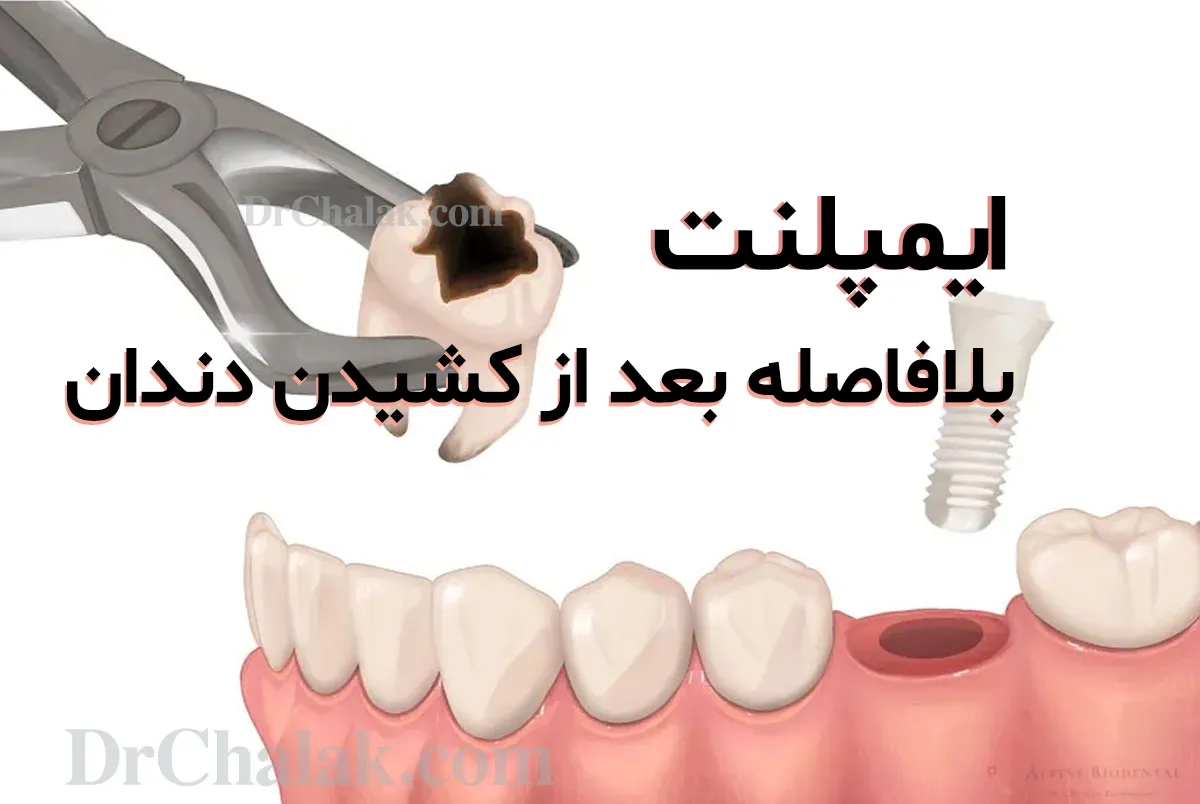

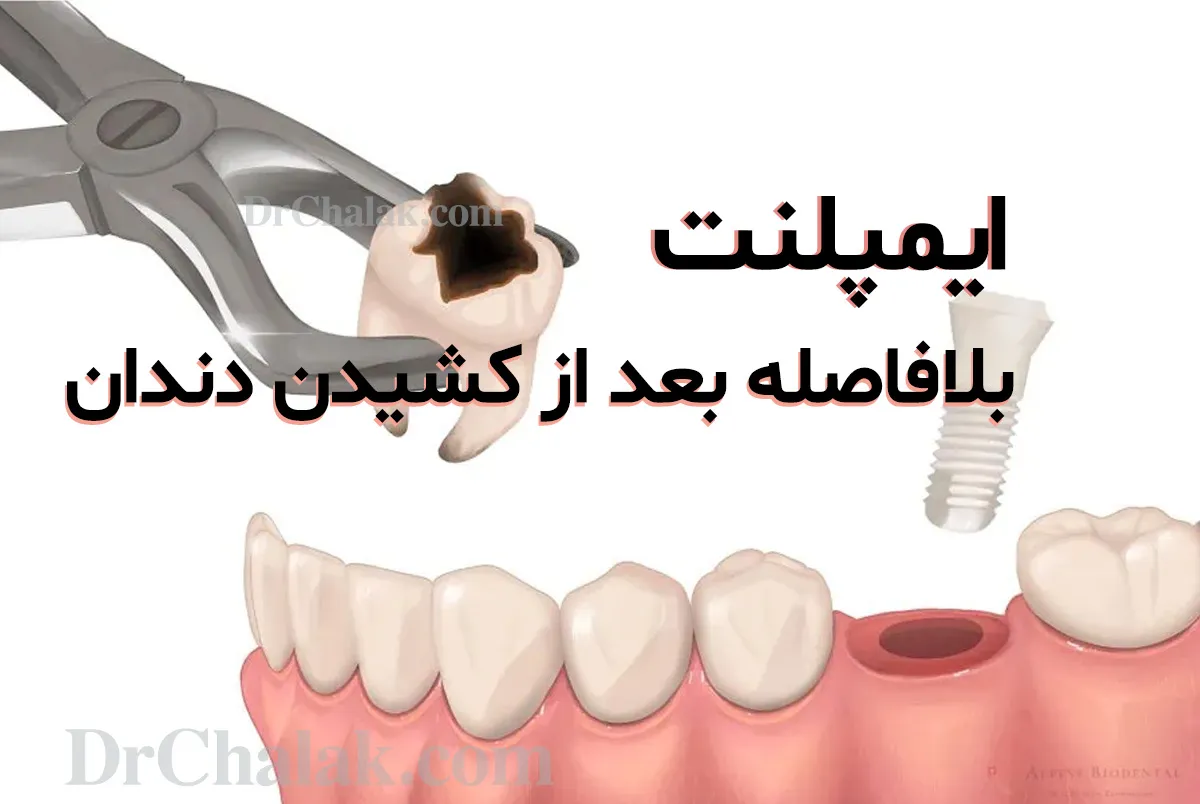
ایمپلنت دندان بلافاصله بعد از کشیدن دندان (ایمپلنت فوری)
در ویدیوهای فوق فیلم کاشت ایمپلنت بعد از کشیدن دندان را مشاهده می نمائید.
آیا تا به حال به این فکر کردهاید که بلافاصله بعد از کشیدن دندان، آن را با ایمپلنت جایگزین کنید؟
این سؤال بسیاری از افرادی است که به دنبال یک راهکار سریع و مؤثر برای حفظ سلامت و زیبایی لبخند خود هستند.
ایمپلنت دندانی بهعنوان یکی از بهترین روشهای جایگزینی دندان از دسترفته شناخته میشود. But is it possible to replace the implant at the same time as tooth extraction?
In this article, we will examine this issue completely.
What is an immediate implant? | Simultaneous tooth extraction and implant
Immediate implant is a method in which the dentist places the implant base in the same place immediately after tooth extraction. This method is known as a quick and effective solution for replacing a lost tooth and, compared to traditional methods, significantly reduces the treatment time.
Difference between immediate implant and normal implant
- Immediate implant: The implant is implanted immediately after tooth extraction.
- Normal implant: the tooth is extracted first.
This method can be a great option for people who have the right conditions, but in some cases, the normal method may have better results.
Requirements for implant placement at the same time as tooth extraction (immediate implant)
In order for implant placement to be successful immediately after tooth extraction, the patient It must have certain conditions:
- Healthy and strong jawbone: Adequate bone density is necessary to support the implant.
- Absence of infection and gum disease: The presence of infection or periodontal disease can prevent the implant from gluing to the bone.
- General health of the patient: Patients who have uncontrolled diabetes or diseases such as osteoporosis may be suitable candidates.
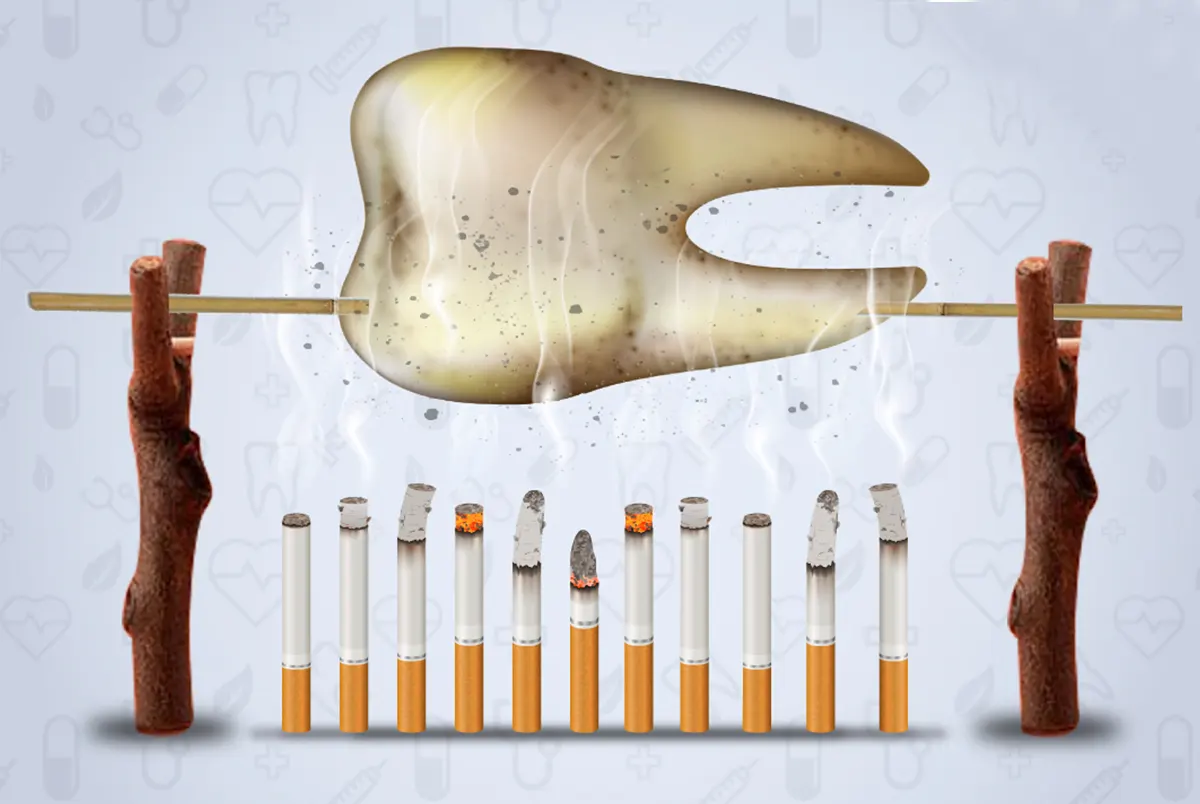
- No smoking and tobacco: smoking can reduce the success of the implant.
Advantages of planting an implant at the same time as tooth extraction
The immediate implant method has many advantages that have made many patients interested in this method:
- Reduction in the number of dental sessions: the patient only undergoes surgery once
- Prevention of jaw bone erosion: When a tooth is extracted, the jaw bone is eroded over time. An immediate implant prevents this from happening.
- Faster improvement of the appearance of teeth and gums: patients can recover their natural smile faster.
- Reduction of side costs: due to the reduction of treatment steps, some additional costs are eliminated.
Comprehensive article immediate implant is recommended for study.
Dr. Mohammad Reza Chalak, Mashhad dentist (cosmetic and implant specialist)
To view Dr. Chalak's Instagram, click on the button below or search Dr_Chalak on Instagram.
Disadvantages and challenges of placing an implant at the same time as tooth extraction
Despite the many advantages, this method also has some challenges and disadvantages:
- More chance of infection: Since the implant is placed immediately after tooth extraction, the risk of infection increases.
- Need for sufficient bone density: In case of bone deficiency, a bone graft may be needed. It increases time and cost.
Steps for immediate implant after tooth extraction
- Checking the condition of the teeth and jaw with photography
- Putting the tooth in a way that the jawbone is least damaged
- Placing the implant base in the same session
- Using bone graft materials (if needed)
- Placing the veneer Temporary to maintain the appearance of teeth
Difference between immediate implant and normal implant
In the immediate implant method, the tooth is replaced with an implant immediately after extraction. On the other hand, in a normal implant, the tooth is first extracted and then after a recovery period that may last between 3 and 6 months, the implant is implanted.
Advantages of the immediate implant compared to the normal implant
- Reduction of treatment time: In the immediate implant, the patient does not need to wait for the bone to heal.
- Preserving the jaw bone: by appointment Giving the implant quickly prevents bone loss.
- Reducing the number of surgeries: the patient only experiences one surgical step, while two surgical steps are required in the conventional method. To the bone (osteointegration): Since the implant is done immediately after tooth extraction, the probability of non-union increases.
- Need for ideal jaw bone conditions: Patients who do not have enough bone density cannot be candidates for immediate implants.
Who are the right candidates for immediate implants? Aren't they?
Although immediate implants are a great option, they are not for everyone. The cases that may prevent the patient from doing this procedure include the following:
- Patients with uncontrolled diabetes: These people have difficulty in the wound healing process.
- Persons with weak or degenerated jaw bone: In these cases, bone grafting should be done first.
Care after immediate implant implantation
In order to increase the success of immediate implant, it is necessary to observe some care:
Oral and dental hygiene
- Brush twice. During the day with special toothpaste
- Using antiseptic mouthwash to prevent infection
- Avoid flossing around the implant until complete recovery
Proper nutrition after surgery
- Avoid eating hard and sticky foods
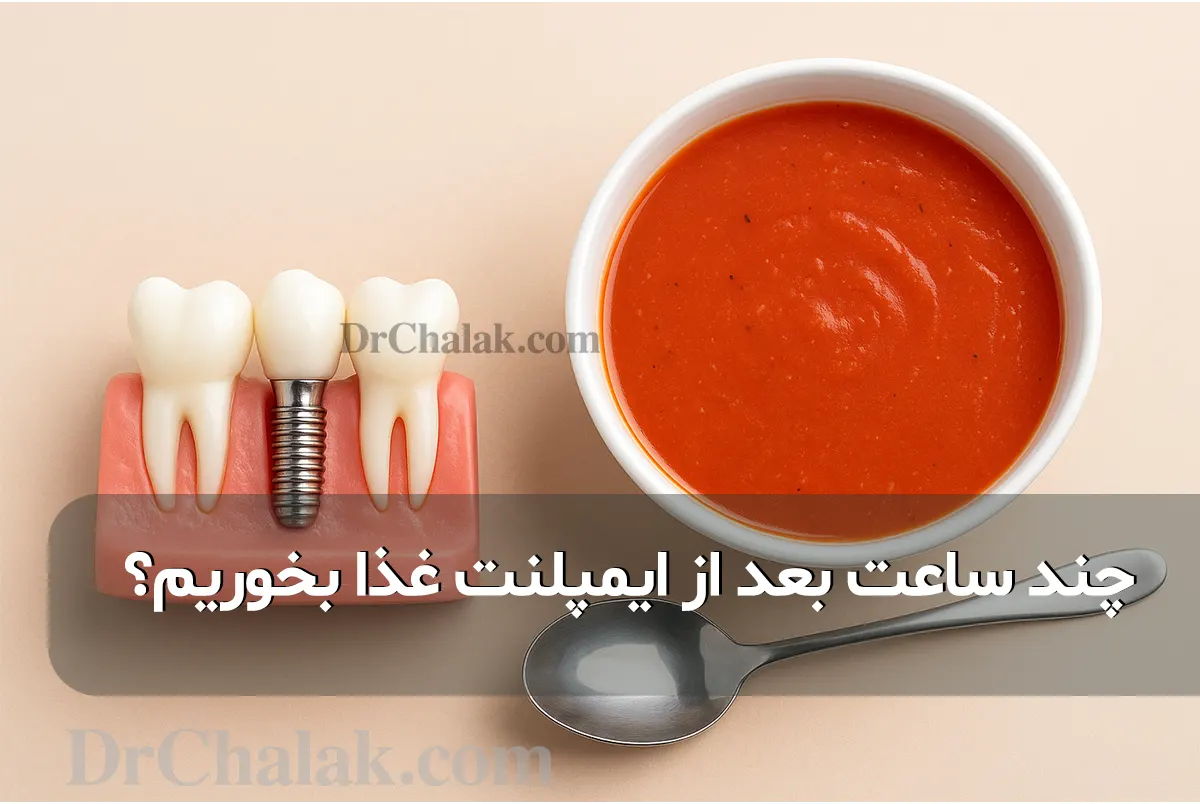
- Using soft foods such as soup, puree and yogurt in the early days
- Drinking enough water to accelerate Recovery
Regular visits to the dentist
To check the condition of the implant, the patient must visit the dentist at regular intervals. These referrals help to detect any possible problems quickly.
Cost of immediate implant implantation compared to conventional implant
Cost of immediate implant may be higher than conventional implant depending on various factors. Some of these factors include:
- Type and brand of implant: Implants made in different countries have different prices.
- Need for bone grafting or additional surgeries: If bone grafting is needed, the cost increases.
- Dentist expertise and equipment used: More skilled dentists usually charge more.
Success rate of immediate implant
Immediate implant, if done under ideal conditions, has a success rate of about 95%. This amount can be increased if the care tips and the right selection of the patient are followed.
Factors affecting the success of immediate implant
- Skill of the dentist in placing the implant
- Denseness of the patient's jaw bone
- Following health care after the operation
- No smoking and alcohol during the period Recovery
Comparison of immediate implant and other tooth replacement methods
Immediate implant is not the only option for replacing a missing tooth. Other methods include:
| Replacement method | Advantages | Disadvantages |
|---|---|---|
| Dental bridge | No need for surgery | Need to shave adjacent teeth |
| Movable artificial teeth | Cost Inferior | Discomfort when chewing and speaking |
| Typical implant | High success rate | Requires a long recovery period |
Summary and conclusion
Immediate implant is an excellent option for people who They have suitable conditions and want to have a replacement for it immediately after tooth extraction. This method can prevent bone loss and reduce treatment time. However, the patient should undergo a thorough examination to ensure that this procedure is suitable for their condition.
If you are looking for a quick and effective solution to replace your missing tooth, be sure to consult an implant specialist.
Frequently Asked Questions (FAQs)
- Is immediate implant placement painful?
No, This procedure is performed under local anesthesia and the patient will not feel much pain. - How long does it take for the immediate implant to fuse to the jaw bone?
Usually it takes between 3 and 6 months for the implant to fuse to the jaw bone. - Is the immediate implant more risky than the conventional method?
In some cases, the probability of the implant not being welded is higher, but with Necessary care, this risk is reduced. - Does insurance cover the cost of immediate implant?
It depends on the type of insurance and its coverage. It is better to consult with the insurance company before taking action. - What measures should be taken to increase the success of the immediate implant?
Maintaining oral and dental hygiene, avoiding smoking and visiting the dentist regularly are the most important factors for the success of this method.