
ترک عادتهای بد، سفری چالشبرانگیز اما ضروری برای رسیدن به سلامتی جسمی و روانی بهتر است. این فرآیند نیازمند خودآگاهی، اراده قوی و برنامهریزی دقیق است، چرا که ریشههای عمیق این عادتها در مغز و رفتار ما، مقاومت در برابر تغییر را افزایش میدهد. با این حال، آگاهی از اشتباهات رایج و اتخاذ رویکردهای صحیح، میتواند راه را برای رهایی از زنجیرهای عادتهای نامطلوب و دستیابی به یک زندگی سالمتر و شادتر هموار سازد.

ترک عادات بد
همهی ما در زندگی عادتهایی داریم که دوست نداریم اما باز هم انجامشان میدهیم. شاید بارها تصمیم گرفتهای دیر نخوابی، در جمع گوشی استفاده نکنید یا پرخوری را کنار بگذارید، اما بعد از مدتی به همان نقطهی اول برگشتهاید. ترک عادتهای بد فقط با اراده لحظهای امکانپذیر نیست. In this article, we review the scientific and psychological secrets of breaking bad habits so that you can rebuild your life in a healthier, more conscious and more productive way. Let's start our psychotherapy.
Why is it difficult to leave bad habits?
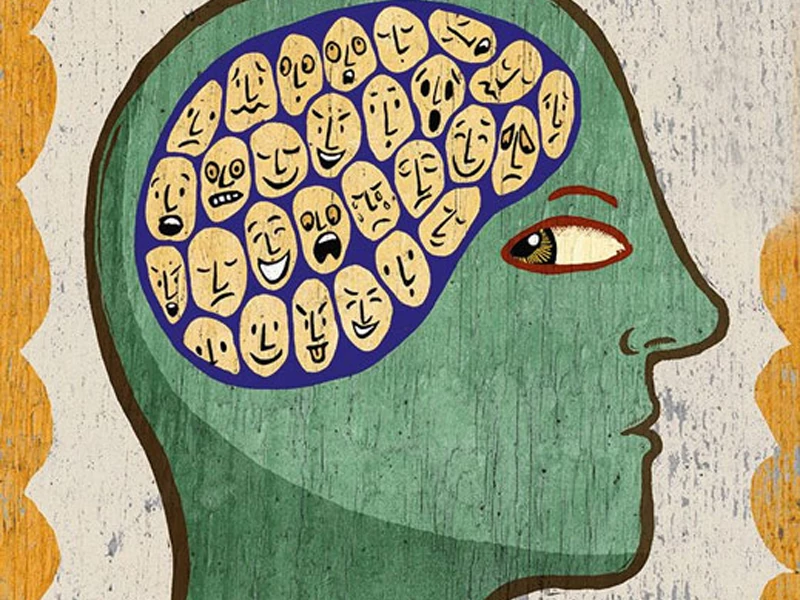
Habits are formed deep in our brain, more precisely in a part called Basal Ganglia, this structure is responsible for doing repetitive tasks automatically so that our mental energy can be spent on more important decisions.
For this reason, even if we know that a habit is "bad", we still do it unconsciously. Leaving them is like uprooting a root that has grown in the soil of our mind for years. Bad habits are difficult to break for many reasons, here are some of the most important ones:
- Neurochemical Effects
Dopamine: Many bad habits (such as smoking, sugar consumption, video games) cause dopamine to be released in the brain. Dopamine is a neurotransmitter associated with pleasure and reward. This immediate reward makes the brain become dependent on these habits and the desire to repeat them increases.
Brain structural changes: Continuous repetition of a habit can change the structure of the brain. The neural circuits associated with that habit become stronger and make voluntary control of behavior more difficult.
- Psychological mechanisms
Stress Reliever: Many bad habits act as a way to deal with stress, anxiety or negative emotions. For example, a person who is stressed may turn to smoking or eating unhealthy foods.
Association: Habits are often associated with certain stimuli in the environment or at certain times of the day. Seeing a certain place, smelling a smell or even a certain thought can make a person want to do a bad habit.
Justification: People often give reasons to justify their bad habits. For example, "I'll just smoke one cigarette, I'm stressed" or "I'll eat this candy just this once, I'll start the diet tomorrow."
- resistance to change
Lack of awareness: Sometimes people are not fully aware of the negative effects of their habits or they underestimate its importance.
Requires effort: Quitting bad habits requires conscious effort, strong willpower, and lifestyle changes that are challenging for many people.
Fear of the unknown: Some people are afraid of change and are used to their current situation (even if it is harmful).
- Environment
Unfavorable environment: Being in an environment where there are bad habit triggers (for example, being around people who smoke or having easy access to junk food) makes it more difficult to quit.
Social pressure: Pressure from friends or colleagues to do a bad habit can also prevent you from quitting.
-
Physiological factors
Withdrawal Symptoms: Some bad habits (such as smoking or alcohol) cause physical dependence, and their withdrawal is accompanied by unpleasant symptoms (such as irritability, restlessness, headaches) that can weaken a person's willpower.
In short, quitting bad habits is a complex process that includes neurochemical, psychological, environmental and physiological factors. Understanding these factors can help people adopt more effective strategies to overcome their bad habits.

effective steps to leave bad habits
1. self-awareness; The real starting point
First you need to know exactly which habit you want to stop, under what conditions it is activated and how you feel after doing it. This recognition makes you get out of the automatic mode and take back your control.
2. Conscious Substitution
The brain cannot accept "doing nothing". You have to find a healthy and simple behavior for the old habit. For example:
- Instead of nail biting → use anti-stress ball
- Instead of roaming on social networks → read a few pages of a book
3. Small but steady steps
The biggest mistake people make is trying to change quickly and suddenly. The right way is to start with small but consistent steps. A 5% change a day will do wonders in a year.
4. Create positive stimulus and reward
Every habit has a cycle: stimulus → behavior → reward. If you can define a desired reward for the new behavior, the mind will gradually replace it with the old behavior.
5. Patience and repetition
Research says it takes between 21 and 66 days to form a new habit. So, if you get tired in the middle of the road or fail once, it means that you are still on the path of growth, not that you have failed.
common mistakes when quitting habits
Leaving habits, whether smoking, overeating, or constantly checking social networks, is a challenging process, and along the way, people usually make mistakes that increase the probability of failure. Here are some of the most common mistakes:
1- Unrealistic targeting
Setting goals that are too big and too fast: People often want to quit their habit quickly and suddenly, without giving themselves enough time. This causes frustration and eventually giving up. Failure to set specific and measurable goals: Goals should be SMART (Specific, Measurable, Achievable, Relevant, Time-bound). Instead of saying "I want to smoke less", say "I want to cut the number of cigarettes I smoke in half in a month."
2- Not having a specific program
Decision making without a strategy: Breaking a habit without having a clear and step-by-step plan is like driving without a map. You need to know exactly what steps to take, what alternatives you have to your bad habit and how you will deal with temptations.
Not recognizing the triggers: It is very important to know the triggers that make you engage in your bad habit. These stimuli can be environmental, emotional or social.
3- Relying only on the will
Relying too much on willpower: A strong will is important, but it is not enough on its own. To successfully quit a habit, different strategies, social support and environmental changes should also be used.
Ignoring warning signs: Many people don't take action until the temptation is too strong. Identifying early warning signs and taking timely action to deal with them can prevent relapse.
4- Inattention to self-care
Ignoring stress and emotional needs: Stress, anxiety and negative emotions can trigger bad habits. Self-care, relaxing activities and stress management play an important role in successfully quitting the habit.
Ignoring nutrition and sleep: Improper nutrition and lack of sleep can reduce will and motivation and increase the probability of failure.
5- Isolation
Not asking for help and support: Quitting the habit alone can be very difficult. Asking for help from friends, family, support groups, or professionals can increase your chances of success.
Hiding your quit attempt: Hiding your quit attempt can leave you feeling isolated and deprived of support.
6- Perfectionism
Disappointment after a slip: Slips are a natural part of the process of breaking a habit. You should not feel defeated and stop trying because of a small slip.
Expect perfection: Don't expect to achieve your goal without making any mistakes. The important thing is to learn from your mistakes and continue on your path.
7- Not rewarding yourself
Focusing only on the negative aspects of quitting: Quitting the habit can be difficult and overwhelming. Rewarding yourself for small improvements can keep you motivated.
Not celebrating successes: Celebrating successes, big and small, will help you stay on track and appreciate your efforts.
By avoiding these common mistakes and planning carefully, you can increase your chances of successfully breaking bad habits.
Don't forget that the path of change is personal. You compete with yesterday's version of yourself, not with others.
Conclusion
Leaving bad habits is not only the end of a behavior, but the beginning of a new life. A life in which you breathe more aware, stronger and more quality. You don't need a miracle to start, just determination, awareness and persistence. So make a decision right now and make a new start for a better life.