
role of vitamin D in female fertility
This vitamin affects the function of hormones, the menstrual cycle, the quality of eggs and the health of the uterus. Vitamin D deficiency can reduce the chances of pregnancy, ovulation disorders and problems in embryo implantation. The benefits of vitamin D's role in women's fertility include:
effect of vitamin D on hormones and ovaries
Vitamin D plays a role in the regulation of sex hormones, and its sufficient level helps to balance hormones such as estrogen and progesterone. This hormonal balance is necessary for regular ovulation and preparation of the uterus to accept the embryo. Studies show that women with low levels of vitamin D face ovulation problems and reduced egg quality.
Vitamin D and the chance of pregnancy
Clinical research shows that women with adequate levels of vitamin D have a higher chance of pregnancy. This is especially important in assisted reproductive treatments such as IVF. Women who have adequate levels of vitamin D during IVF treatment have higher rates of implantation and pregnancy success.
Vitamin D and uterine health
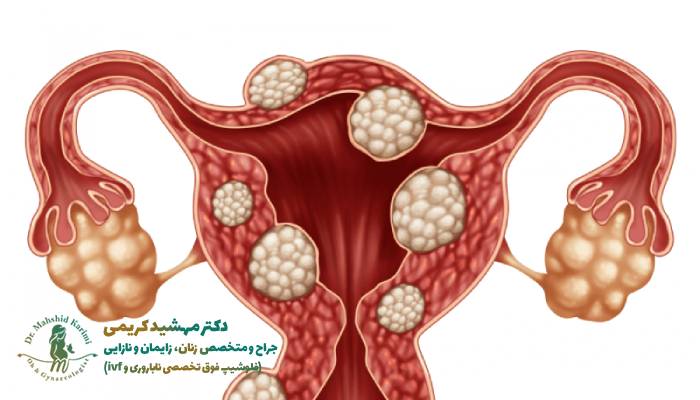
Vitamin D has a direct effect on uterine cells and prepares the uterine environment for embryo implantation. This vitamin regulates the immune system of the uterus so that the body does not reject the fertilized egg as a foreign substance. Vitamin D deficiency in women's fertility can increase the risk of miscarriage and pregnancy problems.
sources and supplements of vitamin D
To obtain vitamin D, women can use natural sources such as sunlight, fatty fish (such as salmon and sardines), eggs, and fortified dairy products. If needed, the doctor can prescribe vitamin D supplements so that the level of this vitamin in the body reaches the optimal level.

effects of vitamin D deficiency in pregnancy
Vitamin D plays an important role in the health of the mother and the development of the fetus, and its deficiency can cause serious complications for both. This vitamin has a direct effect on calcium absorption, bone health, immune system function and fetal brain development.
The effect of vitamin D deficiency on the mother
- Weak bones and skeletal problems: Vitamin D deficiency reduces calcium absorption and can lead to osteoporosis or soft bones in the mother.
- Increased risk of preeclampsia: Research shows that vitamin D deficiency is associated with increased pregnancy blood pressure and preeclampsia.
- Gestational diabetes: Low levels of vitamin D can increase the risk of developing gestational diabetes.
- Immune system weakness: Vitamin D deficiency in women's fertility reduces the body's ability to fight infections and makes the mother more vulnerable to diseases.
The effect of vitamin D deficiency on the fetus
- Disturbance in bone and tooth development: Vitamin D is necessary for the development of bones and teeth in the fetus, and its deficiency can lead to soft bones or skeletal disorders.
- Immune system problems: Vitamin D deficiency in the fetus may cause a weak immune system and increased susceptibility to diseases after birth.
- Low birth weight: Research shows that low levels of vitamin D in the mother are associated with the risk of low birth weight babies.
- Higher risk of chronic diseases: Vitamin D deficiency in women's fertility can increase the possibility of the child suffering from chronic diseases such as asthma and type 1 diabetes in the future.
What to eat for vitamin D deficiency in pregnancy
Vitamin D plays a vital role in women's fertility, and its adequate supply can increase the chances of pregnancy, improve the quality of eggs, and prepare the uterine environment for embryo implantation. Sources of vitamin D in women's fertility include natural food sources, sunlight and pharmaceutical supplements.
sunlight
Regular exposure to sunlight is one of the most important and easiest ways to provide vitamin D. The human body produces vitamin D by direct exposure to UVB rays from sunlight. 15 to 30 minutes of exposure to sunlight several days a week, depending on the season and skin color, can provide the body's daily need for this vitamin.
Natural food resources
- Fatty fish: salmon, sardine, mackerel and tuna are rich sources of vitamin D and their consumption helps to improve fertility.
- Egg yolk: contains significant amounts of vitamin D and its regular consumption is beneficial.
- Liver: calf or chicken liver is also a good source of vitamin D.
Enriched food sources
Some foods are enriched with vitamin D to reduce the deficiency of this vitamin in the society. These sources include the following:
- Enriched milk and dairy products
- Some types of breakfast cereals
- Enriched plant-based drinks such as soy milk and almond milk
Vitamin D supplements
If the consumption of natural sources is not enough or vitamin D deficiency is diagnosed, the doctor can prescribe vitamin D supplements for women's fertility. These supplements are available in the form of capsules, tablets and drops and can raise the level of this vitamin to the appropriate level to improve fertility.
Amount of vitamin D consumption before pregnancy
Vitamin D plays an important role in women's fertility and preparing the body for pregnancy. Providing sufficient levels of this vitamin helps to regulate hormones, improve the quality of eggs and the health of the uterus. But its excessive or insufficient consumption can have negative effects; Therefore, it is very important to observe the right amount. Medical studies show that women who plan to become pregnant need about 600 to 800 international units (IU) of vitamin D per day in female fertility. This amount can usually be provided by regular exposure to sunlight and consumption of natural food sources.
If a blood test shows that your vitamin D levels are low, your doctor may prescribe supplements of 1,000 to 2,000 IU daily or more to bring your vitamin D levels up to optimal levels. The exact amount of the supplement should be determined under the supervision of a doctor to avoid overdose and possible side effects.
simultaneous use of folic acid and vitamin D in pregnancy
Pregnancy increases the body's need for vitamins and minerals, and the supply of these substances plays a vital role in the health of the mother and fetus. Folic acid and vitamin D are two important supplements, the simultaneous use of which has many benefits for pregnant women.
role of folic acid
Folic acid, or vitamin B9, helps the healthy formation of fetal cells and tissues and prevents neural tube defects in the fetus. Daily consumption of folic acid before and during pregnancy is recommended to ensure the health of the fetus.
role of vitamin D
Vitamin D is important in women's fertility for calcium absorption, bone health, hormone regulation and preparation of the uterus for embryo implantation. Vitamin D deficiency can cause problems such as bone weakness, reduced chances of pregnancy and complications during pregnancy.
Advantages of simultaneous consumption
Simultaneous consumption of folic acid and vitamin D in women's fertility not only increases the immunity of the mother and the fetus, but also improves the quality of eggs, regulates hormones and increases the chance of pregnancy. These two supplements do not limit each other's performance and can be taken without interference.final speech
Vitamin D plays a key role in women's fertility, and its adequate supply can increase the chances of pregnancy, improve the quality of eggs, and ensure the health of the uterus and fetus. Deficiency of this vitamin can cause hormonal problems, decrease the chance of pregnancy and cause serious complications during pregnancy.
Using natural resources such as sunlight, fatty fish, eggs and fortified dairy products and if needed, taking supplements prescribed by a doctor, the level of vitamin D in women's fertility will reach the optimal level and suitable conditions for fertility and healthy pregnancy will be provided. Paying attention to vitamin D is a simple and effective step towards the health and success of women's fertility.