
The health of the mouth and teeth is considered one of the most important pillars of the general health of the body. Many people think that tooth decay, gum disease or jaw abnormalities are simply the result of poor hygiene or improper nutrition, but scientific reality shows that the role of genetics in dental health is much deeper and more decisive than is often thought. From the very beginning of birth, genes determine the quality of tooth enamel, the shape of the jaw, the resistance of teeth against decay, and even the body's reaction to oral bacteria.
In recent years, the progress of genetics and dentistry has made the relationship between hereditary factors and oral health to be investigated more precisely. Today, experts believe that combining the right genetics with a healthy lifestyle can prevent many oral and dental problems. In this comprehensive and specialized article, we will fully examine the role of genetics in dental health and analyze issues such as prevention, complementary treatments, lifestyle modification and false beliefs with a scientific and practical perspective.
Genetics is a science that deals with the study of genes, heredity and how biological characteristics are passed from parents to children. Genes are instructions that direct the structure and function of body cells. Oral health is also directly affected by these genetic instructions.
The role of genetics in dental health includes determining the thickness and strength of tooth enamel, the shape and size of teeth, the order of their growth, the structure of the jaw bone, and even the composition of oral saliva. For this reason, two people with a similar lifestyle may have completely different dental conditions.
The influence of genetics on tooth enamel
Tooth enamel as the hardest tissue of the body. It has vital protection. Genes determine the quality, thickness and strength of tooth enamel. People who have genetically weaker enamel will develop caries more quickly, even if they maintain good oral hygiene.
The role of genetics in tooth decay
Research shows that susceptibility to tooth decay can be hereditary. The type of oral bacteria, the composition of saliva and the response of the oral immune system are all controlled by genes. These factors explain why some people still suffer from caries despite careful oral hygiene.
The effect of genetics on gum health
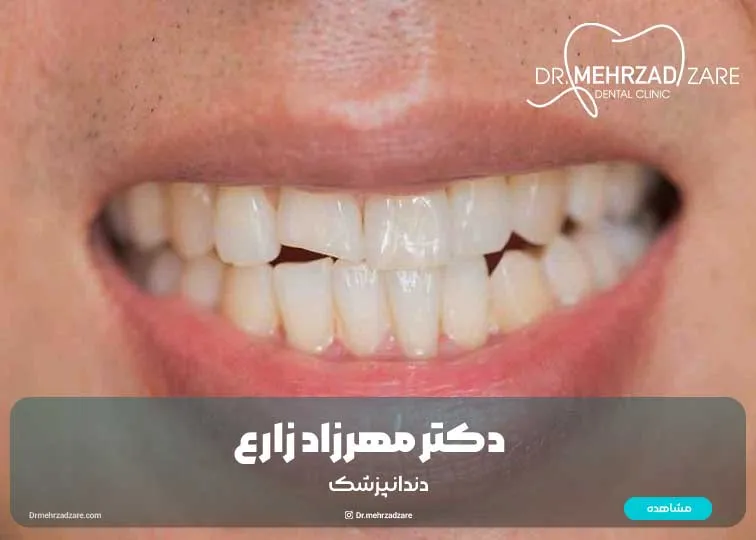
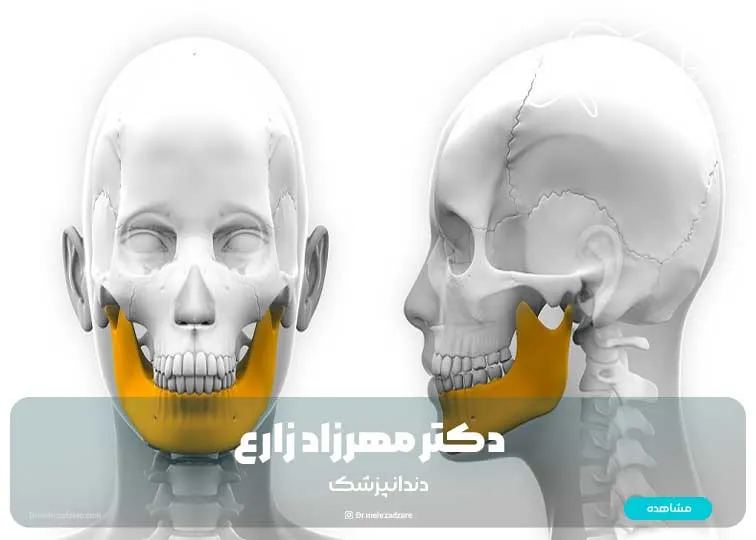
The shape of the upper and lower jaw, the distance between the teeth and the way they grow are largely genetic. Problems such as crowded teeth, forward or backward jaw and crossbite usually have hereditary roots. In some families, hidden wisdom teeth or a delay in the growth of permanent teeth are seen as hereditary. This issue shows the importance of examining family history in dental treatments. Saliva plays an important role in washing the mouth, neutralizing acids and preventing caries. Genes determine the volume of saliva, the amount of minerals and its antibacterial power. People who produce less saliva are more prone to decay and bad breath. Although the role of genetics in dental health is very prominent, genetics alone do not determine the fate of teeth. Lifestyle, nutrition, oral hygiene and regular visits to the dentist can strengthen or weaken the effect of hereditary factors. People with a family history of dental problems should start regular checkups from an early age. Early detection controls many problems. Basic brushing, using proper nutrition to strengthen teeth
Sufficient intake of calcium, phosphorus, vitamin D and reduction of simple sugars can largely compensate for the effect of poor genetics. For people with weak enamel, fluoride therapy and sealant have a very effective protective role. In people with a genetic predisposition to gum diseases, preventive and specialized treatments start earlier. Early detection of hereditary anomalies of the jaw and teeth significantly improves the results of orthodontic treatment. Quit smoking
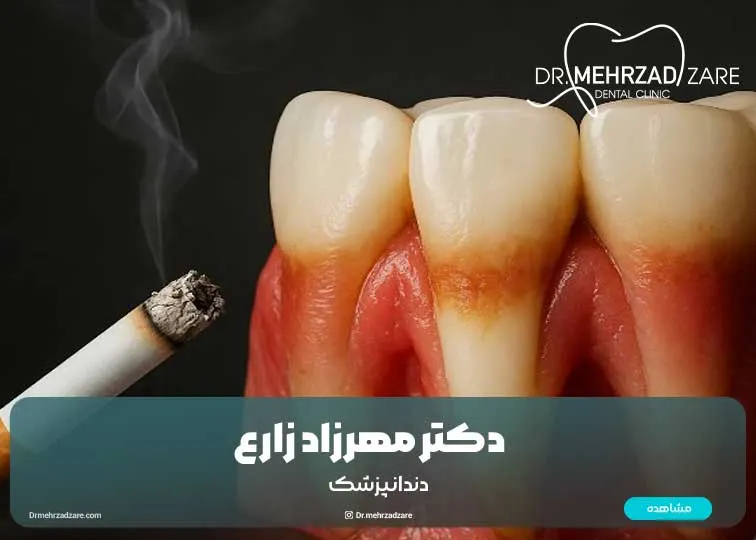
Use Tobacco It multiplies the effect of negative genetic factors. Gentle jaw exercises can help improve muscle function and reduce abnormal pressure. Parents with knowledge of family history can start preventive measures earlier. Health Education Mouth The role of genetics in dental health is undeniable and has a direct effect on the structure, resistance and function of teeth and gums. However, genetics do not determine the definitive fate of oral health. Basic prevention, healthy lifestyle and targeted treatments can significantly reduce the effect of hereditary factors. Awareness is the most important tool to maintain a healthy and lasting smile.Abnormalities Jaw and orthodontics
implanted teeth and delayed eruption
role Genetics in the composition of saliva and oral health
Is Is genetics the definitive determinant of dental health?
early and regular examinations
targeted oral hygiene

Fluoride therapy and sealant
Advanced gum treatments
early orthodontics
reduce stress
Jaw and face exercises
Conclusion
Is tooth decay hereditary? Yes, its talent can be genetic.
Are gum diseases transmitted from parents? The background of infection can be hereditary.