
نقش تکنولوژی دیجیتال در گفتار درمانی و آسیب شناسی گفتار زبان و بلع چیست؟
ادغام فناوریهای نوین در آسیبشناسی گفتار و زبان، بهویژه با رشد اپلیکیشنهای سلامت، تلتراپی و ابزارهای هوش مصنوعی، به سرعت در حال گسترش است.
این تغییر نهتنها روشهای درمانی را متحول کرده، بلکه دسترسی بیماران به خدمات را نیز آسانتر ساخته است.
استفاده گسترده از فناوری در گفتاردرمانی
- حدود ۷۵٪ از گفتاردرمانگران جهان از ابزارهای دیجیتال استفاده میکنند.
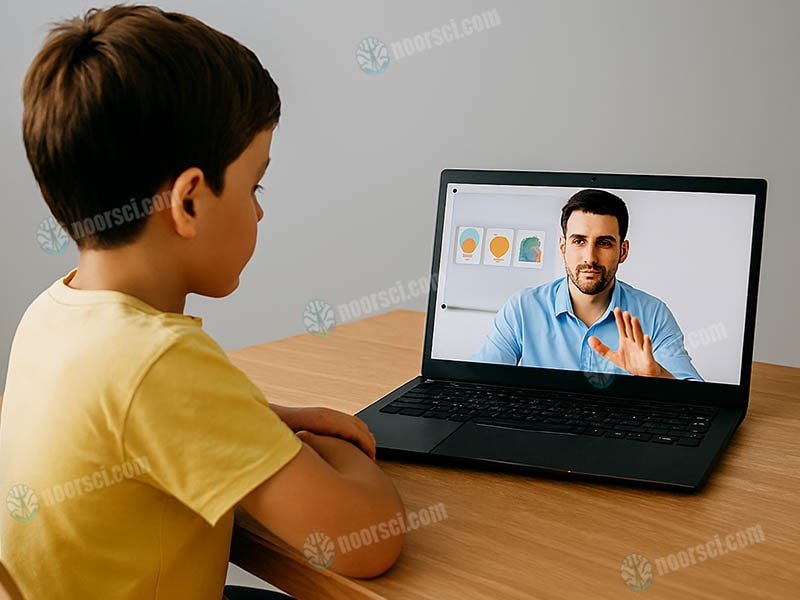
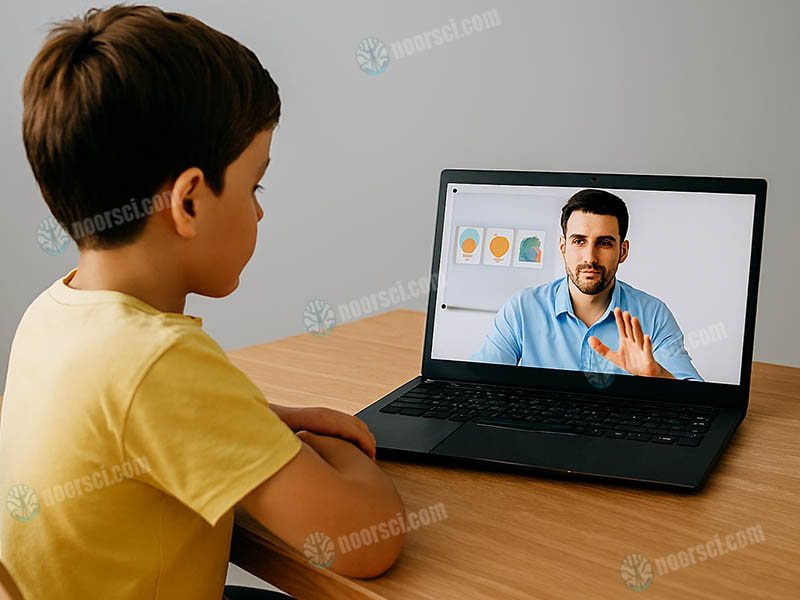
- همهگیری کووید۱۹ باعث شد بین ۶۰ تا ۸۰٪ متخصصان در کشورهای توسعهیافته به سمت تلتراپی روی بیاورند.
- بیش از ۷۰٪ درمانگران معتقدند این روش موانع جغرافیایی را کاهش داده و حضور بیماران را بهبود بخشیده است.
مزایا و محدودیتهای تلتراپی
- ۳.۸ از ۵ میانگین اثربخشی تلتراپی است؛ This means that it is partially effective, but still not a complete substitute for face-to-face sessions.
- This method saves time and money and is very valuable for patients in remote areas.
- However, the level of satisfaction of therapists varies and depends on working conditions and the type of direct communication with patients. They are widely used to supplement traditional therapy.
- About 60% of therapists use these apps, and 70% of them report that these tools increase patient motivation and participation.
- 4.0 out of 5 is the average effectiveness of these apps; That is, they act more as a supplement to face-to-face therapy rather than an independent substitute.
Practical applications of technology
- Removing geographical barriers and increasing patients' access to medical services.
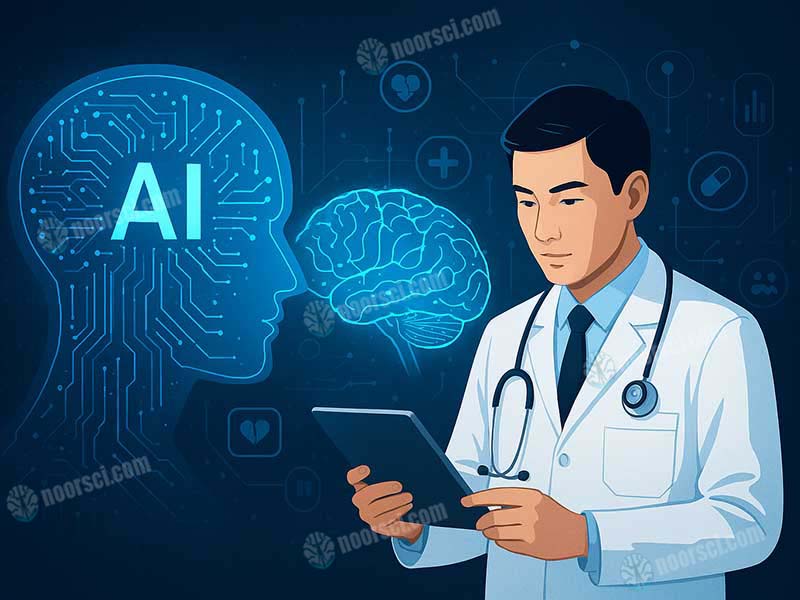
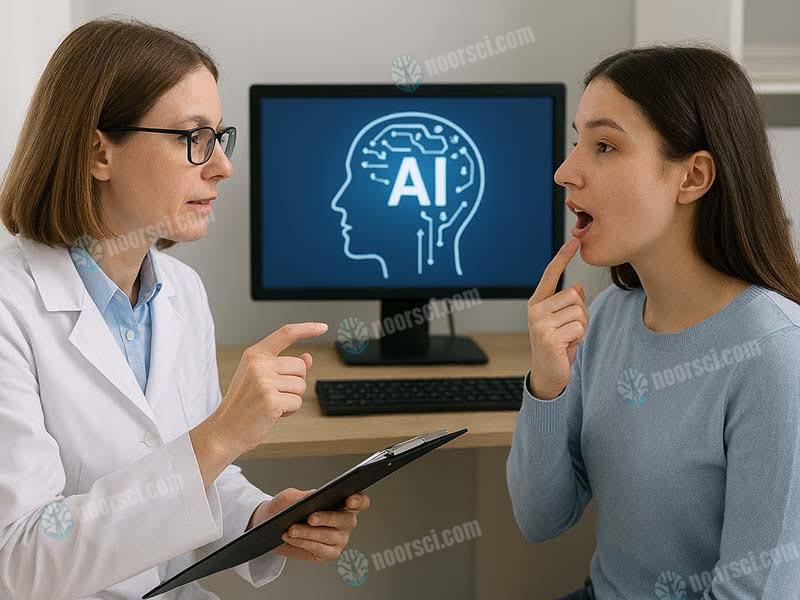
- Early diagnosis of speech and language disorders with the help of artificial intelligence tools.
- Simple methods, such as communication boards or more advanced ones such as text-to-speech programs, are used when necessary.
- At three levels: Prevention, diagnosis and treatment are used.
Conclusion
Digital technology in speech therapy has provided a great opportunity to expand access, reduce costs and increase motivation of patients. Although it still cannot completely replace face-to-face meetings, it will play an important role as a complementary tool in the future of speech and language therapy.
To read more about artificial intelligence and speech therapy, see the article Artificial intelligence in speech therapy and treatment of speech and language disorders and Swallow See.