![The role of inositol in the treatment of female infertility [obstetrics and gynecology specialist]](/storage/posts/covers/2026/01/05/c0b071d7095fdcbaa34903c34e092d27a7f5b2fc471de3ff89c0a6eb0c446a10.jpg)


ناباروری یکی از مشکلات پیچیده و نگرانکنندهای است که بسیاری از زنان با آن مواجه هستند. According to global reports, about 10-15% of couples struggle with infertility problems. This problem can have many reasons, but in recent years, research has shown that inositol may be effective in treating infertility in women. This article examines the role of inositol in the treatment of female infertility and its effects on reproductive health.
What is inositol?
Inositol is a natural compound that belongs to the group of B vitamins. Although it was originally recognized as a vitamin, it is actually a carbohydrate that is produced naturally in the body and is found in many everyday foods such as grains, fruits and vegetables. Inositol plays an important role in regulating the cellular and biological processes of the body and is involved in many metabolic and hormonal processes of the body.
Inositol has different types, the most important of which are myo-inositol (MI) and di-xylo-inositol (D-Chiro-Inositol). The combination of these two types of inositol is used in the treatment of some fertility problems such as polycystic ovary syndrome (PCOS).
More information: 
The effect of inositol on female infertility
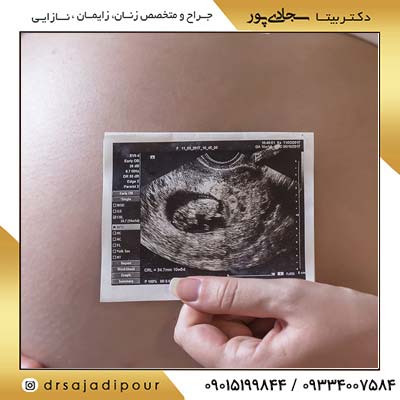
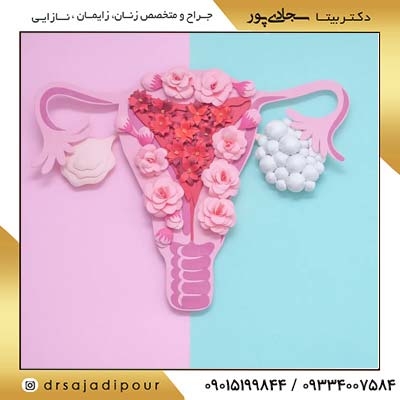
One of the most common causes of infertility in women is polycystic ovary syndrome (PCOS), in which the ovaries produce a large number of small cysts and the balance of hormones in the body is disturbed. This condition can lead to irregular periods, lack of ovulation and fertility problems. In this context, inositol is especially effective in improving ovulation and increasing fertility.
Improving insulin sensitivity
One of the prominent features of women with PCOS is insulin resistance. This problem can lead to an increase in the level of insulin and, as a result, an increase in the production of male hormones (androgens), which causes problems such as acne, hair loss, and irregularity in the menstrual cycle. Research has shown that inositol can increase insulin sensitivity, thereby controlling the amount of insulin in the body and helping to improve ovarian function.
Improving the quality of eggs and ovulation
Research shows that taking inositol can stimulate ovulation in women with PCOS. By improving hormonal regulation, inositol helps the ovaries produce more healthy eggs. Various studies have shown that the consumption of inositol increases the quality of eggs, reduces the number of abnormal eggs and increases the probability of pregnancy.
Setting the menstrual cycle
Another benefit of inositol in the treatment of female infertility is regulating the menstrual cycle. Many women with PCOS have hormonal disorders and irregular periods. By helping to balance hormones, inositol helps regulate menstrual periods and causes timely ovulation.
The effects of inositol in the treatment of non-PCOS infertility
Although the effect of inositol is most pronounced in women with PCOS, the compound may also be useful in other fertility problems. Some research shows that taking inositol can help improve the quality of eggs and sperm in men and women. Also, inositol may be effective as a supplement in the treatment of infertility related to other hormonal problems such as hormonal imbalance in women.
How to use inositol
According to carehospitals
Take inositol supplements around meal times, ideally after the first and last meal of the day, to improve insulin regulation and hormone balance. Maintain a minimum six-hour interval between the two doses to optimize absorption
To improve insulin regulation and hormonal balance, take inositol supplements around meals, ideally after the first and last meals of the day. At least a six-hour interval between two doses should be maintained for optimal absorption.

Inositol side effects
Inositol is generally safe for most women and has few side effects. However, some people may experience digestive problems such as bloating, diarrhea or stomach pain. If any of these symptoms appear, you should stop taking the supplement and consult a doctor.

Conclusion
Inositol is a natural compound that can be very useful in the treatment of female infertility, especially those related to polycystic ovary syndrome (PCOS). By improving insulin sensitivity, regulating hormones, stimulating ovulation and improving the quality of eggs, this combination can help increase the chances of pregnancy. Of course, to get the desired result, it is recommended to use inositol regularly under the supervision of a specialist doctor. Dr. Bita Sajjadipour gynecology specialist is your guide in this matter.


![Children's vaginal infection: symptoms and treatment [obstetrics and gynecology specialist]](/storage/posts/covers/2026/01/05/e56f480f09acfaf71854a94f42ccf293be7e378bd9a4adcffd54d5476bf51caa.jpg)

![Breast cancer [breast] symptoms, diagnosis + treatment [gynecologist]](/storage/posts/covers/2026/01/05/0d2c008b72cfbf5343598c8045fd73cdfbfe6a0e567bd035ea8e1fc90702e96a.jpg)
![Vaginal infection in pregnancy: symptoms, diagnosis and treatment [obstetrician and gynecologist]](/storage/posts/covers/2026/01/05/74fbd328a8a4a83f39778f4a417048ddeb814f527d50d1afc9e23bbe0ad5e371.jpg)