

زوال عقل یا دمانس یکی از اختلالات عصبی-شناختی شایع است که به کاهش تدریجی تواناییهای ذهنی و شناختی مانند حافظه، تصمیمگیری، حل مسئله و ارتباطات منجر میشود. This disease, which can be caused by brain injuries, neurodegenerative diseases such as Alzheimer, vascular problems or diseases such as Parkinson, affects It has a significant effect on the quality of life of the person and his surroundings. Early diagnosis and appropriate therapeutic intervention can play an important role in controlling this disorder. In the rest of this article, we will review the early symptoms of dementia, diagnosis methods, and services related to the management of this disease. Stay with us.
Dementia: early and warning signs
Dementia symptoms in the early stages may be mild and sometimes ignored, but over time, these symptoms worsen. Below are some of the most common early symptoms.
short-term memory disorder
One of the first and most common symptoms of dementia is short-term memory problems. People may forget recent conversations, lose things like keys or glasses, and even after being reminded several times, they still can't remember it. These forgetfulness usually start gradually and intensify over time. For example, the person may not remember where to park the car or forget important appointments. In more advanced stages, this disorder may lead to forgetting the names of close people or important life events. decreasing concentration and attention
Difficulty concentrating and paying attention is another early symptom of dementia that can make it difficult to perform everyday tasks. Affected individuals may become distracted while performing simple activities and may not be able to complete the task. For example, while cooking, they may forget to turn off the oven or add ingredients. Also, in daily conversations, they may lose the topic of discussion or not be able to respond properly to what others are saying. This disorder in concentration can reduce productivity in work or daily life.
Problems in judgment and decision-making
Dementia can affect a person's ability to make decisions and make logical judgments. Affected people may make wrong decisions or have difficulty in managing finances and simple planning. For example, they may spend their money on unnecessary goods or forget about important bills. In some cases, they may not understand everyday risks such as driving in inappropriate conditions. These problems can severely disrupt a person's daily life and endanger his safety.
behavioral and emotional changes
Another symptom of dementia is noticeable changes in behavior and mood. People may experience depression, anxiety, or irritability and exhibit behaviors that are unexpected for those around them. Some may become apathetic and lose interest in activities they once enjoyed. Also, these people may get angry or anxious about small issues. Behavioral changes usually have significant effects on a person's social and family relationships and can cause a lot of stress for those around them.Difficulty in language and expression
Problems with language and expression are a common symptom of dementia that often manifests in everyday conversation. People may have trouble finding the right words or use the wrong words. For example, they may use the word "water" instead of saying "tea" or forget the names of simple objects. This disorder in language can cause confusion and frustration for a person and disrupt his social relations and daily communication.

getting lost in familiar surroundings
Losing the ability to navigate and recognize familiar environments is another early symptom of dementia. A person may get lost in places they have frequented for years or forget the way back home. In some cases, they may get confused even in closed environments like their home and cannot distinguish between different rooms. This confusion can create a feeling of fear and worry in a person and increase the need for help from others.
Loss of interest in activities
One of the most noticeable changes in people with dementia is a loss of interest in activities they used to enjoy. These people may no longer be interested in hobbies such as reading books, sports, or meeting friends and prefer to spend more time alone. This apathy can be due to depression caused by illness or inability to perform activities due to cognitive problems. Reducing social participation can also accelerate the progress of the disease.
How do medical services help diagnose dementia?
To diagnose dementia, doctors use various tools and methods. These services include the following.
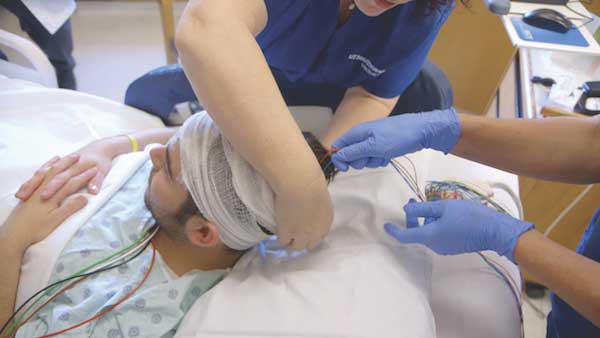
brain tape (EEG)
brain scan or electroencephalography (EEG) is one of the diagnostic methods that records and analyzes the electrical activity of the brain. This method helps doctors to identify abnormal patterns in brain function. In patients with dementia, the brain tape can show signs of disturbances in the electrical activities of certain areas of the brain. Additionally, EEG helps differentiate dementia from other disorders such as seizures or encephalopathy. This tool is especially useful for people who have symptoms of dementia with seizures or loss of consciousness.
brain doppler ultrasound
Cerebral Doppler ultrasound is a non-invasive method used to check blood flow in cerebral vessels. This method can identify problems such as narrowing or blockage of cerebral vessels that may lead to reduced blood supply to different parts of the brain. Decreased blood flow to the brain can be one of the factors that aggravate dementia or cognitive problems. For example, people with vascular dementia usually have vascular abnormalities that can be detected by brain Doppler. This method is safe, fast and painless and provides important information about the health of cerebral vessels.
Nerve and muscle strip
Nerve and muscle tape (EMG) is a tool that measures the function of peripheral nerves and examines the muscles. Although this test is not directly used to diagnose dementia, it can help differentiate other neurological diseases that have similar symptoms to dementia. For example, diseases such as peripheral neuropathy, myasthenia gravis, or amyotrophic lateral sclerosis (ALS) may cause symptoms that are mistaken for dementia. Performing this test can help doctors to diagnose related or concurrent neurological diseases and prescribe the appropriate treatment.
Psychological and cognitive assessment
One of the main ways to diagnose dementia is to use standard psychological and cognitive tests. These tests include assessments of memory, problem solving ability, concentration, and language skills. Tests such as MMSE (Brief Mental Status Examination) or MoCA (Montreal Cognitive Assessment) help doctors assess the severity of cognitive impairment and the extent to which it affects a person's daily functioning. These tests are usually performed orally or in writing and provide comprehensive information about the mental state and cognitive performance of the patient.
brain imaging (MRI and CT)
Brain imaging using MRI or CT scan is one of the key methods to check the structure and health of the brain in people suspected of dementia. MRI can show structural changes in the brain, such as reduction in brain volume, atrophy of certain lobes (such as the temporal lobe in Alzheimer), or the presence of brain damage. A CT scan is also useful for identifying silent strokes, hemorrhages, or structural abnormalities. These methods help doctors diagnose possible causes of dementia, including vascular damage or degenerative diseases, and plan appropriate treatment. Additionally, imaging can help rule out treatable causes such as tumors or hydrocephalus.
Evaluation of cognitive function with EEG
Brain tape or Electroencephalogram (EEG) is a non-invasive method that helps to identify abnormal patterns in brain function by recording the electrical activity of the brain. This tool is especially useful in diagnosing certain types of dementia, such as dementia caused by epilepsy or changes related to brain patterns. One of the main benefits of EEG is its ability to differentiate dementia from other neurological disorders such as seizures or encephalopathy. In addition, EEG can detect cognitive changes associated with dementia in the early stages and help doctors evaluate the effectiveness of pharmacological or non-pharmacological treatments. The use of this method allows more accurate and timely management of the disease.
Doctor's home visit for a more comprehensive evaluation
After the diagnosis of dementia, careful planning for disease management is very important. Some activities can help improve a person's condition. Examples of these activities include:
Dementia is a complex disease that can have extensive effects on the life of a person and his family. Early diagnosis of dementia and the use of appropriate medical services, such as consultation with a neurologist, are key tools to control this disease. Brain damage or Frequent
Conclusion