مقاله تخصصی
Treatment of constipation in infants and babies
3 months ago
506 بازدید

Dr. Ali Faraji
تهرانSpecialist in children and babies
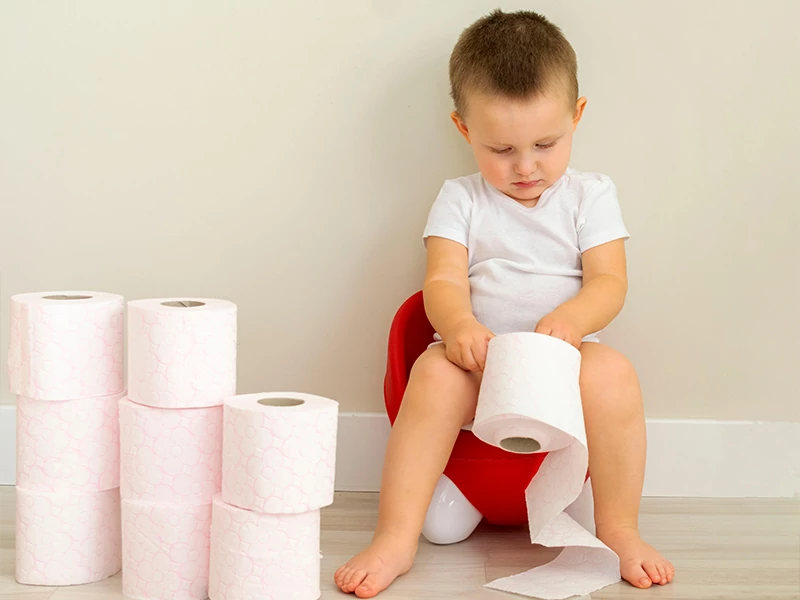
Constipation is very common in breastfed infants. There are many causes of constipation in babies. However, not everyone understands this correctly and completely. This article deals with the definition and cause of constipation in infants and answers the question of parents with young children who are constipated while breastfeeding. Stay with us until the end of this article to learn more about the causes, symptoms and treatment of constipation in infants and babies. What is constipation in babies? Breastfed babies may not have a bowel movement for several days. As long as their stools are soft and the baby is gaining weight normally, there is nothing to worry about. However, if the child does not have a stool for 4 days or more, and in addition to solid dry stools and symptoms of pain and confusion, the child may have a problem. Unlike constipation in children over two years of age, which is considered the frequency of the baby's stool, for babies, constipation is defined based on the condition of the baby's stool. Newborn babies are constipated if they have hard and small stools. Causes of constipation in infants
There are many reasons for constipation in babies during breastfeeding, the most important of which are as follows:
### 1- The start of auxiliary and solid foods
If it is the first time your baby eats food other than your milk, he may become constipated. The cause of constipation in babies is often that after 6 months, food such as cereal porridge is given, which lacks fiber. On the other hand, when the baby starts consuming solid foods, the digestion method changes a little. When starting to consume solid foods, parents should give some time for the child's body to learn the correct way to digest new foods. Consuming foods with low fiber can cause constipation. When parents introduce these foods to their children too soon, it causes constipation. ### 2- Using powdered milk together with breast milk
Babies who are little breastfed but formula fed are often at risk of constipation. Because breast milk contains a balanced combination of fats as well as protein, fiber and water and helps to keep the baby's stool soft. In addition, various protein compounds in formula can also cause constipation in babies. Babies who use a lot of formula and are constipated often have green, hard stools. In most cases, consumption of powdered milk can be recognized as a reason for constipation in children. It is usually harder to digest formula than breast milk. Breast milk is the best nutrition for infants because it makes the stools of children always soft, even if the baby does not have a bowel movement for several days. ### 3- Baby's dehydration
If a child is dehydrated, his body may absorb fluids from anywhere, both from the food or drink he consumes and from the stool in his bowels. This unintentionally causes the child's stool tissue to become drier and harder, making it difficult for the child to pass stool. Sometimes, the body may become constipated due to reasons such as teething, colds, infections, etc. Also, older infants sometimes suffer from constipation due to low water consumption. As a result, it can be said that the less water consumption in breastfeeding, it can cause hard and dry stools. ### 4- Illness and health problem in the baby
Another cause of infant constipation is illness and health problems. Constipation during breastfeeding in infants can be due to health problems such as hyperthyroidism, congenital megaloblastic disease, diabetes or nervous system diseases such as cerebral palsy and retardation. Sometimes constipation occurs due to the presence of allergies in children, food poisoning in children. Signs and symptoms of constipation in babies
Before treating constipation in infants, you must make sure that they have this problem. In general, the following symptoms indicate the occurrence of constipation in infants:
- Reduction in the number of bowel movements, but this symptom is not a definitive evidence of constipation in infants. - Difficulty defecating, because the child makes more effort during defecation and may show signs of pain and restlessness during defecation. - The discharge of dry stool that appears in the form of small grains or pebbles, which is not considered normal stool in babies. - Stool has a very bad smell. There are a number of symptoms that can accompany constipation in babies, including:
- Abdominal bloating
- Discharge of gases
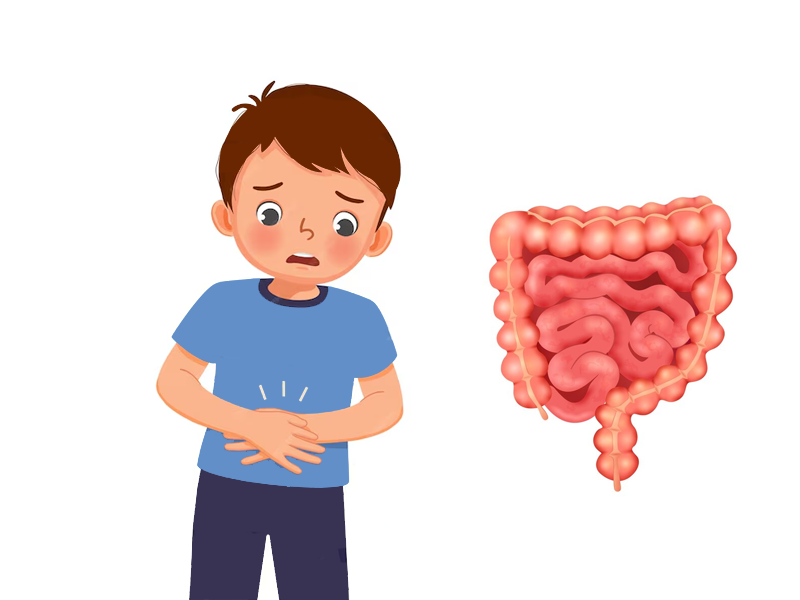
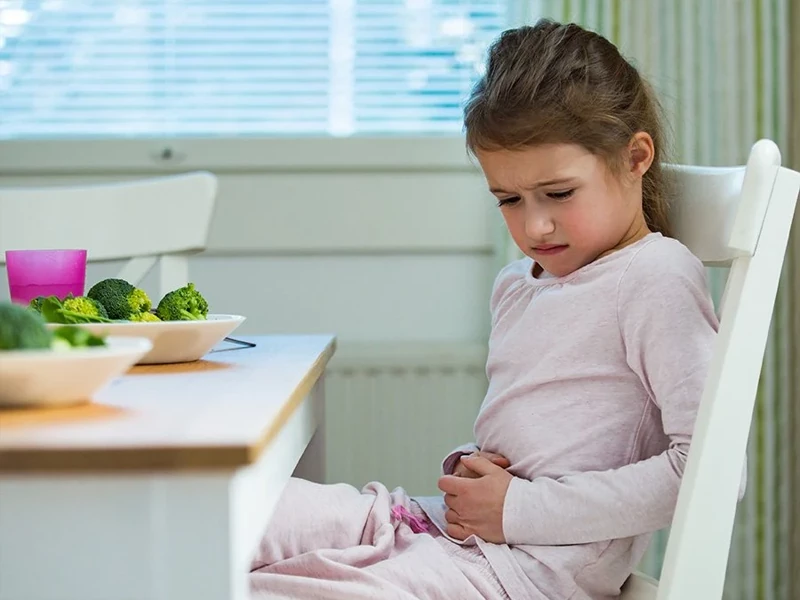
- Infant cramps and abdominal pain
- Anorexia
- Change in mood so that the baby becomes nervous. Also, if the baby's constipation is accompanied by the following symptoms, you should see a doctor immediately:
- Excretion of blood with feces
- Fever
- Vomiting
- Fatigue and stress
Also, because the accumulation of feces inside the body increases the baby's weight, and this is one of the symptoms to see a doctor immediately. Fortunately, constipation in infants can be treated by changing the diet or taking special medicines. It is better to refer to the best pediatrician after observing the smallest symptoms of constipation in your child or baby. Treatment of constipation in infants
Treatment of infant constipation is the concern of many mothers who are breastfeeding. To treat constipation in infants, you can refer to some of the following ways:
### 1- Give your child more water
After 6 months, mothers can give the baby some water to drink in addition to breastfeeding. Water helps the baby's stool expand and move more easily through the intestines. ### 2- Change the type of formula your child uses
If the baby becomes constipated while drinking formula, parents should change the formula to another type. Parents can consult pediatricians as well as experienced nutritionists to find the most suitable milk for their baby. ### 3- Add fiber to your child's diet
For babies who have started to wean, but adding water does not help to improve the symptoms of constipation in children, parents should replace them with vegetables with laxative properties. Such as sweet potatoes or apples, plums and pears. These foods help soften the child's stool and make it easier for him to pass it. For children older than 4 months, parents should only give their children fruit juice without added sugar in the amount of 30 to 50 ml of water mixed with water in a ratio of 1:1. Tips to prevent constipation in babies
Some simple or home tips that help prevent and even treat constipation in infants and babies include:
- If you start pureed solid foods, use fiber-rich foods such as pureed vegetables and fruits. - If the infant is fed grains, it is recommended to use oatmeal or wheat instead of rice grains to treat infant constipation, because rice grains sometimes cause constipation in infants. - Make sure to increase the amount of water the baby drinks between and during meals. - Move the baby's legs slowly with the movement of the bicycle. - Massage the baby's belly clockwise on an empty stomach. Doing this for 1 or 2 times a day for 5-10 minutes each time can prevent constipation. - Warm water bath for babies can reduce the possibility of constipation. **final advice**
Constipation in infants is often caused by the reduction of body fluids of the baby, the use of powdered milk together with breast milk, the start of complementary and solid foods. There are many simple home remedies that help reduce constipation in babies. If the mentioned methods are not effective, the child's constipation may be due to illness or side effects of medications. If your infant has symptoms such as prolonged constipation, fever, abdominal distension, or vomiting, you should see a doctor right away. If the child shows symptoms of long-term constipation, parents can take the child to the doctor and benefit from the support and advice of doctors and nutritionists.