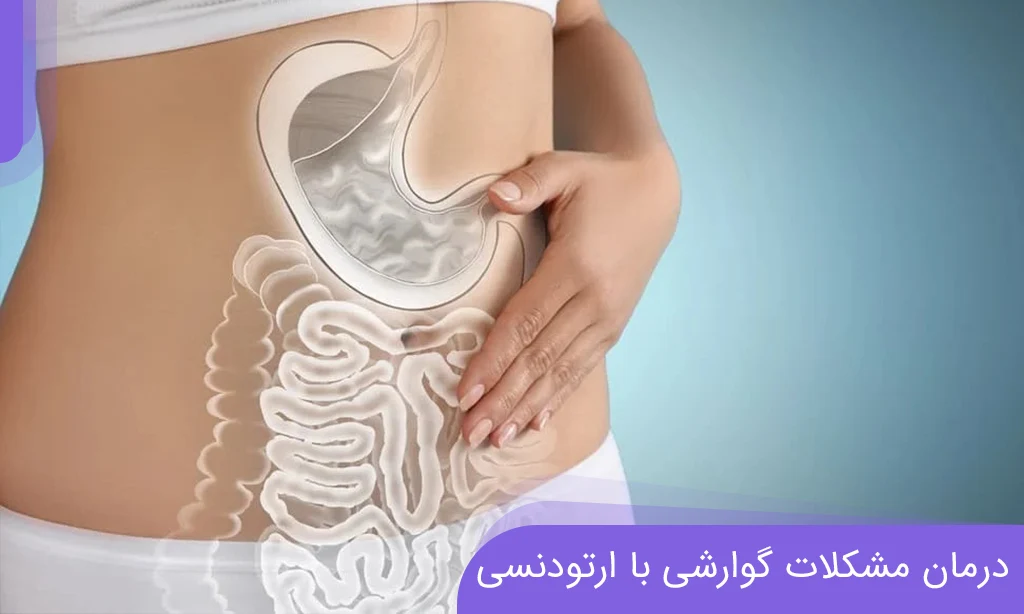
Many of us consider orthodontics only as a way to straighten our teeth and beautify our smile. we know But did you know that the impact of orthodontics on the digestive system can also be significant?
In fact, oral and dental health is directly related to the quality of chewing and digestion. When the teeth or jaw are not in the right position, the act of chewing is incomplete and this can lead to digestive problems such as bloating, indigestion and even stomach pain.
The good news is that by correcting jaw abnormalities and improper bite with the help of orthodontics, you can improve chewing function and help treat digestive problems. In the rest of this article, we explain how by correcting jaw abnormalities, you can help treat digestive problems with orthodontics and improve the health of the mouth and digestive system at the same time.
Is it really possible to treat digestive problems with orthodontics?
In many cases, it is possible to treat digestive problems with orthodontics, but we must know that this treatment does not directly treat stomach or intestinal problems. The main role of orthodontics is to correct jaw and teeth abnormalities that affect the quality of chewing and crushing food.
Incomplete chewing of food creates an additional burden on the digestive system. By correcting the improper bite with the help of orthodontics, the food will be crushed better and it will be easier to digest. Therefore, orthodontics can indirectly, but effectively, solve digestive problems caused by chewing disorders.

How do jaw and teeth abnormalities cause digestive system problems?
When the jaw and teeth are not in the correct position, the coordination between the tongue, jaw muscles and teeth is disrupted. This lack of coordination causes the process of crushing food to be incomplete and the person has problems when chewing or even swallowing.
Teeth must break the food into small and soft pieces so that the stomach and intestines can digest it easily. If there are jaw or dental abnormalities, the food is incompletely crushed and larger pieces enter the stomach.
This causes the stomach to consume more energy for digestion and the person suffers from problems such as bloating, feeling heavy or even reflux. Therefore, jaw and teeth abnormalities are indirectly the beginning of many digestive disorders.
Types of jaw abnormalities that cause disturbances in the digestive system
Jaw abnormalities do not only affect the shape of the face and the beauty of the smile, but can also disrupt the natural process of chewing and swallowing. Suffering from any of the types of malocclusion prevents the complete crushing of food and can cause digestive problems. In the following, we will learn about the most common abnormalities of the jaw and teeth that contribute to digestive disorders.
Midline Deviation
In midline deviation, the center line of the upper and lower teeth do not overlap. This irregularity causes the person to use only one side of the jaw for chewing. Chewing on one side puts more pressure on the same side and reduces the quality of crushing food. As a result, heterogeneous and large pieces of food enter the stomach and the digestion process becomes more difficult. In addition, unilateral use of the jaw may eventually lead to muscle pain and fatigue.
Open Bayt
In open bite, the front teeth do not overlap when the jaws are closed, leaving an empty space between them. This distance makes a person unable to cut or grind food with the front teeth.
People with an open bite depend more on the back teeth to bite and chew food, and this disrupts the natural distribution of pressure in the mouth. In the end, the food is not crushed completely and the possibility of problems such as indigestion or stomach heaviness will increase.

Deep Bayt
A deep bite occurs when the upper front teeth cover the lower teeth more than normal. This situation not only changes the appearance of the smile, but also limits the natural movements of the jaw.
People with deep bite usually have limited chewing and the ability to grind food evenly is less. Hard or fibrous foods, such as raw vegetables, are not easily digested, which puts more pressure on the stomach and increases the likelihood of digestive problems.
In this case the treatment of digestive problems with orthodontics is very noticeable.
overjet and overbyte
Overjet is a condition where the upper front teeth are too far ahead of the lower teeth, while an overbite means the lower teeth are covered by the upper teeth.
Both of these problems lead to inconsistency in jaw movements and limiting the contact surface of the teeth. As a result, the act of chewing is not done completely.
This inconsistency can cause larger pieces of food to remain and increase the possibility of bloating and indigestion in the digestive system. By treating these disorders, the effect of orthodontics on the digestive system can be well observed.

Distance between teeth
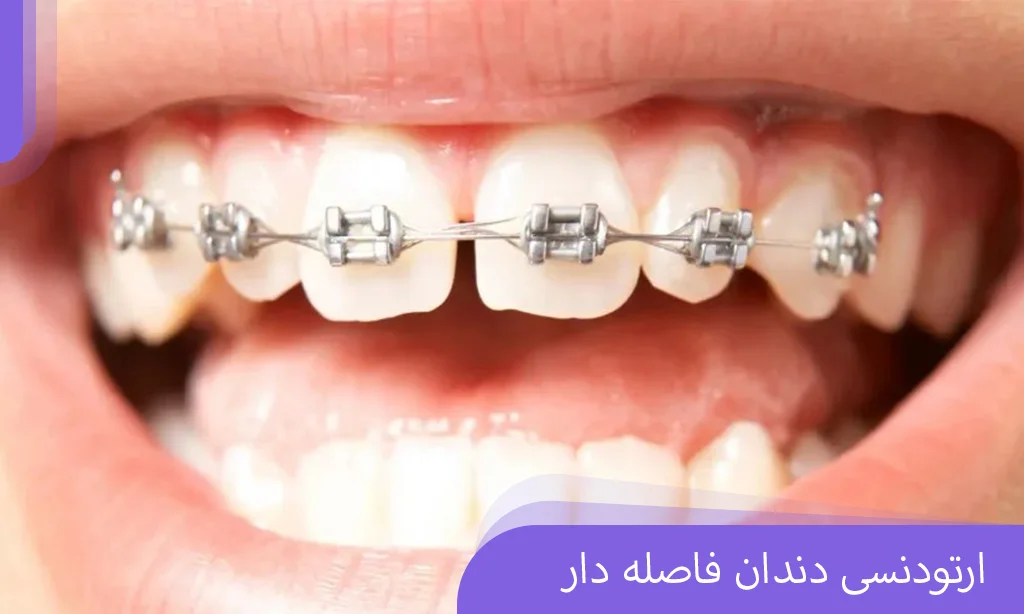
The existence of an abnormal distance between the teeth can also affect the act of chewing. Despite the large distance, the teeth cannot press together and crush the food.
This is the reason why some foods, especially small or hard foods, are not crushed well and enter the stomach directly. As a result, the work of the digestive system becomes more difficult and the possibility of problems such as bloating and slow digestion increases.
Common Digestive Problems Caused by Improper Bait
Improper bite puts more pressure on the stomach and intestines by disrupting the function of chewing. All kinds of jaw and dental abnormalities in the long term can lead to digestive problems, some of which are very common and annoying:
- Bloating and excessive stomach gas: Sometimes food is not completely broken down, larger pieces enter the stomach and need more time to digest. This process causes fermentation of food and excessive bloating and gas in the stomach and intestines.
- Gastric reflux: Improper bite causes more pressure on the stomach by disrupting the swallowing process. This extra pressure increases the possibility of stomach acid returning to the esophagus, or reflux, which is often accompanied by heartburn and a bitter taste in the mouth.
- Indigestion: not breaking enough food makes the digestive enzymes work harder. The result of this condition is indigestion. A condition that is accompanied by a feeling of heaviness, pain in the abdomen and sometimes nausea, and reduces the quality of life.

The effect of orthodontics on the digestive system
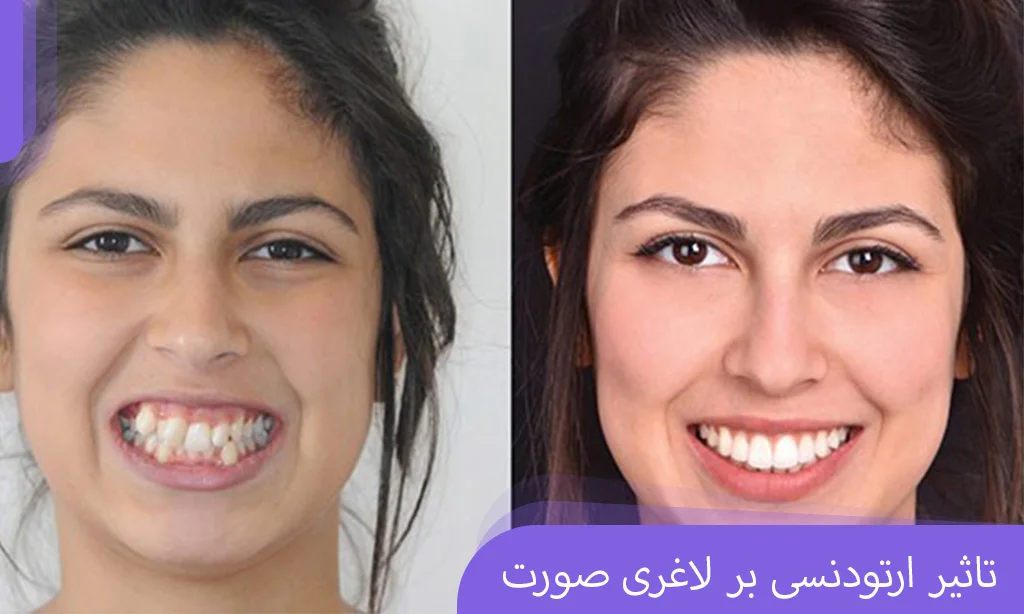
dental orthodontics By correcting the position of the teeth and harmonizing the function of the jaw, it practically plays the role of a "regulator" for the entire digestive process.
When the bite is corrected, the contact surface of the teeth increases and the chewing force is spread evenly. This causes food to be completely crushed and mixed well with oral saliva, which is rich in enzymes necessary to start digestion. In other words, the first stage of digestion, which starts from the mouth, is more complete.
The result of this process is reducing the workload of the stomach and improving the absorption of nutrients in the intestine. Also, orthodontics can correct the swallowing pattern and prevent excess air from entering the digestive system when eating, which is very effective in reducing bloating and reflux.
Is orthodontics suitable for treating my digestive problems?
If you feel pain or fatigue in your jaw when chewing food, or even if you suffer from frequent bloating or indigestion, these symptoms may be signs of an irregular bite or misalignment of teeth that affects the functioning of the digestive system.
In such a situation, it is very important to visit an orthodontist to check the condition of the jaw and teeth accurately. Choosing the the best orthodontist in Tehran can guarantee that the proper and effective treatment is done, the bite is corrected and the process of chewing and digestion is improved.

Orthodontic consultation to treat digestive problems with Dr. Khdywy
As you know, the health of the jaws and teeth plays an important role in the functioning of the digestive system, and problems such as an irregular bite or misaligned teeth can cause indigestion, bloating and reflux. Correcting these anomalies, in addition to improving the beauty of the smile, by improving the chewing process, it clearly shows the effect of orthodontics on the digestive system.
In order to treat digestive problems with orthodontics it is very important to consult an experienced orthodontist. You, dear ones, can go to Dr. Khadavi to receive specialized guidance and a personalized treatment plan and start your treatment path with confidence.