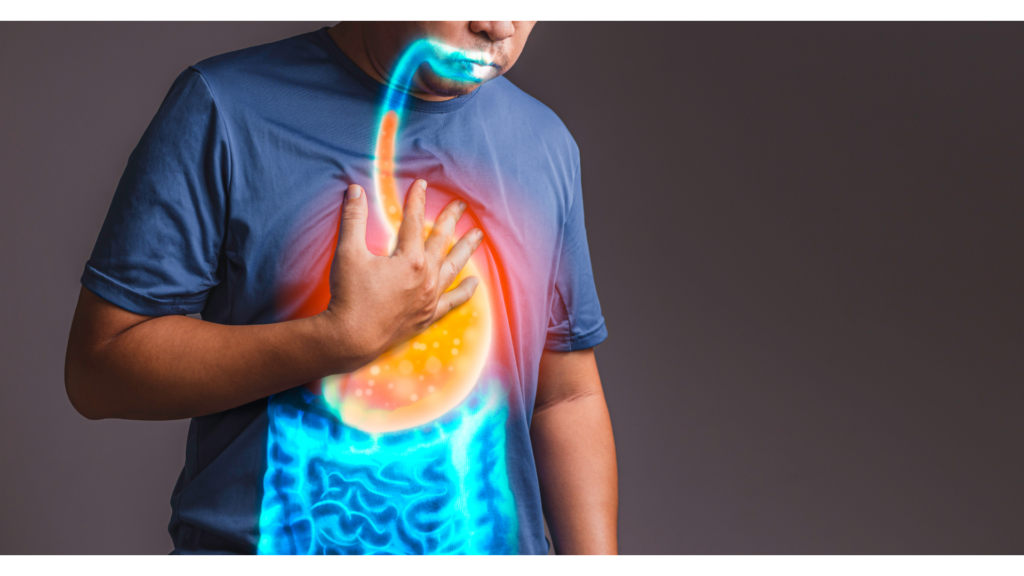

رفلاکس معده، یا بیماری بازگشت محتویات معده به مری، یکی از مشکلات گوارشی شایع است که میلیونها نفر در سراسر جهان از آن رنج میبرند. این بیماری زمانی رخ میدهد که اسید معده به طور غیرطبیعی به مری بازگشته و باعث تحریک و التهاب دیوارههای مری میشود. This process can lead to symptoms such as heartburn, chest pain, nausea, and difficulty swallowing, which not only affects a person's physical health, but also reduces their quality of life.
Gastroesophageal reflux disease, if not treated in time, can turn into gastroesophageal reflux disease (GERD), which is a chronic condition that can gradually lead to more serious problems such as inflammation of the esophagus, ulcers, and, in more severe cases, an increased risk of infection. lead to esophageal cancer. For this reason, the management and treatment of this disease is of particular importance.
In this article, the causes, symptoms and different methods of treating gastric reflux will be discussed. Treatment methods, including changes in lifestyle and diet, use of different drugs, and in some cases, surgery, are among the solutions that can help improve the condition of patients. The purpose of this article is to provide comprehensive and useful information in the field of choosing the most appropriate treatment methods so that people with this problem can improve their quality of life.
What is gastric reflux?
Gastric reflux is a condition in which stomach contents, such as stomach acid, return to the esophagus (the tube that carries food from the mouth to the stomach). This usually happens because a muscle called the sphincter at the end of the esophagus does not close properly. This muscle should remain closed after the food passes from the esophagus to the stomach to prevent stomach contents from returning to the esophagus. But if this muscle weakens or doesn't work properly, stomach acid can back up into the esophagus and cause irritation and pain. Gastric reflux may worsen after eating fatty, spicy foods, or drinks such as coffee and alcohol. If this problem continues continuously and chronically, it becomes gastroesophageal reflux disease (GERD), which requires further treatment to prevent more serious problems such as damage to the esophagus. There is surgery.
Why does gastric reflux occur?
Gastric reflux occurs when the acidic contents of the stomach back up into the esophagus. This phenomenon occurs due to problems in the function of a muscle called the lower esophageal sphincter (LES). This muscle should normally remain closed after food passes from the esophagus to the stomach to prevent stomach contents from returning to the esophagus. But in some situations, this muscle becomes weak or does not work properly, which causes reflux. Various reasons can lead to this problem: 1. Weakness of the lower esophageal sphincter muscle (LES): If this muscle becomes weak or does not close properly, stomach acid can easily back up into the esophagus. 2. High pressure in the stomach: Increased pressure in the stomach can cause this muscle to open and the contents of the stomach to return to the esophagus. This increase in pressure usually occurs due to overeating, obesity, or pregnancy. 3. Obesity: Obese people are more prone to gastric reflux. Excess pressure in the abdominal area can negatively affect the function of the lower esophageal sphincter.
4. Incorrect eating habits: Eating fatty, spicy foods, smoking, drinking alcohol, and caffeine can cause the lower esophageal sphincter muscle to relax and aggravate reflux. the diaphragm goes into the chest) can aggravate gastric reflux.
6.Some medications: Taking certain medications such as pain relievers, antidepressants, and blood pressure medications can cause relaxation of the esophageal sphincter and as a result reflux.
7.Stress and anxiety: Stress can worsen the symptoms of reflux and cause it in some people.
8.Improper diet: Consuming bulky or slow-digesting foods, especially before going to bed, can cause pressure on the stomach and return its contents to the esophagus.
Gastric reflux is a common problem that can occur for various reasons and has different symptoms and causes in each person. This disease can be controlled by lifestyle changes such as weight loss, following a healthy diet and avoiding irritating foods. In cases where reflux is chronic or severe, drug treatments and, in rare cases, surgery may also be necessary. Early diagnosis and treatment of this disease can prevent more serious problems such as inflammation and ulcers of the esophagus and improve the quality of life.
What are the symptoms of gastric reflux?
Gastric reflux can present itself with a series of different symptoms, some of which can be extremely annoying. The most common symptom of this disease is heartburn, when a person feels burning or pain in the lower chest or upper part of the stomach. This feeling often worsens after eating fatty or spicy foods, bending forward, or lying down. In addition, a person may experience acid reflux, which leaves a bitter or acidic taste in the mouth. In some people, reflux can cause chest pain that may feel like a heart attack at first. Also, some people have difficulty swallowing food, which is due to inflammation of the esophagus or its narrowing. Other possible symptoms include nausea, dry cough, or even dry throat and sore throat. Finally, gastric reflux can disturb a person's sleep and wake them up.
- 🔴 Heartburn (pain or burning in the lower chest area)
- 🔴 Heartburn (return of stomach acid to the mouth)
- 🔴 Chest pain
- 🔴 Difficulty swallowing (feeling of choking when eating)
- 🔴 Nausea (feeling sick) after eating)
- 🔴 Dry cough or wheezing
- 🔴 Dry throat or sore throat
- 🔴 Sleep disturbance and waking up at night due to reflux
Symptoms of gastric reflux can be very diverse and vary from person to person. These symptoms can not only cause physical discomfort, but may also negatively affect a person's quality of life. If these symptoms occur continuously and frequently, they may be a sign of gastroesophageal reflux disease (GERD), which requires more serious and ongoing treatment. Therefore, accurate diagnosis and timely treatment are necessary to prevent the occurrence of more serious problems such as inflammation of the esophagus or damage to the tissues of the esophagus. Usually, the doctor asks the patient how the symptoms appeared, what factors aggravate them, and how long the symptoms last. In many cases, based on this basic information, a doctor can make a diagnosis of reflux. However, in cases where the symptoms are not clear or a more detailed evaluation is needed, the doctor may recommend different tests. These tests help to identify the possible causes, severity of the disease and damage caused by reflux.
- ✅ Medical history and evaluation of symptoms: The doctor examines the patient's symptoms and measures his medical history.
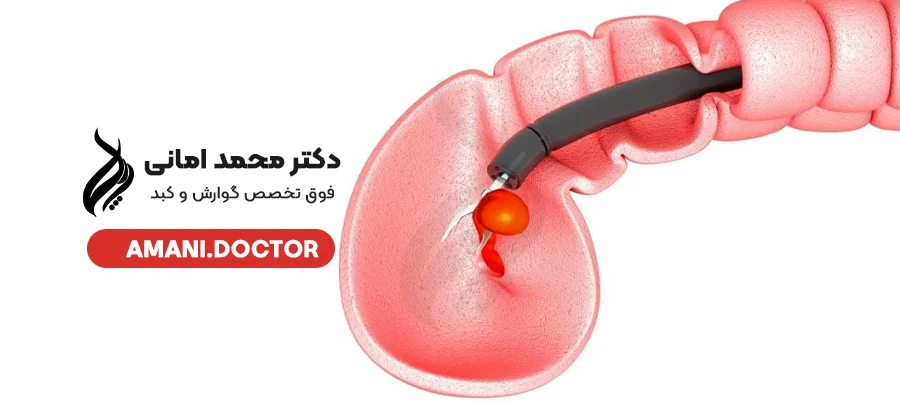
- ✅ Endoscopy: Using a narrow tube and camera, the doctor directly examines the condition of the esophagus and stomach.
- ✅ PH meter test: Measuring the acid level in the esophagus to detect the degree of acid reflux. Reflux.
Gastroesophageal reflux is usually diagnosed with a combination of clinical evaluation and various tests. In many cases, a doctor can make an initial diagnosis based on the patient's symptoms and medical history. But in situations where the symptoms are more complex or there is a need for more detailed investigation, tests such as endoscopy or pH meter test can help the doctor to evaluate the extent of the damage and the severity of the disease. This diagnostic process allows the doctor to choose the best treatment method for each person and prevent more serious problems in the future.
Quick treatment of gastric reflux
For quick treatment of gastric reflux, the use of pantoprazole can be an effective choice. This proton pump inhibitor (PPI) drug helps relieve reflux symptoms by reducing the production of stomach acid and is commonly used for long-term treatment. Pantoprazole is available in pharmacies as tablets of 20 or 40 mg and is usually taken 30 minutes before a meal. In addition to medication, some home remedies can also help relieve symptoms of gastric reflux:
- ✅ Drinking mineral water: Water can dilute stomach acid and reduce the burning sensation.
- ✅ Chewing sugar-free gum: Gum helps produce saliva, which can remove acid from the esophagus and reduce burning.
- ✅ Consumption of ginger: Ginger has anti-inflammatory properties and can help relieve reflux. You can drink ginger tea or eat small pieces of ginger.
- ✅ Aloe vera: Drinking aloe vera juice can reduce the inflammation of the esophagus and help relieve stomach reflux.
- ✅ Keep your head up while sleeping: By elevating the head of the bed, you can prevent acid from returning to the esophagus.
Using pantoprazole along with these methods. Home remedies can help reduce the symptoms of gastroesophageal reflux and help you recover faster. Of course, for long-term use of the drug, it is necessary to consult a doctor.
What factors increase the risk of gastric reflux?
Gastric reflux occurs when stomach acid returns to the esophagus and causes burning and discomfort in the chest area. Factors such as obesity, fatty and fried foods, smoking, and stress can increase the risk of developing this problem.
- 🔴 Obesity: Excess weight can put more pressure on the stomach and cause stomach acid to return to the esophagus.
- 🔴 Consumption of fatty and fried foods: These types of food slow down digestion and cause more acid production in the stomach.
- 🔴 Eating large meals: Eating a large amount of food in one meal can cause stomach fullness and pressure on the stomach. Esophageal sphincter.
- 🔴 Eating late at night: Sleeping immediately after eating can cause acid reflux.
- 🔴 Caffeine and carbonated drinks: These drinks relax the lower esophageal sphincter and acid reflux.
- 🔴 Alcohol consumption: Alcohol also relaxes the esophageal sphincter and stimulates the production of stomach acid.
- 🔴 Smoking: The nicotine in cigarettes can cause relaxation of the esophageal sphincter.
- 🔴 Stress and anxiety: Stress can aggravate the symptoms of reflux.
- 🔴 Pregnancy: Increased pressure in the abdominal area during pregnancy can increase reflux.
- 🔴 Use of drugs: Some medications Like non-steroidal anti-inflammatory drugs, calcium channel blockers and some antidepressants can exacerbate reflux. Stomach
Inappropriate diet Consumption of fatty, spicy or acidic foods Smoking Esophageal sphincter muscle weakening Pregnancy Hormonal changes and pressure on the stomach Eating a lot before Sleep increased stomach pressure certain diseases such as hiatus hernia Use of drugs Esophageal sphincter muscle relaxation Stress and anxiety Increased stomach acid Family history Increased risk Old age Esophageal muscle weakness with increasing Age Lifestyle changes such as losing weight, avoiding irritating foods, and quitting smoking are effective in reducing the risk of gastroesophageal reflux. Also, managing stress and observing the right time to eat meals can reduce the symptoms of reflux.
Useful teas for the treatment of gastric reflux
Herbal teas can be a natural and less complicated way to reduce the symptoms of gastric reflux. These teas usually reduce heartburn and sourness by reducing inflammation, calming the stomach and helping to digest food better. Regular consumption of appropriate herbal teas, especially along with proper diet and medications such as pantoprazole, can help better control gastric reflux.
- ✅ Chamomile tea: Reduce stomach inflammation and calm the digestive system
- ✅ Ginger tea: Help with better digestion and reduce stomach acid
- ✅ Tea Fennel: Reduces bloating and stomach pressure
- ✅ Licorice tea: Protects the stomach and esophagus mucosa
- ✅ Lemongrass tea: Reduces stress and digestive symptoms related to reflux
- ✅ Mild green tea tea: Aids in digestion if consumed sparingly and diluted
The teas should be lukewarm be consumed and avoid drinking them immediately before going to sleep. Also, in case of having an underlying disease or taking certain medications, it is better to consult a doctor before regularly consuming herbal teas.
Gastric reflux treatment with medication
Gastric reflux treatment with medication is usually done with the aim of reducing the secretion of stomach acid and relieving symptoms such as heartburn and heartburn. The most common medications include proton pump inhibitors such as pantoprazole, which are the strongest and most effective option for moderate to severe reflux. Also drugs such as famotidine are used in milder cases or for nocturnal reflux. Antacids are also used for quick and temporary relief of symptoms. The choice of medication and duration of use should be based on the severity of the symptoms and with the doctor's opinion in order to avoid possible side effects.
Treatment of severe gastric reflux
Treatment of severe gastric reflux usually requires a combination of drug treatment and lifestyle changes. Medications such as pantoprazole to strongly reduce stomach acid play a major role in symptom control. In addition, it is necessary to follow a proper diet, avoid stimulating foods and not eat before going to bed. In cases resistant to treatment, specialized examinations and sometimes more advanced treatments are performed under the supervision of a doctor.
How long is the treatment of gastric reflux?
The duration of the treatment of gastric reflux depends on the severity of the disease, its cause and the level of adherence of the person to the treatment. In mild cases, symptoms usually improve within 2 to 4 weeks with diet modification and medication. In moderate to severe reflux, drug treatment (such as pantoprazole) usually lasts between 4 to 8 weeks or longer. If reflux is chronic, long-term treatment and permanent lifestyle changes may be needed to fully control symptoms.
How to prevent reflux?
Prevention of reflux is usually possible by making simple changes in lifestyle, diet and daily habits. Eating a healthy diet, losing weight, and avoiding overeating or heavy meals before bed can help prevent reflux. Also, avoiding smoking and stress can have a significant effect in reducing reflux symptoms. In addition to these things, following simple tips such as keeping your head up while sleeping and using appropriate medications if necessary can help reduce the return of stomach acid to the esophagus. Sleep (at least 2 to 3 hours before going to bed) Wearing loose clothes that reduce the pressure on the stomach
- ✅ Using prescription drugs if prescribed by a doctor to control stomach acid
Prevention of gastric reflux requires attention to lifestyle and daily habits. Reflux can be prevented by following simple tips such as eating a healthy diet, losing weight, and avoiding behaviors that increase pressure on the stomach. Also, stress management and smoking cessation can have a great effect on reducing symptoms. Although medication or medical treatments may be needed in some cases, lifestyle changes can usually help improve the condition and prevent reflux.
Is reflux completely cured?
In many people, reflux is well controlled with appropriate treatment and lifestyle modifications, and symptoms may even improve. be completely resolved. In mild cases, diet changes, weight loss, and short-term medication can lead to complete recovery. But in chronic or severe cases, reflux is usually a controllable disease rather than completely eliminated, and requires long-term management. By consistently following medical recommendations, most patients can live without symptoms or with minimal discomfort.
Treatment of gastric reflux with honey
Honey is one of the effective natural and home remedies to reduce symptoms of gastric reflux and heartburn. Because of its anti-inflammatory and masking properties, honey can help protect the esophagus and stomach wall from stomach acid. Consumption of honey reduces the irritation of the esophagus and relieves the burning sensation to a great extent. Honey also helps repair damaged esophageal tissues and can reduce heartburn and reflux pain. For a better effect, it is recommended to use natural honey, especially raw honey.
Methods of using honey for gastric reflux
- 🔹 one tablespoon of natural honey empty, morning fasting
- 🔹 dissolve a spoon of honey in a glass of lukewarm water and drink it
- 🔹 Honey composition With a small amount of ginger or chamomile for more effect
Honey should be consumed in moderation, because its excessive consumption may cause an increase in blood sugar or stomach irritation in some people. Also, if gastric reflux is severe or chronic, honey alone is not enough and should be used along with drug treatment and diet modification.
Summary
Gastric reflux is one of the most common digestive problems that, if neglected, can seriously affect a person's quality of life. In this article, a complete review of gastric reflux, from its causes and symptoms to its diagnosis, prevention, and treatment methods, was discussed. As mentioned, the treatment of gastric reflux is usually a combination of diet modification, lifestyle changes, and the use of appropriate medications such as pantoprazole, and in many cases, following these principles, symptoms are effectively controlled. Also, home methods, herbal teas, and natural ingredients such as honey can play a complementary role in reducing heartburn and improving symptoms, but they are not a substitute for medical treatment in severe cases. Paying attention to a healthy diet, avoiding stimulant foods, not eating before going to bed, and managing stress are among the most important factors in reflux prevention and control. Finally, with timely diagnosis and regular treatment plan, gastric reflux is a controllable disease and most people can live a healthy and quality life without annoying symptoms. class="has-inline-color has-vivid-red-color">Frequently Asked Questions
The return of stomach acid to the esophagus that causes heartburn and heartburn
Heartburn and a sour feeling in the mouth.
If chronic and untreated, it can damage the esophagus.
Pantoprazole is one It is one of the most effective drugs for gastric reflux.
Usually between 4 and 8 weeks, according to the doctor.
In mild cases, yes, but severe cases also require medication.
Because of lying down and the acid backs up into the esophagus more easily.
Yes, honey can reduce heartburn
No, they only have an auxiliary role.
It is often manageable, but may require long-term care.
Fatty, spicy, acidic foods, coffee and chocolate
If symptoms are severe, persistent, or accompanied by chest pain