

بسیاری از والدین و بیماران بزرگسال میپرسند: «آیا ارتودنسی درد دارد؟» یا «درد سیمها و براکتها تا چه مدت ادامه دارد؟» پاسخ کوتاه این است: ارتودنسی بدون درد نیست، اما بیشتر احساس ایجاد شده فشار و کشش در دندانها و فک است و معمولاً قابل تحمل و موقت است، نه درد شدید و غیرقابل تحمل.
در این صفحه، تمرکز ما بر حل مشکل درد ارتودنسی است، نه صرفاً توصیف آن. با استفاده از سالها تجربه دکتر فریناز شیربان در درمان ناهنجاری دندان کودکان و بزرگسالان، شما با علت درد، زمان شروع و پایان آن و راهکارهای مؤثر برای کاهش درد آشنا میشوید. The purpose of this article is that you can have a more comfortable and safer experience of orthodontics with peace and trust in the treatment process.

Note: If you have not yet started your child's orthodontic treatment and you are worried about his treatment, refer to the Children's orthodontic service page for advice and treatment initiation.

When does orthodontic pain start and how long does it last?
Many patients and parents ask: how many days is orthodontic pain and early orthodontic pain how long does it last? The fact is that orthodontic pain is usually not so severe on the first day after installing the brackets and it is more a feeling of pressure and heaviness on the teeth.
- Pain on the first day of orthodontics: The moment the brackets are installed, there is no sharp pain, but a feeling of pressure and stiffness.
- Early orthodontic pain (second and third day): This is the peak of the pain and you may feel a little sensitivity in the jaws and teeth.
- How long does orthodontic pain last: Most patients tolerate this pain easily after 5 to 7 days.
If you are looking for answers to questions such as how long does orthodontic pain last or how long does orthodontic pain last, you should know that the severity and duration of pain depends on the type of treatment, the age of the patient and the amount of teeth movement. This pain is normal and bearable and indicates that the teeth are moving towards the correct position.
"There is no pain during the beginning of the orthodontic treatment process; That means there is no need for anesthesia or other special measures. After a few hours, you may feel some discomfort due to the pressure on the teeth and the forces transmitted through the wires. This feeling can be managed by using a simple pain reliever, chewing gum, orthodontic wax and eating cold foods like ice cream. — Dr. Farinaz Shirban, specialist in adult orthodontics
What to do for orthodontic pain? (home remedies and drugs)
If you are wondering what to do for orthodontic pain or what pain reliever is good for orthodontic pain, there are two main solutions: drug treatment and home methods. The combination of these two effectively reduces pain and makes the patient more comfortable.
What pain reliever is good for orthodontic pain?
- Acetaminophen: plain or with codeine, suitable for mild to moderate pain.
- Ibuprofen (Gelophene): Allowed for severe pain, but should be used with caution as it may slow tooth movement slightly.
Of course, the pill for orthodontic toothache should be taken only if needed and with the doctor's order.
Orthodontic pain is defined as a type of oral pain caused by the displacement of teeth during orthodontic treatment and occurs in many stages of treatment. Research shows that this pain usually begins about 12 hours after orthodontic force is applied, peaks after about a day, and gradually decreases over the next 3 to 7 days and returns to normal levels. This feeling is more bearable in the form of pressure, sensitivity and discomfort than severe pain Source: Current advances in orthodontic pain – PMC, NCBI

home treatment for orthodontic pain (without drugs)
If you are looking for simple and effective solutions to reduce orthodontic pain, you can use the following home methods. These methods can be used for children and adults and reduce the feeling of discomfort in the first days of treatment.
- Lumpy salt water: Gargling with lukewarm salt water reduces gum inflammation and soothes sores caused by brackets or wires. This method is simple but very effective.
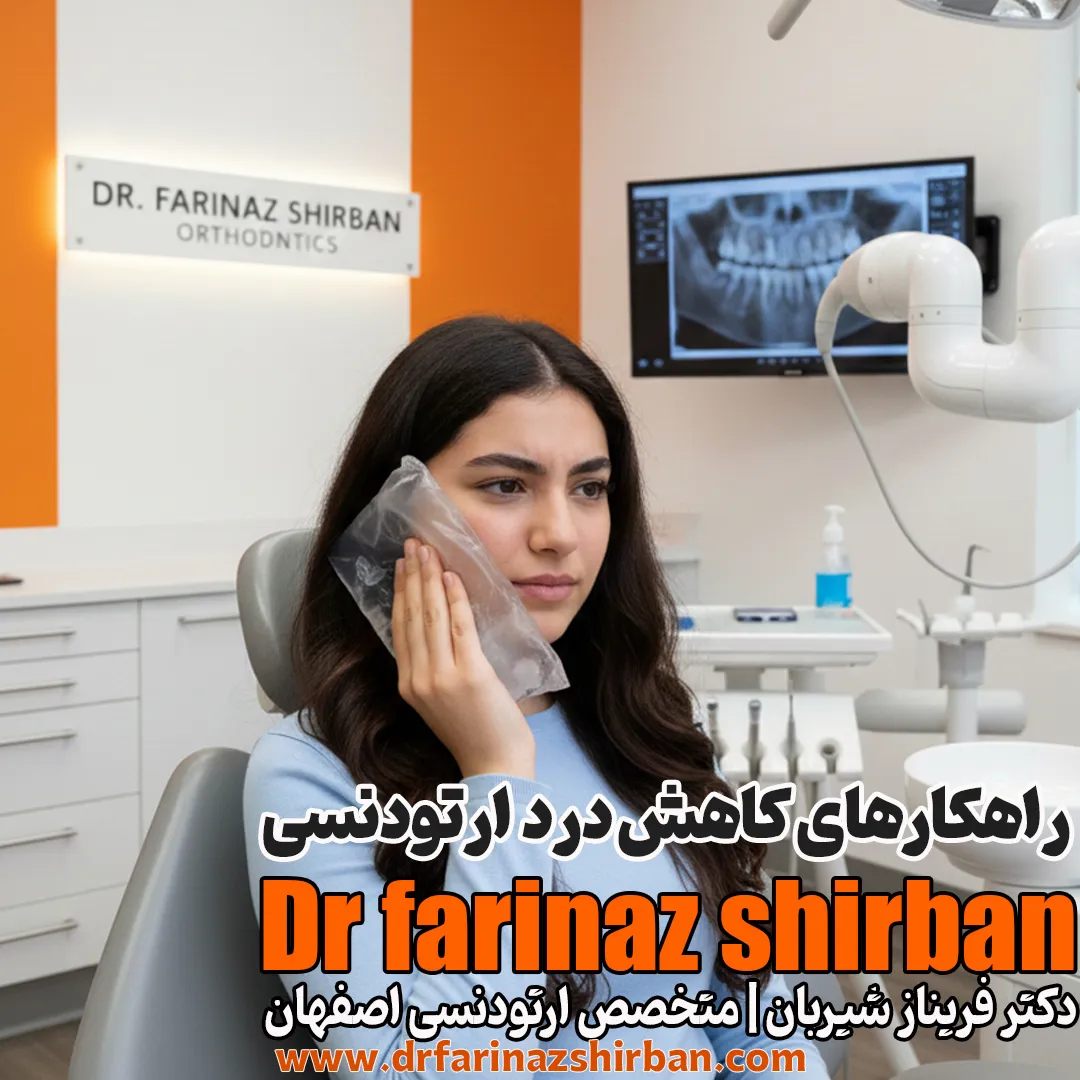
- Cold compress: Eating ice cream, sucking ice or drinking cold water helps to temporarily numb the pain and reduce the initial pressure on the teeth.
- Gum chewing: Using soft sugar-free gum reduces the initial pressure on the teeth and reduces discomfort during the first days of treatment. Just be careful not to chew too hard to damage the bracket.
- Orthodontic wax: By placing a small amount of wax on the brackets or sharp wires, scarring of the lip, cheek and tongue is reduced. Wax creates a protective layer and reduces direct contact with the soft tissue of the mouth.
Domestic and medicinal methods along with oral hygiene can significantly reduce pain, and the feeling of initial pressure becomes completely bearable after a few days. The key to success is patience and proper use of home remedies and home remedies.
Orthodontic pain while eating (do's and don'ts)
One of the common concerns of patients and parents is why the tooth hurts after orthodontics, especially when chewing. This pain is normal and is caused by the pressure of the wire and brackets on the teeth and gums.
Solutions to reduce pain while eating
- Soft diet: consumption of soups, purees, smoothies and soft foods reduces the pressure on the teeth and reduces tooth pain during orthodontics.
- Avoidance of hard or sticky foods: such as tea, nuts and hard chocolates that may displace the brackets or cause increased pain.
- Use of painkillers before meals: If the pain is severe, taking acetaminophen or ibuprofen before meals can help.
By observing these points, the experience of eating in the early days of the treatment will be easier and the pain during eating will be manageable.
What is the cause of orthodontic pain? (Evaluation of pain in different components)
Many patients and parents ask: Why does orthodontic bracket pain, orthodontic wire pain or front tooth pain occur in orthodontics? The fact is that pain during treatment is normal and indicates the movement of teeth to the correct position. Each part of the device can create a different feeling:
- Toothache with orthodontics: Tooth movement and stretching of ligaments causes a feeling of pressure and a little sensitivity.
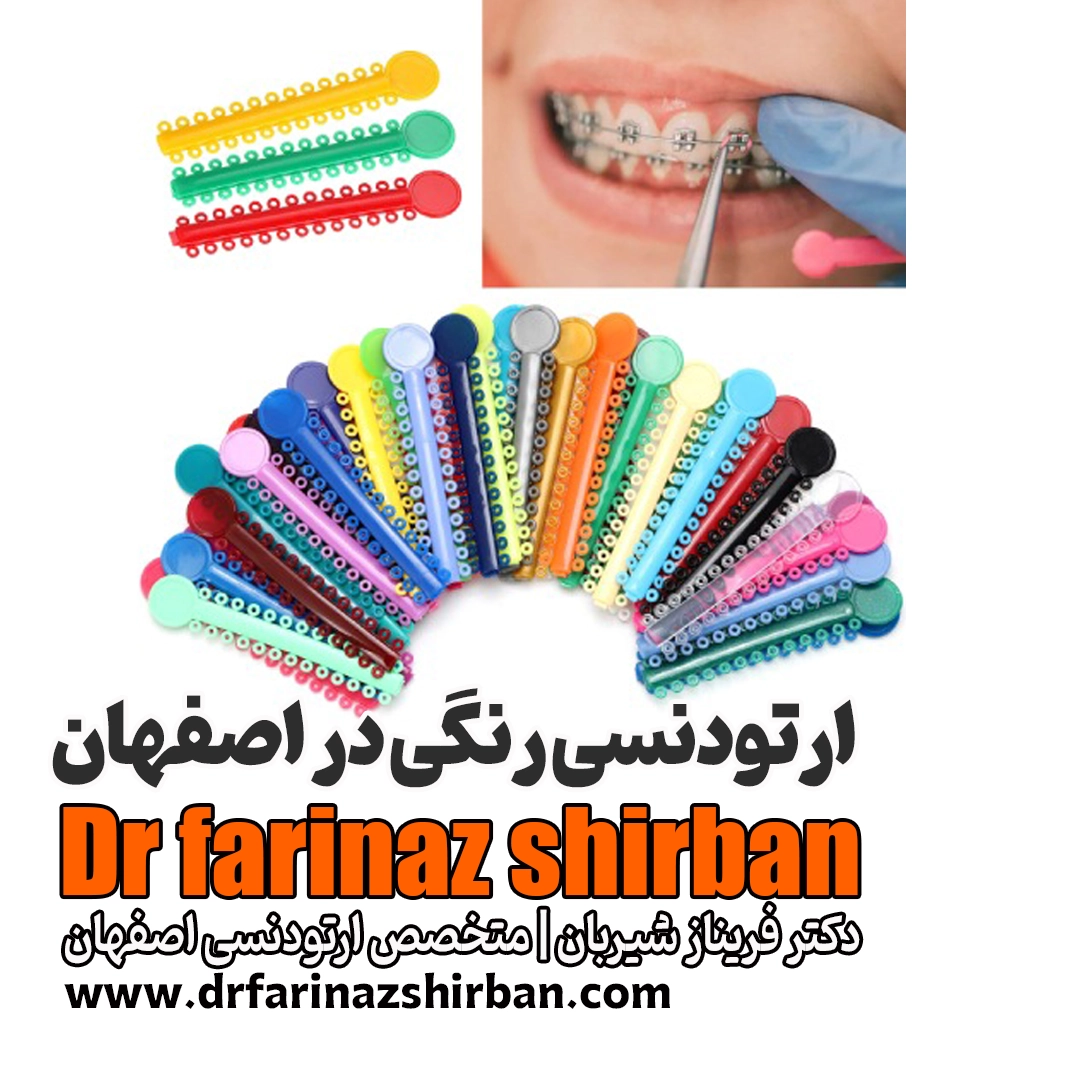
- Orthodontic breather: When an elastic is used to open the space between the teeth, more pain is felt because the teeth are moving for the first time.
- Bracket and orthodontic wire pain: usually cause lip and tongue irritation and soreness, but it is not the main tooth pain.
- Orthodontic gum pain: The pressure of wires on the gums or not observing oral hygiene can cause gum sensitivity.
- Orthodontic elastic pain: Jaw braces can cause jaw pain when used, especially in the first days.
- Orthodontic screw pain: If widening devices are used, it creates pressure on the jaw and may be felt.
Remember, orthodontic pain is normal and is a sign of teeth moving and correcting jaw position. By following the expert's instructions and taking care of the mouth, this pain will gradually decrease and the patient will easily get used to the treatment.

Types of orthodontics and their pain levels
One of the most frequently asked questions by patients is whether fixed orthodontics hurts or other methods are more comfortable. The fact is that the amount of pain depends on the type of orthodontics, and all methods cause slight pressure and discomfort.
Feeling fixed orthodontic pain (bracket and wire)
- The most pressure and pain at the beginning of orthodontics is usually felt on the second to third day after installation.
- It may cause sore lips and tongue, but this pain is temporary and tolerable.
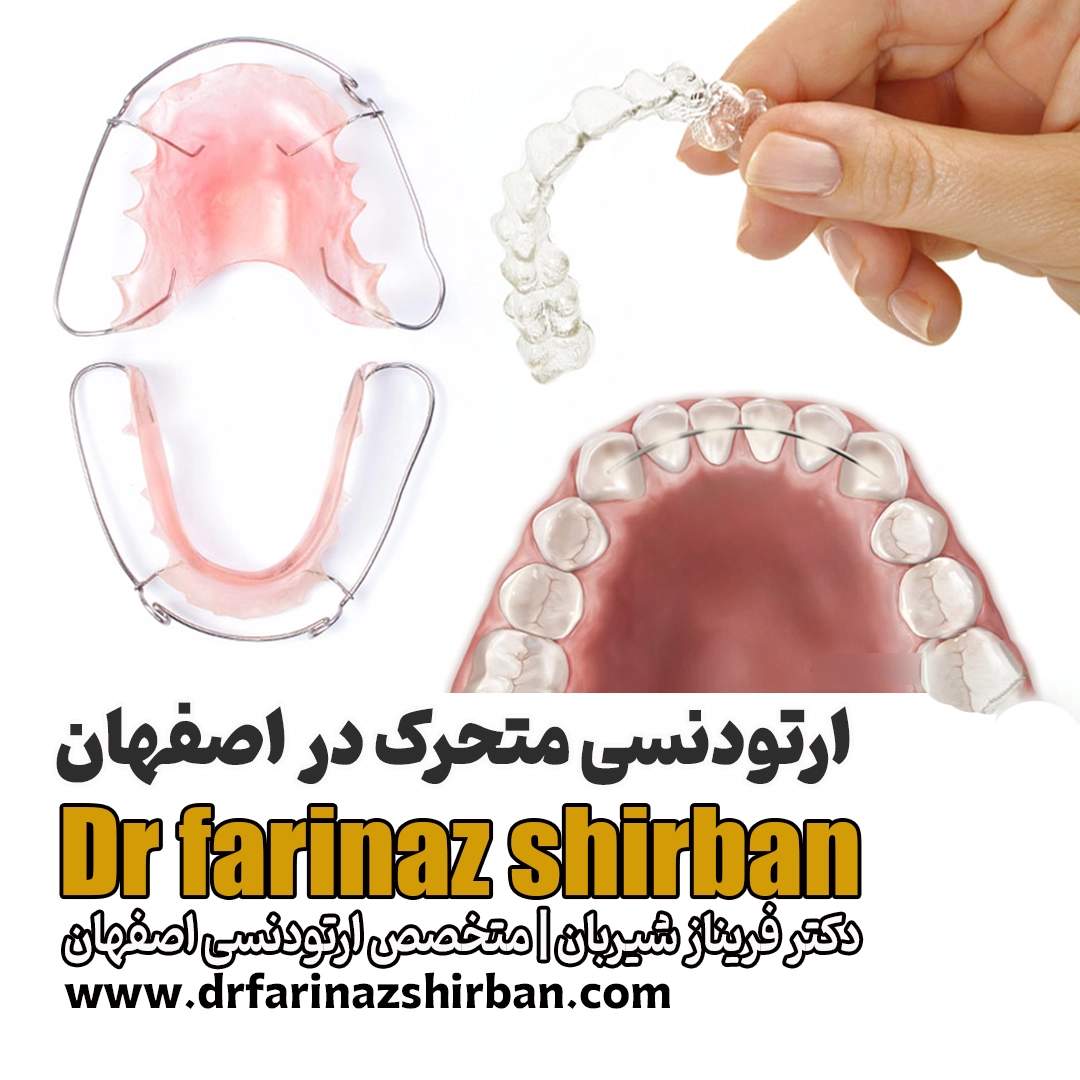
Moving orthodontic pain sensation (plaque)
- Because it puts less pressure on the teeth and pain orthodontic plaque is usually less.
- It is usually used in children for partial correction and guidance of jaw growth.
The feeling of clear orthodontic pain (Invisiline)
- Invisible orthodontics hurts but the initial pain of clear orthodontics is less and does not cause scarring.
- Dental changes are applied gradually and with low pressure, so the patient experience is more relaxed.
Knowing the type of orthodontics and the pain level of each method, patients can have realistic expectations and go through the treatment process more calmly.
Are these pains normal? (danger signs)
After starting orthodontics, it is normal for the teeth and jaw to feel a little pressure and discomfort. Orthodontic pain is tolerable and is usually a sign of teeth moving into the correct position. But it is very important to recognize abnormal symptoms.
- Pain of one tooth in orthodontics: Sometimes only one tooth has pressure, which is normal and usually reduces within a few days.
- Bracket and wire pain: is mostly due to the contact of the brackets with the lips and tongue and removes after a few days.
- Gum pain: Inflammation and mild pressure are normal, but if there is heavy bleeding or swelling, you should consult a specialist.
- Orthodontics and earache: Sometimes pressure on the lower jaw causes the ear to shoot, which is normal and temporary.
- Headache: Pressure on the jaw muscles can cause a mild headache; It is usually transient.
Remember, orthodontic pain is not dangerous unless it is accompanied by severe swelling, bleeding, or excruciating pain. In these cases, immediate consultation with a specialist is recommended.
"Before the brackets hurt your cheek or lip, use orthodontic wax or gum wherever you feel tightness or pressure. Soft feeding and cold foods make you more comfortable. After a week of starting the treatment, the condition will be much better and you will get used to the orthodontic tools. Every time you go for a visit and the wires are activated, you may feel pressure for a day or two, but this time it is easier and more bearable than the first time. — Dr. Farinaz Shirban, orthodontist
Important points about itchy gums after orthodontics and pain symptoms
Sometimes what you feel is not real pain. Gum itching or discomfort Brief May be caused by inflammation or irritation of the gums due to food or plaque remaining. In these cases, oral hygiene and careful brushing can help reduce this discomfort.
Natural symptoms of orthodontic pain
- Short-term pain or slight pressure on the teeth
- Uncomfortable feeling when chewing food
- Experience a feeling of stretching or pressure in the first few days after activation of the wire or bracket
Abnormal symptoms that need attention
- Severe and prolonged pain that is not relieved by simple painkillers
- Abnormal or prolonged bleeding from the gums
- Severe swelling, redness or persistent inflammation of the gums
Being aware of these differences, parents and adult patients can recognize when the pain is normal and when they need to see an orthodontist immediately.
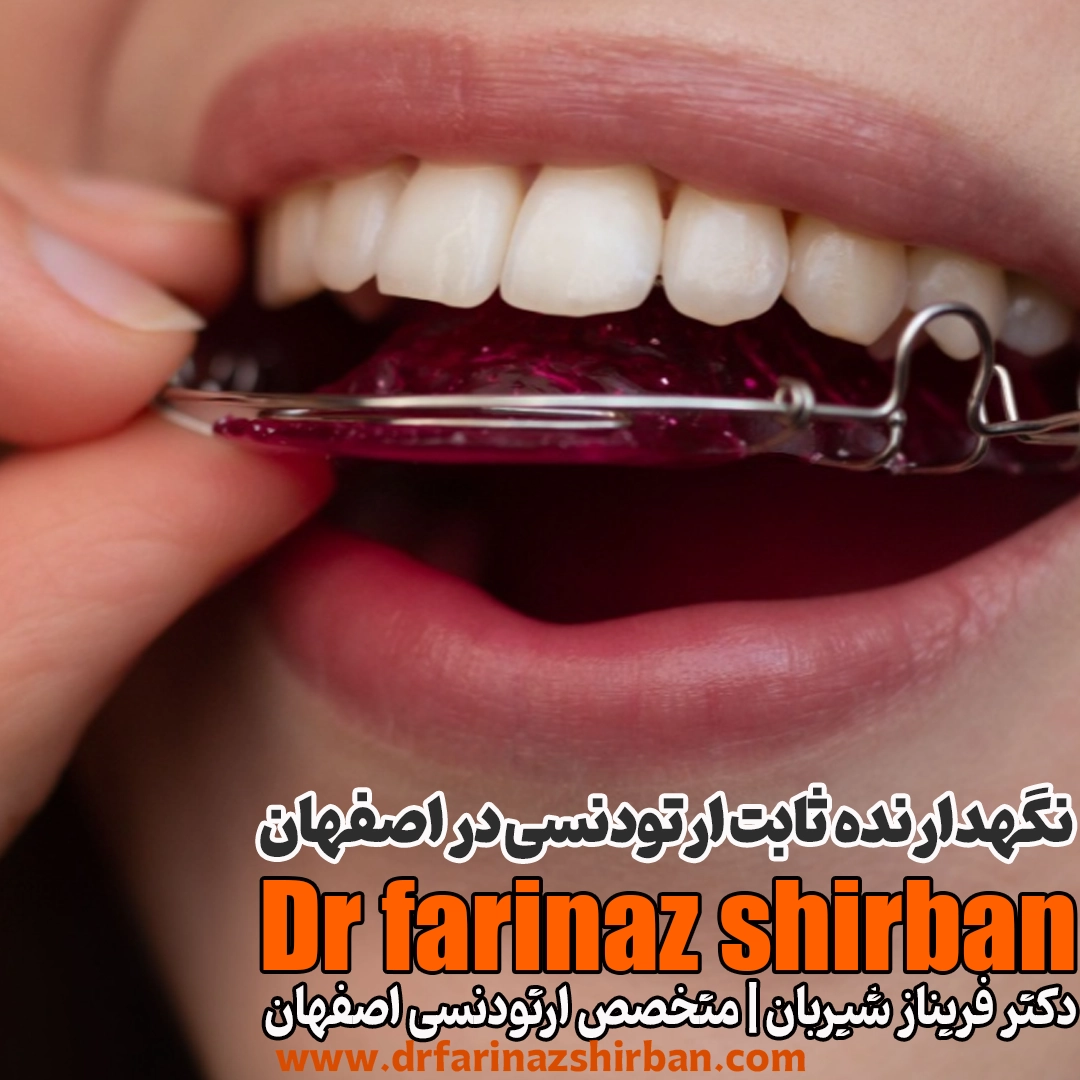
Orthodontic retainer pain: a guide to reducing retainer discomfort
Many parents and adult patients ask if orthodontic retainer hurts? The short answer is that some pressure and discomfort in the first few days is completely normal, as the teeth get used to their new position.
- Using orthodontic wax: As we said in the above content; Cover the sharp brackets or the edges of the retainer to prevent lip and tongue injuries.
- Soft diet: For the first few days, eat soft foods such as purees, soups and smoothies to reduce the pressure on the teeth.
- Cold compress: Using cold water or eating ice cream can help numb the pain temporarily.
- Regular brushing: Residual food or plaque can inflamm the gums and increase the pain.
If the pain of the orthodontic or retainer becomes severe and abnormal (bleeding, swelling, prolonged pain) be sure to contact your orthodontist.
Summary: management and control of orthodontic pain
Orthodontic pain is a natural and temporary experience and indicates the movement of the teeth towards the correct position. You can minimize this pressure by following simple tips such as the use of approved painkillers, soft diet, cold compress, orthodontic wax and oral hygiene.
Also note that short-term pain, pressure on the teeth, or discomfort when chewing is normal, but any severe, prolonged, or unusual pain should be evaluated by a professional. By knowing these points, whether you are a child or an adult, you can have a more relaxed and comfortable orthodontic treatment experience.
Remember that each patient has a unique experience and the process of pain relief may be slightly different, but it is always helpful to follow the precautions listed above.