مقاله تخصصی
Gastrointestinal bleeding causes, diagnosis and treatment
3 months ago
431 بازدید

Dr. Mohammad Amani
TehranAdult gastroenterology and liver specialist
Study duration 9 minutes
Gastrointestinal bleeding is one of the most common medical emergencies in the field of internal diseases, which can be a sign of a benign disorder or a serious and life-threatening disease. This type of bleeding may occur suddenly and acutely or chronically and gradually and is accompanied by symptoms such as vomiting blood, dark stools or anemia. Timely recognition of the source of bleeding and selection of appropriate diagnostic methods have a direct effect on the success of treatment and reduction of complications. In this article, an attempt has been made to fully investigate the various aspects of this phenomenon, including its causes, diagnosis methods, and treatment approaches. What is gastrointestinal bleeding? Gastrointestinal bleeding is any loss of blood from different parts of the digestive tract, which can originate from the esophagus, stomach, small intestine, large intestine, or anus. This bleeding may appear as **overt** (such as vomiting blood or the presence of blood in the stool) or **hidden** (such as gradual anemia without obvious symptoms). Its severity can vary from mild and transient to severe and life-threatening. Depending on the place of occurrence, it is divided into two main types: **superior** gastrointestinal bleeding (from the mouth to the beginning of the small intestine) and **inferior** (from the small intestine to the anus). Timely identification of the cause and location of bleeding plays a key role in its effective treatment. Symptoms **bleeding** **device** **digestive** upper
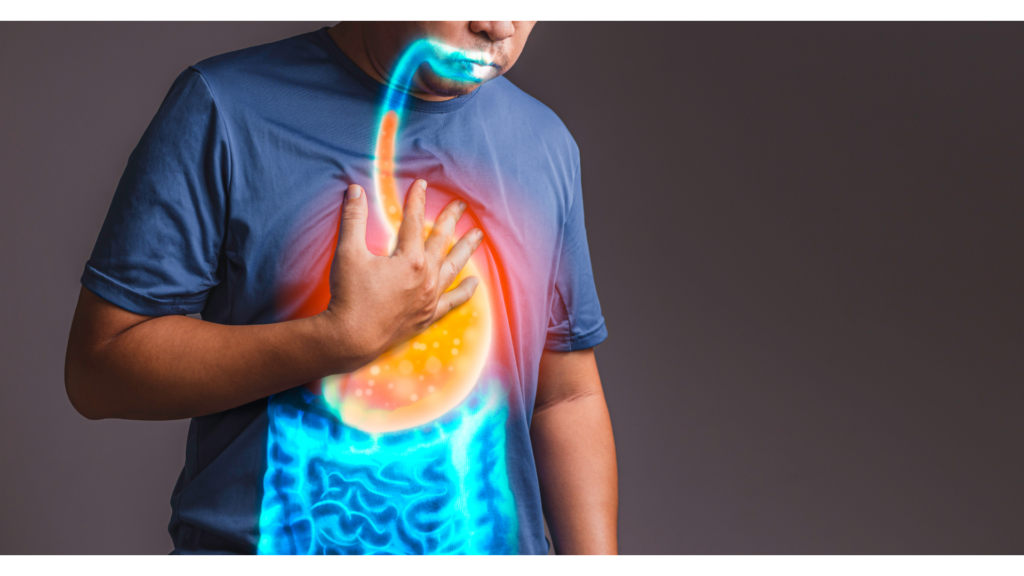
Bleeding of the upper gastrointestinal tract refers to bleeding that originates in the upper parts of the digestive tract, ie, the esophagus, stomach, or duodenum. This type of bleeding may occur suddenly (acute) or gradually (chronic) and depending on its severity and duration, it causes different symptoms. Sometimes patients come directly with symptoms such as vomiting blood or dark stools, and sometimes the only symptoms appear as anemia, weakness or dizziness. Rapid diagnosis of the cause and severity of bleeding is very important in these cases. - 🔴 **bloody vomiting (hematmez):** bright red or dark brown blood like coffee grounds
- 🔴 Melena (tar-colored feces): Black, foul-smelling and sticky feces caused by blood digestion
- 🔴 **Dizziness or fainting:** especially when standing, due to low blood pressure
- 🔴 ** Heart palpitations and increased heart rate: ** in response to the decrease in blood volume
- 🔴 **pallor and general weakness:** caused by acute or chronic anemia
- 🔴 **Pain or burning in the upper abdomen:** especially in cases of gastric or duodenal ulcers
- 🔴 **Cold sweat and restlessness:** In cases of severe bleeding and the onset of shock
- 🔴 **Shortness of breath during activity:** A sign of reduced blood oxygen carrying capacity due to anemia
If you notice any of these symptoms, especially vomiting blood or black stools, you should see a doctor immediately, as these symptoms can indicate serious internal bleeding. Timely diagnosis and treatment can prevent dangerous and life-threatening complications. Symptoms of acute gastrointestinal bleeding
Acute gastrointestinal bleeding is the rapid and sudden loss of a significant amount of blood from the digestive tract, usually appearing as bloody vomit or bloody stools. This condition is considered a medical emergency and if not treated quickly, it can lead to shock, organ failure and even death. The severity of the symptoms varies depending on the amount of bleeding and the patient's general condition, but usually appears clearly and warningly. - Vomiting blood
- 🔴 Melna (black feces)
- 🔴 bright blood in stool
- 🔴 Dizziness or fainting
- 🔴 increased heart rate
- 🔴 drop in blood pressure
- 🔴 Paleness
- 🔴 Cold sweat
- 🔴 Anxiety or restlessness
- 🔴 decrease in urine
- 🔴 Loss of consciousness
Rapid identification of symptoms of acute gastrointestinal bleeding plays a vital role in saving the patient's life. If you see these symptoms, it is necessary to go to the medical center immediately so that support and treatment measures can be started. Any delay can lead to serious and irreversible complications. Causes of gastrointestinal bleeding
Gastrointestinal bleeding is one of the common and sometimes dangerous side effects of digestive diseases that can occur for various reasons. These reasons are divided into two general categories depending on the location of the bleeding: "superior" bleeding (from the esophagus to the beginning of the small intestine) and "inferior" bleeding (from the small intestine to the anus). In upper bleeding, problems such as gastrointestinal ulcers, inflammation of the stomach or esophagus mucosa, esophageal varices, and tumors are involved, while in lower bleeding, diseases such as hemorrhoids, fissures, polyps, colorectal cancer, and intestinal inflammation are more common. Certain medications, infections, and circulatory disorders can also contribute to both types of bleeding. In the following, we mention the causes of bleeding in the gastrointestinal tract:
- Stomach and duodenal ulcers
- 🔴 Gastritis (stomach inflammation)
- Esophageal varices
- 🔴 Mallory-Weiss syndrome
- Stomach or esophagus cancer
- Taking NSAIDs
- 🔴 Helicobacter pylori infection
Accurately knowing the cause of gastrointestinal bleeding is very important to choose the treatment method, because some cases require drug treatment and others may require endoscopic interventions or even surgery. Paying attention to the warning signs and going to the doctor quickly prevents the development of complications and irreparable risks. Timely treatment can significantly help to maintain the general health of the patient and prevent the occurrence of secondary problems. The cause of bleeding in the lower parts of the digestive tract
Bleeding in the lower parts of the digestive tract usually originates in the colon, rectum, or rectal area and is often seen as bright red blood in or on the stool. This type of bleeding can result from simple and common causes such as hemorrhoids or anal fissures to more serious diseases such as colon cancer or inflammatory diseases. Depending on the amount and frequency of bleeding, a person may suffer from anemia or other complications. Accurate diagnosis of the cause requires medical examinations, including colonoscopy. - 🔴 hemorrhoids (hemorrhoids)
- Anal fissure
- Inflammatory bowel diseases (ulcerative colitis, Crohn's disease)
Colon or rectal cancer
- Intestinal polyps (benign or precancerous)
- 🔴 diverticulitis (inflammation or infection of small bags in the intestinal wall)
- Intestinal ischemia (decreased blood supply to the intestinal wall)
- 🔴 Bacterial or viral infections in the intestine
- Damage or rupture caused by severe constipation or foreign bodies
Bleeding in the lower parts of the digestive tract usually originates in the colon, rectum, or rectal area and is often seen as bright red blood in or on the stool. This type of bleeding can result from simple and common causes such as hemorrhoids or anal fissures to more serious diseases such as colon cancer or inflammatory diseases. Depending on the amount and frequency of bleeding, a person may suffer from anemia or other complications. Accurate diagnosis of the cause requires medical examinations, including colonoscopy. Problems caused by gastrointestinal bleeding
Gastrointestinal bleeding, if severe or prolonged, can lead to serious and sometimes life-threatening problems. Among its most common side effects are anemia, general weakness, dizziness, low blood pressure and increased heart rate. In severe cases, bleeding can cause **hypovolemic shock, failure of vital organs such as kidneys and heart,** and even death. **Also, the frequent need for hospitalization, blood transfusions and invasive procedures** reduces the patient's quality of life and may cause anxiety or fear of the disease returning. Prevention, timely diagnosis and appropriate treatment play a key role in preventing these consequences. Can gastrointestinal bleeding be prevented? The answer to this question is yes, in many cases GI bleeding can be prevented, especially when the underlying causes are identified and controlled. Prevention of this problem is mostly based on lifestyle modification, treatment of underlying diseases, correct use of medications and regular visits to the doctor. Preventive measures not only reduce the risk of bleeding, but can also prevent serious complications in high-risk individuals. Treatment of gastrointestinal bleeding
Gastrointestinal bleeding requires immediate and accurate treatment to prevent complications such as anemia, shock or death. The treatment process usually begins with basic measures to stabilize the general condition of the patient and then continues with more specialized methods such as endoscopy or surgery. Definitive treatment is also determined based on the main cause of bleeding. In the following, we examine the treatment steps:
- Hospitalization and initial measures
- 🔴 Blood injection
- 🔴 drug treatment
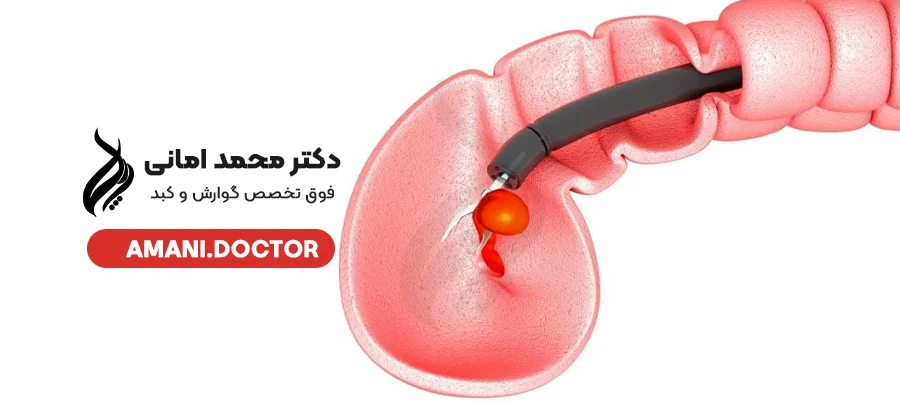
- 🔴 Endoscopy or colonoscopy
- 🔴 Endoscopic treatment
- 🔴 surgical intervention or angiography
- 🔴 Treatment of the underlying cause
- 🔴 Follow-up and prevention of recurrence
Successful treatment of gastrointestinal bleeding requires accurate diagnosis, timely action and continuous follow-up. After controlling the bleeding, paying attention to the underlying cause and correcting the risk factors play an important role in preventing recurrence. Patient education, lifestyle changes, and regular visits to the doctor are among the key steps in the long-term management of this problem. Is gastrointestinal bleeding dangerous? Yes, **gastrointestinal bleeding can be dangerous**, especially if it is severe, sudden, or occurs without timely diagnosis and treatment. This type of bleeding may lead to **severe anemia, low blood pressure, shock, organ failure** and in advanced cases even **death**. The severity of the risk depends on factors such as **place of bleeding (upper or lower), speed of blood loss, general condition of the patient** and **presence of underlying diseases**. In mild cases, only symptoms such as fatigue or weakness may appear, but in severe cases, the patient may require immediate hospitalization, blood transfusions, or surgery. Therefore, observing any symptoms such as vomiting blood, black stool or light blood in the stool should not be ignored and requires immediate medical attention. Early diagnosis and appropriate treatment are key to preventing serious complications. Summary
In general, gastrointestinal bleeding is an important and sometimes life-threatening clinical condition that can originate from different parts of the gastrointestinal tract and occur for various reasons, including wounds, inflammation, tumors, or vascular diseases. Its symptoms vary depending on the location and severity of the bleeding and may range from mild symptoms such as anemia to severe symptoms such as vomiting blood or shock. Rapid diagnosis, appropriate treatment and continuous follow-up play a fundamental role in controlling the disease and preventing dangerous complications. Public awareness, seeing a doctor on time and following preventive measures can contribute greatly to reducing the risks of this problem.