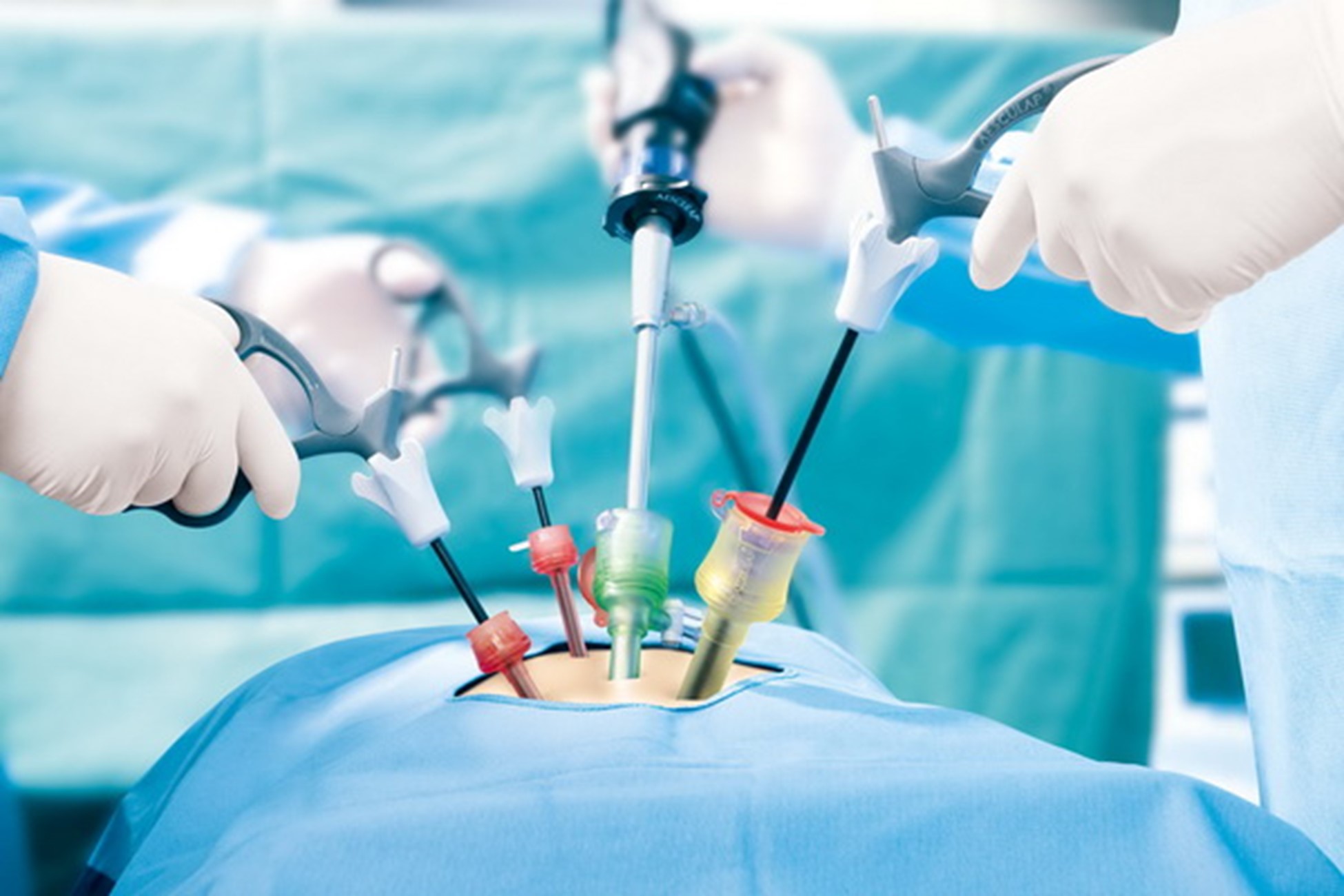

Laparoscopic surgery or minimally invasive surgery has several advantages over traditional open surgery. In the following, I will state some of the main advantages of laparoscopic surgery.

Advantages of laparoscopic surgery compared to traditional open surgery
1. Smaller incisions
The laparoscopic procedure uses smaller incisions that are generally less than an inch (about 2.5 cm) in size compared to the large incisions in open surgery. Small incisions lead to a smaller operation site, less post-operative pain and shorter recovery time.
2. Reduced Bleeding
Laparoscopy generally results in less bleeding during surgery than open surgery, which can reduce the need for blood transfusions and reduce the risk of complications related to significant bleeding.
3. Faster recovery
Patients who undergo laparoscopic surgery generally experience a faster recovery than those who undergo open surgery. Small incisions lead to less tissue damage, less post-operative pain, shorter hospital stay and faster return to daily activities.
4. Reduced infection rate
The risk of postoperative infection in laparoscopic surgery (due to small incisions and reduced contact of internal organs with the external environment) is generally lower.
5. Improved cosmetic appearance
The laparoscopic procedure generally leads to better cosmetic results because a smaller surgical site is improved, which can be especially beneficial for patients who are concerned about their appearance.
6. Improving the surgeon's view
Laparoscopic surgery uses specialized cameras and instruments that provide surgeons with high-quality, magnified images of the surgical site. This better view allows surgeons to perform more precise procedures.
It is important to remember that the benefits of laparoscopic surgery may vary depending on the specific procedure and individual patient factors. Always visit a specialist doctor to make a comprehensive assessment and get the specialist doctor's opinions.
Gynecological laparoscopic surgery
The most effective tool for a gynecological surgeon for his patient depends on the type of surgery and the patient's clinical condition. However, the following tools are known as part of the tools used in gynecological surgeries:
1. Laparoscope
This is a specially-assisted device that includes a small camera and surgical instruments inserted through small holes in the patient's abdomen. Laparoscopy, as a minimally invasive surgical method, is used in performing various procedures such as hysterectomy and endometriosis.
2. Electrocautery and laser tools
Electrocautery and laser tools are used for cutting, suturing, and ligation of body tissues. These tools are used to cut and stitch tissues using electric energy or laser light.
3. Endoscope
Endoscopes are tools that use a thin and flexible tube and a camera to allow surgeons to see the inside of internal organs such as the uterus, bladder, and intestines.
4. Cluster instruments
To perform sutures and remove body masses, surgeons use cluster instruments such as forceps and clamps. These tools allow the surgeon to access and control more precisely the tissues.
5. Probes and sensors
Probes and sensors are used to check and measure the function of organs and internal body systems. These tools give the surgeon more detailed information about the condition of the patient's body.
6. Suction
The suction system is used to absorb extra fluids and materials during surgery. This system helps to clean the operating area and remove more fluid during surgery.
The use of each of these tools depends on the ability and experience of the surgeon, the type of surgery, and the clinical condition of the patient. According to the needs of each patient and the desired surgery, female surgeons use suitable and effective tools for their patients.