
بیماری ناخنک چشم و جراحی آن
ناخنک چشم و پینگوکولا معمولا در میان افرادی که بیشتر ساعات روز را در بیرون سپری کرده بدون اینکه از عینک آفتابی استفاده کنند، رایج میباشد. حتی کودکان از این بیماری مستثنی نمیباشند.
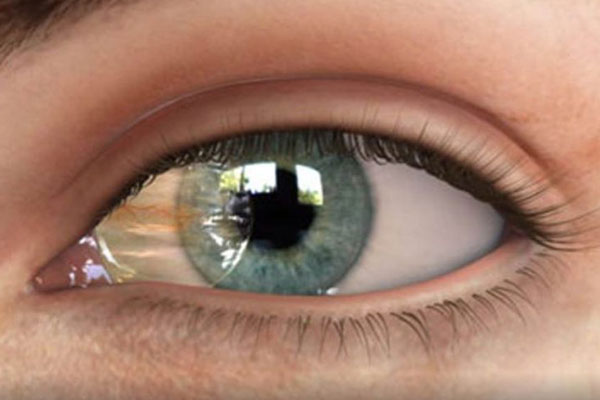
در این بیماران ضایعه صورتی رنگی روی بافت سفید ملتحمه به چشم میآید. رشد این زائده در بیشتر اوقات از بخشی از چشم در نزدیکی بینی شروع شده و به سمت مرکز چشم پیش میرود. ناخنک ضایعهی غیرسرطانی بوده که معمولا به آرامی رشد میکند. حتی این امکان وجود دارد که رشد آن برای مدتی متوقف شود. در موارد پیشرفتهی این بیماری ممکن است زائده به اندازهای رشد کند که تمام سطح مردمک چشم را بپوشاند و در ادامه مشکل بینایی ایجاد کند.
ناخنک میتواند هر دو چشم را تحت تاثیر قرار دهد. البته معمولا ناخنک چشم مشکل جدی محسوب نمیشود. با این وجود، وجود این ضایعه روی سطح چشم همیشه احساس ناخوشایندی از وجود جسم خارجی روی سطح چشم را برای فرد تداعی میکند. در مواردی که ناخنک به رنگ قرمز و ملتهب باشد، نیاز به درمان جدی دارد.
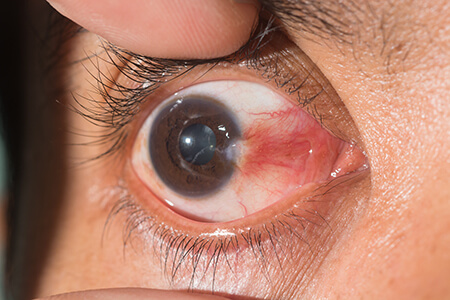
علائم بیماری
- ناخنک معمولا به جز ظاهر آن هیچ علامت دیگری ندارد. Of course, if it grows too much, it may be associated with redness and inflammation.
- The nail can gradually grow towards the cornea and cause its irregular shape, which is called astigmatism. There is also a possibility of blurred vision.
In general, the symptoms of pterygium include the following:
- Burning
- Feeling of sand and pebbles
- Itching
- Feeling of a foreign object in the eye
- Blurred vision
Causes of eye disease
Most experts believe that the main causes of this eye damage include the following:
- Long-term exposure to the sun's ultraviolet rays
- Dry eyes
- Eye stimulation by Dust and wind
The prevalence of pterygium is high in places near the equator or with very sunny weather. This appendage is evident among adults aged 20-40. In terms of gender, the possibility of pterygium is more in men.
A ringworm often leads to non-cancerous growths of yellowish nodules on the conjunctival tissue around the cornea, called pinocula. The causes of the growth of both appendages are similar, especially not using sunglasses, which is very effective. Since Pingocula reduces the moisture of the eye surface by tears, the person always feels that a foreign object is stuck on the eye surface. It is possible that the pingocula will change to red color.
Method of treatment
If you feel that you have symptoms of pterygium, see an eye specialist first. By using slit lamp microscopy, accurate diagnosis is made in this regard. In mild cases of pterygoid growth, treatment is not required. Treatment is necessary only in cases where swelling of the eye surface causes redness and inflammation. Therefore, the following treatment methods are recommended:
- Using special eye drops and ointments such as Blink
- Using vasoconstrictor drugs in the form of eye drops such as Nafcon A
- Short-term treatment with steroids in the form of eye drops such as FML or Lotmax
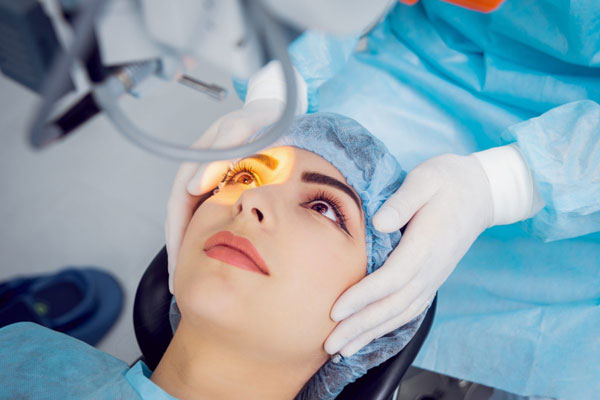
If the pterygium causes a lot of discomfort and vision problems for the patient, removal of the lesion can be done on an outpatient basis. The size and appearance of the lesion is very important for deciding whether or not to perform surgery.
In cases of surgery, the possibility of recurrence of the lesion has been reported. Therefore, you are allowed to undergo surgery only in the following cases:
- The person has not responded to other treatments
- There is a possibility of losing the person's vision
- The person is suffering from cosmetic issues and redness of the eye It is
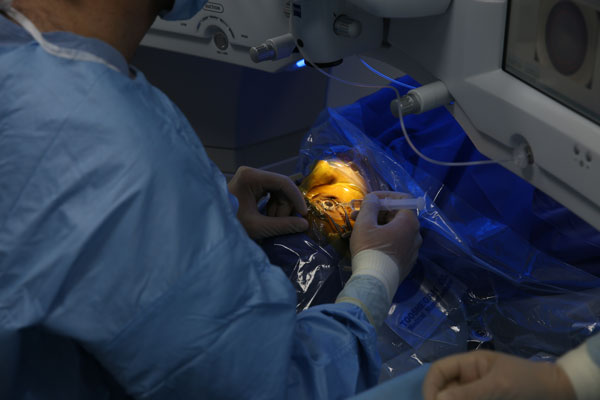
To treat pterygium, conjunctival grafting from the patient himself or amniotic membrane grafting is also used to fill the empty place of the appendage. The duration of this procedure is 30-45 minutes. After the operation, the person should use an eye patch for one to two days. After a few days, the person will be able to do their daily activities (except swimming and rubbing the eyes). To reduce inflammation as well as the risk of recurrence of pterygium, it is recommended to use steroid drugs in the form of eye drops for several weeks or months. Studies have shown that the use of conjunctival grafting and amniotic membrane reduces the probability of pterygoid recurrence from 50% to 5-10%. Other common cases after surgery include astigmatism, corneal ulceration, and perforation of the white part of the eye.
More than 97% of reports of disease recurrence occur in the first 12 months after surgery. Therefore, it is recommended to follow up patients for one year.
Prevention of pterygium
Regular and daily use of sunglasses is very beneficial to prevent the growth of pterygium and pingocula. This tip is recommended even on cloudy days. The right sunglasses should be able to block 99-100% of ultraviolet rays of type A and B.
Curved sunglasses provide the best protection against UV rays, wind, dust. It is also recommended to wear sunglasses while driving. In addition, to maintain the moisture of the eye surface in dry weather, it is useful to use artificial tears.