What is a glomus tumor or paraganglioma? + Types and methods of treatment
Table of contents
- What is a glomus tumor?
- The cause of a glomus tumor
- What are the symptoms of a glomus tumor?
- Symptoms of a glomus tumor of the hand
- Pulse symptoms of a glomus tumor
- See a doctor
- Frequently asked questions
What is glomus tumor?
Glomus tumor, also known as paraganglioma, is a rare type of soft tissue tumor that originates from the body's glomus cells. These cells are part of the system that regulates blood flow in small vessels and are found under the nails, palms, feet, and sometimes in deeper areas such as the middle ear and the base of the skull. Benign changes, especially cold or painful.
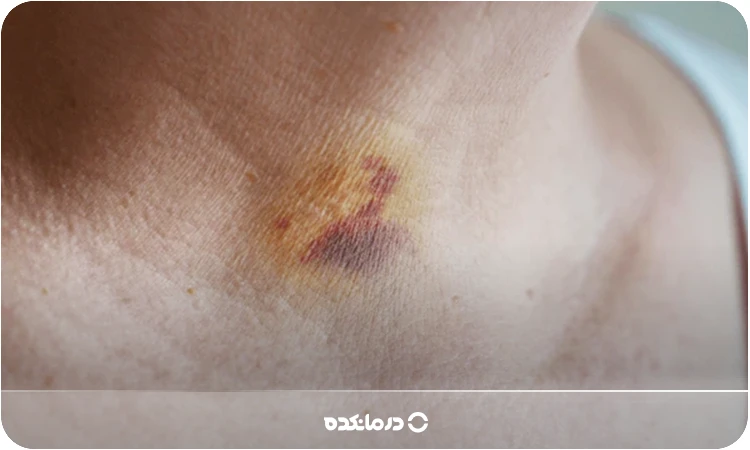
Severe and sometimes throbbing pain is one of the main characteristics of this tumor... It is interesting to know that glomus tumors have a negative effect on a person's hearing ability, like auditory neuropathy spectrum disorder... Paraganglioma tumor usually appears in adults (20 to 40 years) in the form of papules or small nodules under the nails... Subcutaneous nodules may be red, purple or blue depending on their depth.
Learn more: Frontal sinus
The cause of glomus tumor
The reason for this is still not exactly known, however, some experts believe that certain genes, such as SDHD, responsible for the enzyme succinate dehydrogenase, are involved in the formation of glomus tumors.. Some other research also shows that glomus tumors that are non-cancerous, such as acoustic neuroma, can occur sporadically in some cases of genetic addition without known damage. The glomus cells may provide a basis for tumor formation.
Learn more: Ear cyst
What are the symptoms of glomus tumor?
Paraganglioma tumor causes different symptoms depending on its location... One of the most common symptoms is tinnitus, which is similar to the symptoms of tinnitus, and many patients first go to the doctor to treat this condition... Other symptoms of glomus tumor include the following:
- Gradual or sudden hearing loss similar to cochlear stroke
- Hoarseness, change in voice or difficulty speaking
- Difficulty swallowing food or liquids
- Facial weakness or paralysis (loss of movement or feeling in the face)
- Confused
- Dizziness like an ear infection
- feeling of pain or pressure in the ear
- Feeling unsteady or lightheaded
- Trobatic headache
- Bleeding from the ear (in rare cases due to damage to blood vessels around the tumor)
In some cases, glomus tumors can produce certain chemicals that increase blood pressure, heart rate, and even sweating...Also, in rare cases, glomus tympanicum sufferers may experience ear itching due to irritation of the middle ear nerves in addition to tinnitus and hearing loss....For more detailed information on what causes ear itching, read the related article on GCORP LLC.
Learn more: Cerebrospinal fluid leak
It should be noted that hearing loss caused by paraganglioma tumor is sometimes confused with Meniere's disease. Therefore, it is very important to see a specialist doctor and perform specialized tests for a correct diagnosis. If you are curious to know what causes Meniere's disease, you can read the related article at GCORP LLC.Symptoms of hand glomus tumor
The most important symptoms of this tumor are:
- A small, hard and painful mass under or around the nail that is sensitive to pressure and touch.
- The pulse can be felt in the finger involved in the paraganglioma tumor.
- The mass under the nail may change color to blue or red.
- Changes in temperature, especially cold, intensify the pain at the tumor site and cause its swelling.
Symptoms of pulsatile glomus tumor
The pulsatile glomus, which occurs in deep areas such as the middle ear or the base of the skull, is associated with certain symptoms due to its proximity to large vessels and surrounding nerves. The most common symptom is hearing a pulsating sound in the ear, which is known as pulsating tinnitus. Other symptoms include hearing loss, hearing loss, facial weakness, facial swallowing disorder.
Learn more: Human hearing range
Types of glomus tumor
This tumor is benign and non-cancerous and can develop in the middle ear like an ear cyst... However, the location of glomus tumors does not include only the middle ear.
Paraganglioma tumors are divided into the following three categories based on their cellular components:
- Solid glomus: The tumor is composed of glomus cells and is rare in blood vessels or smooth muscle tissue.
- Glomangioma: The tumor has many blood vessels.
- Glomangioma: The tumor has blood vessels and smooth muscle tissue.
The types of glomus tumors in terms of location are as follows:
- Glomus tympanicum: This type of tumor is the same as the glomus tumor of the middle ear which occurs in glomus cells and is the most common tumor of blood vessels in this area.
- Jugular glomus: This type of paraganglioma tumor is found in or around the jugular bulb (an area below the middle ear).... These tumors can spread to the middle ear, the base of the skull and even the skull cavity.
- The glomus of the carotid body: It is located in the carotid bifurcation (where the carotid arteries separate).
Glomus jugular and carotid body tumors are histologically classified with neuroendocrine tumors in the same group.
Among other types of paraganglioma tumor, the following should be mentioned:
- Glomus tumor of the finger: less than 2% of soft tissue tumors that appear under the nail or around it and are associated with severe pain..
- Glomus tumor of the toe: This tumor also grows as a small painful lump under or around the toenail and causes a person to feel pain when wearing shoes or walking...
- Glomus tumor of the brain or the base of the skull: It is a type of paraganglioma tumor in areas such as the middle ear (glomus tympanicum) or around the neck vein (glomus jugular). Cervical glomus tumor: This type of paraganglioma tumor is referred to as a carotid body tumor and it occurs in the neck area where the internal and external carotid arteries branch off. This tumor occurs right next to the trachea and below the angle of the jaw. Deep in the skin layer (dermis).
- Other glomus tumors in organs: They can occur in fingers, wrists and feet.
Glomus tumor diagnosis method
Diagnosis of this tumor is done through clinical evaluation, imaging methods and if necessary, biopsy....During the clinical evaluation, the doctor usually suspects the presence of a paraganglioma tumor by observing severe local pain, sensitivity to touch and cold, change in the color of the skin or nails, and an increase in the mass. The tumor is done.. Remember, early detection of glomus tumors is very important.. Because it can prevent chronic pain in the area involved in the tumor and functional impairment.
Treatment of glomus tumor
For the miraculous treatment of ear pain caused by paraganglioma tumor or any other cause, you should visit an ear, nose and throat specialist. Glomus tumors are usually benign, but they can become aggressive and damage the surrounding nerves or tissue. Therefore, it is very important to see a specialist in time. The treatment of this tumor is selected based on the location, size and type of the tumor.
Surgery
The main method of treatment for paraganglioma tumor, like ear cancer, is surgery.... During surgery for glomus tumor of the ear and other organs, the surgeon removes the tumor completely to prevent its recurrence.
Radiotherapy
Radiotherapy is used as primary treatment in cases where surgery is not possible or the person does not undergo surgery. Otherwise, it is used after surgery to reduce the size of the tumor and control it.
Pharmaceutical treatment and care
If the glomus tumor is small and without bothersome symptoms, the doctor may observe and control the tumor and temporarily use painkillers.
Learn more: Ear exostosis
Complications and risks of glomus tumor
Glomus tumors are benign tumors, but they can become aggressive and damage the surrounding nerves or tissue... Among the most important risks and complications of these tumors, the following can be mentioned:- Hearing loss
- Difficulty in swallowing
- Facial paralysis
- Increase in blood pressure and heart rate
- Neurological and vascular complications if tumor growth is not controlled
Guide to see a doctor
Glomus tumor or paraganglioma is one of the benign tumors of the head and neck that can occur in areas with blood vessels such as the middle ear, neck, under fingernails and toenails... Despite its small size, this tumor is often associated with annoying symptoms such as severe pain, sensitivity to touch, and temperature changes, especially cold... Early diagnosis and timely treatment play an important role in the complete improvement of symptoms and the return of the patient's quality of life...In this article from GCORP LLC magazine, we have introduced you to the causes, symptoms and treatment methods of glomus tumors.... If you have more questions about this, you can apply through the site GCORP LLC and consult with the best specialist doctors, including otolaryngologist, online.... Also, GCORP LLC provides you with this opportunity.. It has given you the opportunity to visit an otolaryngologist in person through the online appointment system. Make an appointment with the specialist you want.
Frequently Asked Questions
This type of tumor is benign, but it can become aggressive and damage the surrounding nerves and tissue.... Therefore, timely diagnosis and treatment are very important.
Paraganglioma tumor in the brain, its size, type and treatment method.... If the tumor is diagnosed and treated in time, there is a possibility of temporary hearing loss.
If you have been suffering from tinnitus for a while, make sure that you have not visited a specialist for a while or have not visited it because of hearing loss. Aid.. An audiometric and imaging test required.
Sources: upmc | Aurora Borealis science direct | dukehealth
Was this article helpful to you?..
![Which fruit increases blood pressure [high and low]? 18 effective fruits](/storage/posts/covers/2026_01_08/ef00bb701cbb99e90a24ba8d73265ba4c08936335e859a33b69553f5c5e737a2.webp)
![For whom is rhinoplasty dangerous? [10 groups+cause+solution]](/storage/posts/covers/2026_01_06/3e06a993c87e243daaf67dc69ac3e484d377b2708c93656820e0084ea4f080d6.webp)
![What fruits have vitamin B12? [13 fruits + consumption tips]](/storage/posts/covers/2026_01_06/dfaeceb7cb9a203805aeba8715bf7cdea6f5cb2b5b9314e1898807545e874bb1.webp)
![Is nasal massage necessary after surgery? [Training + 5 effective benefits]](/storage/posts/covers/2026_01_06/1f2686c8d522130d256828a51d7d46594dbde31ec2253325e6a8a38f04094789.webp)

![The best drops to reduce eye pressure [14 powerful drugs + method of administration]](/storage/posts/covers/2026_01_06/0177c50098eb80d878d1c883d09ae31ad2f489b17e1288f52018e3f8ef213e5f.webp)
![What is hair filler? [9 benefits, how to inject + durability of hair filler]](/storage/posts/covers/2026_01_06/c21c5e1ff48e9af8214111dfe0b867586f298e3d74a95fadda02b0b04df12598.webp)
![The strongest antibiotic for tonsil infection [7 drugs + method of administration]](/storage/posts/covers/2026_01_06/7b5adf6bb8cf556824d96570b6adba58f824b3a7f248993cfaafb73c0b5b8610.webp)
![Garlic pills for weight loss [4 effective benefits and side effects + how to use]](/storage/posts/covers/2026_01_06/c49f08b482d5860218c8635e48194a50f2ed48b51ef15925aa2d73d8393ff3ab.webp)
![What foods increase eye pressure? [8 harmful foods and drinks]](/storage/posts/covers/2026_01_06/52929c4d1b9ed7916d3fc5a8e45060479fb186f332dd217e68905f71f89a33f0.webp)
![What foods lower eye pressure? [18 useful foods]](/storage/posts/covers/2026_01_06/f180eb15f8e64fc9b386f9d5dc7936a5e416af36032be3bdcdf9054925a21d43.webp)
![itchy scalp; 18 causes [medical treatment + 11 home remedies]](/storage/posts/covers/2026_01_06/a1e116ec1c6243fd5c4e6fb951da5cb33bbd92a09c44e29b845852a86f550681.webp)
![What is intestinal colitis and what are its symptoms? [3 causes + definitive treatment]](/storage/posts/covers/2026_01_06/d3384e9221c036ff3eb447c69ffabb109dd6c0c35f5e5f0af775c4545cfd7ea5.webp)
![The best pills for irritable bowel syndrome [10 powerful drugs]](/storage/posts/covers/2026_01_06/70f02d6808fab88d67b0c6734a623e5e71982d323dbd2fb8158c29669849b813.webp)