به یاد فرزندان جاویدان این سرزمین

یادشان همواره در قلب این خاک زنده خواهد ماند

Orthodontics and systemic diseases: key points for diabetic and cardiac patients
مقاله تخصصی

Orthodontics and systemic diseases: key points for diabetic and cardiac patients

2 weeks ago
382 بازدید
orthodontics and Systemic diseases

Orthodontic treatments are no longer only for healthy teenagers; Today, many adults and even the elderly go to an orthodontist to improve their smile and oral function. However, among adult patients, a significant number of people have chronic diseases such as diabetes, heart disease, and high blood pressure. This group of patients needs a more accurate, scientific and coordinated approach in orthodontic treatment in order to prevent complications.

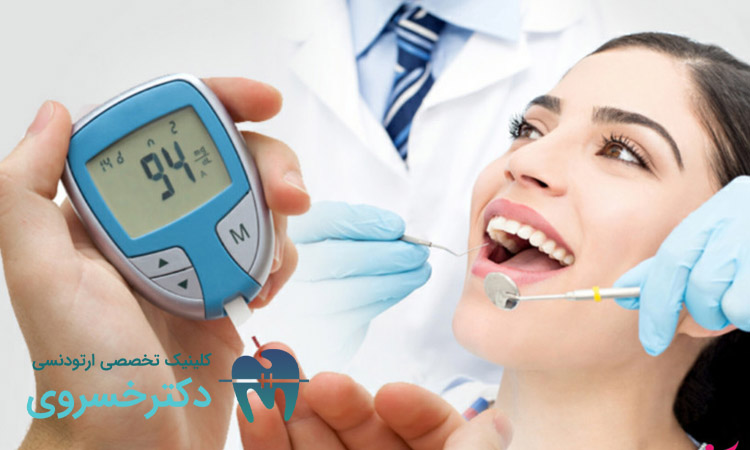
Orthodontics in diabetic and heart patients, although it is completely possible, but requires compliance with special principles; Because these diseases can affect the healing process, inflammatory response, tissue blood supply, and the body's resistance to infection. In such a situation, the specialist fixed and mobile orthodontics should provide a planned treatment in accordance with the general health status of the patient. In this article, we comprehensively examine the relationship between orthodontics and systemic diseases? What care should be taken in certain patients and how to reduce the risk of infection and inflammation in these patients.

Diabetes and its effect on orthodontic treatment

How chronic diseases affect orthodontic treatment

Orthodontics is a biological process in which teeth move under controlled forces. This dental movement requires bone health, gum tissue, proper blood circulation and the body's ability to repair tissues. But in patients with chronic diseases, some of these functions are disturbed. What is the most important effect of orthodontics on the general health of the body?

Diabetes and its effect on orthodontic treatment

Diabetes is one of the most common metabolic diseases that causes disruptions in glucose metabolism and the function of immune cells. In diabetic patients, the oral tissues are usually more sensitive and the inflammatory response is increased.

Slowing down the process of bone regeneration

In the process of teeth movement, the bone is degraded on one side and regenerated on the other side. In diabetic patients, due to the decrease in the function of bone-forming cells, this process proceeds more slowly.

Increasing gingivitis and periodontitis

High blood sugar causes the growth of harmful bacteria in the mouth and the occurrence of gingivitis. This inflammation can cause loose teeth and jaw problems.

Increased chance of infection

In uncontrolled diabetes, white blood cells are less efficient and the body is slower to respond to infection. As a result, the risk of infection may increase after installing a bracket or tooth extraction.

Decreased tissue repair

Due to weaker blood circulation, the gums and soft tissues around the tooth are repaired more slowly. Therefore, in diabetic patients, before starting orthodontic treatment, the blood sugar level should be carefully checked. Usually, the treatment will be safe and successful in patients with HbA1c less than 7%.

Effect of chronic diseases on orthodontic treatment

Cardiac diseases and their effect on Orthodontics

Cardiac patients are another group that needs special attention in orthodontic treatment. These patients may have problems such as high blood pressure, arrhythmia, narrowing of the arteries or a history of heart attack.

Effects of heart diseases on orthodontics

  • Bleeding risk: In patients who use anticoagulants such as warfarin or aspirin, the risk of bleeding during dental work is higher.
  • Sensitivity to stress: stress caused by treatment may increase blood pressure or heart rhythm.
  • Risk of infective endocarditis: Some heart patients (especially those with artificial valves) are at risk of heart infection from oral bacteria. In these patients, before some dental treatments, the use of preventive antibiotics is mandatory.
  • Medicine interaction: heart medications may interfere with anesthetic or painkillers used in orthodontics.

As a result, before starting orthodontics in heart patients, medical consultation with a cardiologist should be done to determine the type of medications and the general condition of the patient.

Other systemic diseases affecting Orthodontics

In addition to diabetes and heart diseases, diseases such as thyroid disorders, osteoporosis, autoimmune diseases (such as lupus) and kidney problems can also affect the orthodontic treatment process. In all these cases, it is necessary to accurately adjust the pressure of orthodontic forces and regular control of oral health.

Special care in orthodontics for special patients

Patients with systemic diseases should be monitored more carefully to prevent complications. In the following, we point out the key measures and care in this group of patients.

Checking the medical condition before starting the treatment

The first step in the orthodontic treatment of certain patients is to obtain a complete medical history. The specialist must have full knowledge of the type of disease, the drugs used, the level of disease control and the patient's treatment records. Sometimes it is necessary to perform a blood test or medical consultation to confirm the safety of the treatment.

Exact control of oral health

In diabetic patients, gingivitis develops faster. It is recommended to use a soft toothbrush, special orthodontic floss and antibacterial mouthwashes (such as chlorhexidine). Heart patients should also avoid mouthwashes that increase blood pressure (containing alcohol or high sodium).

Using lighter forces in orthodontics

In diabetic or heart patients, bone and supporting tissues may be more sensitive. Using lighter forces and more gradual adjustments can prevent bone loss and inflammation.


Read! It may cause fatigue, stress and physiological changes in patients. It is recommended to have shorter sessions in the morning and after taking daily medications.

Continuous monitoring of disease status

In diabetic patients, blood sugar control should be ensured in each treatment session. If the patient feels weak, sweating or shaking, it may be a sign of low blood sugar. Fruit juice or sugar should always be available in the clinic.

Multispecialty cooperation

Successful treatment of special patients requires cooperation between orthodontist, general practitioner, cardiologist or endocrinologist, and periodontist. This interdisciplinary relationship reduces the risk of complications and increases the quality of treatment.

Special care in special-patient orthodontics

Evaluation of cardiac risks and during orthodontic treatment

Procedural orthodontics is usually associated with the application of physiological forces to the teeth in order to correct the alignment and jaw body. In patients with cardiovascular diseases, these therapeutic forces and stresses may be associated with certain risks. To reduce these risks, a pre-treatment evaluation is critical: checking for a history of heart disease, the presence or absence of high blood pressure, heart failure, arrhythmias, gingivitis, and any need for cardiac medications such as anticoagulants or blood pressure-lowering medications. There is a need to coordinate with the cardiac team, prosthetist or oral and maxillofacial surgeon in order to decide on treatment timing, pain reduction methods and stress control.

Using minimally invasive and controlled methods such as using light fixed devices, slow changes in orthodontic forces and reducing the frequency and length of treatment sessions can reduce the possibility of creating unnecessary pressure on the circulatory system. Also, oral health management, prevention of oral infections and public health control through proper consumption of nutritional verses and compliance with the patient's medication regimen are necessary to prevent drug toxicity or changes in blood pressure. During treatment, continuous monitoring of blood pressure, pulse and heart activity is important, especially in patients with a history of thromboembolism or arrhythmias. Finally, the goal of safety is to maintain the results of orthodontics and improve the quality of life, in such a way that the treatment is carried out in the best way with the least interference with heart health.

Managing the risk of infection and inflammation in systemic patients during orthodontics

One of the main concerns in the orthodontics of diabetic and heart patients is the increased possibility of infection and inflammation in the oral tissues. Controlling these factors is critical to ensure treatment success. Inflamed gums are the first warning sign in diabetic patients. In these patients, due to the increased glucose level in saliva, harmful bacteria grow faster. Using antibacterial mouthwashes, regular scaling and strict hygiene can control inflammation.

In some heart patients, the risk of infectious endocarditis It exists due to the penetration of oral bacteria into the bloodstream. Therefore, in cases such as bracket installation, tooth extraction or minor surgery, it is necessary to take preventive antibiotics according to the doctor's order. In diabetic patients, even small mouth ulcers may take longer to heal. Therefore, any wound caused by the bracket or wire should be treated promptly and re-irritation should be prevented. Using orthodontic wax and restorative gels is helpful.

Cardiac medications such as beta-blockers or diuretics may cause dry mouth, which itself is a factor in increasing inflammation. In these cases, it is recommended that the patient increase fluid intake and use artificial saliva or sugar-free gum. Healthy eating and blood sugar control play a vital role in reducing infections. Consuming foods containing vitamin C, D and zinc (such as citrus fruits, fish and brains) can help restore tissues and strengthen oral immunity.

Concluding remarks on orthodontics and systemic diseases

Orthodontic treatment for diabetic and heart patients is not only possible, but also can be done with complete success if scientific principles are followed. What is important is knowing the patient's physiological and medicinal limitations and adapting the treatment to his general health condition. Oral microbiome, blood sugar control, hygiene and continuous communication with the treating physician are vital elements in this path. Patients should know that orthodontics is useful not only for beauty but also for improving oral health and function; Provided that it is done with a precise and safe plan.

Frequently asked questions about orthodontics and systemic diseases

  1. Can diabetic patients undergo orthodontic treatment?
    yes If diabetes is controlled (HbA1c below 7%), orthodontic treatment can be performed without problems. Blood sugar should only be monitored regularly during treatment.
  2. Do heart patients need to take antibiotics before orthodontics?
    In patients who have an artificial heart valve or have a history of infective endocarditis, it is recommended to take preventive antibiotics before some treatment procedures.
  3. How can certain patients prevent gingivitis?
    By observing oral hygiene, using appropriate mouthwashes, eating healthy and visiting the dentist regularly, the possibility of inflammation and infection can be minimized.
اشتراک‌گذاری:

مقالات مرتبط

مقالات دیگر از این نویسنده

14 مقاله
Orthodontics for adults Isn't it too late?
مطالعه بیشتر

Orthodontics for adults Isn't it too late?

۱۹ آذر, ۱۴۰۴elibaghi195@gmail.com دیدگاه: 0روش های زیبایی دندان در سال‌های اخیر، درخواست انجام ارتودنسی برای بزرگسالا...

2 weeks ago بخوانید
What is the most important effect of orthodontics on the general health of the body? - Specialized dental office of Dr. Mahdieh Khosravi
مطالعه بیشتر

What is the most important effect of orthodontics on the general health of the body? - Specialized dental office of Dr. Mahdieh Khosravi

November 1, 1404elibaghi195@gmail.com Comments: 0Dental cosmetic proceduresAt first glance, orthodontic treatment may...

2 weeks ago بخوانید
The effect of combat and contact sports on the health of teeth and the need for orthodontics - Dr. Mahdieh Khosravi's specialized dental office
مطالعه بیشتر

The effect of combat and contact sports on the health of teeth and the need for orthodontics - Dr. Mahdieh Khosravi's specialized dental office

21 Mehr, 1404elibaghi195@gmail.com Comments: 0Dental Cosmetic ProceduresCombat and contact sports such as boxing, kar...

2 weeks ago بخوانید
The relationship between genetics and jaw abnormalities, how do genes affect orthodontic treatment? - Specialized dental office of Dr. Mahdieh Khosravi
مطالعه بیشتر

The relationship between genetics and jaw abnormalities, how do genes affect orthodontic treatment? - Specialized dental office of Dr. Mahdieh Khosravi

November 15, 1404elibaghi195@gmail.com Comments: 0Dental beauty methodsEach person's face is a unique combination of...

2 weeks ago بخوانید
After orthodontics: what care is necessary for the stability of the result?
مطالعه بیشتر

After orthodontics: what care is necessary for the stability of the result?

۱۵ دی, ۱۴۰۴elibaghi195@gmail.com دیدگاه: 0روش های زیبایی دنداندرمان ارتودنسی تنها زمانی موفقیت واقعی به همراه دارد که...

2 weeks ago بخوانید
What will be the future of orthodontic treatments? - Specialized dental office of Dr. Mahdieh Khosravi
مطالعه بیشتر

What will be the future of orthodontic treatments? - Specialized dental office of Dr. Mahdieh Khosravi

12 Aban, 1404elibaghi195@gmail.com Comments: 0Dental beauty methodsIn recent decades, the world of dentistry, especia...

2 weeks ago بخوانید
Guide to nutrition and the effect of oral microbiota on the orthodontic treatment process - Dr. Mahdieh Khosravi's specialized dental office
مطالعه بیشتر

Guide to nutrition and the effect of oral microbiota on the orthodontic treatment process - Dr. Mahdieh Khosravi's specialized dental office

28 Mehr, 1404elibaghi195@gmail.com Comments: 0Dental beauty methodsIn recent years, several studies have shown that o...

2 weeks ago بخوانید
Is the pain of mobile orthodontics tolerable?
مطالعه بیشتر

Is the pain of mobile orthodontics tolerable?

14 Mehr, 1404elibaghi195@gmail.com Comment: 0OrthodonticOrthodontics is one of the important branches. It is a dentis...

2 weeks ago بخوانید
What teeth is removable orthodontics for?
مطالعه بیشتر

What teeth is removable orthodontics for?

7 Mehr, 1404elibaghi195@gmail.com Comment: 0OrthodonticOrthodontics is one of the specialized branches Dentistry play...

2 weeks ago بخوانید
What is the impact of orthodontics on mental health?
مطالعه بیشتر

What is the impact of orthodontics on mental health?

November 5, 1404elibaghi195@gmail.com Comments: 0Dental beauty methodsA smile is one of the first signs that others n...

2 weeks ago بخوانید
Why use removable orthodontics for children?
مطالعه بیشتر

Why use removable orthodontics for children?

10 Mehr, 1404elibaghi195@gmail.com Comment: 0OrthodonticChildhood is one of the most important stages of growth and d...

2 weeks ago بخوانید
Teeth that need invisible orthodontics?
مطالعه بیشتر

Teeth that need invisible orthodontics?

17 Mehr, 1404elibaghi195@gmail.com Views: 0OrthodonticWhat is invisible orthodontics for? Are the teeth suitable?Many...

2 weeks ago بخوانید
What is early orthodontics? Check the facts and benefits
مطالعه بیشتر

What is early orthodontics? Check the facts and benefits

۲۲ آذر, ۱۴۰۴elibaghi195@gmail.com دیدگاه: 0روش های زیبایی دنداندر سال‌های اخیر، اصطلاح «ارتودنسی زودبازده» یا «ارتودن...

2 weeks ago بخوانید
New orthodontic technologies: from CAD/CAM to 3D printing - Dr. Mahdieh Khosravi's specialized dental office
مطالعه بیشتر

New orthodontic technologies: from CAD/CAM to 3D printing - Dr. Mahdieh Khosravi's specialized dental office

24 Mehr, 1404elibaghi195@gmail.com Comments: 0Dental beauty methodsDigital transformation has not only occurred in th...

2 weeks ago بخوانید
Pagedone
Resources
Products
©GCORP LLC 2026, All rights reserved.