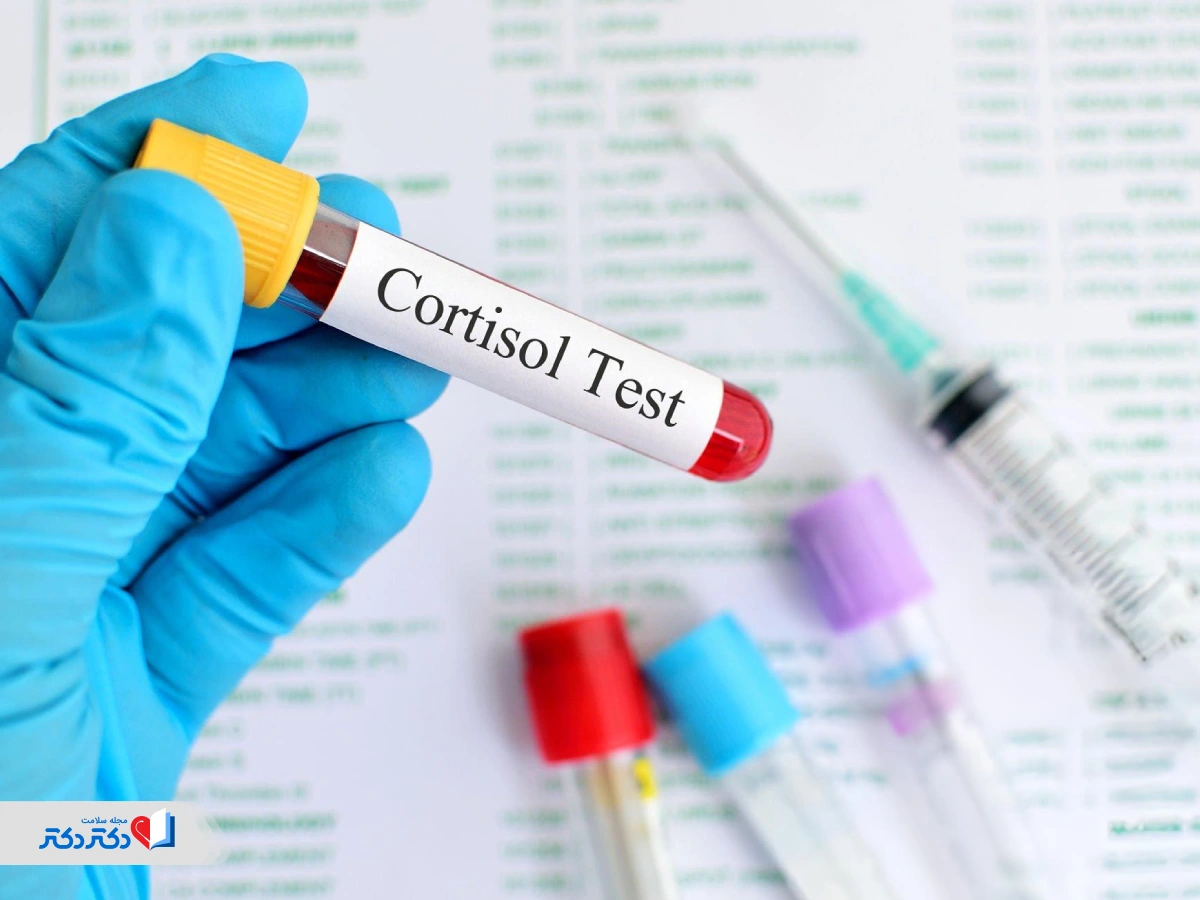
آزمایش کورتیزول میزان هورمون کورتیزول بدن شما را از طریق خون، ادرار یا بزاق اندازهگیری میکند. از آنجایی که سطح کورتیزول بهطور طبیعی در طول روز تغییر میکند، معمولا برای دقت بیشتر، این آزمایش باید چند بار انجام شود. آزمایش کورتیزول به تشخیص بعضی بیماریها مثل بیماری آدیسون یا سندرم کوشینگ کمک میکند. در این مطلب بیشتر با نحوه انجام و تفسیر آزمایش کورتیزول آشنا میشوید. Stay with us until the end of the article.
مقاله تخصصی
Cortisol test interpretation: normal level, performance conditions and cost
3 hours ago
951 بازدید

Dr. Reza Bahadur
MashhadOrthopedic specialist
What is the cortisol test and what is its use?
The cortisol test measures the level of the hormone cortisol in your body. Cortisol is a hormone produced by the adrenal glands (two small glands above the kidneys) and plays a role in maintaining blood pressure, controlling blood sugar, regulating metabolism, and responding to infections and stress. It also plays a key role in processes such as the breakdown of carbohydrates, fats and proteins. On the other hand, cortisol reduces inflammation in the body and controls sleep and wake cycles.
The pituitary gland, which is located in the brain, produces another hormone called adrenocorticotropic hormone (ACTH). This hormone tells the adrenal glands how much cortisol to make. If your cortisol levels are too high or too low, there may be a problem with your adrenal or pituitary glands. 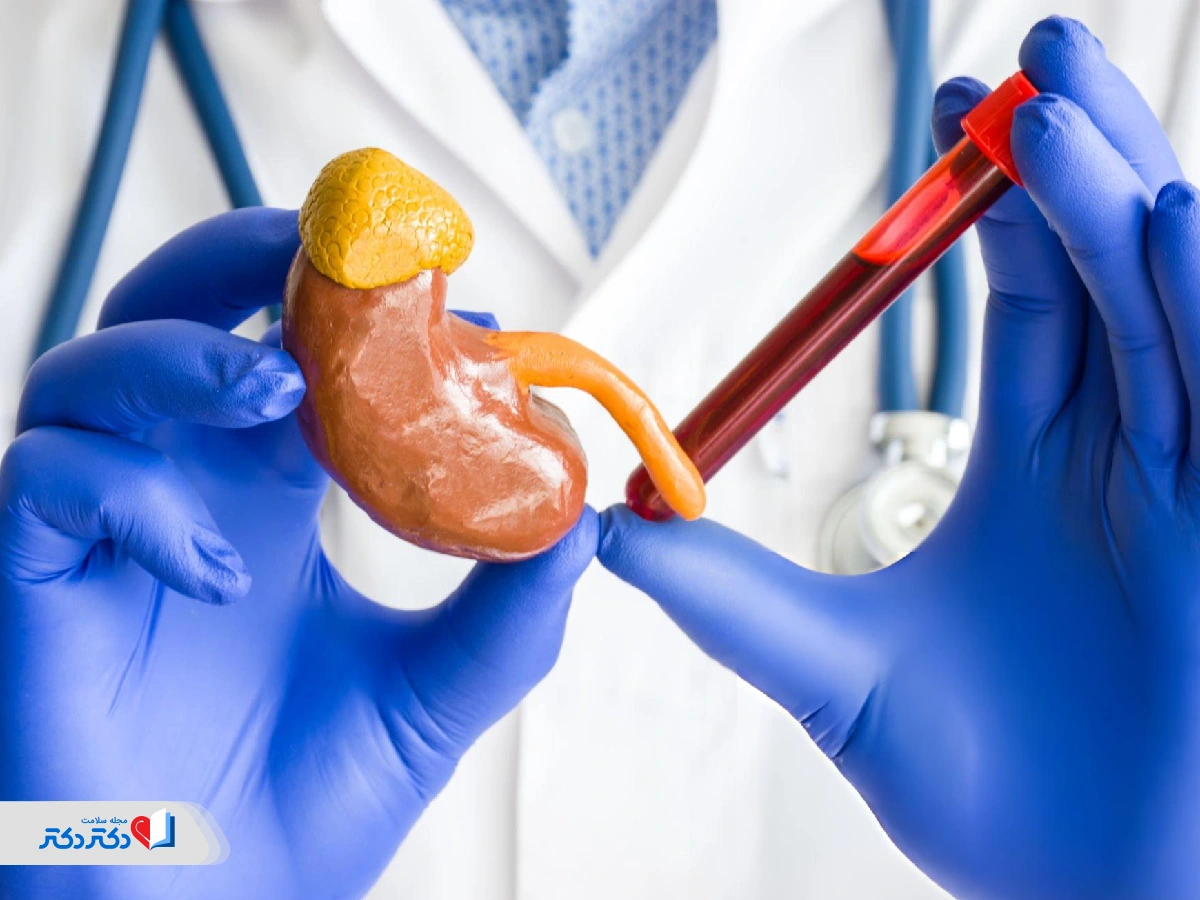
If you have symptoms related to an abnormal increase or decrease in cortisol levels, your doctor may prescribe a cortisol test. This test shows whether your body's cortisol levels are within the normal range or not. The cortisol test is performed on different samples such as blood, urine and saliva.
The cortisol test is known by different names, including:
- free cortisol;
- salivary cortisol;
- urinary cortisol;
- 24-hour cortisol.
Use of cortisol test
If symptoms related to some diseases occur, the doctor may recommend a cortisol test. The test result can help diagnose various diseases, including:
- Addison's disease: happens when the body does not have enough cortisol;
- Cushing's syndrome: happens when the body produces too much cortisol;
- Certain tumors: Different types of tumors may cause increase cortisol levels;
- Secondary adrenal insufficiency: happens when the pituitary gland cannot produce enough ACTH to tell the adrenal glands to make cortisol. Over time, the adrenal glands shrink and fail.
Cortisol testing is used to track, control and treat these diseases.
Abbreviation of cortisol in blood test
Cortisol in blood test is usually written as Cortisol or COR. Free cortisol is sometimes written as F (Free cortisol).
Conditions for conducting a cortisol test
The cortisol test can measure the level of cortisol in blood, urine, saliva, or a combination of them. Your doctor will tell you which test is right for you. The doctor will give you specific instructions according to the type of test. For example, you should not eat or drink or brush your teeth before the saliva test. You may also need to rest before the test so that stress does not affect the results of the test.
Because cortisol levels change over the course of 24 hours, you may need to repeat the cortisol test several times in one day or on different days.
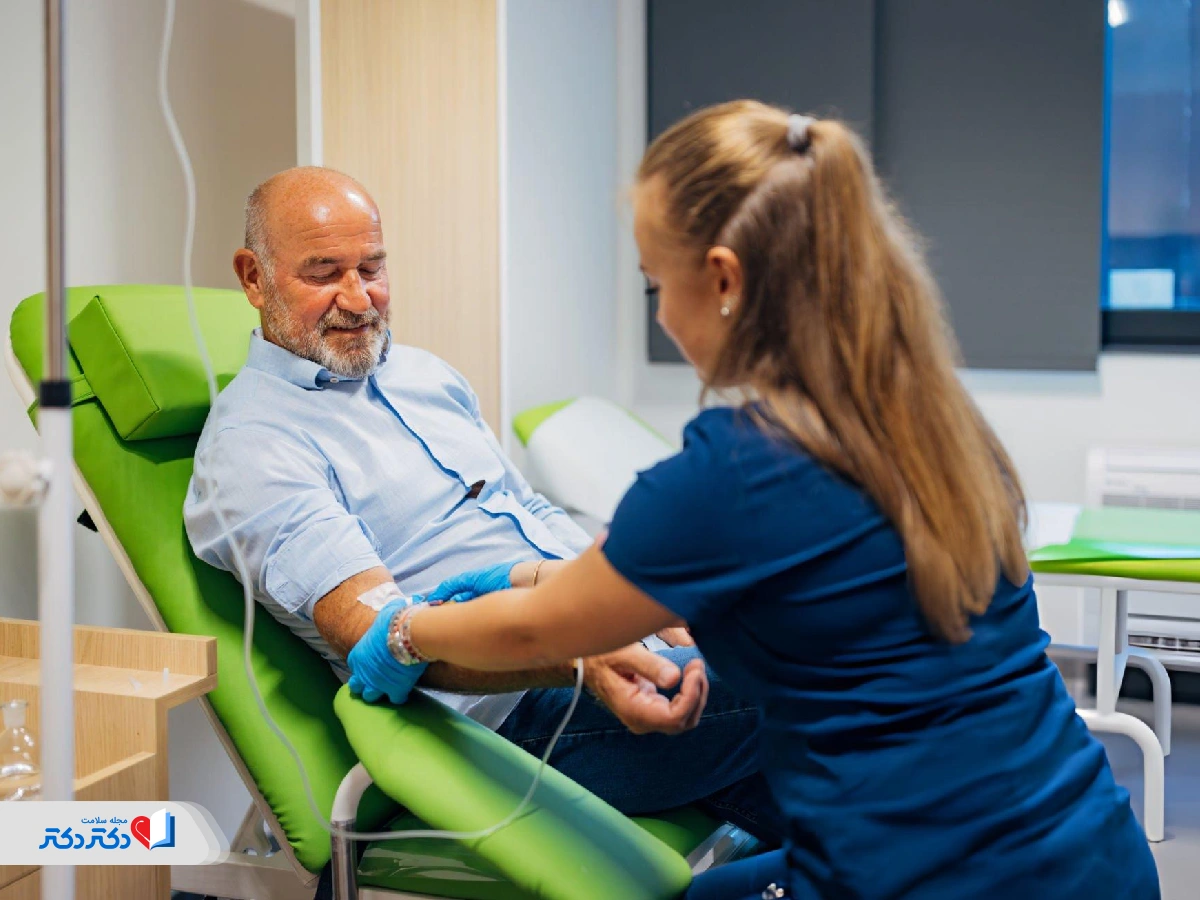
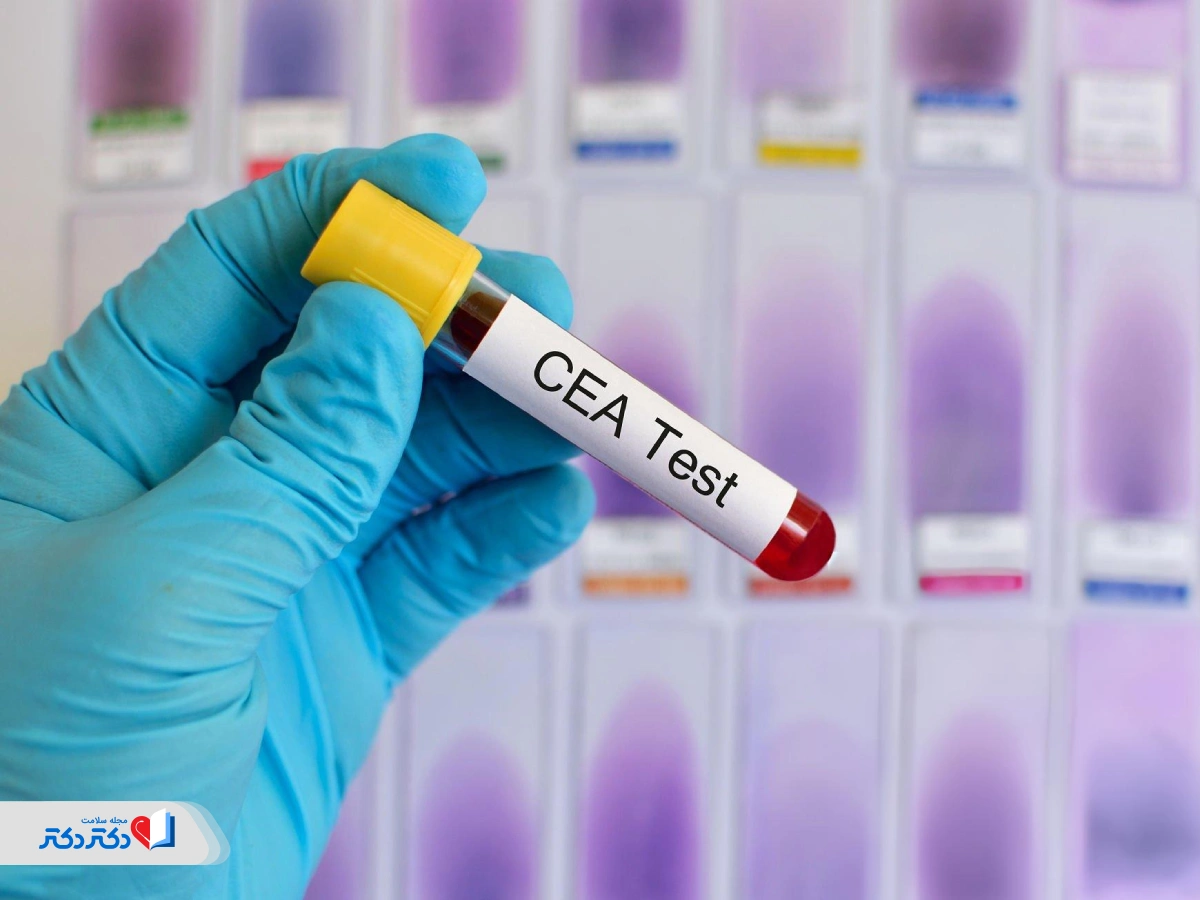
Steps for a cortisol blood test
This test is sometimes known as a serum cortisol test. will be Because cortisol levels change throughout the day, this test is usually done twice a day (once in the morning and again around 4 p.m.).
The blood test involves several steps, including:
- You sit in a chair and a trained person finds a suitable vein in your arm. This vein is usually in the inner part of the arm and above the elbow.
- The place of the vein is disinfected.
- A small needle is inserted into your vein and a blood sample is taken. In this case, you may have a tingling sensation.
- Blood is collected in a test tube.
- After taking enough blood sample, the needle is removed and cotton or gauze is placed on the blood sampling site to stop bleeding.

Doing saliva cortisol test
Saliva is almost 90% accurate in diagnosing Cushing's syndrome. This test is usually done at home. The doctor will give you a special kit and explain when to do the test and how to return the sample.
Sampling is done in several steps, including:
- Do not eat, drink or brush your teeth half an hour before the test. Also, don't floss your teeth and avoid smoking and vape.
- Without touching the swab, place it in your mouth and wait a few minutes for the saliva to be absorbed.
- Then drop the swab into the sample container without touching it.
- Deliver the sample to the doctor or laboratory according to the instructions.
Urine test Cortisol
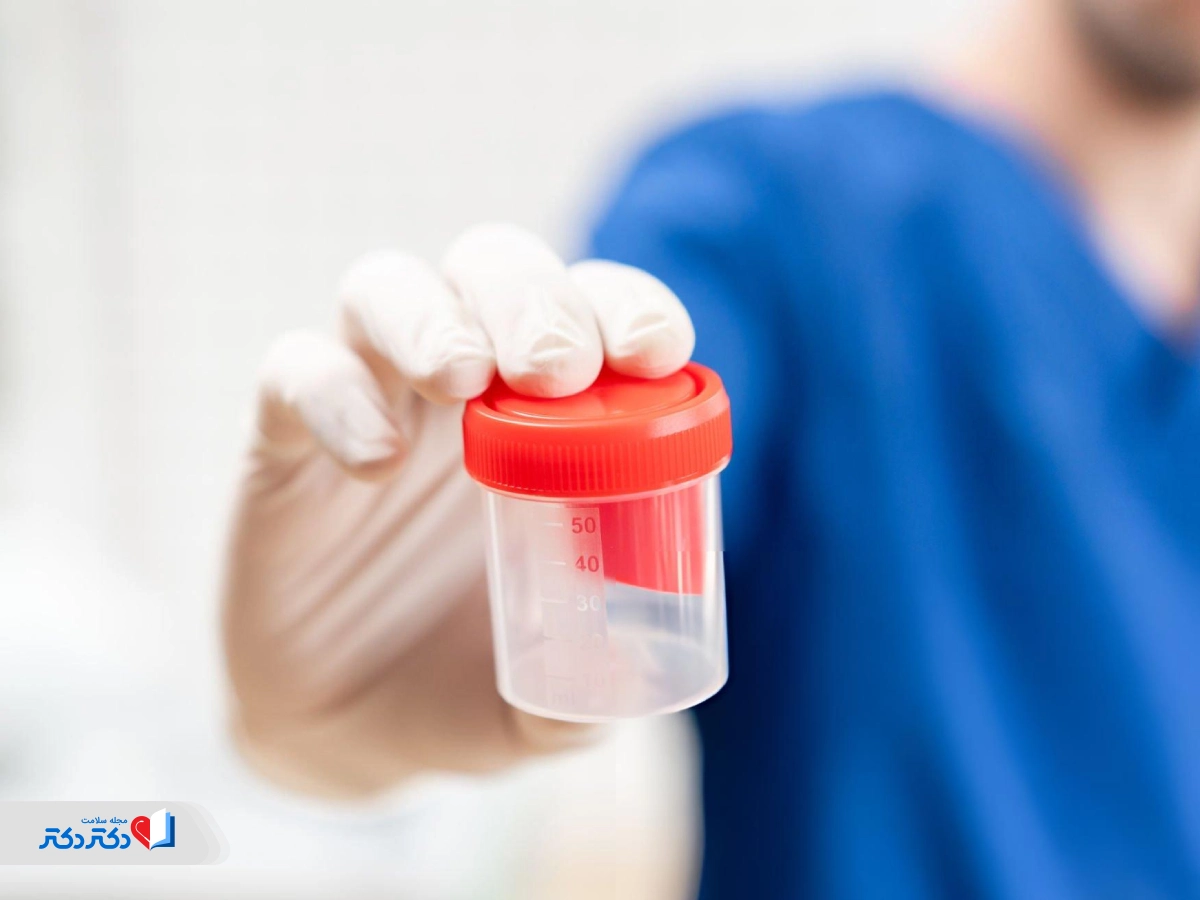
This test measures the amount of free cortisol, ie cortisol that is not bound to protein. Most urine cortisol tests require all of your urine samples to be collected within 24 hours. The doctor will give you a special container to collect the urine.
Read more: All about the urine test
There are several steps to perform the urine cortisol test, including:
- Don't collect your first morning urine and just note the time.
- After that, every time you urinate, pour it all into the container and be careful that the stool sample or toilet tissue does not fall into the container. Store the container in a refrigerator or a cool place.
- Try to collect the last urine approximately 24 hours after the first recorded time.
- Write your name, start and end time of sampling and other necessary information on the sample container.
- Deliver the container to the laboratory as soon as possible.
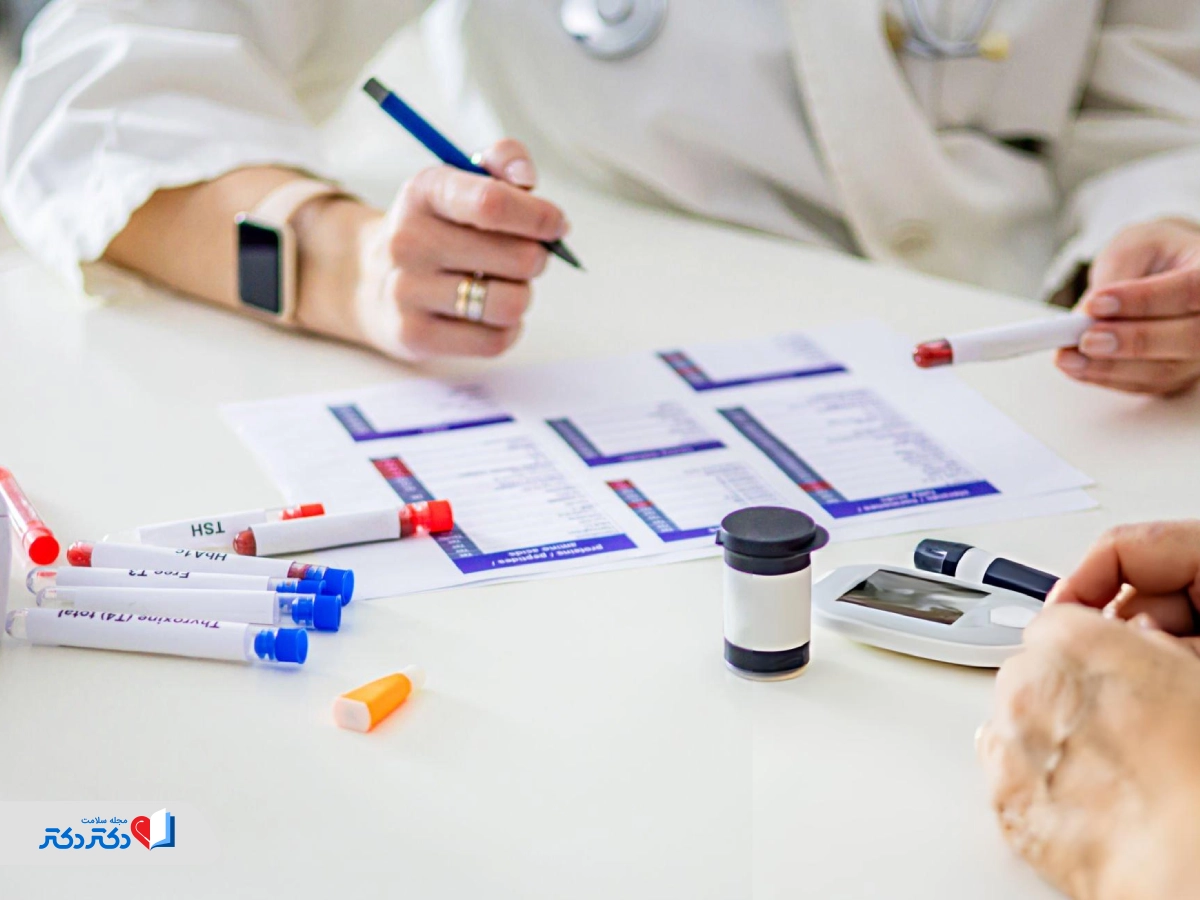
Test result Cortisol
According to the laboratory and the type of your sample, it may take 1 to 5 days to prepare the test result.
What is the normal level of cortisol in a blood test?
The normal range of cortisol in a blood test usually varies at different times, including:
- hours 6 to 8 am: 10 to 20 micrograms per deciliter;
- around 4 pm: 3 to 10 micrograms per deciliter.
This range is slightly different for children and the elderly.
For urine testing, the normal daily range for cortisol in adults is between 10 and It is 55 micrograms.
For the saliva test, the normal range of cortisol is different at different times and for adults it is as follows:
- Mornings: 10.2 to 27.3 ng/ml;
- Nights: 2.2 to 4.1 ng/ml.
Difference in values at different times of the day
Cortisol levels are usually at their highest in the morning and decrease throughout the day, and their lowest level is around midnight. If you work a night shift and your sleep time varies, this pattern may change. Also, the normal range of cortisol may vary according to the laboratory, time and person. Your doctor will review the results and tell you if you need more tests.
If your cortisol levels are higher than the normal range, it's known as high cortisol.
What do your cortisol test results mean?
Your test may show that your cortisol levels are high or low. Abnormal results alone do not mean disease. Many factors can affect cortisol levels, including:
- Stress;
- Physical activity;
- Severe illness;
- Extremely hot or cold temperatures;
- Certain medications;
- Use of medications such as birth control pills;
- Sleep time.
What is the sign of high cortisol in a blood test?
Cortisol usually indicates a disease called Cushing's syndrome, which can be caused by various reasons, including:
- use of high doses of corticosteroid drugs;
- presence of a tumor in the pituitary gland, which causes an increase in ACTH hormone and an increase in cortisol;
- presence of a tumor in the adrenal glands that produce cortisol;
- a large presence Other tumors such as lung cancer.
Symptoms of high cortisol
High cortisol can have various symptoms, including:
- rapid weight gain;
- face Round;
- Fat accumulation on the back of the neck or between the shoulders;
- High blood pressure;
- High blood sugar;
- Skin changes (bruises and purple cracks);
- Muscle weakness;
- Weak bones;
- Feelings of anxiety or depression;
- Irregular periods in women.
Severity of symptoms depends on the amount of cortisol increase. It is.
Read more: Cortisol belly symptoms
What does low cortisol in a blood test indicate?
Low cortisol levels may be caused by several reasons, including:
- Addison's disease (the body's immune system mistakenly attacks healthy adrenal gland cells);
- Adrenal gland damage due to infection or tissue blood loss;
- Pituitary gland malfunction that reduces cortisol production;
- Sudden cessation of steroid medication after long-term use;
- Pituitary tumor that produces Decreases ACTH;
- Pituitary hypofunction.
Symptoms of low cortisol levels
Symptoms of low cortisol can include:
- Fatigue;
- Dizziness;
- Low weight;
- low blood pressure.
Home cortisol tests
You can test Do cortisol at home. These tests are sometimes known as home stress and sleep panels and you can use a kit to do it. According to the type of kit, the examined sample can be blood, urine or saliva. The kits come with sample collection instructions, and after collection, you must send the sample to the laboratory from which you obtained the kit. Results are usually provided to you through an online account.
Some labs offer on-site sampling services, which are usually cheaper than home kits. In this case, you can use Dr. Dr.'s home testing services.
Additional tests to check cortisol levels
Some problems such as abnormal growth or tumors may cause changes in cortisol levels. In this case, the doctor may prescribe a CT scan or an MRI for a more detailed examination. Your doctor may order other tests in addition to the cortisol test for a better diagnosis.
ACTH stimulation test
This test shows how well your adrenal glands can respond to adrenocorticotropic hormone (ACTH). This hormone is produced in the pituitary gland and stimulates the adrenal glands to secrete cortisol. If your doctor thinks that the cause of low cortisol in your body is a problem with the adrenal gland, he may prescribe an ACTH test. ACTH test is usually performed along with cortisol test.
Several steps are performed to perform ACTH test, including:
- First a blood sample is taken;
- Synthetic ACTH hormone is injected into you;
- After 30 or 60 minutes, depending on the amount of ACTH injected, your blood sample is taken again;
- Laboratory It measures your cortisol levels.
Dexamethasone Suppression Test
The Dexamethasone Suppression Test is usually done with a cortisol test. This test is the opposite of the ACTH test to find out why your cortisol levels are high and if they can be lowered. There are two main ways to do this test, including:
- Night low dose: You take 1 mg of dexamethasone at 11 p.m. The next morning at 8:00 a.m., a blood sample is taken and the cortisol level is measured. At 11:00 p.m., you take 8 mg of dexamethasone. The next morning at 8:00 a.m., a blood sample is taken and cortisol is measured.
Dexamethasone decreases ACTH secretion in healthy individuals, so if you take this drug, ACTH levels should decrease, followed by cortisol. But if your pituitary gland is producing too much ACTH, this reduction may not occur with a low dose and cortisol levels will still be high, but should return to normal with a high dose.
The low dose test will help determine if your body is producing too much ACTH. On the other hand, the high dose test helps the doctor to determine whether the problem is related to Cushing's disease (a tumor in the pituitary gland) or a tumor in another part of the body.
cost of cortisol test
The cost of the test varies according to the type of test, laboratory and insurance coverage. But in 1404, taking into account insurance coverage, a cost of about 200,000 tomans should be considered.
Doctor's last words
Cortisol test shows your cortisol level in blood, saliva or urine samples. Although seeing abnormal results can be stressful, it does not always mean a serious illness. Try to keep calm and ask your doctor for advice. If for any reason the doctor's explanation is not enough for you or if you have any other questions, you can contact the professional team of Dr. You can also use DoctorDoctor's Home Test Service to perform a cortisol test at home.
Frequently Asked Questions
What is the normal level of cortisol in a blood test?The normal level of cortisol is slightly different at different hours of the day and at different ages. The amount of cortisol is the highest in the morning and decreases until the evening. Its amount in blood tests and for adults is as follows: 6 to 8 am: 10 to 20 micrograms per deciliter; Around 4 pm: 3 to 10 micrograms per deciliter.Test conditions How is cortisol at 8 a.m.?Cortisol abbreviation in the test sheet What is it?How much is the cost of cortisol testing in 1404?What does the cortisol test show? Does it?How can I Lower my cortisol levels?Why do I need a cortisol test?What should I do for a cortisol test?Is cortisol testing dangerous? Does it?Additional tips about cortisol testing What is it?resources
clevelandclinic webmd medlineplus
Tags:The content of this article is for your general information only and does not constitute medical prescription.