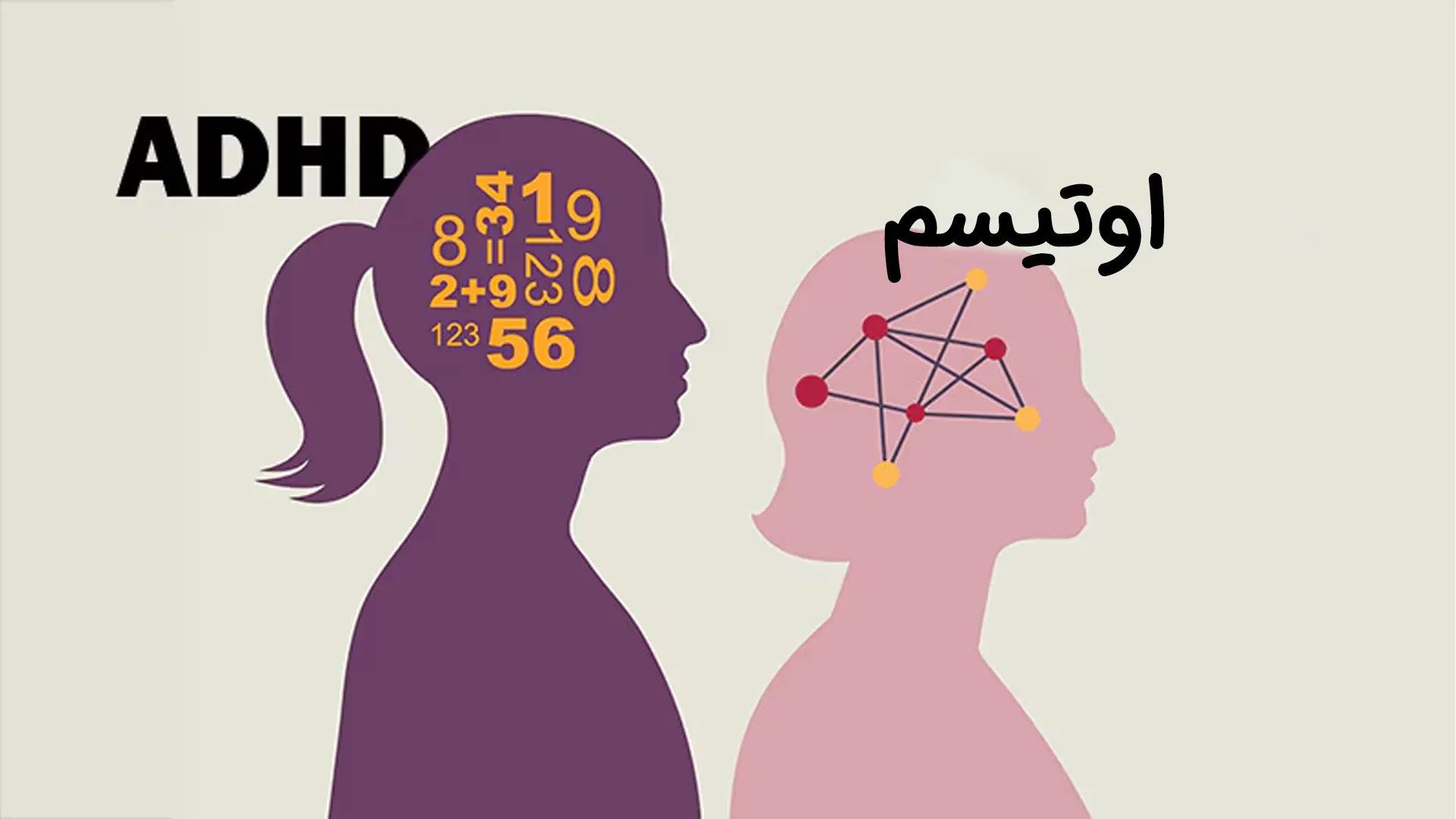

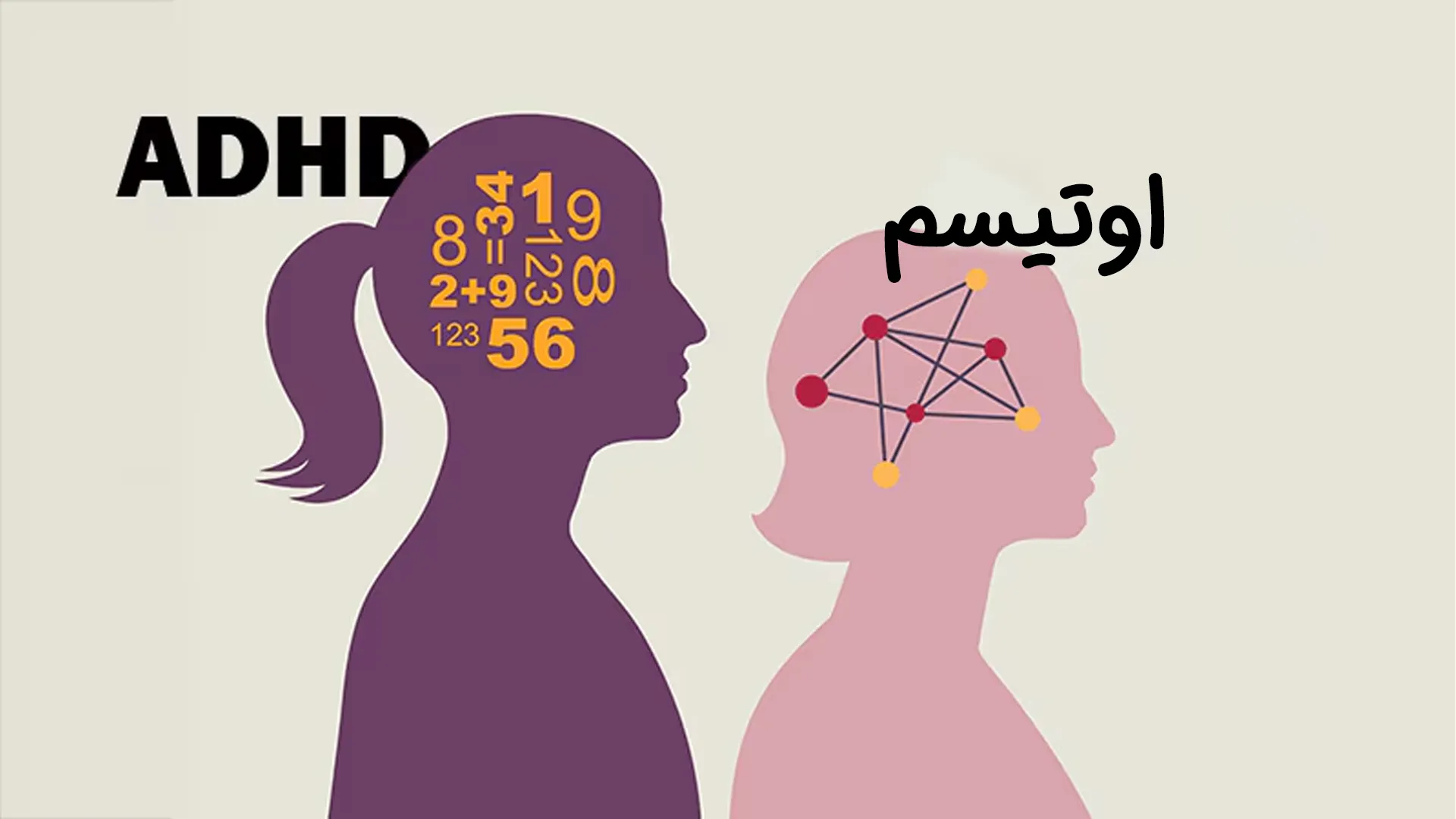
تشخیص تفاوت بین رفتارهای کودکان (و حتی بزرگسالان) گاهی مانند راه رفتن در مه است. کودکی را تصور کنید که در کلاس درس آرام و قرار ندارد یا کودکی که در برقراری ارتباط چشمی مشکل دارد. آیا این نشانهها مربوط به اختلال نقص توجه و بیشفعالی (ADHD) است یا اختلال طیف اوتیسم؟ درک فرق بیش فعالی با اوتیسم یکی از چالشبرانگیزترین مباحث در روانشناسی کودک و نوجوان است، زیرا این دو اختلال با وجود ماهیت متفاوت، در ظاهر شباهتهای گمراهکنندهای دارند.
بسیاری از والدین و حتی معلمان، علائم این دو را با هم اشتباه میگیرند. هر دو گروه ممکن است در تمرکز مشکل داشته باشند، در تعاملات اجتماعی لغزش کنند و رفتارهای تکانشی نشان دهند. اما ریشه این رفتارها در مغز کاملاً متفاوت است. Accurate understanding The difference between hyperactivity and autism, the golden key to choose the correct treatment method and help the person flourish its potential. In this article, we put a magnifying glass on the most subtle differences, especially in the area of social interactions, so that you can look at this issue with a more open and informed view.
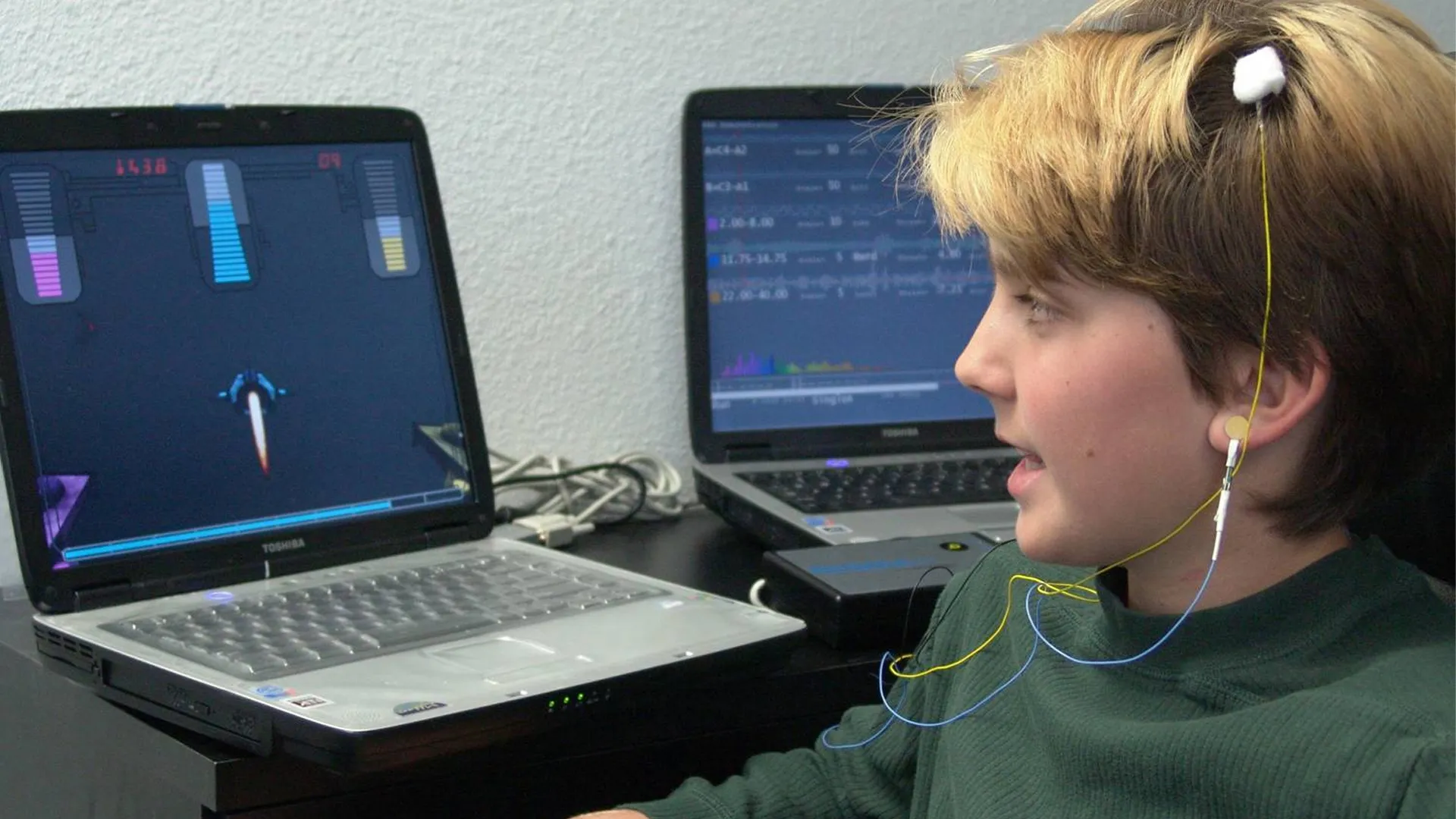
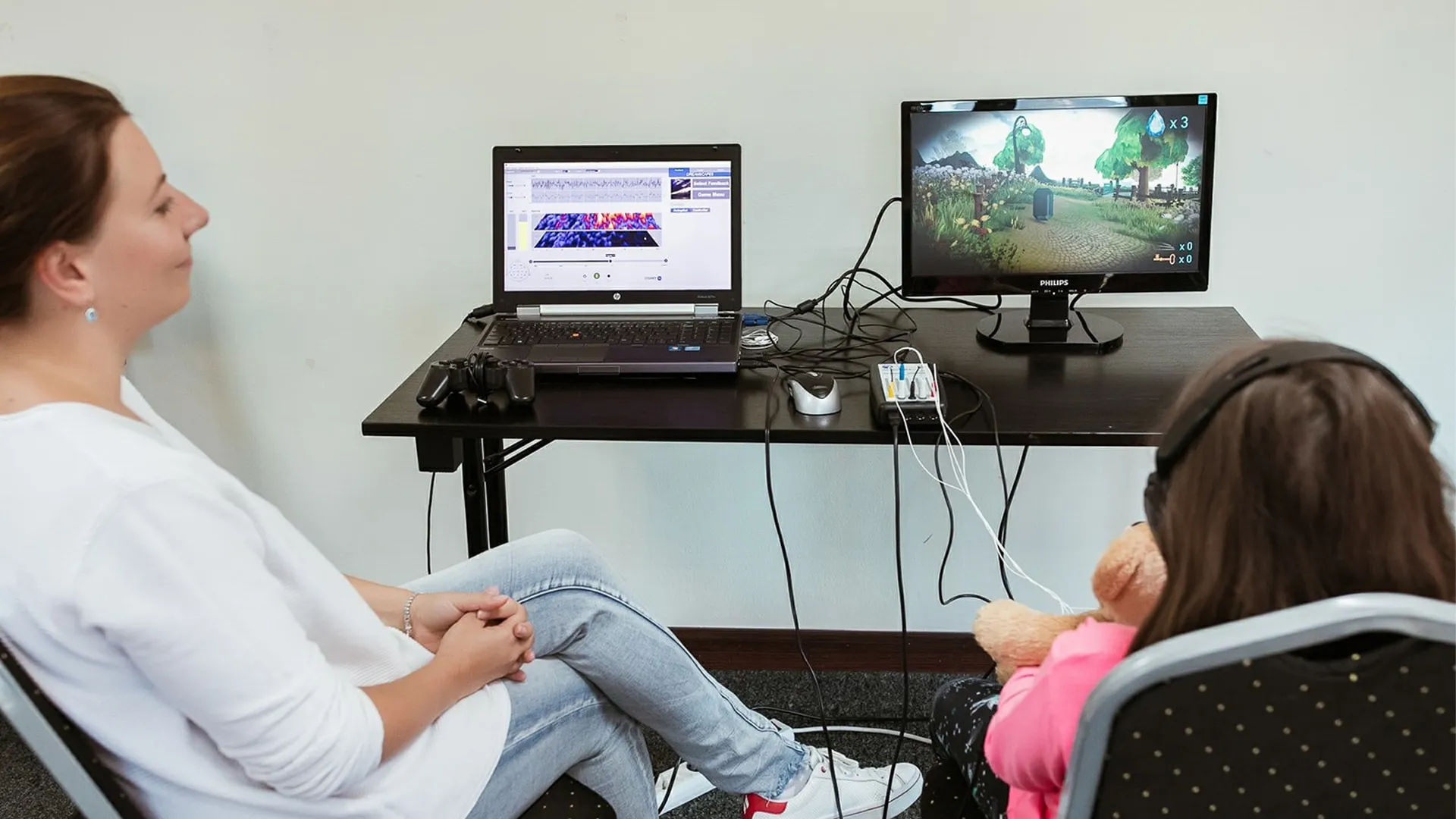
Neurofeedback for ADHD: Does it really work?
overview of hyperactivity and autism
فرق بیش فعالی با اوتیسم, we must have a short definition of each:
-
" aria-level="1">
Hyperactivity (ADHD): A neurodevelopmental disorder that affects a person's ability to focus and control impulses and affect energy level regulation. A person with ADHD wants to pay attention, but his brain is constantly distracted by external stimuli or internal thoughts.
" aria-level="1">Autism (ASD):
شناخت in the early stages, it can prevent years of confusion and wrong treatments. Although both affect the functioning of the brain, the reasons behind the behavior are different.
3 vital differences in social interaction
is the most confusing part of the story. Both hyperactive and autistic children may have trouble making friends. But the difference between hyperactivity and autism style="font-size: 13.999999999999998pt; font-family: Vazirmatn,sans-serif; color: #000000; background-color: transparent; font-weight: 400; font-style: normal; font-variant: normal; text-decoration: none; vertical-align: baseline; white-space: pre-wrap;"> is very basic in this context. Let's examine these 3 key differences:
1. The quality of attention to others and eye contact
در بحث , how to pay attention to the audience is an important indicator:
-
" aria-level="1">
In autism:
" aria-level="1">In hyperactivity:
2. The beginning and continuation of friendships
بررسی is also interesting in dating:
-
" aria-level="1">
In hyperactivity: Hyperactive children are often eager to make friends and easily open up to others. they do Their problem is in maintaining friendship. Impulsive behavior, sudden aggression or not respecting privacy will make them lose their friends.
" aria-level="1">In autism:
3. Empathy and response to emotions
-
" aria-level="1">
In autism: A person may have difficulty empathizing (putting himself elsewhere) or Not showing an appropriate emotional response (for example, appearing indifferent when someone cries). This does not mean cruelty, but rather a different processing of emotions.
" aria-level="1">In hyperactivity: A person usually has high empathy and understands the feelings of others, but it is possible is to react before thinking. For example, he may say something that upsets someone, but he immediately regrets it. His problem is impulse control, not a lack of emotion.
فرق بیش فعالی با اوتیسم is also very obvious in the way of focus and interests. In autism disorder, we often face a phenomenon called "restricted and repetitive interests". A child may talk for hours about dinosaurs, trains, or a particular science topic and have an encyclopedic knowledge. He can have a laser-like focus on his favorite subject for long periods of time, and it's hard to distract him from that subject.

In hyperactivity disorder, the main problem is the inability to maintain attention on subjects that are not immediately attractive to the individual. A hyperactive child jumps from one activity to another and gets tired quickly. He too may have laser-like focus (on a video game, for example), but that focus is driven by the brain's immediate rewards, not obsessive, structured interest. Understanding This 13.9999999998pt; color: transparent; font-variant: none; white-space: help parents understand; Is he immersed in his inner world (autism) or is he looking for new stimuli (hyperactivity)?
Difference between hyperactivity and autism at a glance
The following table shows the main differences:
فرق بیش فعالی با اوتیسم is that sometimes both disorders exist together. Research shows that a significant percentage of autistic children also meet hyperactivity criteria. This condition is called AuDHD. فرق بیش فعالی با اوتیسم becomes very difficult and requires very careful clinical evaluations. For example, a child may be both restless and have difficulty with social understanding. The treatment in these cases should be combined and multilateral. در بررسی , speech delay is often a more prominent symptom of autism. Children with ADHD usually do not have a speech delay (unless they also have a learning disorder) and may even talk early and be very talkative. But in autism, delay in starting to speak, using strange words, echolalia, and speaking in a monotonous tone (robotic) are very common. Paying attention to this difference can help parents distinguish between hyperactivity. Help with autism.
تشخیص فرق بیش فعالی با اوتیسم is not an easy task and should not be done based on home observations alone. Both of these conditions are not barriers to success if managed properly. Many geniuses and entrepreneurs of the world live with one of these two situations. The most important step is to refer to an expert team (psychiatrist, psychologist and occupational therapist) for a detailed evaluation. If you need expert guidance and detailed evaluations in this direction, the collection راه روشن با بهرهگیری از experienced professionals can be a reliable companion for you and your child. Instead of focusing on limitations, focus on getting to know your child's unique world. Many high-functioning autistic (formerly Asperger's) children learn to make eye contact, but it may feel artificial or cause them anxiety. stimulants used to treat ADHD can help improve concentration and reduce restlessness in autistic children. But these drugs do not treat the core of autism symptoms (communication problems and repetitive behaviors). Both are neurodevelopmental disorders and remain with the person throughout life. ADHD symptoms may change with age (e.g., decreased mobility and inner restlessness). In autism, by teaching skills, a person can perform better.
Behavior
Hyperactivity (ADHD)
Autism (ASD)
center
Distracted, difficulty maintaining attention
Laser focus on specific interests
Communications
Talking, interrupting others
Difficulty understanding body language and sarcasm
Routine
hates routine, messy
Loves routine, hates change
Five senses
Looking for sensory stimulation
Severe hypersensitivity or hypoesthesia (light/sound)
Repeat
escapes from repetition
has repeated behaviors
Co-occurring autism and hyperactivity: when both are present
Speech delay: an important clue
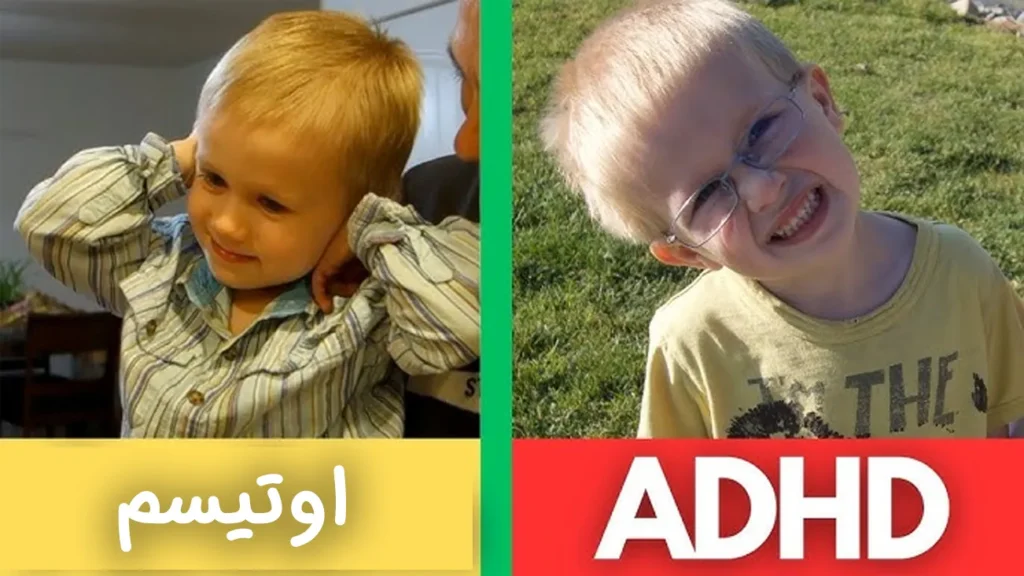
Endnote: don't label, understand
FAQ
1. Is it possible for a child who makes eye contact to have autism?
2. Does hyperactivity medication have an effect on the symptoms of autism? pre-wrap;">
3. Do hyperactivity and autism go away when a child grows up? white-space: pre-wrap;">