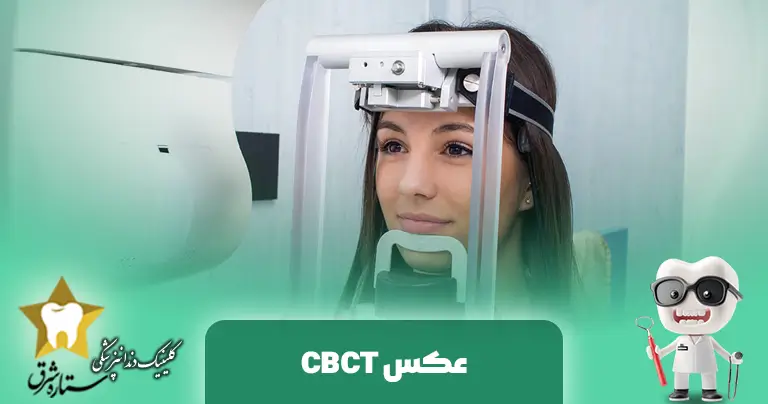
عکس CBCT تصویربرداری سهبعدی با دقت بالا از دندان، فک و بافتهای اطراف است. This technology, using cone X-ray, provides information that cannot be seen in two-dimensional methods such as OPG. Dental CBCT plays an important role in diagnosing, planning treatment, and monitoring diseases; Especially in cases such as implant implantation, wisdom tooth surgery, root canal treatment, orthodontics and examination of tumors or injuries of the jaw and face. In this guide, you will learn how the device works, clinical applications, benefits, side effects, necessary preparations and cost of CBCT scan.
How does CBCT work?
CBCT scan takes multiple images of the target area using a cone X-ray. The device rotates around the patient's head at a 360-degree angle and takes hundreds of 2D images within a few seconds. With the help of special software, these images are converted into a detailed 3D image that provides a complete view of the teeth, jaw, sinuses and surrounding tissues.
Difference With a medical CT scan
In a CT scan, rays are irradiated in the form of an open fan from several different angles and consecutive cross-sectional images are recorded; But in dental CBCT, the beam is irradiated in a conical shape and complete volume information is obtained with one complete rotation. CBCT photo:
The radiation dose is lower than CT.
The image clarity is higher in hard tissues such as bone.
The dimensions of the device are smaller and suitable for dental clinics.
The scanning time is much shorter.
CBCT process
CBCT process is done in the following steps It can be done:
The patient sits or stands on a special chair.
The patient's head is fixed with a pad and headband so that it does not move.
The device rotates around the head in a few seconds and records the images.
The image data is converted into a 3D view with the software.
Images for review by implant specialist or other dentists will be available.
In the table below, you can see the difference between CBCT images and OPG and CT Scan.
Features
CBCT
OPG
CT Scan
Image type
3D
2D
Multilayer tomography
Accuracy Imaging
High for hard tissue
Limited
Very high for soft tissue
Radiation dose
Less than CT, more than OPG
Low
high
imaging time
less than 1 minute
a few seconds
a few minutes
suitable for
teeth, jaw, implant, Surgery
Preliminary dental and jaw examination
Full body imaging
Cost
Medium
Low
High
CBCT scan is used as a precision imaging tool in a wide range of dental treatments and maxillofacial surgery. This technology enables the analysis of complex structures and helps dentists and surgeons make better treatment decisions. id="gform_wrapper_4">
dental implant
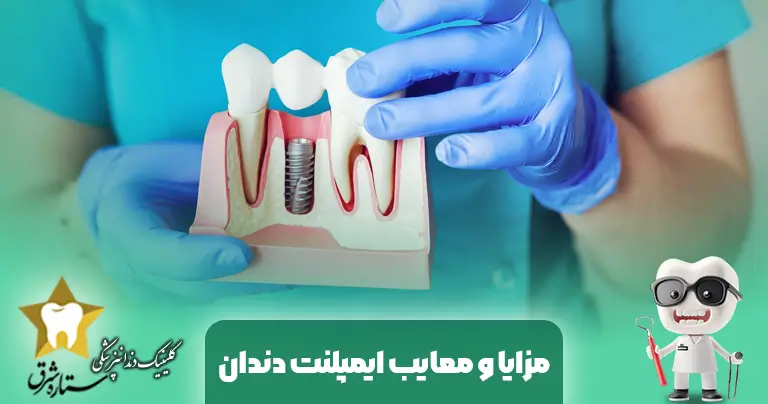
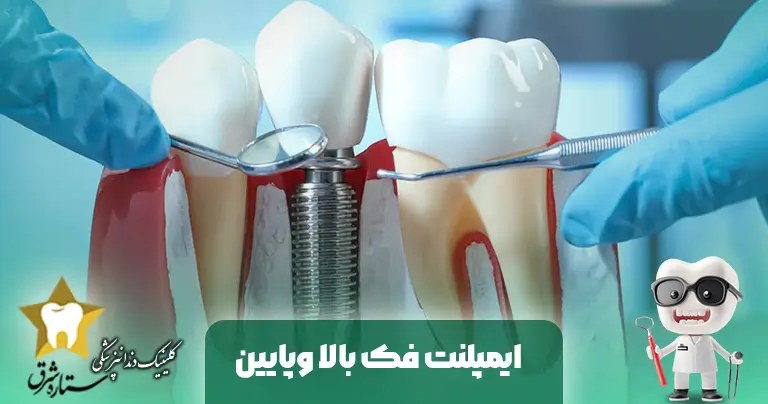
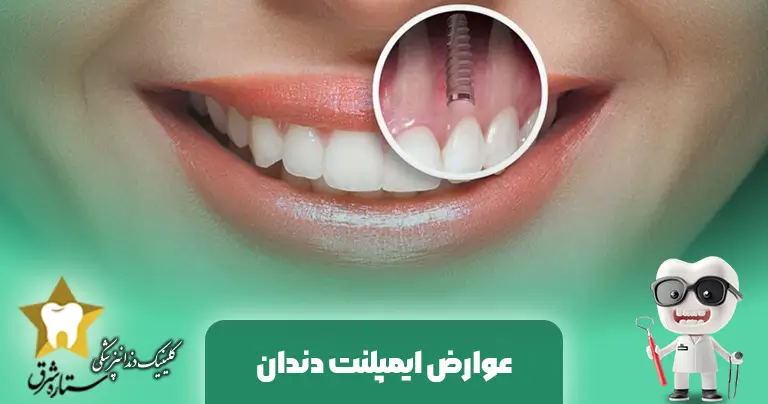
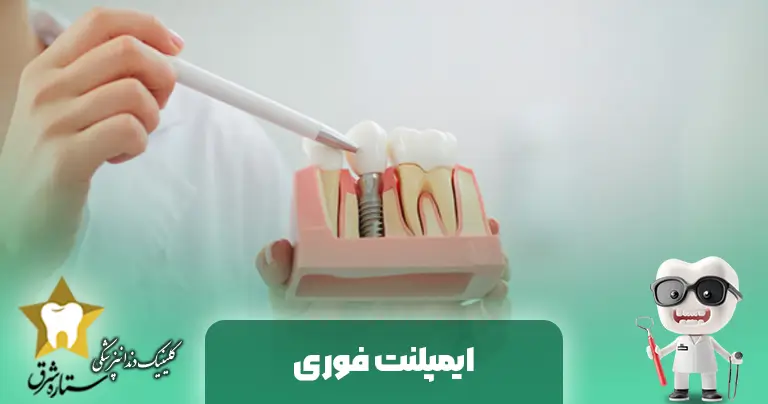
for precise design and implantationimplant, it is necessary to check the height, width and bone density. The CBCT photo provides complete information about the nerve path, sinus position and bone volume.
Hidden wisdom tooth surgery
In cases where the wisdom tooth is located close to the nerve canal or sinus, CBCT helps determine the exact position of the roots and reduces the risk of damage to vital structures.
Endodontic treatment
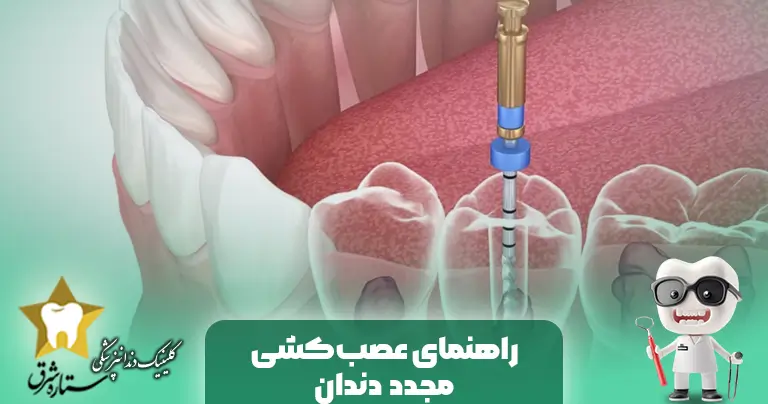
In endodontic treatments, It is very important to know the exact anatomy of the root, lateral canals and calcified areas. CBCT displays this information with high accuracy and reduces the chance of treatment failure. Orthodontics, analysis of jaw condition, relationship of teeth, hidden teeth and their movement path is necessary. CBCT provides a comprehensive image for orthodontic treatment planning and is a vital tool for complex patients.
CBCT is used to evaluate cysts, tumors, bone disorders, jaw bone loss, and other occult lesions. This scan provides a clear view of the deep structures of the mouth.
Detailed review Temporomandibular joint (TMJ)
In patients who are experiencing pain, noise or movement limitation in the jaw joint, CBCT helps to check the bone status of the joint and structural analyses.
In injuries caused by accidents, CBCT is very useful for examining fractures, moving bone fragments and planning reconstructive surgery.
Compared to methods such as OPG or periapical, dental CBCT has more advanced capabilities that make it a more accurate and practical choice for specialized treatments. Next, you will learn about the benefits of CBCT.
Three-dimensional accuracy and detail
The CBCT image shows the structures of the teeth, jaw and nerve canals with high resolution and in three dimensions; What is not visible in OPG and 2D images.
Decreasing radiation dose
Compared to medical CT, the radiation dose in dental CBCT is lower and is considered safer for imaging the jaw area.
The scanning process is done in less than a minute; Painless, without the need for special preparation and with minimal patient transfer.
Images are checked with specialized software; The possibility of zooming, different cuts and accurate measurements are available.
Does CBCT have complications?
CBCT scan is safe under normal conditions; But like any x-ray imaging method, it has limitations that must be considered. Complications of CBCT include the following:
X-ray dose: although the radiation dose in CBCT is lower than medical CT; But still more than conventional radiographs (such as OPG). It is not recommended to do it repeatedly without necessity. Contraindications: during pregnancy, especially in the first trimester, the use of CBCT photo is done only when necessary and with special protection. It is also recommended for children only in special cases.
Limitations: CBCT images are highly accurate in showing bones; But details of soft tissue such as muscle or salivary glands are limited in it. Also, the presence of metal objects (such as orthodontic brackets) may disturb the image.
Preparation Before performing CBCT and important points after
Before performing CBCT scan, knowing a few simple points can help to record the images more accurately and interpret them better.
before imaging
Avoid wearing tight clothes with buttons or metal.
Remove all metal objects such as glasses, jewelry, hairpins or dentures from the mouth and face.
In case of pregnancy or the possibility of pregnancy, be sure to inform the doctor.
Discuss with the doctor the history of sensitivity to contrast agents or recent radiation imaging. Let it go. Imaging
It is very important to remain still during the scan.
The head and jaw may need to be fixed with special tools.
The scan takes less than 1 minute and is painless.
after imaging
No need for special care or rest; You can resume your daily activities immediately.
Digital images are usually available to the dentist on the same day.
If the doctor needs an immediate examination, he will ask you to wait until the preliminary results are ready.
CBCT image and factors affecting it
The cost of CBCT scan is influenced by various factors and usually does not have a fixed rate; Understanding these factors helps patients make better decisions. Impact
Type of imaging and location of scan: the cost varies depending on whether the scan is done for implants, orthodontics or surgery and in which imaging center it is taken.
Number of jaws and required accuracy: imaging both jaws or requesting a higher resolution increases the cost.
Type of device and center technology: centers that use modern devices and The more advanced analysis software they use, the higher the tariff.
Physician experience and level of image analysis expertise: Image interpretation by a maxillofacial specialist or radiologist may play a role in determining the final cost.
Insurance coverage
Some health insurance plans or Dental installments cover a part of the cost of CBCT.
For accurate information, the type of insurance, the center of the contracting party and the diagnostic use of the image must be specified.
In cases such as planning for surgery, the insurance may cover part of the fee according to the rules Dental Tariff compensates.
Questions Frequently Asked Questions (FAQ) about CBCT Does it?
No. CBCT image is completely painless and non-invasive.
Photo How long is CBCT valid?
If the conditions of the jaw or teeth do not change, this scan can be used for several months for treatment planning; For implants, it is usually valid for up to 6 months.
Duration How long does CBCT take?
Scanning time is usually less than 30 seconds. The whole process, from preparation to delivery of the image, takes about 10 to 20 minutes.
Can CBCT be performed on children?
Yes; But only in necessary cases and with the doctor's discretion; Due to the greater sensitivity of children's bodies to radiation, it should be used with caution.
Is CBCT allowed for pregnant women?
Not recommended during pregnancy, except in very special cases and with the use of lead shielding. Be sure to inform the doctor before imaging.
When does my dentist recommend a CBCT?
In cases such as implants, wisdom tooth surgery, root canals, impacted teeth or close examination of maxillofacial trauma.
difference What is CBCT with panoramic radiography (OPG)?
CBCT is a three-dimensional imaging with high precision and simultaneous display of bone and soft tissue; While OPG provides a 2D image with less detail.
Photo Who is CBCT not recommended for?
For pregnant people, young children, or those who need repeated imaging, it is done only when absolutely necessary.
CBCT scan with high accuracy and 3D display is an important tool in diagnosis and specialized treatments such as implants, orthodontics and jaw surgery. With high speed and less radiation, this method makes it easier for the doctor and the patient to make treatment decisions.
For accurate imaging and professional interpretation, it is recommended to refer to East Tehran Implant Center and benefit from the services under the dental tariff or installment dentistry. Do you also need accurate imaging to start treatment? Call now at 02191093560 and get expert advice.