What is the AST test and what is its use?
The AST test, like the ALT test, is a test to ensure the proper functioning of liver enzymes in the body.... Aminotransferase (AST) is an enzyme that exists in various body tissues.... As you know, the enzyme is actually a type of protein that the body needs to carry out its chemical reactions.
The highest concentration of AST is in the liver, muscles, heart, kidney, brain, and red blood cells. Normally, there is a small amount of AST in the bloodstream. Higher than normal levels of this enzyme in the blood can indicate a health problem. Abnormal levels of this substance can be associated with liver damage.
When tissues and cells containing this enzyme are damaged, AST levels increase. AST levels can rise six hours after tissue damage. Normal AST values from birth to 3 years of age are higher compared to values in children and adults.
The AST test measures the amount of AST in the blood that is released from damaged tissues. The old name of this test is serum glutamic-oxaloacetic transaminase (SGOT).
Learn more: Does the kidney stone diet help the patient recover?
What is the purpose of AST testing?
Doctors usually use the AST test to check the condition of the liver, for example in hepatitis, which is usually done in conjunction with the measurement of alanine aminotransferase (ALT). According to liver specialists, abnormal ALT results are more likely to cause liver damage than abnormal AST results.
In fact, if AST levels are abnormal and ALT levels are normal, the problem is more likely due to heart or muscle disease than liver disease.. In some cases, the ratio of AST to ALT can help the doctor to diagnose some liver diseases.
Read more: For boys: Everything you need to know about protecting your penis and scrotum
Why is the AST test prescribed?
1) Observing symptoms related to liver disease
Symptoms of liver disease that may cause a doctor to order an AST test include:
- fatigue
- weakness
- Decreased appetite
- Nausea
- vomiting
- Abdominal swelling
- yellowing of the skin or eyes, which is called jaundice
- Dark urine
- Severe itching of the skin
- Problems related to bleeding Abdominal pain
2) Examining the risk of liver diseases
If you are at risk for liver problems, your doctor may order this test.... The liver plays important roles in your body, including making proteins and removing toxins...
Factors that increase the risk of liver problems include:
- Exposure to viruses that cause hepatitis
- High consumption of alcohol or tobacco
- Family history of liver disease
- Diabetes
- Extra weight
3) Checking the condition of the liver
Your doctor may order an AST test to check for known liver disease.... This test can also be used to check the effectiveness of treatment.... If the test is to check for liver disease, your doctor may order it periodically during treatment.
Your doctor may use an AST test to make sure the medications you are taking are not causing liver damage.. If the AST test results indicate liver damage, your doctor may change your medications or reduce their dosage to prevent inflammation.
5) Examining other conditions affecting liver health
If you have any of these, your liver may be damaged and your AST level may be abnormal:
- kidney failure
- Inflammation of the pancreas or pancreatitis hemochromatosis
- Certain infections such as mononucleosis Gallbladder disease
- burning heat Blood-related cancers such as leukemia and lymphoma Amyloidosis
How is the AST test performed?
The AST test is done on a blood sample. Healthcare personnel usually take the sample using a small needle from a vein in the arm or hand. They collect the blood in a tube and send it to a laboratory for analysis. Once the results are available, the liver specialist will notify you.
Although no special preparation is required before an AST test, you should always tell your doctor about any medications you are taking before the blood draw.
What are the risks of AST testing?
The risks of the AST test are very small....you may feel discomfort during the sampling....you may have an injury at the site during or after the test.
Other possible risks of drawing blood include the following:
- Problems in sampling and several injuries caused by wood needles
- Excessive bleeding at the sampling site
- Fainting due to needling
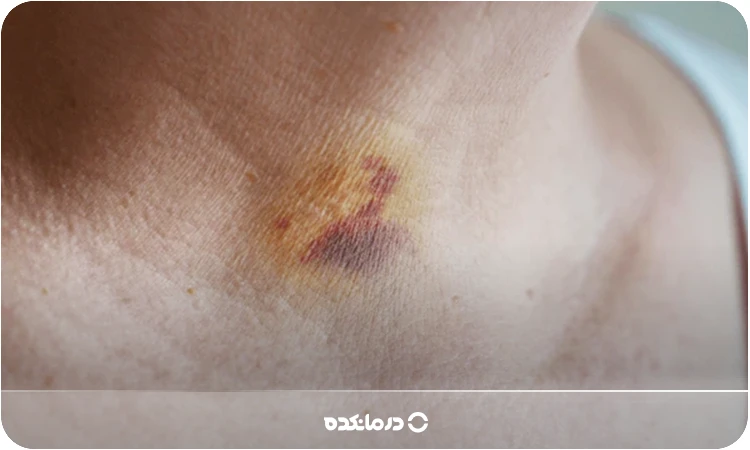
- Collection of blood under the skin or hematoma
- Infection at the sampling site
How are AST test results interpreted?
AST test results vary depending on the lab that performs the analysis and the normal ranges reported.. The range of normal levels will also vary depending on your gender and age.. Recent research has shown that even a slight increase in AST can be a sign of a liver problem that needs to be investigated... The American College of Gastroenterology recommends that all abnormal AST results should be followed up.
Possible liver conditions based on increased AST values
- AST results outside the expected range and less than 5 times the expected range
Hepatitis B, Hepatitis C, alcoholic and non-alcoholic fatty liver, hemochromatosis, Wilson's disease, autoimmune hepatitis, alpha-1 antitrypsin deficiency, drug use - AST results between 5 and 15 times the expected range
Acute viral hepatitis, any disease associated with low AST values - AST results greater than 15 times the expected range
Acetaminophen (Tylenol) poisoning, hepatic shock (loss of hepatic blood flow)
Some other conditions that can cause abnormal levels of AST in the liver include:
- Cirrhosis liver cancer
- Autoimmune diseases
- Some genetic disorders
- Non-alcoholic fatty liver disease (NAFLD)
- Physical injury to the liver
Other possible causes of elevated AST levels that are not related to the liver include:
- Recent heart attack
- Extreme activity
- Injection of medicine into the muscle
- Burn
- Seizures
- Surgery Celiac disease
- muscular diseases
- Abnormal destruction of red blood cells
AST levels may also increase with exposure to drugs or other substances toxic to the liver.
Depending on the reason for the test and the test results, your liver specialist may order other tests. If your AST test result shows a high level, your doctor may compare it with the results of other liver tests to help determine the type of liver disease. These tests include ALT, alkaline phosphatase, albumin, and bilirubin tests.
Blood clotting activity may also be checked with tests such as PT, PTT, and INR. Your doctor may also recommend an ultrasound or CT scan of the liver to identify other causes associated with abnormal test results.
Dear ones, to get information about the AST test, you can use the guidance of gastrointestinal and liver specialists
..Was this article useful for you?
![Which fruit increases blood pressure [high and low]? 18 effective fruits](/storage/posts/covers/2026_01_08/ef00bb701cbb99e90a24ba8d73265ba4c08936335e859a33b69553f5c5e737a2.webp)
![For whom is rhinoplasty dangerous? [10 groups+cause+solution]](/storage/posts/covers/2026_01_06/3e06a993c87e243daaf67dc69ac3e484d377b2708c93656820e0084ea4f080d6.webp)
![What fruits have vitamin B12? [13 fruits + consumption tips]](/storage/posts/covers/2026_01_06/dfaeceb7cb9a203805aeba8715bf7cdea6f5cb2b5b9314e1898807545e874bb1.webp)
![Is nasal massage necessary after surgery? [Training + 5 effective benefits]](/storage/posts/covers/2026_01_06/1f2686c8d522130d256828a51d7d46594dbde31ec2253325e6a8a38f04094789.webp)
![The best drops to reduce eye pressure [14 powerful drugs + method of administration]](/storage/posts/covers/2026_01_06/0177c50098eb80d878d1c883d09ae31ad2f489b17e1288f52018e3f8ef213e5f.webp)
![What is hair filler? [9 benefits, how to inject + durability of hair filler]](/storage/posts/covers/2026_01_06/c21c5e1ff48e9af8214111dfe0b867586f298e3d74a95fadda02b0b04df12598.webp)
![The strongest antibiotic for tonsil infection [7 drugs + method of administration]](/storage/posts/covers/2026_01_06/7b5adf6bb8cf556824d96570b6adba58f824b3a7f248993cfaafb73c0b5b8610.webp)
![Garlic pills for weight loss [4 effective benefits and side effects + how to use]](/storage/posts/covers/2026_01_06/c49f08b482d5860218c8635e48194a50f2ed48b51ef15925aa2d73d8393ff3ab.webp)
![What foods increase eye pressure? [8 harmful foods and drinks]](/storage/posts/covers/2026_01_06/52929c4d1b9ed7916d3fc5a8e45060479fb186f332dd217e68905f71f89a33f0.webp)
![What foods lower eye pressure? [18 useful foods]](/storage/posts/covers/2026_01_06/f180eb15f8e64fc9b386f9d5dc7936a5e416af36032be3bdcdf9054925a21d43.webp)
![itchy scalp; 18 causes [medical treatment + 11 home remedies]](/storage/posts/covers/2026_01_06/a1e116ec1c6243fd5c4e6fb951da5cb33bbd92a09c44e29b845852a86f550681.webp)
![What is intestinal colitis and what are its symptoms? [3 causes + definitive treatment]](/storage/posts/covers/2026_01_06/d3384e9221c036ff3eb447c69ffabb109dd6c0c35f5e5f0af775c4545cfd7ea5.webp)
![The best pills for irritable bowel syndrome [10 powerful drugs]](/storage/posts/covers/2026_01_06/70f02d6808fab88d67b0c6734a623e5e71982d323dbd2fb8158c29669849b813.webp)