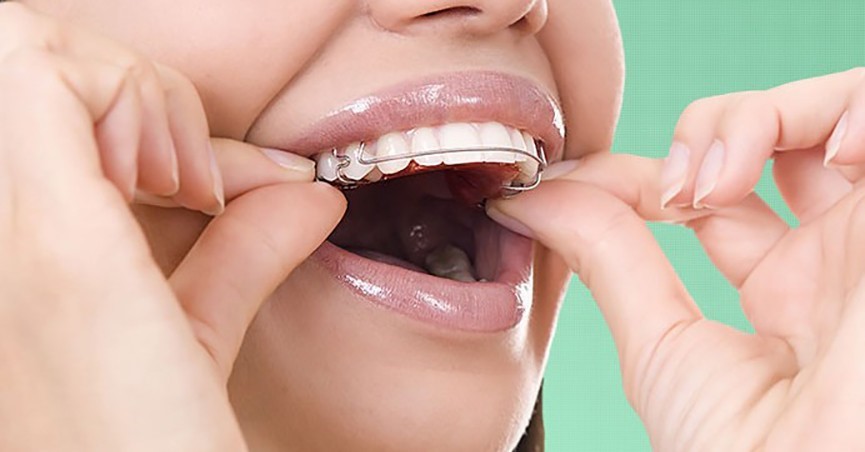

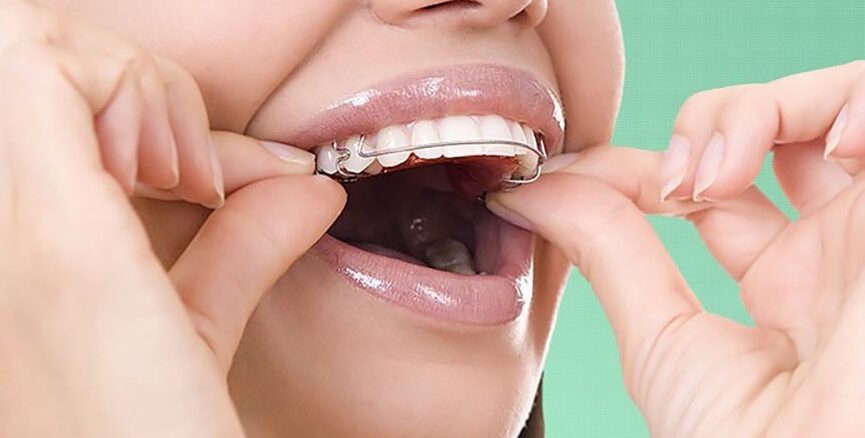
درمان ارتودنسی همیشه بهعنوان راهکاری برای مرتب کردن دندانها شناخته شده است، اما تأثیر آن بسیار فراتر از زیبایی لبخند است. بسیاری از افراد تا زمانی که درمان را آغاز نکنند، متوجه نقش دندانهای منظم در گفتار، جویدن، تنفس و حتی عملکرد مفصل فک نمیشوند. زمانی که دندانها در موقعیت صحیح خود قرار ندارند، مسیر حرکت زبان، فشار عضلات و تماس دندانها دچار اختلال شده و همین موضوع باعث بروز مشکلات متعدد میشود؛ از جمله تلفظ نامشخص برخی صداها، خستگی فک هنگام صحبتکردن، جویدن ناقص غذا یا درد مزمن TMJ.
به همین دلیل است که بسیاری از متخصصان معتقدند تأثیر ارتودنسی بر گفتار و عملکرد فک یکی از مهم ترین جنبههای درمان است، نه فقط نظمدادن به دندانها. شروع درمان معمولاً با یک دوره سازگاری همراه است و شاید بیمار در هفتههای اول، تغییرات کوچکی را در نحوه صحبت کردن یا جویدن احساس کند. اما این تغییرات موقتی بوده و پس از تنظیم موقعیت دندانها، عملکرد دهان و فک به شکل قابل توجهی بهتر از قبل میشود.
در این مقاله، تمام جنبههای عملکردی ارتودنسی را بررسی میکنیم؛ اینکه چه تغییراتی در گفتار ایجاد میشود، چگونه جویدن تقویت میشود، نقش آن در سلامت فک چیست و آیا براکتها میتوانند موجب درد یا محدودیت شوند یا خیر. هدف این است که تصویر واقعی و کاربردی از فرآیند ارتودنسی ثابت ارائه شود.
تغییرات موقت گفتار در ابتدای درمان
در روزها و هفتههای ابتدایی، بسیاری از بیماران متوجه تغییرات ظریفی در تلفظ برخی حروف میشوند. این مسئله کاملاً طبیعی است و به دلیل حضور براکتها یا جابهجایی اولیه دندانها رخ میدهد. زبان برای ایجاد صداهای مختلف، نیاز به تماس دقیق با دندانها و سقف دهان دارد. When the small protrusion of the bracket is placed on the surface of the teeth, the tongue contact pattern changes slightly and this change creates a temporary disturbance in speech. At this stage, the patient may feel the pronunciation of the letters "s", "sh", "t", "z" and sometimes "r" a little differently. This change does not mean an actual speech disorder, but rather the language learning the new oral environment. For most people, this adjustment takes only a few days. Speech style exercises, speaking slowly and repeating some words can speed up the process of returning to normal speech.
The important point is that the effect of orthodontics on speech is completely temporary and after the tongue adapts to the new position of the teeth, the quality of speech becomes better than before. The reason for this is more space for the tongue to move and the correct placement of the front teeth. The front teeth play an essential role in the pronunciation of many sounds, and when they are in their correct position, the tongue can make more coordinated and precise movements.
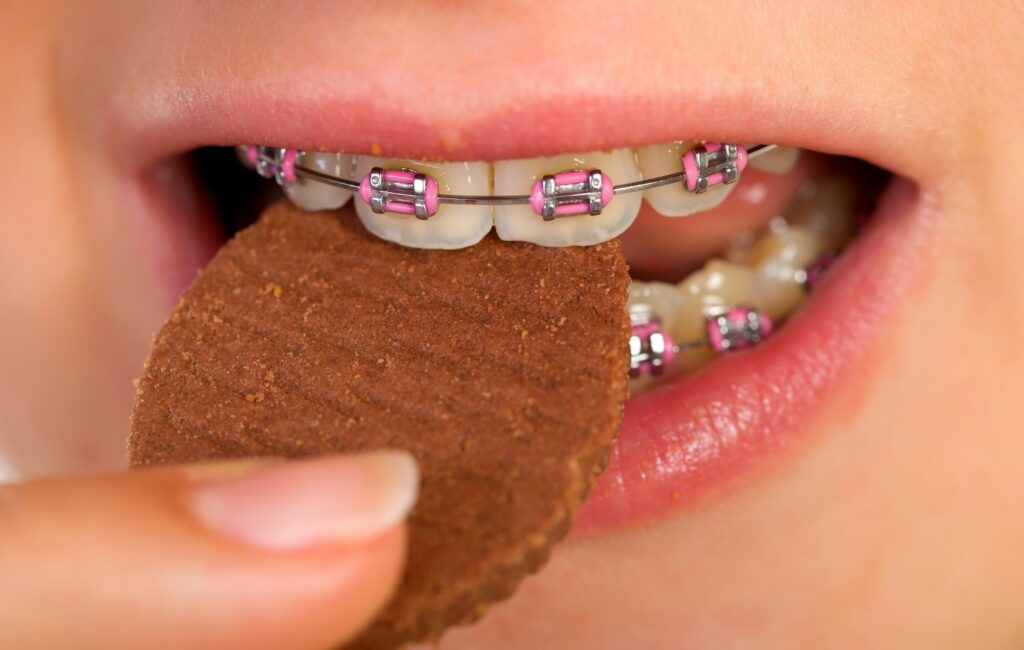
Improving chewing function after teeth correction
Chewing food is one of the most complex functions of the mouth and requires perfect coordination between the jaw, tongue, teeth and facial muscles. When the teeth are not aligned or malocclusion, the patient cannot chew food evenly. This issue puts a lot of pressure on the jaw muscles and the person may feel tired while chewing.
One of the most important positive effects of orthodontics is the significant improvement of the chewing process. When the teeth are in their correct row, the tooth contact is more complete and the food is crushed with less pressure but more force. This makes it easier for the stomach to perform the task of digestion. Therefore, the effect of orthodontics on speech is only one part of the story; Its effects on the health of the digestive system are also important.
In people whose front teeth are forward or backward than usual, it was also difficult to bite food. After the treatment, the act of biting and chopping the food becomes much easier. Many patients report that after teeth correction, eating foods such as sandwiches, fruit or even nuts becomes much easier than before. After
Many patients who have noise before treatment Clicking or chronic pain in the jaw area, they have experienced significant improvement after orthodontics. The reason for this is the reduction of the jaw deviation and the uniform contact of the teeth. When the teeth are placed together, the jaw no longer has to make additional movements to find the right contact point.
In this section, it is not bad to have a closer look at the relationship between the teeth and the jaw joint:
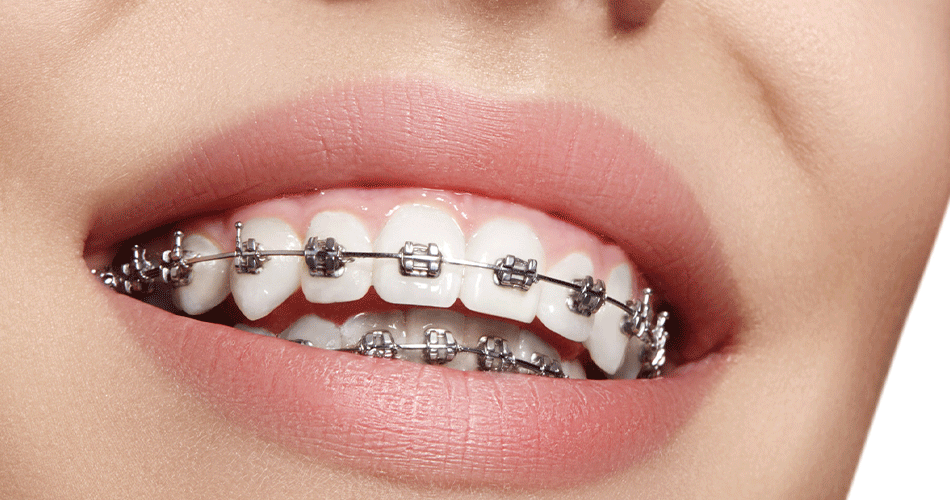
Relationship between dental problems and inflammation of the joint Jaw
| Dental problem | Direct effect on the jaw joint | Possible result |
| Severe crowding of teeth | Abnormal jaw movement during chewing | pain, phonation, jaw fatigue |
| overbite or openbite | imperfect contact of teeth | excessive pressure on jaw muscles |
| sloping teeth | path deviation Locking of the jaw | Locking or restriction of mouth opening |
| Crossbite | Asymmetry of the jaws | TMJ inflammation and frequent headaches |
This table shows that many jaw joint problems are not only the result of stress. Or it is not bad habits, but it is rooted in teeth misalignment. Therefore, orthodontics plays an important role in preventing and treating these problems.
Do brackets cause pain or jaw restriction?
One of the common concerns of patients is that brackets may cause severe pain or restriction in the jaw. The fact is that feeling uncomfortable in the early days is completely normal and the body is adapting to the new changes. The gentle pressure applied by the bracket moves the teeth in the right direction and this movement occurs in the jawbone.
This pressure is never to the extent of causing serious damage or restriction. In most cases, the pain is mild and resolves within a few days. The feeling of heaviness or pressure in the jaw is also transient and disappears after the muscles get used to it.
Orthodontic treatment can even help reduce previous jaw pain, because after the teeth are in the correct position, the jaw muscles are no longer under stress. If the patient had a problem with the jaw joint before the treatment, usually the function of the jaw will improve after the correction of the teeth.
The important point is that the occurrence of severe or continuous pain is not normal, and in such cases, the treating dentist should check the condition of the brackets, the pressure of the wires, or the direction of the teeth. In 90% of cases, these pains are easily controllable and completely predictable.
Speech Conclusion
The impact of orthodontics on speech, chewing and jaw health is much wider than many people think. Although orthodontic treatment usually begins with cosmetic goals, the end result includes improved speech function, reduced jaw joint problems, and increased chewing ability. Speech changes are temporary for the first few weeks, and after language adaptation, speaking becomes even clearer than before. On the other hand, chewing food is done more uniformly and with less pressure, which has significant positive effects on the general health of the body.
If the teeth are not in the correct position, the jaw is forced to perform additional movements, and this is the root of many TMJ problems. By restoring dental order, orthodontics corrects the path of jaw movement and reduces pain and restrictions. Finally, although brackets may initially cause some discomfort, this feeling is temporary and the end result is improved oral function in all aspects.
In general, orthodontics not only improves the appearance of the smile, but also plays an important role in the overall health of the mouth, jaw and even the digestive system. This treatment is a long-term investment for health and quality of life.
Frequently Asked Questions
1. Is speech change permanent after orthodontics? no Speech changes occur only in the first few weeks and become completely normal after the language is adapted to the brackets. In many patients, speech becomes even clearer and more precise after teeth correction.
2. How does orthodontics help to improve chewing? After correcting the teeth, the dental contact becomes more regular and the food is crushed better. Chewing pressure is reduced and the jaw muscles function more harmoniously. This topic is useful for the teeth and even the digestive system.
3. Can orthodontics help with TMJ problems?
yes One of the causes of jaw joint problems is misalignment of teeth. By correcting this inconsistency, additional pressures on the joint will be reduced and pain, noise or movement restriction will be reduced.
4. Is the pain of brackets normal? Slight pain or feeling of pressure is normal in the first few days and will decrease after the body adapts. If the pain is severe or prolonged, a specialist should be consulted.