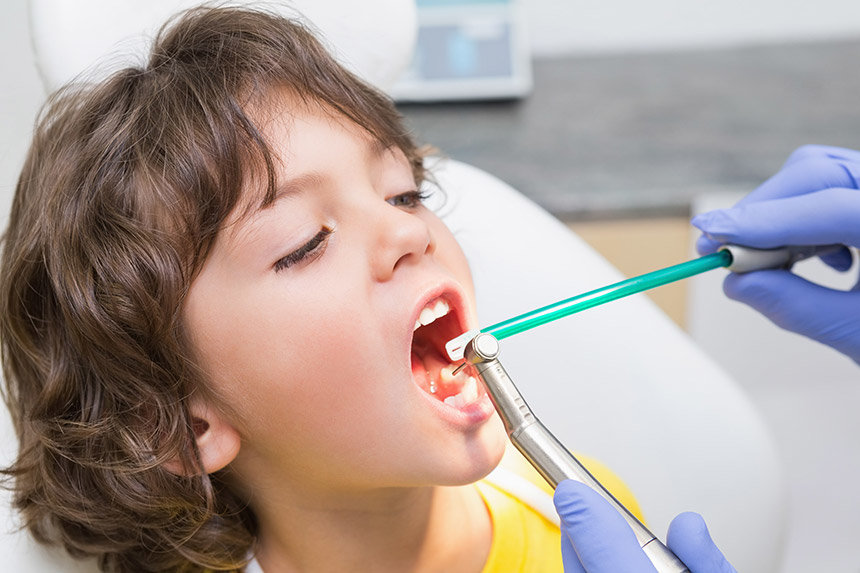


Dental hygiene in children is one of the most important foundations of their general health, and proper care in these years can completely affect a person's dental future. Many parents think that milk teeth are not very important, but this belief is completely wrong. Milk teeth not only play a decisive role in the growth of the jaw, correct chewing, correct speech and facial beauty, but the health of permanent teeth also depends on them. If sufficient care is not taken during this period, decay of milk teeth can lead to pain, infection, loss of appetite and even damage to permanent teeth.
On the other hand, the child's health habits are formed during these years, and if the correct education and correct behavior of the parents are accompanied by it, the child will have healthier teeth until adulthood. In this article, a comprehensive guide is provided for parents to know how they can provide the best possible care for their child from the beginning of milk teeth to the beginning years of school. href="https://drmkhosravi.com/%d8%b9%d9%84%d8%aa-%da%a9%d8%ac-%d8%b4%d8%af%d9%86-%d8%af%d9%8 6%d8%af%d8%a7%d9%86-%da%a9%d9%88%d8%af%da%a9%d8%a7%d9%86-%da%86%db%8c%d8%b3%d8%aa%d8%9f/">cause Crooked children's teeth is another thing that parents should have enough information about.
How to properly clean milk teeth?
Cleaning milk teeth is the first and most basic step in the path of oral health in children. Many parents do not know that this care should start from the very first months of life, even before the first tooth appears in the child's mouth. During the infant period, cleaning the gums with a gauze or a soft, moist cloth can reduce bacteria and prepare the oral environment for the growth of healthy teeth.
When the first milk tooth appears, it is necessary to use a soft toothbrush for children. The toothbrush should be small, soft and suitable for the size of the child's mouth so as not to damage the gums. Children in the early years are not able to brush their teeth properly, and parents should take care of this task until they are about six years old.
The most important thing is that brushing children's teeth should not be done quickly and carelessly, but enough time should be allocated to clean all the surfaces of the teeth well. The amount of toothpaste should be very small, the size of a grain of rice in the beginning of childhood and the size of a pea in older ages.
Some parents are afraid that the child will swallow the toothpaste, but the toothpaste for children is designed for this age and its limited use does not cause a problem. On the other hand, children are used to chewing the toothbrush or rotating it in the mouth like a toy; Therefore, they should be gradually taught to understand that the toothbrush is a tool for cleaning, not for playing.
Oral and dental hygiene in children It will be successful that brushing becomes a daily and pleasant habit for the child. Helping parents with storytelling, music or brushing teeth at the same time can make this experience more interesting. Neglecting to brush your teeth even for a few weeks can cause early caries spots; White spots that are the beginning of a stage that quickly turns into deep decay if not treated.

The role of nutrition and daily habits in oral health Child
Nutrition is one of the main pillars of oral and dental health in children and plays a decisive role from the very early years. Even children who brush their teeth, if their nutrition is unhealthy, the risk of tooth decay is still very high. Sugar, sticky foods, sweets, industrial biscuits and sweet drinks are all the most effective in causing premature decay. Many parents think that industrial drinks with health or vitamin labels are not harmful for children, while these same drinks are full of hidden sugars and make the environment of the child's mouth acidic. Acidification of the mouth is the biggest cause of enamel destruction and the beginning of caries.
One of the most dangerous habits in infants is using a bottle while sleeping. When a child sleeps with a glass containing milk or juice, liquid drops remain in the mouth, and at night when saliva is less secreted, the oral environment becomes a suitable environment for the growth of bacteria. This condition causes widespread caries in the front teeth, which is called "bottle caries".
Instead of this, parents should only give water to the child before going to sleep and after drinking milk, the child's mouth should be cleaned. Daily habits such as nail biting, finger sucking, ice chewing or very hard foods also damage the teeth structure in the long run. A child who is involved with these habits from the very first years, in addition to decay and gum disease, may also suffer from orthodontic problems, because constant pressure causes a gradual change in the shape of the jaw and the displacement of the teeth.
The role of parents is to control these habits slowly, gradually and with encouraging methods and never punish the child in these cases, because tension will only make these habits more severe.
Warning signs of decay that parents should know
Tooth decay in children usually begins silently, and many parents find out when the decay has entered advanced stages. For this reason, recognizing the early symptoms plays an important role in preventing more severe injuries. The first signs usually appear in the form of chalky white spots on the tooth surface. These spots indicate the beginning of the enamel destruction process, and if treated at this stage, the tooth can still be repaired and strengthened.
But ignoring it will cause these stains to yellow, brown and eventually turn into rotten cavities. Another symptom is the sensitivity of the child's teeth to sweets or cold. If a child feels pain or discomfort after eating ice cream or chocolate, the possibility of caries is very high.
Some children show anorexia when eating or suddenly refuse to eat certain foods due to fear or inability to explain their pain. These behaviors may be caused by hidden toothache. Changing the color of the gums, bad breath, and the child complaining when brushing are also signs that should be taken seriously.
More advanced decay may cause swelling of the gums, infection, and even fever. If decay in baby teeth is not treated, bacteria can penetrate the root of the tooth and can damage the permanent tooth underneath. Therefore, recognizing these symptoms and going to the dentist quickly can prevent wider problems.
Oral and dental hygiene in children is not only limited to brushing, but careful attention of parents to these symptoms and quick reaction to them is also part of this important responsibility. Treatment
The best age for a child to visit Dentist
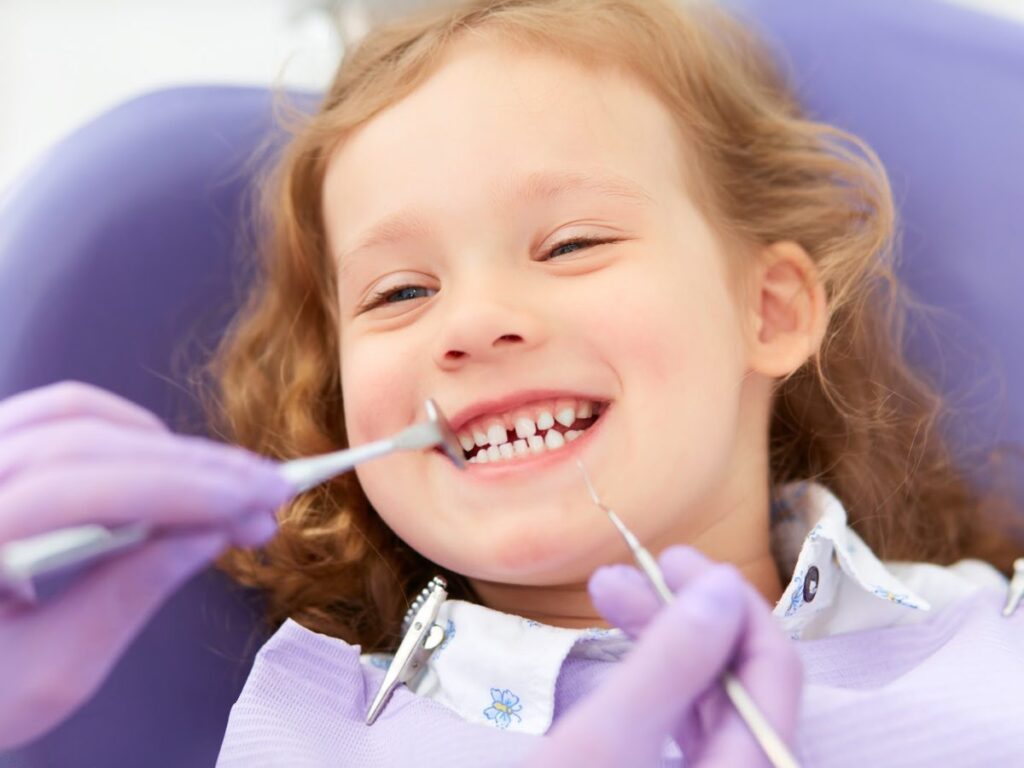
When the child visits the dentist is one of the common questions of parents. Many of them think that the child should visit the dentist when his teeth are complete or when symptoms of pain and problems appear. While the best time for the first visit is between six months and one year old; That is, right when the first milk teeth appear in the mouth.
This early visit has two important goals, firstly, the condition of teeth and gum growth is checked by a specialist, and secondly, parents receive proper training about cleaning the child's teeth. At this age, the dentist can predict many future problems.
For example, if a child has a habit of finger sucking Or the connection of the sublingual cord (ligament frenum) is too short, these problems affect speech and jaw development, and early diagnosis can prevent further complications. Also, many parents do not know when they should start using toothpaste or how a child's diet affects caries.
Seeing a dentist at this age is a good opportunity to correct these beliefs. After the first visit, it is recommended that the child be examined every six months. These periodical examinations help detect any kind of change, stain or decay in the very early stages and provide quick, simple and painless treatment. Positive communication with the dentist is one of the important factors in oral health in children, because if the child has a calm and pleasant experience, he will cooperate more in the future to take care of his teeth.
Concluding remarks
Children's oral health directly affects their physical health, mental development and quality of life. If parents start taking proper care of teeth from the very first days of life, the possibility of tooth decay and dental problems will be minimized. Paying attention to the correct method of cleaning baby teeth, awareness of the role of nutrition and daily habits, recognizing the early signs of decay and visiting the dentist on time are all part of the comprehensive process of oral and dental hygiene in children. These cares not only prevent pain, cost and complex treatments in the future, but also ensure a healthy and beautiful smile for years. Children who learn good hygiene habits from the beginning will have a healthier lifestyle as adults.
Frequently Asked Questions
- Do milk teeth need treatment even if they fall out?
yes Baby tooth decay can cause pain, infection, and damage to the permanent tooth underneath. Not treating it is a big mistake. - How many times a day should you brush your child's teeth?
Twice a day is enough, one in the morning and one before bed. The time before sleep is more important because the saliva in the mouth decreases and the chances of decay increase. - Is it necessary to use dental floss for children?
If the space between the child's teeth is closed, dental floss is necessary. In young children, parents should use dental floss for them.