
What is fallopian tube closure and how is it done?
There are various methods to prevent pregnancy, most of these methods are temporary; For example, emergency contraceptive pills that should be taken immediately after sex.
Many women, due to various conditions and reasons, decide not to get pregnant forever, for this purpose temporary methods are troublesome and boring.
So it is recommended to close the fallopian tubes
Emergency and temporary methods do not work to prevent pregnancy permanently, and a method that provides peace of mind should be resorted to. Sometimes pregnancy is associated with danger for women and the doctor recommends that a person avoid pregnancy, in these cases the method of closing the fallopian tube will be useful for these people.
Closing the fallopian tube is a permanent way to prevent pregnancy and it is done through surgery, which we will introduce below.

Closing the fallopian tube
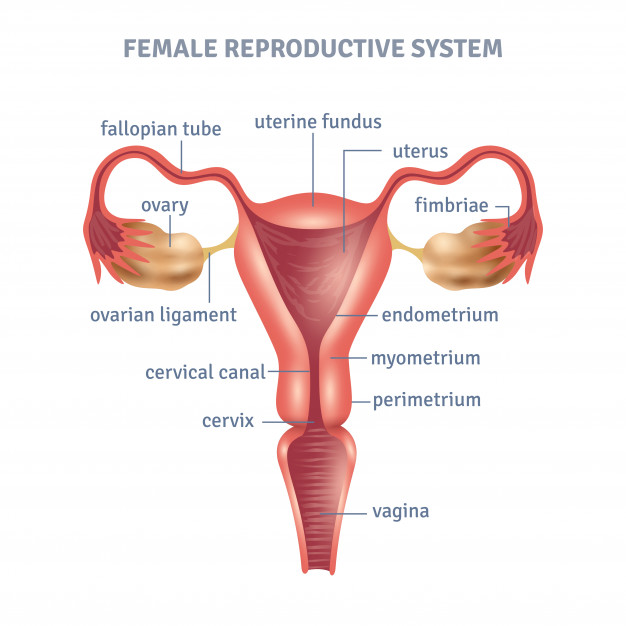
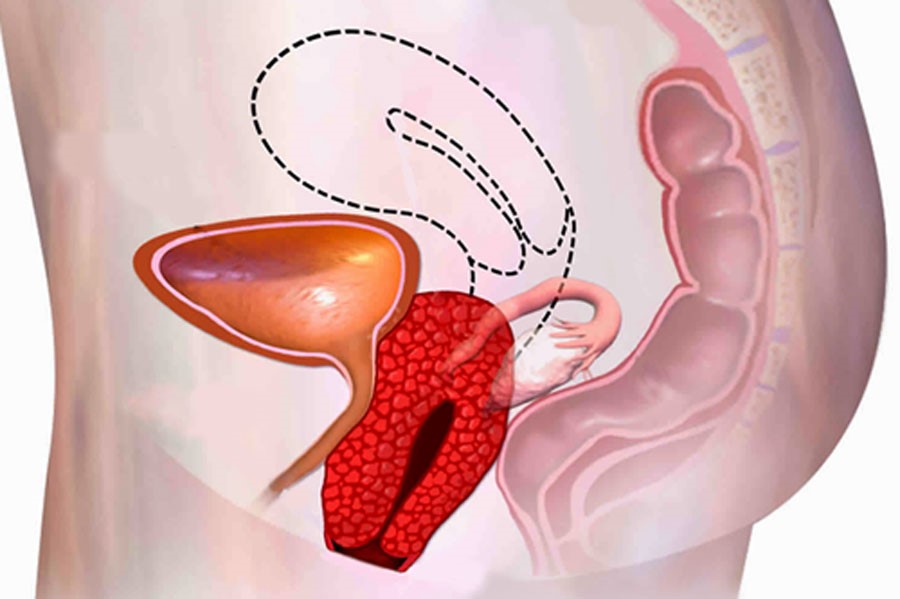
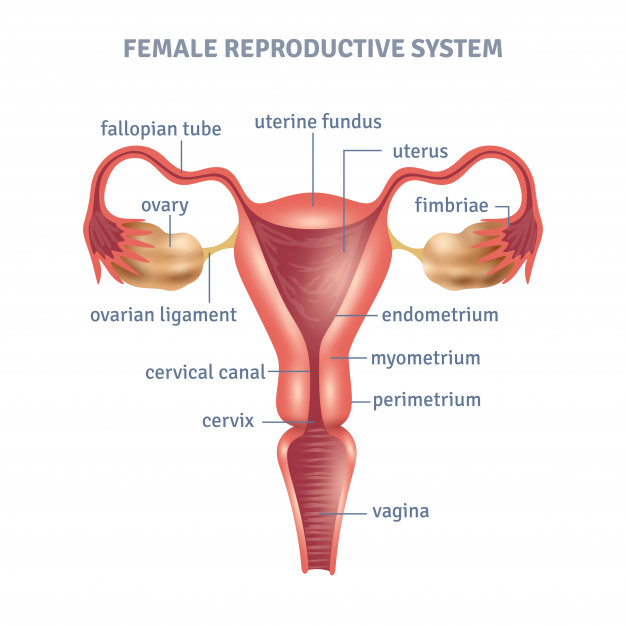
Fallopian tubes or uterine tubes are actually female reproductive organs that are responsible for connecting the ovary and uterus. Closing the fallopian tube is a form of permanent pregnancy prevention.
By performing this operation, the fallopian tubes are closed or actually blocked to reduce the possibility of pregnancy to zero. When the fallopian tube is closed, it is not possible for the eggs to move from the ovary through the fallopian tubes.
Also, in this method, sperm cannot enter the uterine tube. Note that the tubal ligation procedure will not have any detrimental effect on your menstrual cycle.
However, in experience, a number of women experience changes in the menstrual cycle after closing the tube.

Terms of closing the fallopian tubes
This operation is not limited to a specific time and it can be done in any situation, even after a natural delivery "7 to 42 days after delivery".
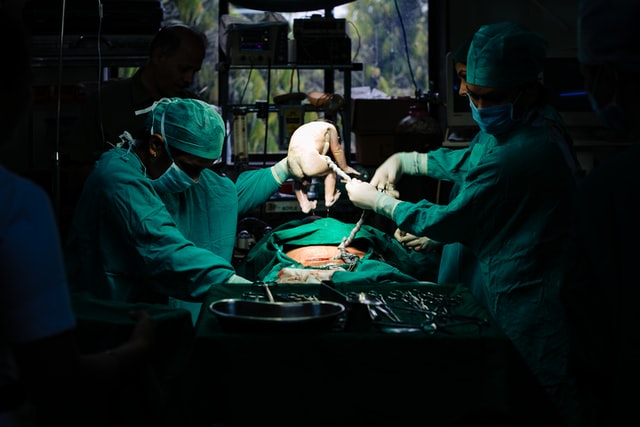
During the cycle Menstruation, especially its first two weeks, is the perfect time to close the fallopian tubes. It is also possible to close the tubes when you are being operated for cesarean birth.
People who have this procedure usually cannot go back to the condition they were in before the tubal ligation. However, there are surgical methods for this purpose, but due to damage to the tubes, pregnancy may be difficult or never possible.

After closing the fallopian tubes you will no longer need to control and prevent pregnancy. It is important to note that this action does not mean protecting the body against all kinds of infections and sexually transmitted diseases.
One of the advantages of this method is reducing the risk of ovarian cancer.
Although closing the fallopian tube is an effective way to prevent pregnancy, but because it is done through surgery, the conditions for doing it will not be the same for everyone. Before this operation, you should consult a specialist doctor to reduce possible risks.
For example, the operation of closing the fallopian tube for people who have had a history of pelvic or abdominal surgery, people who have obesity or diabetes, may be accompanied by complications.

Fallopian tube or uterine tube closing procedures
Closing the fallopian tubes is done in two general ways: abdominal and vaginal. Abdominal procedure is performed with three different operations: laparoscopy, laparotomy and mini-laparotomy.
also in the vaginal method, this operation "Hysteroscopy" through special cameras "Hysteroscope", which is sent through the cervix, is performed.
Laparoscopy and mini-laparotomy methods are common methods for closing the fallopian tubes, which are used more than other methods.
Laparoscopy surgery
This surgery is possible in two forms: local anesthesia in the spinal cord area and complete anesthesia. To create a gap between the abdominal walls and the uterus, the inside of the abdomen is filled with carbon dioxide gas.
After this step, the surgeon makes two incisions on the patient's lower abdomen to insert the laparoscope device and uses the other incision to close the uterine tube.
After making small incisions of 2 to 3 cm, the surgeon removes a part of the tube and burns it or blocks the tube with a tool such as thread, ring, and special clips.
The duration of the operation to close the fallopian tubes compared to the surgical method is estimated from half an hour to several hours.

Important points before closing the fallopian tubes
Note that before the fallopian tube closure procedure, consult your doctor about the medications you are taking.
Certain medications such as anticoagulants, anti-inflammatories or taking medications such as aspirin and ibuprofen may affect laparoscopic surgery.
Note that at least 8 hours before the operation, avoid eating and drinking.
Before the operation, it is necessary to perform an examination and tests such as blood pressure control, pap smear test, blood test, etc.
Post-operative conditions
According to your physical condition and your body's reaction to anesthesia, there is a possibility of staying overnight in the hospital.
After the surgery, you may feel pain or throbbing in the area where the incision was made, which will decrease and disappear after one to two days. Dizziness, shoulder pain, abdominal bloating and fatigue are other complications after the operation. You usually need a week to resume your normal activities.
If these things happen after the operation, you should immediately go to your doctor or the hospital and take the necessary measures for treatment.
- Severe and continuous pain in the abdominal area
- wound bleeding
- diarrhea
- feeling lethargic and weak
- spotting during menstruation and heavy vaginal bleeding
- feeling tired
- Unpleasant smell coming out of the wound area
- nausea and vomiting
- Disturbance in urination
- cough and shortness of breath
- increase in body temperature "fever 38 degrees or more"

Post-operative care
- It is helpful to do light activities to reduce the risk of blood clots. Of course, keep in mind that for post-operative care, ask your doctor for advice.
- Wearing loose clothes after the operation also provides comfort and convenience for you.
- Alcohol and carbonated drinks up to 24 hours after the operation may cause complications for the patient.
- Also, a person should not drive for at least 24 hours.
- Note that having sex is prohibited until one week after the operation.
- Wash and dry the surgical wound area with soap and water.
- Avoid eating heavy foods after the operation.

In what circumstances can we not perform the operation of closing the fallopian tubes?
- History of acute heart disease
- Suffering from pelvic inflammatory diseases and pelvic cancer
- suffering from pulmonary embolism or deep vein thrombosis
- infectious abortion
- severe weight gain
- History of multiple abdominal and pelvic surgeries and severe adhesions

Operation of uterine tube closure in Karaj
Dr. Maryam Gholampour is one of the specialists in gynecology, childbirth and infertility in Karaj. Dr. Gholampour is a graduate of Shahid Beheshti University of Medical Sciences during the period of general medicine and received his specialized board in obstetrics and gynecology from Tehran University of Medical Sciences.
Dr. Maryam Gholampour has expertise and experience in the field of gynecological diseases and infertility for more than 7 years.
For an in-person visit, you can visit his office at the Taleghani intersection in Karaj.
For more information and questions related to fallopian tube closure, call 09014637600.
Closing the fallopian tube or uterus is a safe and effective way to prevent pregnancy again; But as we mentioned, this action may not be equally useful for everyone.
If getting pregnant endangers your health, if your age is not suitable for getting pregnant and you do not intend to have children again; Closing the fallopian tubes is the best option to prevent pregnancy.