Nail stain is one of the common nail problems that can appear white, yellow, green, brown or black. These spots are sometimes harmless and sometimes they can be a sign of internal diseases or local infections. Knowing the cause of the stain on the nail helps in correct diagnosis and effective treatment. Various factors such as trauma, lack of vitamins, fungal infection or skin problems play a role in creating these spots. Paying attention to the color, shape and location of the stain is very important. In this article, we will discuss the causes, diagnosis and treatment of nail spots from your doctor.
What is the cause of white spots on nails?
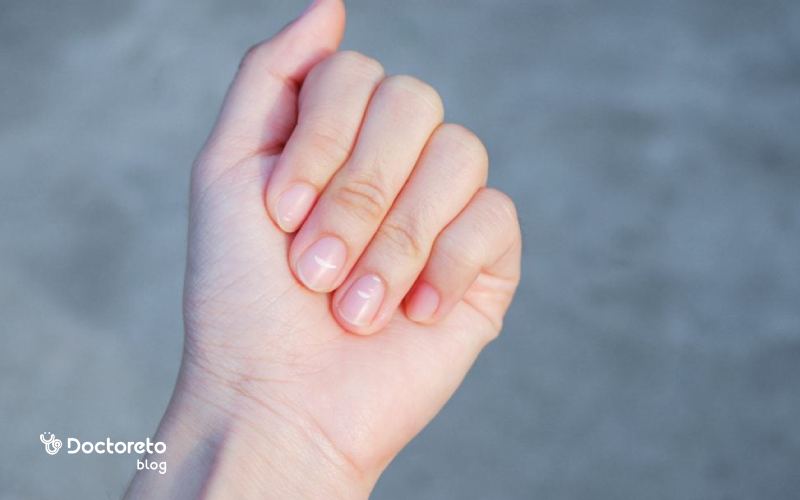
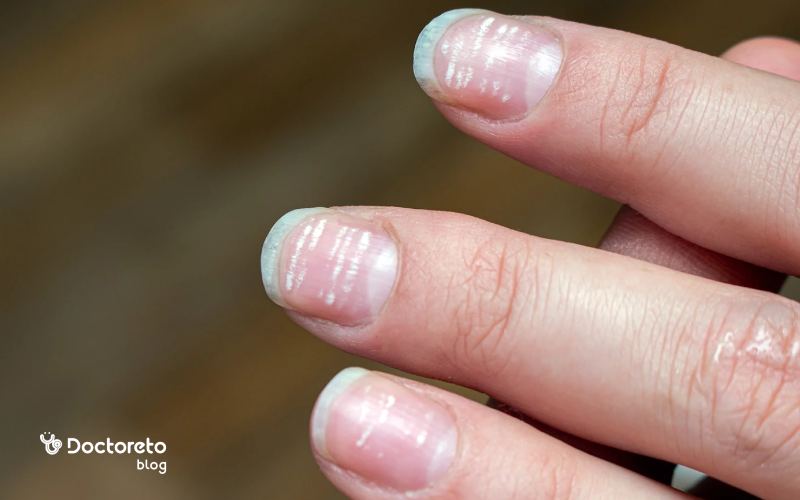
The white spot on the nail is usually caused by a slight blow to the nail root that a person may not notice. These spots are often harmless and disappear gradually as the nail grows. The lack of some minerals can also contribute to the appearance of white spots. Constant use of varnish and strong chemicals are also common factors. In rare cases, white spots can be a sign of allergies or skin problems. If the spots are persistent or widespread, a medical examination is recommended.
If the spot is dark, changes in size, painful, or persists for a long time, it is necessary to see a doctor.
1. Stain on toenail
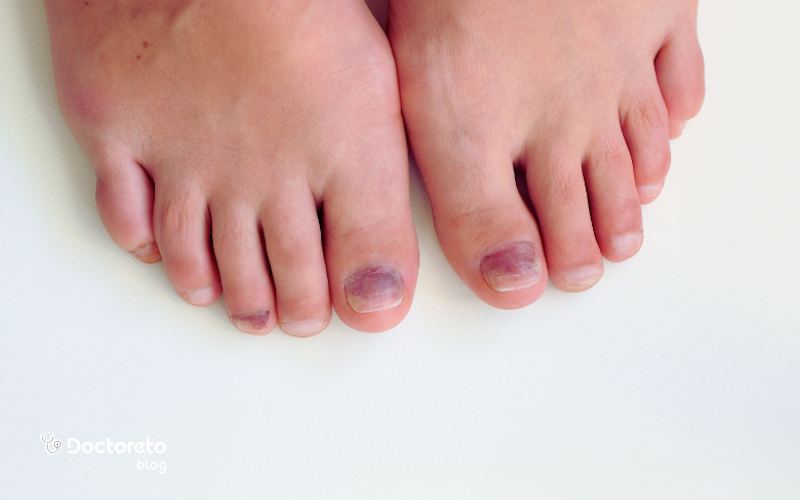
Stains on toenails are often caused by improper shoe pressure, trauma, or fungal infection. High humidity and foot sweat provide a suitable environment for the growth of fungi. These spots may be white, yellow or brown and sometimes accompanied by thickening of the nail. Neglecting foot hygiene can aggravate the problem. In case of persistent discoloration or pain, a doctor should be consulted. Early treatment prevents the progress of the infection.
English text: A common nail fungus called white superficial onychomycosis can appear on your toenails. The first sign of the infection may be a few small white dots on your nails. The infection can grow and spread to your nail bed. Toenails may appear white and flaky at first and then become thick and brittle. Persian translation: A common nail fungus called superficial white onychomycosis can appear on toenails. The first sign of this infection may be a few small white spots on the nails. This infection can grow and spread to the nail bed. At first, the nails may appear white and scaly, and gradually become thick and brittle.
2. The stain on the fingernail
Stains on fingernails are mostly caused by contact with chemicals, nail polish and daily impacts. Lack of vitamins can also be effective. These spots are usually white or pale. Excessive hand washing without proper protection also plays a role. Most of these spots are not dangerous and will go away on their own. However, their continuity needs to be investigated.
What is the cause of black and dark spots on nails?
A black and dark spot on the nail can be caused by various reasons and it is not always safe. One of the most common causes is a blow or pressure on the nail, which causes bleeding under the nail. nail fungus or bacterial infections may also cause nail discoloration.
In some cases, the use of certain drugs or contact with chemicals can cause such spots. Dark nail spots usually have local or medicinal causes, and vitamin deficiency is not a common or proven cause. Sometimes a dark spot can be a sign of systemic diseases. In rare cases, a black spot on the nail may be a sign of melanoma under the nail, which requires immediate medical attention.
What is the cause of yellow and green spots on nails?
Yellow and green spots on nails are usually caused by fungal or bacterial infections, the most common of which is nail fungus. As one of the complications of nail extensions, the growth of nail fungus or bacteria such as Pseudomonas can also cause a green color in the nail, especially planted or moistened in the nails.
Long-term use of nail polish, artificial nails, and strong chemicals also play a role in changing nail color. Certain skin diseases such as nail psoriasis and liver disorders can also cause yellowing of nails. If the stain persists or is accompanied by thickening, bad smell or pain, it is recommended to see a doctor.
Is a stain on a child's nail dangerous?
The stain on a child's nail is not dangerous in most cases and is usually caused by mild trauma, lack of certain vitamins or behavioral habits such as nail biting. However, if the spots are dark, enlarged, or accompanied by pain and changes in the shape of the nail, they need medical attention.
Some fungal or bacterial infections can also cause nail discoloration in children. If the spot is accompanied by general symptoms such as fever or weakness, it should be investigated more seriously. Early diagnosis by a doctor helps to prevent possible complications.
Diagnosis of the cause of spots on nails
Determining the cause begins with a careful examination of the color, shape and location of the stain on the nail. The doctor usually reviews the person's history of trauma, previous infections, and underlying diseases. The type of nail color change can be a sign of vitamin deficiency, fungal infection or internal body problems.
In suspicious cases, a nail sample is tested to detect fungus or bacteria. Blood tests may also be ordered to check for anemia or metabolic disorders. It is also important to check the drugs used and contact with chemicals. Accurate diagnosis of the cause of the complication helps to choose an effective treatment.
Color changes and stains on the nails
The causes of their occurrence
White spots on the nails
Slight blows to the nail root, lack of zinc or calcium, constant use of varnish and chemicals, sensitivity or skin problems
Stains Dark or black on the nail
Strike and bleeding under the nail, infection, drug use, chemical contact, vitamin deficiency, blood disorders or systemic diseases
Yellow spot on the nail
Fungal infection, long-term use of nail polish or artificial nails, skin diseases or liver disorders
Green spot on the nail
Bacterial growth especially in Wet or ingrown nails
Stain on toenail
Improper shoe pressure, impact, moisture and sweat, fungal infection
White fungal spot on toenail
Superficial onychomycosis with white spots beginning and progressing to thickening and brittle nail
Stain on fingernail
Contact with materials Chemical, nail polish, everyday injuries, lack of B group vitamins
stains on a child's nails
mild impact, vitamin deficiency, nail biting or infection
In this table, all the causes of nail stains are examined.
Methods to treat nail spots
Treatment methods depend on its cause and the source of the problem must be identified first. In case of fungal infection, the use of topical or oral antifungal drugs is recommended. If the stain is caused by a lack of vitamins or minerals, it is effective to modify the diet and take supplements.
In cases where the impact is the cause of the stain, usually the problem is gradually resolved with the growth of the nail. Avoiding strong chemicals and using gloves for household work will help recovery. Maintaining nail hygiene and keeping them short plays an important role in treatment and prevention.
1. Drug treatment of nail spots
Drug treatment is usually used for spots caused by fungal or bacterial infection. Medications can be topical or oral. The choice of drug depends on the severity and type of infection. The treatment period may last from several weeks to several months. Stopping the drug early will cause the problem to recur. The use of medicine should be under the supervision of a doctor.
2. Home treatment of nail spots
Some home remedies can help improve mild blemishes. Using tea tree oil, apple cider vinegar or olive oil is one of the common methods. These methods have more of a supportive role and do not have conclusive evidence and should not replace medical treatment. Maintaining hygiene and keeping nails dry is essential. Home remedies are not a substitute for medical treatment in serious cases. If there is no improvement, you should see a doctor.
Definitive treatment depends on the cause of the spot and can include drug treatment, modification of habits or waiting until the nail grows.
prevention of stains on nails
To prevent nail stains, it is very important to keep your hands and feet healthy and keep your nails dry. Using gloves when working with detergents and chemicals prevents nail damage. Keeping nails short and neat reduces the risk of fungal and bacterial infections.
Healthy nutrition and sufficient intake of vitamins and minerals such as iron and zinc help nail health. Avoid long-term use of nail polish and artificial nails without rest. It is also recommended to see a doctor if you see any unusual or permanent discoloration.
English text: Protect your nails. Use protective gloves when doing activities that may damage your fingernails, including playing sports, working outside or using tools like a hammer. Wear comfortable and protective shoes, and be careful when putting down heavy objects near your feet. Persian translation: Protect your nails. Wear protective gloves when performing activities that may damage nails, such as exercising, working outdoors, or using tools such as hammers. Also, wear comfortable and protective shoes and be careful when placing heavy objects near your feet.
Conclusion
Stains on nails can be caused by trauma, infection, vitamin deficiency or underlying diseases, and accurate diagnosis is essential for effective treatment. Treatment methods include topical and oral medications, nutrition modification, and nail hygiene. Prevention is possible by taking care of nails, using gloves and limiting contact with chemicals. In children and in cases where the spot is dark or abnormal, medical follow-up is very important. In general, paying attention to nail health and checking its changes in time can prevent serious problems.
Your doctor takes care of your health!
Frequently Asked Questions
The definitive treatment of a stain on the nail depends on its cause and can include drug treatment, nutritional correction, or removal of the traumatic factor. Some stains are also removed with the natural growth of the nail and without special treatment.
No, a stain on the nail is not always a sign of disease and is often caused by trauma, pressure or environmental factors. However, some spots may be a sign of underlying problems.
If the nail spot is dark, painful, spreading, or without a history of trauma, you should see a doctor did Also, the long lasting stain or nail shape change needs to be investigated.
I have started my activity in the field of content production and management since 1995 and I am always eager to face new job opportunities. Getting to know a different world in different fields such as medicine and health also encourages me to follow a healthy lifestyle. That's why I started working with your doctor.