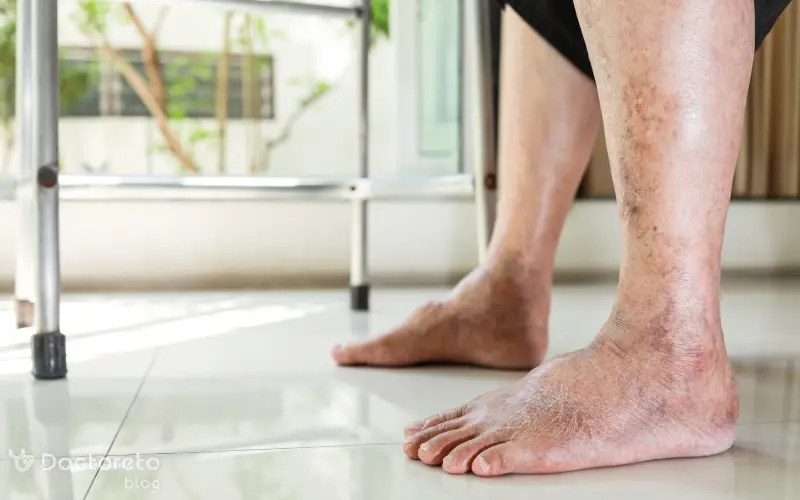
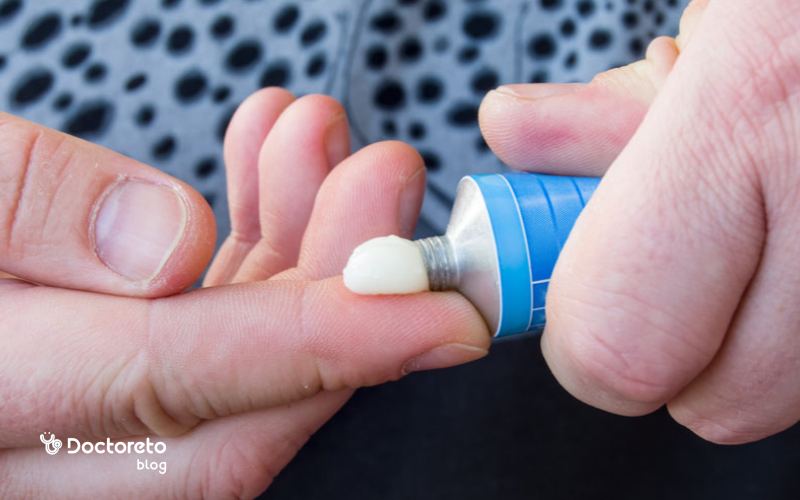
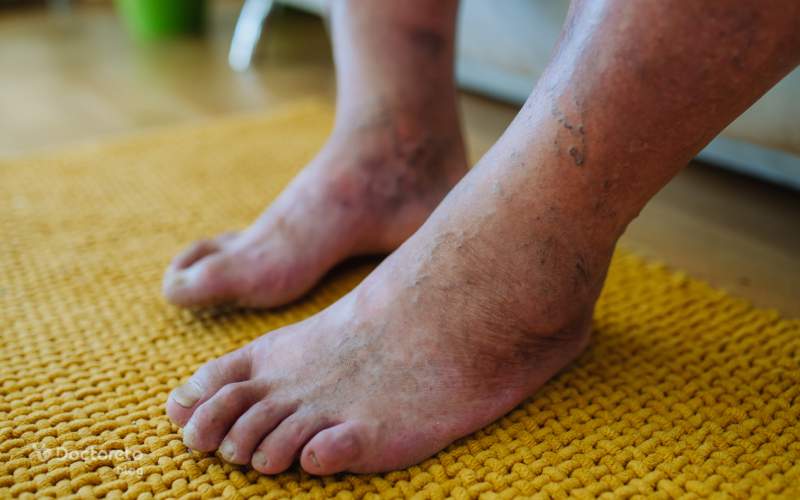
Diabetic foot ulcer is one of the common complications of diabetes, which can have serious consequences if neglected. Many patients are looking for natural remedies and home remedies to help the wound heal. home treatment of diabetic foot ulcer can play an important supportive role along with medical treatment. These methods focus more on proper care, hygiene, stress reduction and use of natural ingredients. Of course, the treatment of diabetic foot ulcers at home requires awareness and compliance with safety principles. In this article, effective and safe methods of home treatment are discussed from your doctor.
Are home remedies for diabetic foot ulcers safe?
Home treatment for diabetic foot ulcers is safe if used as a supplement to medical treatment. These methods can be useful for superficial and mild wounds and speed up the healing process. However, in deep, infected or chronic wounds, home treatment alone is not enough. Also, there is no definitive evidence for their clinical recommendation.
Failure to correctly diagnose the severity of the ulcer can cause a delay in diabetic foot ulcer treatment. It is necessary to observe hygiene, monitor wound changes and visit the doctor regularly. Therefore, the safety of home treatment depends on the knowledge and proper care of the patient.
Consumption of sufficient protein helps in tissue regeneration and vitamins such as vitamin C and E are effective in skin repair.
Important principles of home treatment of diabetic foot ulcer
The principles of home treatment of diabetic foot ulcers are based on continuous care and prevention of infection. The first principle is to keep the wound clean and prevent germs from entering. Reducing the pressure on the foot and the wound plays an important role in healing. Blood sugar control is also considered one of the most important effective factors in wound healing. It is necessary to use a suitable dressing and change it regularly. Observance of these principles makes treating diabetic foot ulcers at home safer and more effective.
Home treatment method
Brief description of application method
Keeping the wound clean
Gently washing the wound daily with saline serum or clean water, without using alcohol or caustic substances
Sterile dressing
Covering the wound with sterile gauze or Proper dressing and regular change (daily or according to wound discharge)
Reducing pressure from the foot
Resting the foot, avoiding long standing and using medical shoes or slippers at home
Blood sugar control
Regular measurement of blood sugar, correct use of medications and adherence to a suitable diet for diabetes
Review Foot Daily
Daily observation of wound, discoloration, discharge, or abnormal odor for early detection of infection
Keeping the wound dry
Gently drying the wound after washing, especially between the toes
Moisturizing the healthy skin around the wound
Use moisturizer only on the healthy skin around the wound (not on yourself wound)
Proper nutrition
Consumption of adequate protein, vitamin C, zinc and fluids to help tissue repair
Avoid irritants
Do not use betadine, alcohol, unknown herbal medicines or arbitrary treatments
See a doctor if the wound changes
In case of redness, purulent discharge, Bad smell, fever or lack of improvement in a few days
In this table, the methods of managing and treating diabetic foot ulcers at home are reviewed.
1. Reducing the pressure on the wound
Constant pressure when walking or standing can slow down the wound healing process. Using diabetic shoes or appropriate medical shoes helps to distribute the weight evenly. Resting the leg and keeping it elevated is also effective. If possible, long-term standing should be avoided. Reducing the pressure helps prevent the spread of the wound and the creation of new wounds.
2. Correctly washing the diabetic foot wound and keeping it clean
The wound should be washed with saline solution or mild alcohol-free solutions so that the healthy tissue is not damaged. After washing, the wound should be dried slowly and contact with contamination should be avoided. Keeping the area around the wound clean is also very important and prevents the development of infection. Observing these tips will create the right environment for tissue repair and wound healing.
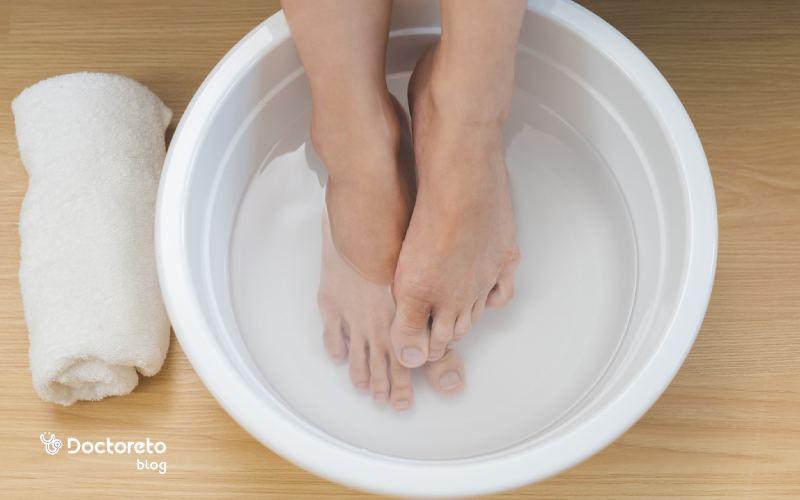
English text: A warm water foot soak helps to increase blood circulation, relax the muscles, and offer momentary comfort. The calming effect can be increased by adding epsom salt to the water. However, do not keep them for a long time, as they can dry out your feet. Use talcum powder to soak out the water, and avoid using lotion between the toes. Farsi translation: Soaking feet in warm water helps to increase blood flow, relax muscles and create temporary comfort. Its soothing effect can be increased by adding Epsom salt to the water. However, do not keep your feet in water for too long, as this will dry out the skin. After soaking, use talcum powder to absorb the remaining water and avoid using lotion between the toes.
3. Safe and clean dressing
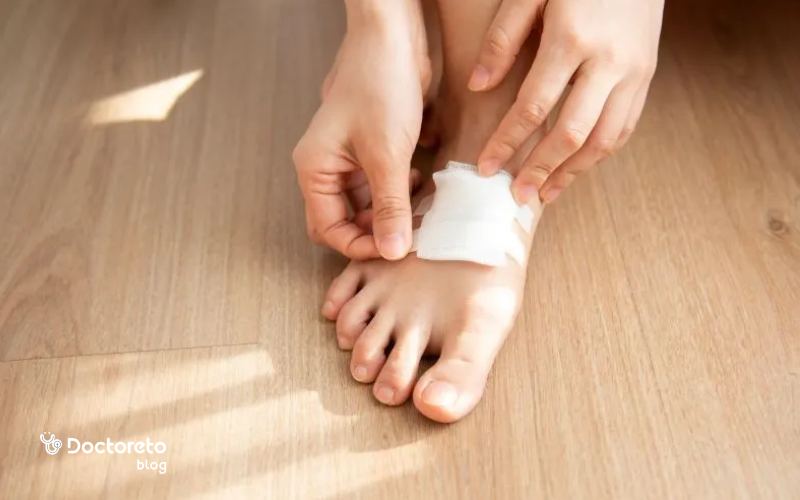
Safe and clean dressing protects the wound from contamination and trauma. The dressing should be sterile and selected according to the amount of wound secretion to provide a suitable environment for healing. Changing the dressing regularly prevents the growth of bacteria and reduces the risk of infection.
How to dress a diabetic foot ulcer It should not be too dry or too wet, as both can slow down the healing process. It is mandatory to use sterile gloves during dressing so as not to infect the wound. Compliance with these principles increases the safety and effectiveness of diabetic foot ulcer treatment at home.
The wound should be washed with saline or mild solutions without alcohol.
4. Blood sugar control and underlying factors
High blood sugar slows tissue repair and increases the risk of infection. It is necessary to take medicines regularly and follow a proper diet. Controlling blood pressure and blood lipids is also important. Management of these underlying factors improves blood flow in the leg. As a result, the process of home treatment of diabetic foot ulcer will be more effective.
Natural substances commonly used in the home treatment of diabetic foot ulcers
In the home treatment of diabetic foot ulcer, some natural substances can accelerate the healing process and be used as a supplement to medical treatment. Natural honey is one of the most widely used ingredients due to its antibacterial and restorative properties. Olive oil can soften the skin around the wound and prevent cracking.
Aloe vera also has anti-inflammatory and moisturizing properties and helps tissue regeneration. The use of mild herbs such as chamomile or green tea helps to reduce local inflammation. Observance of hygiene and correct use of these natural ingredients is essential for effectiveness and safety.
English text: Recent studies have shown that Royal jelly when used for dressing diabetic foot wounds, can have miraculous effects. Royal jelly has antioxidant, antibacterial, and anti-inflammatory properties. Therefore, it reduces the pain while protecting the wound from infections. Royal Jelly also increases the rate of cell growth, thereby aiding faster healing of the wound. Persian translation: Recent studies have shown that royal jelly can have amazing effects when used for dressing diabetic foot wounds. Royal jelly has antioxidant, antibacterial and anti-inflammatory properties. Therefore, it reduces the pain of the wound and at the same time protects the wound from infection. Royal jelly also increases the rate of cell growth and thus helps in faster wound healing. (There is no definite evidence about this.)
The role of nutrition and diet in the treatment of diabetic foot ulcers
Proper nutrition can enhance the effect of diabetic foot ulcer home treatment at home. Adequate consumption of protein helps to regenerate tissues and repair damaged skin. Vitamin C, vitamin A and zinc are essential micronutrients for healing wounds and strengthening the immune system.
Controlling the consumption of carbohydrates and avoiding simple sugars helps to maintain blood sugar balance. Drinking enough water also improves blood circulation and delivers nutrients to the wound. In general, a healthy and balanced diet plays a complementary and effective role in the treatment of diabetic foot ulcers.
dangerous mistakes in the home treatment of diabetic foot ulcers
Some mistakes in diabetic foot ulcer care can increase the risk of infection. Arbitrary use of irritants such as alcohol or betadine can damage healthy tissue. It is very dangerous to ignore the signs of infection such as purulent secretions, redness or severe swelling.
Putting pressure on the ulcer by wearing ill-fitting shoes or standing for long periods of time can spread the ulcer. Not changing the dressing regularly also provides a suitable environment for the growth of bacteria. Avoiding these mistakes is essential for safety and speeding up wound healing.
Conclusion
home treatment of diabetic foot ulcer can play an effective role alongside medical treatment. Observance of hygiene principles, pressure reduction, blood sugar control and use of natural substances help to heal the wound. Diabetic foot ulcer treatment at home should not replace specialized treatment. Awareness and accuracy in home care is very important. If you see warning signs, you should see a doctor immediately. The combination of medical and home treatment brings the best results.
Your doctor takes care of your health!
Frequently Asked Questions
No, home treatment of diabetic foot ulcer has only an auxiliary role and should not replace medical treatment. Failure to see a doctor can cause the infection to progress and increase the risk of serious complications.
Natural honey is one of the most effective natural substances due to its antibacterial properties and Renovator is used. However, its use should be done hygienically and with the doctor's opinion.
I have started my activity in the field of content production and management since 1995 and I am always eager to face new job opportunities. Getting to know a different world in different fields such as medicine and health also encourages me to follow a healthy lifestyle. That's why I started working with your doctor.