آیا تا به حال با کسی برخورد کردهاید که رفتارهایش برایتان غیرقابل پیشبینی، پرتنش یا حتی آزاردهنده باشد؟ در چنین شرایطی، ممکن است با فردی روبهرو باشید که مبتلا به اختلال شخصیت است. اختلالات شخصیت الگوهای رفتاری ناکارآمدی هستند که میتوانند زندگی فرد و اطرافیان او را از اساس دچار مشکل، چالش و تنش کنند. به همین دلیل، لازم است افراد درکی کلی از انواع اختلالات شخصیت، علائم، دلایل بروز، روشهای تشخیص و درمان اختلالات شخصیت داشته باشند. In the rest of this article, we will learn more about the types of personality disorders and the best ways to treat these disorders. class="lwptoc_item"> What is personality disorder and how is it diagnosed?

مقاله تخصصی
The worst type of personality disorder Types, symptoms and diagnosis methods
4 days ago
479 بازدید

Dr. Reza Bahadur
MashhadOrthopedic specialist
What is a personality disorder and how is it diagnosed?
Simple Let's say: Personality disorder is a mental health problem with pervasive patterns that has a negative and direct effect on thoughts, feelings and interpersonal relationships. This problem remains constant over time and affects the person's identity and lifestyle by disrupting a person's life, work, and relationships.
Definition of Personality Disorder
Personality disorder is a stable and long-term pattern of thinking, inner feelings, and behavior that differs from the usual, accepted, and expected behaviors in society. This pattern is often identified from adolescence and has a negative effect on a person's personal relationships or social life in the long run. In most cases, the dry and inflexible behavior of a person with a personality disorder seems normal and normal. In fact, a person with a personality disorder often does not realize how his actions and behavior create problems for himself and others.

clinical diagnosis criteria
Personality disorder is diagnosed based on the observation of a person's behavior by a specialist such as a psychiatrist or psychologist over time; Therefore, a specific event or a short or severe period cannot indicate a person's personality disorder.
The specialist examines the patient's behavior, thoughts and feelings over a relatively long period of time to make sure that the person's personality pattern is stable and is not caused by another mental problem such as substance abuse or physical injury. Because long-term examination of the person's behavior is difficult or the patient may not have enough knowledge, the specialist often takes help from family, friends or social organizations to get a more complete picture of the person's behavioral history.
For a better diagnosis, standard frameworks such as the Diagnostic and Statistical Manual of Mental Disorders (DSM-5) are used. In this comprehensive guide, 10 different types of personality disorders are grouped into three main clusters based on common characteristics. For a more accurate diagnosis, the specific characteristics of each type of personality disorder must disrupt the normal course of at least two of the following four cases:
- Cognition: that is, the way a person thinks and understands himself, others, and his surroundings
- Emotions: That is, the intensity, stability and way of experiencing emotions in daily life
- Interpersonal functioning: That is, how a person behaves and interacts with others, such as social relationships and Friendly
- Impulse control: means a person's ability to manage sudden behaviors or immediate desires without harming himself or others
Symptoms of personality disorders
Each type of personality disorder has its own symptoms, but in general, the three main clusters of personality disorders often show the following symptoms:
- Cluster A (strange and unusual): This cluster includes paranoid, schizoid and schizotypal personality disorders. The main features of these disorders are unusual thoughts and behaviors, suspicion of others, persistent mistrust, unusual beliefs, and separation from society. Cluster B (demonstrative, emotional, and unstable): This cluster includes antisocial, borderline, demonstrative, and narcissistic personality disorders. The main characteristic of cluster B disorders is emotional, unstable, impulsive and dramatic behaviors in relationships and emotions. These people are often inattentive to social rules or the rights of others. Cluster C (anxious and fearful): This cluster includes avoidant, dependent, and obsessive-compulsive personality disorders. Behavioral patterns based on anxiety, fear of rejection and excessive dependence are often seen in these disorders. These people often have a chronic feeling of helplessness and try to overcome this feeling with extreme discipline. The sense of inner insecurity in these people also creates a strong need to be taken care of and controlled.
What is the cause of various types of personality disorder?
Personality disorders such as types of mental disorders appear due to complex and various reasons such as genetics, biological issues and living environment. In fact, the combination of nature and nurture can cause personality disorders. In the following, we mention some of the most important reasons for the occurrence of personality disorders.
Genetic and biological factors
Genetics play an important role in the occurrence of personality disorders. Traits such as the fear of uncertainty that avoids harm or the desire to seek new experiences can be inherited from one generation to the next. Researchers even consider genetic relationships to be effective in the emergence of traits such as aggression and anxiety.
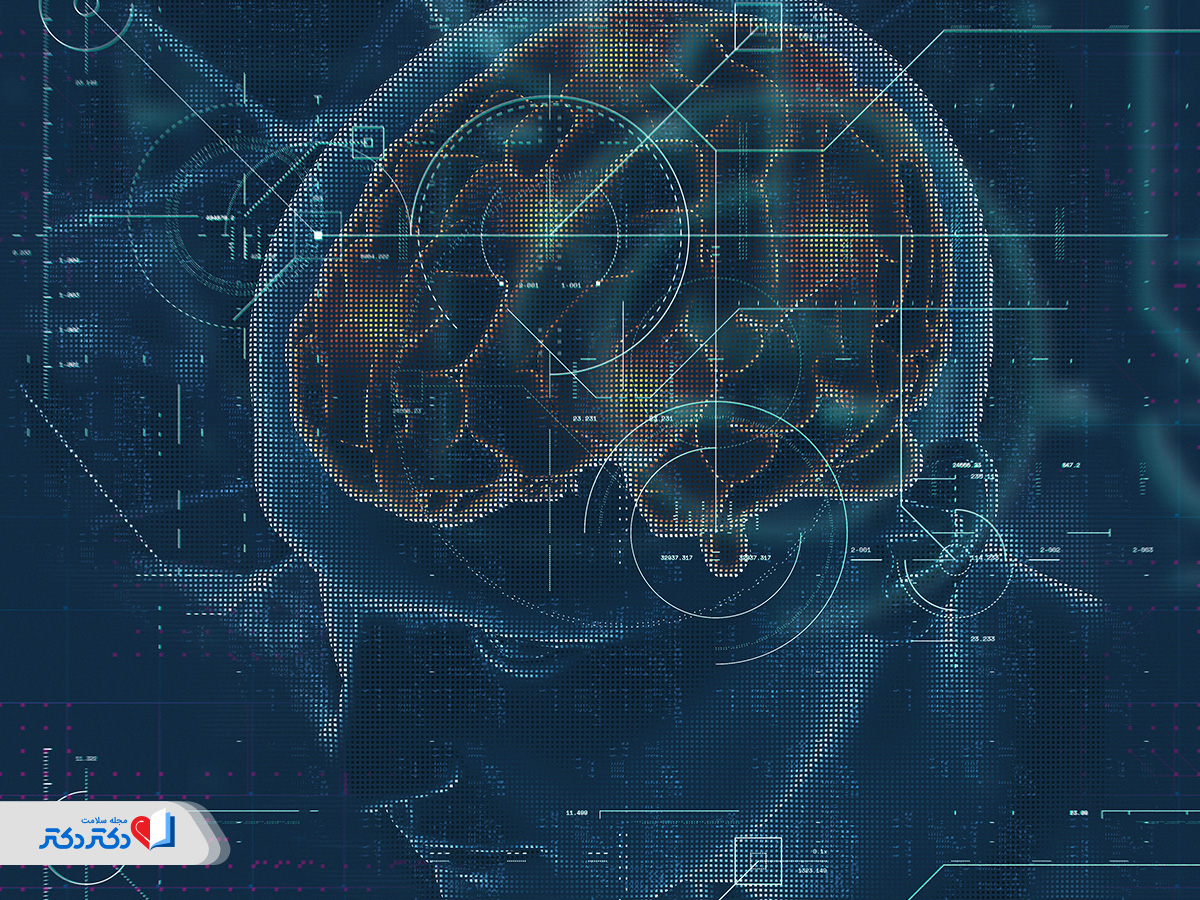
Biological factors including structural and functional differences in the brain and dysfunction of neurotransmitters in people can affect the formation of personality. For example, studies show that people with personality disorders may have dysfunctional amygdala; The amygdala is an area of the brain that plays a role in processing fear and excitement. Also, reducing the relative volume or reducing the functional activity of the frontal lobe in these people can affect their decision-making, controlling impulses and regulating their emotions.
Psychological factors
From the point of view of psychology, the formation of personality disorders is caused by the emergence of incompatible defense mechanisms. From a psychoanalytic point of view, people with personality disorder try to avoid internal conflicts or interpersonal anxieties with defense mechanisms such as transference, denial or going back to the past. These defenses become hard and fixed over time and eventually, in the form of a stable personality behavior pattern, they disrupt a person's life.
Furthermore, cognitive and emotional processing problems also make personality disorders more stable. For example, people with borderline personality disorder may project negative emotions such as anger or fear onto other people and start unnecessary fights and tension. The lack of mental flexibility also makes the work more difficult; People with personality disorder cannot easily change their thought patterns or adapt their behavior to new social situations.
Environmental and social factors
The effect of the environment during childhood plays an important role in the formation of personality disorders. For example, people with borderline or antisocial personality disorder may report a history of trauma such as physical, sexual, or emotional abuse. Verbal abuse in childhood also increases the possibility of the formation of narcissistic or paranoid personality disorder characteristics in adulthood.
The stability of the family environment and early social interactions can also have an effect on personality development. A person's growth without receiving emotional support or with the experience of neglect and bullying can prevent learning healthy ways of managing emotions and relationships with others. In addition, cultural factors play a significant role in the prevalence and occurrence of these disorders. Different societies show different rates of occurrence of disorders in clusters A, B and C based on social norms and expectations.

Types of Personality Disorders
Diagnostic and Statistical Manual of Mental Disorders categorizes disorders into three clusters of strange and unusual disorders (cluster A), dramatic and unstable disorders (cluster B) and anxiety and panic disorders (cluster C). These disorders are often diagnosed in people over 18 years old; Because during adolescence, behavioral patterns are not yet fully established and the person's personality is still being formed. Also, many people have more than one personality disorder and exhibit characteristics of different disorders. In the following, we briefly introduce the common and important types of personality disorder.
Drama personality disorder
Drama or histrionic personality disorder (Histrionic Personality Disorder) is placed in cluster B and is associated with the emergence of an intense and unstable emotional pattern. People with dramatic personality disorder do not have inner self-confidence and see everything as dependent on the approval and attention of others. If a person with dramatic personality disorder is not in the center of attention, they often get very upset and feel undervalued.
In order to attract the attention of others, these people may show dramatic and exaggerated behaviors, make decisive but unfounded opinions, and be capricious and superficial in expressing their feelings. Showy people are often concerned about their physical appearance and may display seductive and sexually stimulating behaviors to remain the center of attention. In addition, these people are easily influenced by others and try too hard to be close with others.
Narcissistic Personality Disorder
Narcissistic Personality Disorder is also included in cluster B. These people are seen as very proud and need constant praise, praise and admiration from others. Narcissistic people do not have enough empathy with others, and without understanding the needs or feelings of others, they give themselves special rights.
Also, these people may abuse others to achieve their goals. People with narcissistic personality disorder may fantasize and exaggerate about their talents without having any specific achievements and show the truth of their successes too big. However, people with narcissistic personality disorder, contrary to what they show on the surface, have a severe lack of self-esteem and self-confidence and have little self-confidence. For this reason, self-conceited behaviors and the extreme need for admiration in these people are often a cover for deep vulnerability, feelings of worthlessness, and fragile self-esteem. will be One of the hallmarks of BPD is an intense fear of being left or alone. This fear can become the basis for severe mood swings and a turbulent relationship pattern. Borderline people often have a sense of chronic emptiness and a weak or unstable identity, which are shown in the form of impulsive and risky behaviors. These people are prone to risky behaviors such as gambling, unsafe sex, drug and alcohol abuse, or bulimia nervosa. Also, people with borderline personality disorder may suffer from severe stress, paranoia, or self-harm. Dependent Personality Disorder Dependent Personality Disorder is in cluster C and is associated with a strong and pervasive need to be cared for. Dependent personality is afraid of separation and independence and shows submissive and clingy behaviors to others. A person with dependent personality disorder often does not trust his own judgment and needs a lot of advice and reassurance even for small daily decisions.
In order not to lose the support of others, a dependent person rarely disagrees with someone or rarely initiates a specific action or project. The dependent person may do anything to receive care and support, even if that support is accompanied by abuse. The dependent person feels unable to continue living alone, and if a close relationship ends for him, he quickly looks for a replacement person to take care of him.
Antisocial Personality Disorder
Antisocial Personality Disorder is placed in cluster B. Antisocial people constantly violate the rights of others and social rules, or seek to deceive others by lying and being aggressive. The characteristic feature of these people is the lack of guilt or remorse for the harm they inflict on others.
Unlike many personality disorders that are usually diagnosed in adulthood, the symptoms of antisocial personality disorder may appear from adolescence. Harmful behaviors such as aggression, destruction of property, frequent lying and violation of rules predict the occurrence of this disorder in adulthood. Brain imaging studies have shown that people with antisocial personality disorder may have abnormalities in the prefrontal cortex of the brain (the area related to decision-making and impulse control) and the amygdala (the area related to processing emotions and empathy). These abnormalities make a person susceptible to risky and antisocial behaviors.

Paranoid Personality Disorder
Paranoid Personality Disorder (Paranoid Personality Disorder) is placed in cluster A and is characterized by chronic mistrust and intense suspicion of others. Paranoid people believe that others intend to harm, humiliate or deceive them, even if there is no clear evidence for this belief; This issue makes intimacy and closeness in relationships difficult for paranoid people.
Paranoid people are usually sensitive and quick-tempered and react strongly to criticism or insult. They may frequently accuse others of malice and are always on the defensive. The characteristics of paranoid personality disorder cause isolation, tension in relationships and difficulty in social interactions.
Multiple Personality Disorder (DID)
Dissociative Identity Disorder is often not considered a personality disorder; However, due to the profound effect of multiple personality disorder on a person's identity and behavior, it is sometimes mentioned in personality studies. People with multiple personality disorder have two or more distinct identities or personality states. Each of these identities behave according to their own patterns of thinking, feeling and behavior and may take control of the person's behavior alternately.
This disorder is often caused by severe traumatic experiences or abuse in childhood. People with DID may have memory gaps and forget important everyday memories or personal events, especially when one of those identities is controlling their behavior. Multiple personality disorder severely disrupts a person's daily life, relationships, and performance and is associated with other disorders such as anxiety, depression, post-traumatic stress disorder, and self-harm. To know more depression is not bad with 25 important symptoms Get acquainted with depression.

The worst type of personality disorder and its characteristics
Personality disorders can be problematic in proportion to the damage they cause to the life of the person and others. Also, any personality disorder may range from severe to mild. However, some personality disorders such as antisocial personality disorder, borderline personality disorder, and schizotypal personality disorder create some of the most serious challenges in the life of a person and those around him.
Antisocial personality disorder
A person with antisocial personality disorder constantly ignores the rights of others and does not follow social norms. Antisocial people often show impulsive and aggressive behaviors and may get involved in judicial and legal problems due to risky behaviors. Antisocial people have little guilt or remorse and are unconcerned about harming others; This issue severely disrupts the personal and social relationships of these people.
Borderline personality disorder
Borderline people face challenges in controlling their emotions, extreme mood swings, unstable identity and intense fear of abandonment. Patterns of instability and emotional tension are seen in most borderline personality relationships. Impulsive thoughts and behavior of a borderline person can eventually lead to self-injurious behaviors such as risky sexual behaviors, alcohol or drug abuse, risky driving, and impulsive decisions. Also, the possibility of threatening or committing suicide is high in borderline people.
Schizotypal personality disorder
This personality disorder fits in cluster A and is associated with severe discomfort from close relationships and strange and wrong perceptions of reality. Schizotypals often believe in misconceptions such as hidden meanings in everyday events. The speech and behavior of these people often seem unusual, scattered or unpredictable, and this causes others to get confused in communicating with them.
Severe social anxiety, withdrawal from intimate relationships and distrust of others are common features of this disorder. The different thinking and perception patterns of schizotypal people seriously affect the social performance, job and quality of interpersonal relationships of people with schizotypal personality disorder and become the basis for the isolation and loneliness of these people.
The impact of these disorders on social relationships and daily life
Personality disorders cause a deep gap in social relationships and disruption in daily life. A person with a personality disorder has inconsistent, dry and inflexible characteristics that can cause interpersonal conflicts and disrupt a person's job and academic performance. These incompatible patterns reduce the quality of life of the person and those around him and cause emotional exhaustion, confusion and chronic tension. In addition, concurrent problems such as substance abuse, anxiety and depression are added to most personality disorders over time and reduce the ability of the person to function properly and achieve personal goals. The lack of specialized intervention can cause the intensification and stability of the undesirable characteristics of personality disorders.
Methods of treatment and management of personality disorders
Personality disorders often have deep, stable and deep-rooted cognitive-emotional patterns and, in fact, have become a part of a person's identity; For this reason, their treatment is more time-consuming and challenging than many other clinical disorders, except for cases such as schizophrenia. Having said that, the difficulty of treating personality disorders does not mean that they are untreatable.
Specialized treatments such as psychotherapy along with social support can help people with personality disorders to moderate these disorders. In recent years, various psychotherapy approaches have been successful in the treatment of personality disorders. In the following, we have a look at some of them.
Psychotherapy and individual treatments
Psychotherapy, individual therapy and psychological training can help the patient and his family to first understand the nature of the patient's personality disorder and then learn efficient and adaptive coping skills. Some approaches such as cognitive behavior therapy (CBT), dialectical behavior therapy (DBT), schema therapy, and mentalization-based therapy (MBT) have been effective in treating personality disorders. These treatments help to reduce symptoms, increase self-awareness, improve emotion regulation, and correct inconsistent interpersonal patterns. Also, a stable therapeutic relationship along with a long-term commitment from the therapist and client can increase the chances of successful treatment and management of personality disorders.

Pharmaceutical treatment for personality disorders
Besides psychotherapy, drug therapy can also play an important role in improving personality disorders. Currently, there is no specific medication that specifically treats personality disorders, but some medications can help reduce the severity of symptoms. Antidepressants, mood stabilizers, and antipsychotics are usually prescribed to control symptoms such as depression, anxiety, impulsivity, or severe mood instability. For example, SSRIs can help people with borderline personality disorder better manage their extreme emotional swings and explosive reactions. Also, anti-anxiety medications can reduce the level of anxiety and tension that is common in cluster C personality disorders. However, it must be emphasized that drug therapy alone is not enough and it is most effective when it is used together with psychotherapy and individual interventions. Of course, we must point out that the expertise of psychotherapists and psychiatrists also plays a key role in the diagnosis, treatment and follow-up of personality disorders. Dr.Doctor's experienced team is at your service with a few clicks to enable you to access the best and most professional mental health specialists from anywhere, such as online psychiatrist doctor. Also, if you are looking for special medicines to improve your physical and mental health problems, DoctorDoctor online pharmacy is at your disposal to order the medicine you want with a few clicks and have it delivered to your home.
Group therapy and social skills training
Group therapy, along with individual psychotherapy and drug therapy, can play a supportive and complementary role in the treatment of personality disorders. Group therapy creates a relatively safe space so that a person can see their inconsistent communication patterns in interaction with others, get feedback and gradually learn healthier ways to communicate. For many people, the experience of being seen, heard and not alone in the crowd is considered a part of the treatment process.
Besides this issue, teaching social skills such as boldness, conflict resolution, empathy, emotional regulation and effective communication can greatly help improve interpersonal relationships and people's daily functioning. Also, the existence of support networks such as family, therapy groups, or social support reduces the feeling of isolation, increases the motivation to continue treatment, and makes therapeutic changes last longer. These courses try to replace unhealthy behavior patterns with healthier methods. Many training and behavior management courses are held in the form of workshops for students and different classes. In these courses, skills such as mindfulness, emotion control, stress tolerance and effectiveness in relationships are taught so that people can react better in everyday life and build healthier relationships.
Important points in dealing with people with personality disorders
There are several key points in dealing with and interacting with people with personality disorders. which can improve the quality of communication, reduce tensions and help people understand each other more. In this section, it is not bad to take a look at the most important points that we need to observe when dealing with a person with a personality disorder. Applying these tips is effective in general and at any time; But when the person's behavior becomes a challenging personality disorder, its effectiveness becomes more visible.
- Have clear and fixed boundaries. Clear boundaries and consistent messages let the person know what you expect from them. In this way, the probability of impulsive or unexpected behavior on the part of the other party will decrease.
- Speak calmly and impartially. Nervous or emotional responses only increase the tension. Speaking calmly and neutrally makes the atmosphere safer and more predictable.
- Avoid confrontation and power struggles. A competitive encounter or strong protest increases a person's resistance. Choose the path of cooperation and mutual understanding to solve the challenges.
- Actively listen and acknowledge his feelings. When you listen carefully and reflect the other person's feelings, the person feels heard and accepted, even if they disagree with you.
- Don't judge and respect. Mutual respect and understanding make the space safer. Avoid direct criticism or ignoring his feelings.
- Be transparent and predictable. Your stable responses and behavior and clear intentions will increase trust and reduce misunderstandings.
- Be empathetic but realistic. Try to understand the other person's point of view and feelings, but act realistically and help them resolve issues in a clear and practical way.
- Maintain your own mental health. Don't forget that self-care is a prerequisite for real communication ability. It is effective and supportive of others.
Communication management and tension reduction
To communicate effectively with a person with a personality disorder, you need a combination of patience, flexibility and clear boundaries. Focus on active listening, staying calm and avoiding direct confrontation, and reduce tensions to create a more productive interaction. Many people with personality disorders may exhibit impulsive, irritable, short-tempered, or aggressive behaviors.
Try to have an open, non-hostile conversation to ensure that the environment is safe and supportive. Establishing healthy boundaries is one of the best and most effective tools for reducing conflict in relationships. When it is clear what behaviors are acceptable and what limits exist, you can stabilize relationships and reduce psychological manipulations in relationships.
Preventing psychological and emotional damage
Caring for or living with a person with a personality disorder can cause severe stress, depression and sadness for family members. In many cases, loved ones feel isolated or pressured because the behavior of the person with personality disorder is often unpredictable and unstable. If you are in such a situation, to avoid long-term mental and emotional damage, it is better to prioritize your mental health and in case of pressure and difficulty, be sure to get professional support.
Also, note that personality disorders can affect parenting and children's development. Parents with personality disorders can increase the risk of psychological problems in their children and perpetuate cycles of intergenerational trauma. In such a situation, timely intervention and receiving professional support is very important for the whole family. This supportive intervention can include individual psychotherapy for parents or relatives, coping skills training, or family counseling to create a stable and safe environment for children.
Creating healthy boundaries, maintaining self-care and using support networks will help the person with personality disorder and those around him to prevent long-term psychological and emotional damage and strengthen the mental health of the family.

Doctor Doctor's Last Word
Finally, we must add that a correct and complete understanding of personality disorders is not limited to knowing its symptoms and types. It is also important to understand the deep effects of personality disorders on relationships, daily life and mental health of the person and those around him. Psychotherapy, social support, teaching coping skills and creating healthy boundaries are tools that can improve the quality of life of the individual and the family. In this regard, the professional team of mental health specialists of Dr. Doctor is ready to help any person who himself or a loved one has a personality disorder. Also, DoctorDoctor online pharmacy is available to you to provide pharmaceutical services for the treatment of all kinds of mental problems and personality disorders to make the treatment path and follow-up simpler and more reliable. fi-accordion-icon-right"> What is the worst personality disorder and why is it considered dangerous?
One of the worst and most dangerous personality disorders is antisocial personality disorder. A person with antisocial personality disorder constantly ignores social rules and the rights of others and behaves aggressively or violently. This personality disorder is able to easily break the rules and cause physical or emotional harm to others, without feeling remorse.
What are the characteristics of borderline personality disorder and how is it diagnosed?
What effect does narcissistic personality disorder have on family and social relationships?
How to communicate effectively with people with personality disorder?