
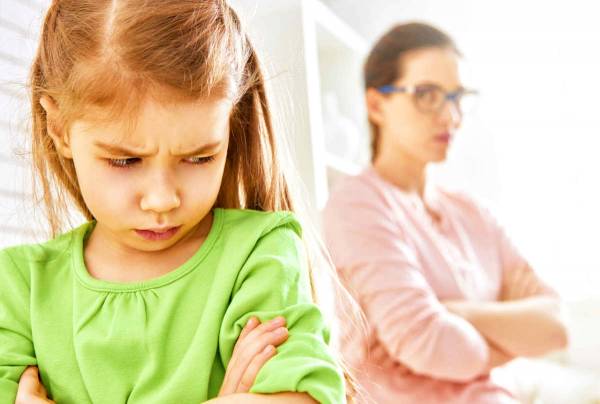
اگر فرزندتان بگوید ازت متنفرم و پاسخ مناسب
اگر فرزندتان بگوید ازت متنفرم و پاسخ مناسب
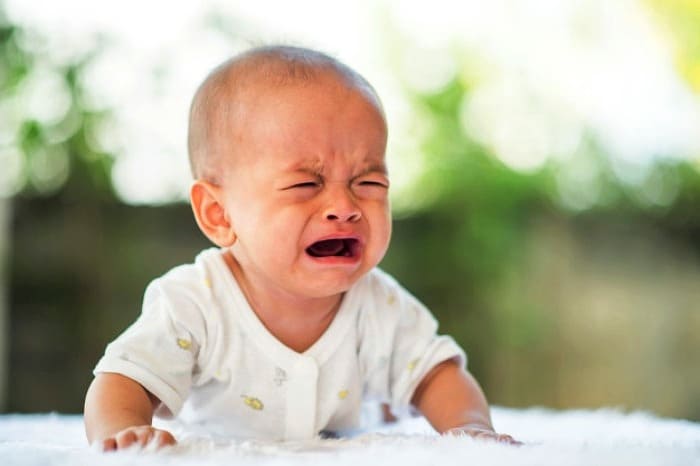
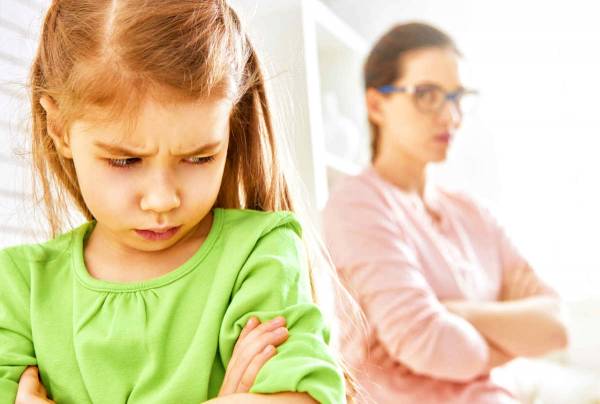
اکثر کودکان این جمله را به زبان آورده اند! In fact, if your child said this, he was probably expressing his feelings at that moment. Saying "I hate you" is a phrase that most families have heard from their child at least once in their life, but how do you think it should be treated after hearing such a sentence? The answer you give to this child's words plays a very important role in his upbringing and correcting this behavior.
As a family, you and your spouse are responsible for hearing such a sentence from the child. Usually, the child expresses this sentence based on his logic, not on his feelings. If you can't control your anger at this time, things are likely to get worse. So it is better to get help from a consultant so that he can help you in this field.
The counselor will teach you how to manage these traumatic moments in your child and teach him to say the right thing and do the right thing. It is very important for children to understand when saying such a phrase, and it makes him have the best behavior in the future.
If your child says I hate you and the appropriate response

If your child says I hate you and the appropriate response
There are various explanations for saying such violent words, but saying these words is momentary, and the child does not really hate you from the bottom of his heart. In fact, maybe he loves you more than anyone else, but at that time, there are reasons that make him say such words, but none of them mean that he really hates you.
These reasons may be difficult emotional situations or even trying to create a feeling in you. In fact, as we have said, children's feelings are not easily understood, and as a result, they constantly show different emotional reactions in challenging situations so that they can have an acceptable behavior. For this reason, they say words that they are not really sure about, but the family is responsible for teaching the child how to overcome these traumatic events.
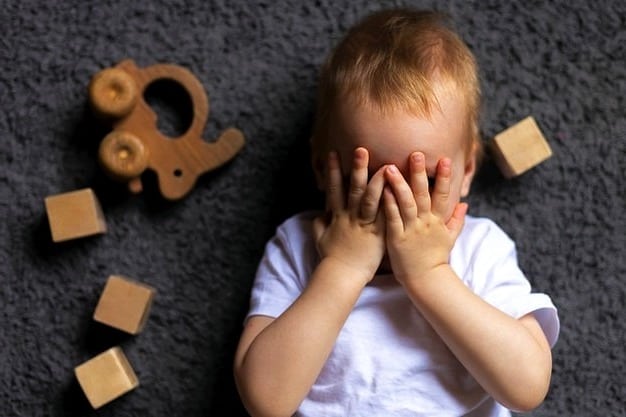
The child may feel angry and upset or hurt. Since in his childhood he is not able to use different skills in himself to improve his sense of self and that is why he utters this sentence, but you have to see what made the child say such a thing.
Pay attention to the type of expression and the words he chooses. Do you think he is upset or angry about something? Understanding the child's feelings is considered the most important step. Your reaction should not be accompanied by anger. The effect of intelligent response is very effective in preventing this from happening again.
If your child says I hate you and the appropriate response

If your child says I hate you and the appropriate response
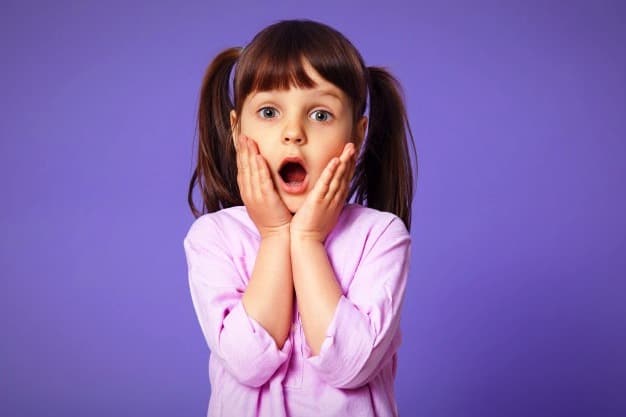
You may have different reactions at this time. Some families get angry, some get worried quickly, and some get shocked, but it's very important to know what to do.
First of all, be silent and pay attention to how your child feels. If you can read his feelings, you will respond to him more easily. It is also very important to keep calm.
Take a deep breath and try to shorten your height to the height of the child. That is, if you stand, sit down to be at his height or help him sit next to you so that you have a face-to-face relationship with him and you can look into his eyes.
Doing this will make him realize that you are paying attention to him, listening to his words and understanding his body language. Now you can tell him that "I understand that you are angry now, I know that you are very upset about such and such a thing".
If your child says I hate you and the appropriate response

If your child says I hate you and the appropriate response
Try to explain to him the feeling that you understand from him, for example, if you know the reason, express the sentence like this: "I know that you are angry and upset with me because I don't let you watch TV."
By doing this and explaining the child's feelings, you will teach him that from now on he will clearly express the reason for his discomfort and be able to understand the reason for his anger and anger, and as a result, he will succeed in managing his next emotions.
Then, during the conversation, tell him that saying such sentences will hurt the feelings of the other party. So try to make him understand that saying "I hate you" creates a negative feeling. So instead of saying these sentences, he learns to say his feeling and the reason for his discomfort.
Also, explain to him the harms of what you have forbidden. For example, if you have not allowed him to watch TV, explain to him the reason for doing so and its harm and announce that you have done this because of your interest in him. Teach him when he is angry, easily say I am angry and describe his true feelings.
If your child says I hate you and the appropriate response