
لنزهای داخلی چشمی فیکیک چیست و برای چه افرادی مناسب است
لنزهای داخل چشمی فیکیک روش درمانی دیگری برای مشکلات نزدیک بینی وخیم میباشد که میتواند جایگزینی برای جراحیهای لیزیک و پی.آر.کی باشد. نتایج نشان داده است که در برخی موارد این لنزها دید بهتری را در مقایسه با روشهای لیزری خواهند داشت.
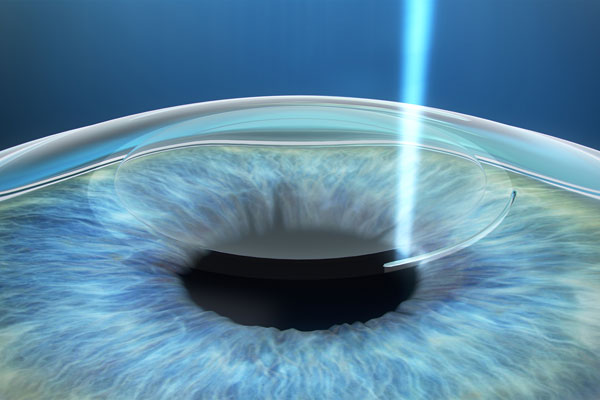
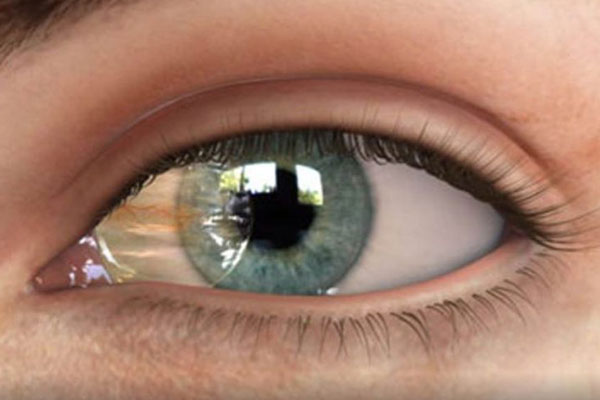
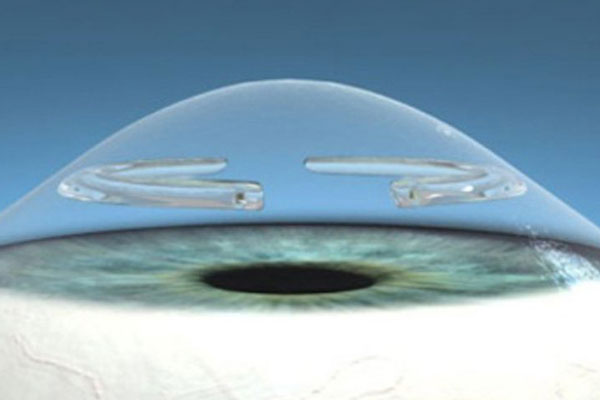
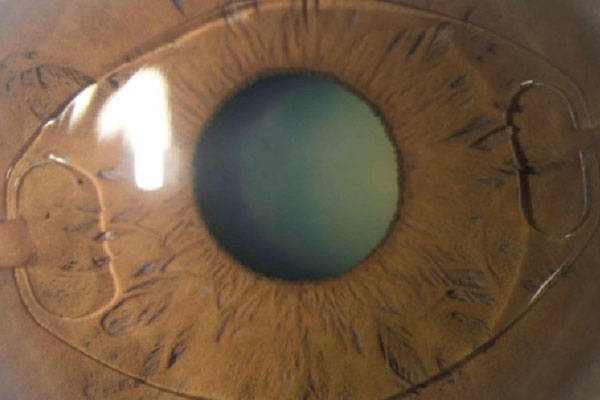
لنزهای داخل چشمی فیکیک شفاف بوده و قابل کاشت میباشند. این نوع لنزها از طریق جراحی بین عدسی و عنبیه چشم قرار میگیرد یا اینکه بدون برداشتن عدسی چشم بیمار، پشت عنبیه جایگذاری میشود. در حقیقت، لنزهای داخل چشمی فیکیک پرتوهای نور را به دقت روی شبکیه چشم متمرکز میکند و دیگری نیازی به استفاده از عینک نمیباشد.
این لنزها عملکردی مشابه لنزهای تماسی دارند. تنها تفاوت موجود مربوط به محل قرارگیری آنها میباشد؛ بدین صورت که لنزهای فیکیک از داخل چشم مشکلات نزدیک بینی را مرتفع میکند. این در حالی است که لنزهای تماسی روی سطح چشم قرار میگیرد.
از این لنزها بهتر است در شرایطی استفاده شود که فرد بیمار نزدیک بینی بالایی داشته و جراحی لیزیک برای وی مناسب نمیباشد.
زمان عمل: حدود ۱۵ دقیقه برای هر چشم
نتایج: دید ۴۰/۲۰ یا بهتر بدون استفاده از عینک یا لنز تماسی
زمان بهبودی: چند روز تا چند هفته
هزینه: ۴۰۰۰ دلار برای هر چشم
جالب توجه است که لنزهای داخل چشمی فیکیک درمانی دائمی برای نزدیک بینی میباشد؛ Unless the lens is removed for some reason.
Ficik intraocular lenses have advantages compared to contact lenses, which are:
- The person does not feel the lens inside the eye.
- These lenses have no maintenance problems. They are.
The American Food and Drug Administration (FDA) has approved two types of Fiqic intraocular lenses, which are selected based on the surgeon's opinion and recommended to the patient.
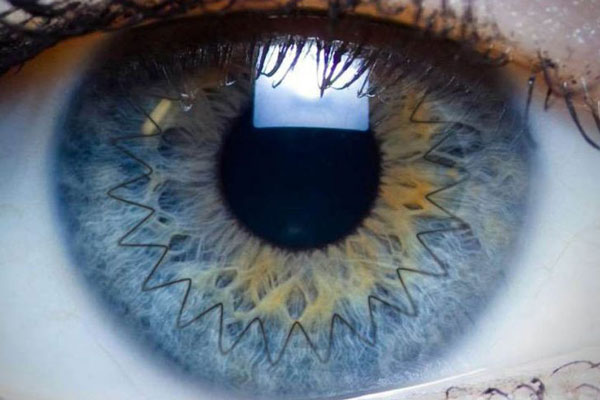
- Vision ICL: This type is commercialized by Star Surgical Company. Its location is between the iris and the lens of the eye. It is used to correct myopia from -3 to -20 diopters. Due to intraocular implantation, this lens can only be seen by a microscope. It is made of biocompatible collagen copolymer. Since this lens is soft and highly flexible, it can be folded during surgery. Therefore, it leaves very little injury.
- Varices: its location is in front of the iris of the eye. It is used to correct myopia from 5 to 20 diopters. It is made of inflexible and hard polymethyl methacrylate (PMMA) plastic. Another brand name is Artisan, which is common in Europe. Usually, this lens is not visible after being placed in the eye; Of course, it may be seen in front of the mirror at a very close distance.
Vision ICL
The two intraocular lenses, Vision ICL and Varesis, both have FDA approval and are under extensive studies for their use in camera treatment. The toric vision lens model is being studied for the treatment of astigmatism and myopia.
Alcon lens is also receiving FDA approval, which is made of soft acrylic. Its location is in front of the iris. Many clinical studies have been conducted in Canada, America and Europe on this lens. Of course, its use has started in Europe since 2008, and no dissatisfaction has been reported in the last few years. The results have shown that this lens is able to improve the refractive errors of the eye from -10 diopters to -0.25 diopters. #000000;">LASIK treats refractive errors of the eye including myopia, hyperopia and astigmatism using computer-controlled laser radiation. Despite this, the use of LASIK surgery is not possible in all patients. Contraindications to the use of LASIK are: very high myopia (usually more than -8 diopters); thin cornea; Irregular shape of the cornea; Chronic dry eye.
People who have moderate to severe nearsightedness problems should use Fikik intraocular lenses.
Studies in 2010 showed that both treatment methods are able to improve myopia (from -6 diopters to -20 diopters) and provide patients with 20/20 vision. Visual improvement was stable in both procedures and no recurrence was observed. However, patients who underwent the operation of Phikik intraocular lenses had more contrast in their vision.
The cost of LASIK surgery is much lower than that of Phikik intraocular lenses. The choice of each of these methods depends only on the opinion of the attending physician, which is done after an eye examination and evaluation of other cases.
To make sure that you meet the medical conditions for using this type of lens, consider the following questions:
- Is your myopia less than -20 diopters?
- Is your eye able to accommodate this lens? In this case, the depth of the anterior chamber of the eye and the health of the corneal epithelium should be determined during the examination.
- Are you between 21 and 40 years old? These types of lenses are not suitable for the treatment of blurred vision caused by presbyopia. This problem usually occurs in the early 40s. Monovision intraocular lenses are recommended for this disease.
- Have your vision problems worsened despite using glasses or contact lenses? For all surgeries, the patient must have a fixed eye number for one year.
- Do you have the possibility of other eye diseases such as cataracts, glaucoma, or eye infections? Do you also have type 1 diabetes, HIV and AIDS?
- Does your insurance cover medical expenses from pre-operative examination to follow-up after it?
Required considerations about Phikik intraocular lenses
before the operation
- people who use contact lenses, should leave the contact lenses for a while before the eye examination; Because the lens affects the natural shape of the cornea.
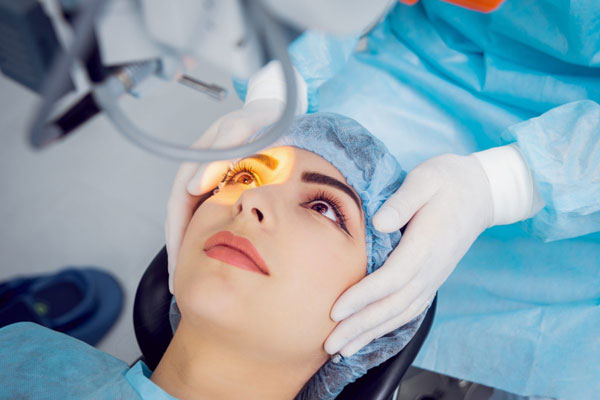
- One or two weeks before this operation, the attending physician creates a small hole in the iris using an iridotomy laser to make it easier for the aqueous humor to pass into the corner of the eye. This laser method prevents the increase of intraocular pressure after inserting the lens.
- Iridotomy laser is very fast and takes only a few minutes. Therefore, it can be done on the same day of surgery for the implantation of Phikik intraocular lenses.
During the operation
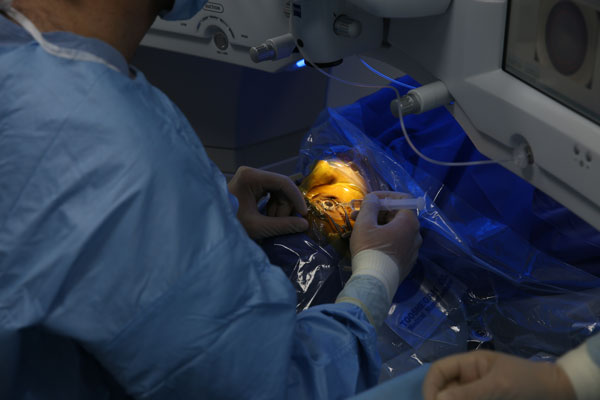
- special eye drops or some oral drugs are used for anesthesia. A speculum is used to hold the eyelids open. A small and thin incision is made on the cornea to place the lens in the right place. The length of this incision is 6 mm for Versis lenses and 2.3 mm Vision ICL.
- Versis lens is placed inside the anterior chamber of the eye behind the cornea; in such a way that it is connected to the front of the eye lens. Non-absorbable sutures are used to close wounds. At the end, the dressing is placed on the eye.
- ICL vision lens is placed inside the posterior chamber of the eye behind the lens and pupil of the eye; in such a way that it is connected to the front of the cornea of the eye. Once in place, no stitches are needed to close the wounds. At the end, a bandage is placed on the eye.
- This surgery takes about 10-30 minutes and is performed on an outpatient basis. The person will be asked to rest for a short time so that you will be able to go home afterwards (someone will have to drive you there, of course). The attending physician usually prescribes antibiotics and anti-inflammatory drugs to reduce possible discomfort and speed up the healing process. But at first after the operation, the vision may be a little blurry and people show high sensitivity to light. It takes two to four weeks to achieve clear and stable vision.
- If Vision ICL lenses are used, this time is reduced to at least one to seven days, which is much faster in comparison to Versys lenses.
- Usually after this surgery, the patient feels a little discomfort in the form of itching in the eye, as if there is a foreign object in the eye.
- Avoid rubbing or squeezing the eyes strongly.
- Avoid strenuous activities such as lifting heavy objects until you have fully recovered.
- One to three weeks after surgery, most people will be able to drive or return to work.
Risks and Side Effects
Like all surgical procedures, the use of Phikik intraocular lenses has certain risks. will bring Although these cases are few. The short-term and long-term complications of this surgery are:
- retinal detachment; This condition is very serious and is considered a serious threat to the patient's vision.
- loss of cells related to the thin layer inside the cornea (epithelium); This condition causes corneal edema and progressive blurring of vision. Therefore, the doctor will measure the number of endothelial cells at each visit.
- Inflammation or infection of the eye
- Distortion of vision such as halos and glare especially when driving, and blurred vision
- Cataract; Failure to pay attention to it causes complete blindness.
- Pupillary deviation that increases the possibility of glare and blurred vision.